Source High Temperature Corundum Mullite Pillar for Kilns, Furnaces, and Industrial Ovens
Compare 30 listings for High Temperature Corundum Mullite Pillar available from suppliers in China. Buyers can review specifications including Al2O3 content, refractoriness, and dimensions for furnace and kiln applications.
Key considerations
Products List


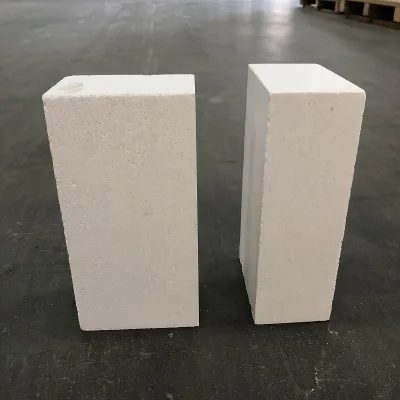
Anti Spalling Refractory Component for High Temperature Furnace Corundum Mullite Brick
$1500.00 - $1700.00
MOQ: 10 Tons




Comprehensive Sourcing Guide
Strategic Sourcing Guide for High Temperature Corundum Mullite Pillar Procurement
Understanding Material Composition and Technical Specifications
When sourcing high-temperature corundum mullite pillars, the primary objective is to identify components that maintain structural integrity under extreme thermal stress. The supply chain for these specialized refractory items often presents a complex array of material compositions, ranging from pure mullite to mixed oxide systems. Based on available market data, the core material composition frequently centers on Al2O3 (alumina) and SiO2 (silica). Buyers must be vigilant regarding the specific ratios of these oxides, as they directly dictate the refractoriness and mechanical strength of the final product.
In the current market, observed specifications for mullite-based products indicate an Al2O3 content ranging from greater than 45% up to 70-85%. This variance is critical; a pillar intended for a high-temperature kiln furnace requires the higher end of this spectrum to ensure longevity. Similarly, the silica content is typically observed between 13% and 26%. The presence of Fe2O3 (iron oxide) is another vital parameter, with observed ranges falling between 0.5% and 1.2%. Lower iron content is generally preferred to prevent discoloration and to maintain high electrical resistivity in certain applications.
The physical form of these products is predominantly categorized as bricks, though some listings indicate plate or pipe shapes. For a pillar application, the geometric stability is paramount. Standard dimensions for mullite bricks are often cited as 230mm x 114mm x 65mm, but the market also supports customized sizing to fit specific furnace geometries. The density of these materials varies significantly, with bulk density observations ranging from 1.0 g/cm3 to a more robust 2.50-2.95 g/cm3. A higher bulk density typically correlates with better thermal shock resistance and lower porosity, which is essential for pillars that must support heavy loads or withstand rapid temperature fluctuations.
Thermal Performance and Refractoriness Standards
The defining characteristic of a high-temperature corundum mullite pillar is its ability to withstand extreme heat without deforming. The refractoriness, or the temperature at which the material softens, is a key metric for buyers. Market observations reveal refractoriness ranges between 1580°C and 2000°C. Specifically, certain high-grade mullite products demonstrate a refractoriness range of 1770°C to 2000°C, making them suitable for the most demanding industrial furnaces. Conversely, products with a refractoriness of 1580°C to 1770°C may be better suited for lower-temperature applications or specific zones within a kiln.
Thermal shock resistance is another critical performance attribute. Products labeled with features such as "Thermal Shock Resistance" or "Temperature Resistant" are engineered to survive rapid heating and cooling cycles. This is particularly important for pillars used in batch furnaces where the temperature profile is not constant. The apparent porosity of these materials also plays a role in their thermal performance. An observed apparent porosity of around 17% suggests a structure that allows for some gas permeability, which can be beneficial for stress relief, though lower porosity is often desired for maximum structural strength.
Buyers should verify the specific refractoriness claims against their operational requirements. While standard sizes are available, the thermal performance is often tied to the specific formulation of the mullite. For instance, products originating from regions like Hebei or Jiangsu in China may have distinct processing histories that influence their thermal stability. It is essential to request test data or certification documents that confirm the refractoriness temperature, rather than relying solely on general product descriptions.
Compliance, Certification, and Standard Verification
In the B2B procurement of industrial refractories, compliance with international and local standards is non-negotiable. The supply market exhibits a mix of standardized and customized product standards. Some listings reference "Standard Size" or "MS" (potentially referring to a specific millimeter or material standard), while others explicitly state "As request" or "Customized." This variability indicates that buyers cannot assume a universal standard applies to all mullite pillars without verification.
Certification and standard verification are particularly important when sourcing from different geographic origins. Products originating from Hebei, China, or Jiangsu, China, may adhere to different regional manufacturing norms. While some products are described as meeting "Standard Export Wooden Pallet" or "Water Proof Wooden Pallets" requirements, these refer to packaging standards rather than material certifications. Buyers must explicitly inquire about material compliance with recognized industry standards, such as ASTM or ISO, if their specific application requires them.
The absence of specific certification names in general product listings necessitates a proactive approach from the buyer. It is crucial to ask suppliers for proof of compliance with relevant safety and quality standards. This includes verifying the chemical composition reports to ensure that the Al2O3 and SiO2 ratios match the agreed-upon specifications. Additionally, buyers should confirm that the manufacturing process adheres to environmental and safety regulations, especially if the final product is destined for markets with strict regulatory frameworks.
Cost Drivers and Pricing Dynamics
The pricing of high-temperature corundum mullite pillars is influenced by a complex interplay of factors, including material purity, manufacturing complexity, and order volume. The observed price range in the market is vast, spanning from $0.57 to $3000 per unit. This wide disparity is not indicative of a single product type but rather reflects the diversity of the market, which includes small, low-density components alongside large, high-purity, custom-engineered pillars.
Several key drivers influence the final cost. First, the Al2O3 content is a primary cost factor; materials with higher alumina content (e.g., 70-85%) are significantly more expensive than those with lower content (e.g., >45%). Second, the manufacturing process for custom shapes, such as pillars, incurs higher tooling and labor costs compared to standard brick shapes. Third, the packaging requirements, such as "Export Packing, Wooden Box" or "Water Proof Wooden Pallets," add to the overall cost, particularly for international shipments.
Minimum Order Quantity (MOQ) is another significant cost driver. The observed MOQ range in the market is between 1 and 27 units, with some specific listings indicating an MOQ of 20 units. Ordering in larger quantities can often reduce the per-unit cost, but buyers must balance this against their inventory needs and storage capabilities. Lead times, while not explicitly detailed in the provided data, are often correlated with the level of customization and the supplier's production capacity. Buyers should expect longer lead times for custom-sized or high-purity pillars compared to standard stock items.
Typical Applications and Operational Requirements
High-temperature corundum mullite pillars are primarily utilized in industrial furnaces and kilns where structural support and thermal insulation are required. The keyword "Mullite Ceramic Brick for Kiln Furnace" and "Refractory Casket Pan" highlight the diverse applications of these materials. In a furnace setting, pillars serve as supports for shelves, trays, or other refractory components that hold the product being fired. They must withstand the weight of the load while maintaining their shape at temperatures that can exceed 1500°C.
The application environment dictates the specific requirements for the pillar. For instance, in a kiln used for firing ceramics or metals, the pillar must resist chemical attack from the atmosphere and the materials being processed. The "Heating Resistant" and "Long Time Materials" features observed in product listings suggest that these pillars are designed for extended service life in continuous or batch heating processes. The ability to withstand thermal shock is crucial in applications where the furnace is cycled on and off frequently.
Furthermore, the customization availability allows for tailored solutions in complex furnace designs. Buyers should consider the specific geometry of their furnace and the nature of the load when selecting a pillar. Standard sizes like 230mm x 114mm x 65mm may suffice for general applications, but custom dimensions are often necessary for specialized equipment. The "Mullite Boat" and "Refractory Casket Pan" keywords also suggest that these materials are used in various forms of support structures, emphasizing the versatility of mullite in high-temperature environments.
Supplier Evaluation and Quality Control Protocols
Evaluating suppliers for high-temperature corundum mullite pillars requires a rigorous approach to ensure product quality and reliability. Buyers should prioritize suppliers who offer transparency regarding their material composition and manufacturing processes. The availability of customization options is a positive indicator of a supplier's flexibility and technical capability. However, the presence of customization does not guarantee quality; it must be backed by robust quality control measures.
Quality control protocols should include verification of the physical and chemical properties of the pillars. Buyers should request samples for testing, focusing on key parameters such as bulk density, apparent porosity, and refractoriness. The observed bulk density range of 2.50-2.95 g/cm3 and apparent porosity of 17% should be confirmed through independent testing. Additionally, the chemical composition, specifically the Al2O3 and SiO2 ratios, must be verified to ensure they meet the specified requirements.
Packaging is another aspect of quality control. Products are typically packed in "Standard Export Wooden Pallets with Cardboard," "Water Proof Wooden Pallets," or "Wooden Cases." These packaging methods are designed to protect the fragile refractory materials during transit. Buyers should inspect the packaging upon receipt to ensure that the pillars have not been damaged. Furthermore, the supplier's ability to provide documentation, such as mill test certificates or quality assurance reports, is a critical factor in the evaluation process.
Long-Term Procurement and Strategic Sourcing Considerations
Long-term procurement of high-temperature corundum mullite pillars requires a strategic approach that goes beyond immediate transactional needs. Buyers should consider the total cost of ownership, which includes not only the purchase price but also the lifespan, maintenance, and replacement costs of the pillars. High-quality mullite pillars with superior thermal shock resistance and higher alumina content may have a higher upfront cost but can offer significant savings over time by reducing downtime and replacement frequency.
Building a strong relationship with reliable suppliers is essential for long-term success. Suppliers who offer customization and have a track record of meeting quality standards are valuable partners. Buyers should engage in regular communication with suppliers to stay informed about new product developments and changes in material standards. Additionally, maintaining a buffer stock of critical components can help mitigate supply chain disruptions.
Finally, buyers should remain vigilant about market trends and technological advancements in refractory materials. As industries evolve, the requirements for high-temperature components may change. Staying informed about new materials, manufacturing techniques, and industry standards will enable buyers to make informed decisions and maintain a competitive edge. By focusing on quality, compliance, and strategic partnerships, buyers can ensure a steady supply of high-temperature corundum mullite pillars that meet their operational needs.
FAQs
What is the typical Al2O3 content range for these pillars?
The Al2O3 content typically ranges from greater than 45% up to 70-85% depending on the specific grade. Higher alumina levels generally indicate superior refractoriness and mechanical strength for demanding kiln applications.
How high can these mullite pillars withstand temperatures?
These pillars generally withstand temperatures between 1580°C and 2000°C, with high-grade options reaching up to 2000°C. The specific limit depends on the product formulation and intended furnace zone usage.
Which shapes are available for High Temperature Corundum Mullite Pillar orders?
Standard shapes include bricks with dimensions like 230mm x 114mm x 65mm, while custom shapes like plates and pipes are also available. Buyers can request specific geometries to fit unique furnace requirements.
Can I find suppliers offering customized packaging for these materials?
Yes, suppliers offer various packaging options including standard export wooden pallets, water-proof wooden pallets, and wooden cases. Custom packaging requests are often accommodated to ensure safe transit of fragile refractory items.
What is the minimum order quantity for purchasing these refractory bricks?
The minimum order quantity varies, with observed ranges starting from 1 unit up to 27 units, and some specific listings requiring 20 units. Buyers should verify the MOQ with individual suppliers before placing orders.
How does the bulk density affect the performance of these pillars?
Bulk density ranges from 1.0 g/cm3 to 2.95 g/cm3, influencing thermal shock resistance and structural load capacity. Higher density materials typically offer better durability and lower porosity for heavy-duty furnace support.