Source Transparent Zipper Closure Mushroom Bags for Food, Jewelry, and Stationery
Find 15 Transparent Zipper Closure Mushroom Bags from verified Chinese manufacturers. Buyers can compare sizes, thickness, and sealing methods for food, jewelry, and stationery packaging needs.
Key considerations
Products List


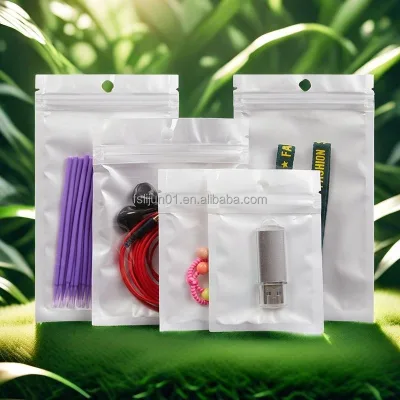
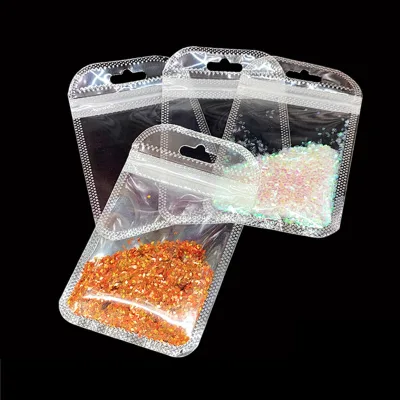

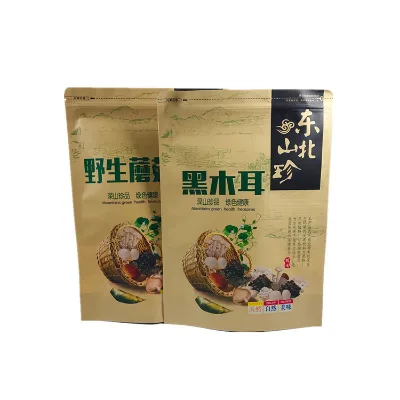
Comprehensive Sourcing Guide
Strategic Sourcing Guide for Transparent Zipper Closure Mushroom Bags
Understanding Product Specifications and Material Composition
The procurement of Transparent Zipper Closure Mushroom Bags requires a precise understanding of the specific material structures and physical attributes that define this packaging category. Based on the available market data, these products are primarily constructed from various plastic polymers, with Polypropylene (PP) and Polyvinyl Chloride (PVC) being the most frequently observed materials. The transparency of the bag is a critical visual and functional attribute, often described as "double-sided transparent" or simply "transparent," allowing for clear visibility of the contents while maintaining structural integrity.
The physical form factor is distinct, categorized under "mushroom bags" which typically implies a specific shape or profile, though the data also broadly classifies them as "plastic bags" or "upright bags." The dimensions vary significantly across suppliers, with observed sizes ranging from compact 6x8 cm units to larger 14x23 cm configurations. Thickness is another vital specification, with common single-side measurements listed at 60, 70, 80, and 90 microns, alongside a 0.12 mm specification for PVC variants. Buyers must verify if the supplier offers custom thickness options, as the market data indicates that "more custom thickness available" is a standard offering.
The sealing mechanism is a defining feature of this product line. The "zipper closure" and "zipper top" are consistently cited, often paired with a "self-sealing zipper lock" to ensure a secure, reusable seal. This feature is crucial for applications requiring repeated access to the contents. The edge sealing is frequently noted as "dot pattern heat sealed," which contributes to the bag's durability and leak resistance. Additionally, the surface handling often involves "silk screen printing" or "pad printing," allowing for branding and product information to be applied directly to the transparent surface.
Compliance, Certification, and Safety Verification
When sourcing transparent zipper bags, particularly for applications involving food, medical, or cosmetic use, verifying compliance and safety standards is paramount. While the provided data does not list specific certification bodies or test results for every product, it highlights several relevant attributes that serve as proxies for safety and quality. The "Waterproof Performance" and "Moisture Proof" features are essential for protecting contents from environmental humidity. For food-related applications, the "Food Packaging" application tag suggests suitability, but buyers must independently verify that the specific plastic type (PP, PVC, or PET/PE) meets local food safety regulations.
The material composition also dictates regulatory compliance. The data mentions "Recycled Materials" and "Recyclable" features, which are increasingly important for sustainability mandates. However, the presence of recycled content does not automatically guarantee compliance with food-grade standards. Buyers should explicitly request documentation confirming that the raw materials, such as the "Polypropylene Plastic Bag" or "Clear PVC Plastic," are free from harmful additives and meet the necessary regulatory thresholds for their intended use.
Regarding standards, the data references a specific dimension standard of "131250cm" and a background reference to "EN 1186," which relates to food contact materials. While EN 1186 is a recognized standard for food contact plastics, the provided text does not confirm that all listed products are certified to this standard. Therefore, procurement teams must treat such references as indicators of potential compliance rather than guaranteed certification. It is imperative to request current test reports or certificates of analysis (CoA) from the supplier to validate that the product meets the specific safety requirements of the target market, whether it be the European Union, North America, or Asia.
Cost Drivers and Pricing Structure Analysis
The pricing structure for Transparent Zipper Closure Mushroom Bags is influenced by a complex interplay of material costs, customization requirements, and order volume. The observed price range in the market spans from $0.01 to $0.20 USD per unit, a wide variance that reflects differences in material quality, thickness, and order quantity. The Minimum Order Quantity (MOQ) is equally variable, ranging from 50 units to 500,000 units. This disparity suggests that smaller buyers may face higher per-unit costs due to the fixed setup costs of printing and manufacturing, while larger buyers can leverage economies of scale to achieve the lower end of the price spectrum.
Material type is a primary cost driver. PVC bags, often used for jewelry and electronics, may carry different cost implications compared to PP or PET/PE bags used for food and general stationery. The thickness of the bag also directly impacts cost; thicker bags (e.g., 90 microns or 0.12 mm) require more raw material and thus command a higher price than thinner variants (e.g., 60 microns). Customization is another significant factor. The data confirms that "Accept Custom Logo/Printing/Size" is available, but custom orders invariably incur additional costs for mold creation, screen printing setup, and color matching.
The "Selling Units" being listed as "Single item" in some contexts can be misleading for B2B buyers; this likely refers to the display format rather than the transactional unit. Buyers should clarify whether the price is per piece, per bag, or per pack. Furthermore, the "prod_packing" method, typically "Carton," adds to the overall logistics cost. Buyers must evaluate the total landed cost, including packaging efficiency and shipping, rather than focusing solely on the unit price. The "Reusable" attribute of these bags may also influence the perceived value, potentially justifying a higher price point for premium, durable variants.
Typical Applications and Industrial Use Cases
The versatility of Transparent Zipper Closure Mushroom Bags is evident in the diverse range of applications listed in the market data. These bags are utilized across multiple industries, including "Stationery Packaging," "Medical Packaging," "Gift Packaging," "Food Packaging," "Cosmetic Packaging," and "Clothing Packaging." The specific application dictates the required material properties and sealing performance. For instance, "Food Packaging" requires moisture-proof and potentially food-safe materials, while "Medical Packaging" demands high levels of sterility and shock resistance.
The data also highlights specific industrial uses such as "Jewelry," "Electronics," "Accessories," and "Apparel." In the jewelry and electronics sectors, the "Antistatic" feature is a critical requirement to prevent damage to sensitive components. The "Shock Resistance" attribute further supports the use of these bags for fragile items. For "Gift & Craft" applications, the aesthetic appeal of the "White/Pink/Purple/Green/Blue or Custom Other Colors" options becomes a primary driver, allowing for brand differentiation and visual appeal.
The "Disposable" and "Reusable" attributes indicate that these bags serve dual purposes. Some applications, such as single-use food storage or medical waste containment, prioritize disposability, while others, like retail packaging for clothing or promotional items, leverage the "Reusable" nature to enhance customer experience and brand loyalty. The "Industrial Use" tag for "Gift & Craft" suggests a strong market presence in the promotional sector, where custom printing and unique shapes are highly valued. Buyers must align their product selection with the specific demands of their end-use scenario, ensuring that the bag's features, such as "Moisture Proof" or "Antistatic," match the product being packaged.
Supplier Evaluation and Geographic Considerations
Evaluating suppliers for Transparent Zipper Closure Mushroom Bags requires a careful assessment of their geographic location, production capabilities, and customization flexibility. The market data indicates that these products originate from several key manufacturing hubs in China, including "Qingdao," "Guangdong," and "Shandong." Each region may have different specializations and supply chain efficiencies. Qingdao, for example, is a major port city, which can facilitate export logistics, while Guangdong and Shandong are known for their robust manufacturing bases.
When evaluating suppliers, buyers should verify the "Custom Order" acceptance capability. The data confirms that suppliers generally accept custom orders for logos, printing, and sizes, but the extent of this flexibility varies. The "Brand Name" field lists entities like "LJ" and "JCZN," indicating that both OEM and ODM models are prevalent. Buyers should prioritize suppliers who demonstrate a clear understanding of the "Making Process" and "Surface Handling" techniques, such as "Screen Printing" and "Pad Printing," to ensure high-quality output.
Supplier reliability is also tied to their ability to meet specific "prod_standard" requirements. While the data lists a standard dimension of "131250cm," buyers must confirm if the supplier can consistently meet this specification or if it represents a common default. The "Model Number" variations, such as "LJPB" and "ZNZF005," suggest a diverse product catalog. Buyers should request samples to verify the "Edge Sealing" quality and the integrity of the "Zipper Closure" before committing to a large order. Additionally, the "Place of Origin" should be cross-referenced with any trade compliance requirements specific to the buyer's region.
Quality Control and Long-Term Procurement Strategy
Implementing a robust quality control (QC) strategy is essential for maintaining the integrity of Transparent Zipper Closure Mushroom Bags throughout the supply chain. Given the variability in "Thickness" and "Material Structure," buyers should establish clear acceptance criteria for physical attributes. Regular inspections should focus on the "Sealing Method" to ensure the "Zipper Closure" functions smoothly and maintains a secure seal. The "Edge Sealing" should be checked for consistency, particularly the "Dot Pattern Heat Sealed" finish, to prevent leaks or tears.
For long-term procurement, building a strategic partnership with suppliers who offer "Customization" and "Reusable" options is advantageous. The ability to adapt to changing market needs, such as shifting from standard colors to "Custom Other Colors" or adjusting thickness for specific product requirements, adds significant value. Buyers should also consider the environmental impact, prioritizing suppliers who utilize "Recycled Materials" or offer "Recyclable" solutions, as sustainability becomes a key differentiator in the global market.
To mitigate risks, buyers should diversify their supplier base across different regions, such as utilizing both Qingdao and Guangdong-based manufacturers. This approach helps manage potential disruptions in the supply chain and ensures competitive pricing. Regular audits of the "Making Process" and "Raw Materials" are recommended to ensure ongoing compliance with safety and quality standards. By maintaining a proactive approach to quality control and supplier management, buyers can secure a reliable supply of high-quality Transparent Zipper Closure Mushroom Bags that meet their specific operational and commercial needs.
FAQs
What materials are used for Transparent Zipper Closure Mushroom Bags?
These bags are primarily made from Polypropylene (PP), PVC, or PET/PE(CPP) plastics. Suppliers offer options like clear PVC plastic or polypropylene plastic bags, ensuring transparency and structural integrity for various packaging needs.
Can I get custom sizes and printing for these bags?
Yes, suppliers accept custom orders for logo, printing, and specific dimensions. Available sizes range from 6x8 cm to 14x23 cm, with thickness options like 60 microns or 0.12 mm, and printing methods including silk screen or pad printing.
How much does a transparent zipper closure mushroom bag cost?
The price ranges from 0.01 to 0.20 USD per unit depending on order volume and specifications. Costs vary based on material type, thickness, and customization requirements, with minimum order quantities starting as low as 50 units.
Which sealing method ensures the bags are waterproof?
The bags utilize a zipper closure or self-sealing zipper lock to ensure waterproof and moisture-proof performance. Edge sealing is typically achieved through dot pattern heat sealing to maintain durability and prevent leaks during storage.
Where are these plastic bags manufactured?
These products originate from manufacturing hubs in China, specifically Qingdao, Guangdong, and Shandong. Buyers can select suppliers from these regions based on their specific logistics needs and production capacity requirements.
Are these bags suitable for food and medical packaging?
The bags are designed for applications including food, medical, cosmetic, and stationery packaging. While they offer moisture-proof and shock resistance features, buyers should verify specific food-grade compliance and safety certifications for sensitive applications.