Source High Temperature Hydraulic Hose Adapter for Excavators, Construction, and Agriculture
Find a High Temperature Hydraulic Hose Adapter suitable for excavators, construction machinery, and agricultural equipment. Compare 30 listings with varying materials, sizes, and surface treatments to identify the right fit for your industrial needs.
Key considerations
Products List


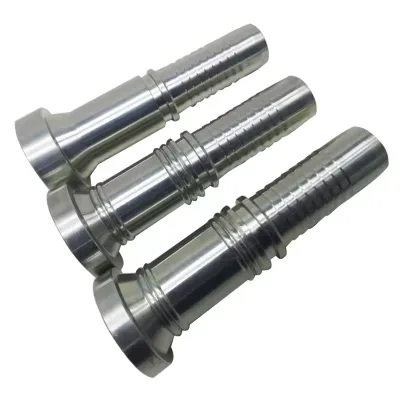


Comprehensive Sourcing Guide
Strategic Sourcing Guide for High-Temperature Hydraulic Hose Adapters
Selecting the correct high-temperature hydraulic hose adapter requires a disciplined approach that balances technical compatibility with supply chain reliability. In the industrial sector, hydraulic systems often operate under extreme thermal conditions where standard components may fail, leading to costly downtime or safety hazards. This guide provides a comprehensive framework for buyers to evaluate potential suppliers and products based on verified attributes, material science, and compliance standards. The objective is to ensure that the selected adapters meet the rigorous demands of high-temperature environments while maintaining cost efficiency and operational safety.
Technical Specifications and Material Compatibility
The foundation of a successful procurement strategy lies in understanding the specific technical specifications required for high-temperature applications. When sourcing these components, buyers must prioritize material composition, as the ability to withstand thermal stress is paramount. The supplied data indicates that Medium Carbon Steel and Low Carbon Steel are observed material options in the market. For high-temperature scenarios, the carbon content and the specific heat treatment of the steel are critical factors that determine the adapter's structural integrity under thermal expansion and contraction.
Surface treatment is another vital technical specification. The observed market data lists Galvanized Sheet, Galvanized, and Chrome as common surface finishes, with Zinc Plated also noted. While galvanization and zinc plating offer corrosion resistance, their suitability for high-temperature environments depends on the specific operating temperature range. Chrome plating may provide additional hardness and wear resistance, but buyers must verify if the plating process can withstand the thermal cycling without degrading.
Connection types and thread standards are equally important. The available data highlights Male and Female connection types, with specific thread standards such as Jic (Joint Industry Council) observed. The product models listed, such as 2C9-36W, 2C9-16W, and 1CM-16-22, suggest a variety of configurations. Buyers should verify that the selected model aligns with the specific thread pitch and diameter required by their hydraulic system. The size range observed spans from 1/8" to 2", covering a broad spectrum of industrial needs. It is essential to confirm that the adapter's size matches the hose assembly specifications to prevent leaks or pressure drops.
Compliance and Certification Verification
In the hydraulic industry, compliance with international standards is not merely a formality but a requirement for safety and interoperability. The supplied facts mention DIN standards and SGS certification as observed attributes. When sourcing high-temperature adapters, buyers should explicitly verify if the supplier's products adhere to DIN specifications, which are widely recognized in Europe and globally for dimensional accuracy and quality.
Furthermore, the presence of SGS and ROSH (likely referring to RoHS, Restriction of Hazardous Substances) certifications in the data suggests that some suppliers are compliant with environmental and quality management protocols. Buyers must request current certification documents to confirm that the specific batch of adapters meets these standards. The observation of ISO9001 as a background standard indicates that quality management systems are relevant, though buyers should treat this as a verification point rather than an automatic guarantee.
It is crucial to distinguish between product-specific standards and general company certifications. For instance, while SGS is listed as a product standard in some contexts, buyers should clarify if this refers to a specific test report for the adapter or a general company accreditation. Similarly, the mention of HOSE ASSEMBLY as a standard implies that the adapter must be compatible with the hose assembly's pressure ratings and temperature limits. Buyers should ensure that the adapter is tested and certified for the specific high-temperature conditions of their application, rather than relying solely on general compliance claims.
Cost Drivers and Pricing Structures
Understanding the cost drivers for hydraulic hose adapters is essential for budgeting and negotiation. The observed price range in the market is 0.01 to 50 USD, which indicates a significant variance based on material, size, and complexity. Several factors influence where a specific product falls within this range.
First, the material cost is a primary driver. Medium Carbon Steel is generally more expensive than Low Carbon Steel due to the higher carbon content and the additional processing required to achieve the desired mechanical properties. Second, the surface treatment process adds cost. Chrome plating and specialized Galvanized treatments involve more steps and materials than basic finishes, increasing the unit price. Third, the complexity of the thread and connection type affects manufacturing costs. Custom models like 2C9-36W may command a higher price than standard sizes due to tooling and production setup.
The observed MOQ (Minimum Order Quantity) range of 1 to 1500 units also impacts the effective cost per unit. Suppliers with higher MOQs often offer lower unit prices, but this requires a larger upfront investment. Buyers with lower volume needs may face higher per-unit costs but benefit from reduced inventory holding costs. Additionally, packaging requirements, such as Carton/Wooden Case or Plastic Bag+Carton+Plywood Pallet, add to the overall cost. Buyers should evaluate whether the packaging meets their logistical needs or if they can opt for more economical options to reduce expenses.
Typical Applications and Operational Environments
High-temperature hydraulic hose adapters are critical in industries where hydraulic systems operate under extreme thermal conditions. The supplied data explicitly mentions Excavator as an application, highlighting the use of these components in heavy machinery. Excavators often operate in environments with high ambient temperatures and generate significant internal heat due to hydraulic fluid friction and engine proximity.
Beyond construction equipment, these adapters are likely used in industrial manufacturing, mining, and agricultural machinery. In these sectors, hydraulic systems must maintain performance despite fluctuating temperatures. The Jic thread standard and various sizes from 1/8" to 2" suggest versatility in connecting hoses to pumps, valves, and actuators in diverse machinery.
Buyers should consider the specific thermal profile of their application. If the system operates continuously at high temperatures, the adapter's material and surface treatment must be capable of resisting thermal fatigue and oxidation. The Stock availability noted in the data is a positive indicator for industries requiring immediate deployment, but buyers should also assess the lead time for custom orders if specific high-temperature specifications are not met by standard stock items.
Supplier Evaluation and Selection Criteria
Evaluating suppliers requires a multi-faceted approach that goes beyond price comparison. The location of the supplier is a key factor, with China and specifically Ningbo, China identified as origins. While these regions are known for manufacturing capabilities, buyers should verify the supplier's logistical capabilities and export experience.
Key evaluation criteria include:
- Technical Capability: Does the supplier have the expertise to produce adapters with Medium Carbon Steel and specific surface treatments like Chrome or Galvanized that meet high-temperature requirements?
- Quality Assurance: Can the supplier provide proof of SGS or DIN compliance for the specific product batch?
- Customization Options: The data indicates that Customization is available. Buyers should assess the supplier's flexibility in modifying thread types, sizes, and materials to meet unique application needs.
- Inventory Management: The presence of Stock and Have stock status suggests some suppliers maintain inventory. Buyers should confirm the availability of high-temperature specific models to avoid delays.
- Packaging and Logistics: The variety of packaging options, from Plastic Bag+Carton+Plywood Pallet to Carton/Wooden Case, indicates different levels of protection. Buyers should select packaging that ensures the adapters arrive without damage, especially if they are handling sensitive surface treatments.
Quality Control and Testing Protocols
Ensuring the quality of high-temperature hydraulic hose adapters involves rigorous testing and inspection protocols. Buyers should demand evidence of quality control measures, such as material composition analysis to verify Carbon Steel content and surface treatment thickness measurements.
The SGS and ROSH certifications mentioned in the data suggest that some suppliers perform third-party testing. Buyers should request test reports that specifically address high-temperature performance, including thermal cycling tests and pressure testing. The prod_standard of 0.2kg observed in the data is unusual for a standard and may refer to a specific weight specification for a particular model; buyers should clarify this to ensure it aligns with their requirements.
Additionally, visual inspection of the Head Type (Round, T-Shaped, Hexagon) and Connection (Male, Female) is essential to ensure dimensional accuracy. The prod_packing of 60PCS/Box or Plastic Bag + Carton + Plastic Film Lined Pallet should be inspected to confirm that the packaging prevents corrosion and physical damage during transit.
Long-Term Procurement Considerations
Sourcing high-temperature hydraulic hose adapters is a long-term investment that requires careful planning. Buyers should consider the total cost of ownership, including maintenance, replacement frequency, and potential downtime costs. Selecting adapters with superior material properties and surface treatments may result in a higher initial cost but can significantly reduce long-term expenses by extending component life.
The availability of Customization is a strategic advantage for buyers with unique requirements. By working closely with suppliers to tailor specifications, buyers can ensure optimal performance in their specific high-temperature environments. Furthermore, maintaining a relationship with suppliers who offer Stock availability can provide a buffer against supply chain disruptions.
Buyers should also monitor the evolution of standards and certifications. As regulations regarding environmental impact and safety become stricter, suppliers who proactively adapt to DIN, SGS, and ROSH requirements will be better positioned to support long-term procurement needs. Regular audits and performance reviews of suppliers will help maintain a high standard of quality and reliability in the supply chain.
In conclusion, sourcing high-temperature hydraulic hose adapters requires a meticulous approach that integrates technical specifications, compliance verification, cost analysis, and supplier evaluation. By leveraging the observed data and applying rigorous quality control measures, buyers can secure components that ensure the safety and efficiency of their hydraulic systems in demanding environments.
FAQs
What materials are used for high temperature hydraulic hose adapters?
Medium Carbon Steel and Low Carbon Steel are the observed materials. Buyers should verify the specific carbon content and heat treatment to ensure structural integrity under thermal stress.
Which surface treatments are available for these adapters?
Galvanized Sheet, Galvanized, Chrome, and Zinc Plated finishes are available. These treatments offer corrosion resistance, but suitability for high-temperature environments depends on the specific operating range.
Can I find adapters with JIC thread standards in stock?
Yes, JIC thread standards are available with sizes ranging from 1/8 inch to 2 inches. Stock availability is confirmed, allowing for immediate deployment in excavator and industrial applications.
What certifications do these hydraulic adapters typically hold?
Products may hold DIN standards and SGS or RoHS certifications. Buyers must request current certification documents to confirm that specific batches meet these quality and environmental protocols.
How does customization affect the minimum order quantity?
Customization is available, but MOQs range from 1 to 1500 units depending on the request. Higher customization levels may require larger orders, impacting the effective cost per unit.
What packaging options are provided for these adapters?
Packaging includes Carton/Wooden Case, Plastic Bag plus Carton, and Plywood Pallet options. These vary by supplier to ensure protection during transit and prevent corrosion of surface treatments.