Source High Temperature Latching Solenoid Valve for Industrial, Water, and Household Uses
Find and compare High Temperature Latching Solenoid Valve options for industrial, water, and household applications. This sourcing guide covers 30 available products with varying materials, pressure ratings, and certifications to help you identify the right fit for your specific operational needs.
Key considerations
Products List


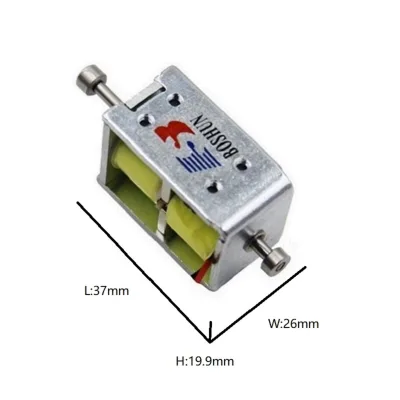


Bistable Latching Solenoid Valve1/2"3/4"6V-24V DC Self-Holding Solenoid Valve
$45.00 - $65.00
MOQ: 1 pieces


Comprehensive Sourcing Guide
High Temperature Latching Solenoid Valve Sourcing Guide
Sourcing high-temperature latching solenoid valves requires a nuanced understanding of thermal management, material compatibility, and electrical latching mechanisms. Unlike standard continuous-duty solenoids, latching variants maintain their position using permanent magnets or mechanical latches, consuming power only during state changes. This characteristic is critical for applications where energy efficiency and heat dissipation are paramount, particularly in environments where ambient temperatures are already elevated. Buyers must distinguish between valves rated for high ambient temperatures and those capable of withstanding high media temperatures, as these are distinct engineering challenges that dictate material selection and coil insulation classes.
The procurement landscape for these components is fragmented, with suppliers offering a wide array of configurations ranging from direct-acting pistons to diaphragm structures. Observed market data indicates a broad price range from $1 to $250 USD, reflecting significant variations in material quality, certification levels, and actuator types. While the core keyword emphasizes high-temperature performance, many available listings feature standard brass or carbon steel constructions with ordinary temperature ratings. Therefore, buyers must rigorously filter listings to identify products specifically engineered for thermal resilience, ensuring that the "high temperature" claim is supported by verified material specifications and coil insulation standards rather than marketing terminology.
Product Scope and Observed Listing Signals
The current market offers a diverse mix of solenoid valve technologies, including electric and pneumatic actuators, with structures ranging from direct-acting pistons to diaphragm designs. Listings frequently highlight versatility in media handling, covering water, air, oil, and gas, which suggests a broad applicability across industrial and household sectors. However, the presence of "low temperature" and "ordinary temperature" attributes in many listings serves as a critical warning signal; buyers seeking high-temperature solutions must carefully exclude these standard variants. The observed product models, such as GAZCG, YCL11, and XC5404, represent specific manufacturer lineups that may have distinct thermal limits, requiring direct verification of their maximum operating temperatures before inclusion in a procurement list.
Material composition is a primary indicator of thermal capability, with stainless steel and carbon steel being more suitable for high-temperature environments than standard brass. Stainless steel variants, often associated with CE certification and international packing, typically offer better corrosion resistance and thermal stability. Conversely, brass valves, while common in water applications, may suffer from thermal expansion issues or lead leaching at elevated temperatures. Buyers should prioritize listings that explicitly state stainless steel construction and verify the seal materials, such as Viton or NBR EPTM, as these elastomers have different thermal degradation thresholds. The presence of "high pressure" or "high temperature" attributes in a listing is a strong positive signal, but it must be cross-referenced with the valve structure to ensure the design can withstand the combined thermal and mechanical stress.
Technical Specifications to Verify
Verifying the coil insulation class is the most critical technical step for high-temperature applications. Standard solenoid coils may degrade or fail when exposed to elevated ambient heat, so buyers must confirm that the coil is rated for Class H or Class F insulation, which can withstand temperatures of 180°C and 155°C respectively. Additionally, the latching mechanism itself must be evaluated for thermal stability; permanent magnets can lose their magnetic properties if exposed to temperatures exceeding their Curie point. Buyers should request detailed technical datasheets that specify the maximum ambient temperature for the coil and the maximum media temperature for the valve body, ensuring that both limits are above the intended operating conditions.
Port size and connection form also play a significant role in thermal performance and system integration. Observed port sizes range from 1/8" to 2", with thread connections being the most common. Larger port sizes may require more robust actuation forces, which can generate additional heat within the coil if not properly managed. Buyers should verify that the thread standard matches their existing infrastructure, as mismatched threads can lead to leaks that are exacerbated by thermal expansion. Furthermore, the valve structure, whether direct-acting piston or diaphragm, affects the pressure drop and flow characteristics, which can influence the thermal load on the valve during operation. Ensuring that the selected valve structure is compatible with the system's pressure and flow requirements is essential for long-term reliability.
Compliance and Safety Documentation
Compliance with international standards is non-negotiable for high-temperature solenoid valves, particularly in industrial and safety-critical applications. The CE mark is a common certification observed in listings, indicating conformity with health, safety, and environmental protection standards for products sold within the European Economic Area. However, buyers must verify that the CE certification covers the specific high-temperature operating range of the valve, as some certifications may only apply to standard temperature conditions. Additionally, ISO 9001 certification for the manufacturer indicates a robust quality management system, which is crucial for ensuring consistent thermal performance and material integrity across production batches.
Pressure equipment directives and material safety certifications are also vital considerations. If the valve is used in systems involving pressurized media, compliance with relevant pressure equipment directives must be confirmed. Buyers should request material test reports that verify the composition of the valve body and seals, ensuring that they meet the required temperature and pressure ratings. For applications involving potable water, additional certifications such as NSF or WRAS may be necessary, even if the primary focus is on high-temperature performance. It is essential to ensure that all documentation is current and specific to the product model being procured, as generic certificates may not cover the specific thermal and pressure ratings of high-temperature variants.
Cost Drivers and Commercial Terms
The cost of high-temperature latching solenoid valves is influenced by several factors, including material quality, certification levels, and actuator complexity. Stainless steel construction and high-grade seal materials like Viton significantly increase the base cost compared to brass and NBR seals. Similarly, valves with advanced thermal insulation for the coil or those certified for multiple international standards will command a premium. Buyers should expect higher unit prices for valves that are explicitly rated for high temperatures, as these require more rigorous engineering and testing. The observed price range of $1 to $250 USD reflects this variability, with the lower end likely representing standard temperature valves and the higher end covering specialized high-temperature models.
Minimum Order Quantities (MOQs) and payment terms also impact the total cost of ownership. Observed MOQs range from 1 to 5000 units, with higher volumes often unlocking significant discounts. For high-temperature valves, which may have longer lead times due to specialized manufacturing processes, buyers should plan their procurement cycles accordingly to avoid stockouts. Payment terms, such as letters of credit or advance payments, may vary depending on the supplier's reputation and the order size. Buyers should negotiate terms that protect their interests, such as partial payments upon shipment and balance upon receipt, to mitigate the risk of non-delivery or quality issues.
Supplier Qualification and Quality Control
Supplier qualification is a critical step in ensuring the reliability of high-temperature solenoid valves. Buyers should prioritize suppliers with a proven track record in manufacturing thermal-resistant components and those who provide comprehensive technical support. The presence of after-sales services, such as video technical support and online support, indicates a supplier's commitment to customer satisfaction and problem resolution. Additionally, suppliers who offer a warranty, such as the one-year warranty observed in some listings, demonstrate confidence in their product's durability and performance. Buyers should verify the supplier's ability to provide traceability for materials and components, which is essential for quality control and failure analysis.
Quality control processes should be rigorously evaluated, with a focus on thermal testing and pressure testing. Buyers should request evidence of rigorous testing protocols, including thermal cycling tests to simulate real-world operating conditions. Suppliers who conduct 100% inspection of finished products or have robust statistical process control measures in place are preferable. It is also important to verify the supplier's ability to handle customizations, as high-temperature applications may require specific modifications to standard designs. Buyers should ensure that any customizations are clearly documented and tested to ensure they meet the required performance standards.
Long-Term Procurement Checks
Long-term procurement success depends on establishing a robust supply chain that can adapt to changing operational requirements and market conditions. Buyers should regularly review supplier performance metrics, including on-time delivery rates, product quality, and responsiveness to technical queries. Building a relationship with multiple qualified suppliers can mitigate the risk of supply disruptions and provide leverage in negotiations. Additionally, buyers should stay informed about advancements in solenoid valve technology, such as new materials or insulation classes, that may offer improved performance or cost savings. Regular audits of supplier quality systems and product certifications can help ensure ongoing compliance and reliability.
Continuous monitoring of field performance is essential for identifying potential issues early and implementing corrective actions. Buyers should establish a feedback loop with end-users to gather data on valve performance in high-temperature environments, including any failures or maintenance issues. This data can be used to refine procurement specifications and select more suitable products for future orders. Furthermore, buyers should consider the total cost of ownership, including maintenance, replacement, and energy consumption, when evaluating suppliers and products. By taking a holistic approach to procurement, buyers can ensure that their high-temperature solenoid valve investments deliver long-term value and reliability.
FAQs
What actuator types are available for high temperature latching solenoid valves?
Electric and pneumatic actuators are available for these valves. The product list includes electric solenoid valves and pneumatic options, allowing selection based on power supply requirements and application needs.
Which materials are used to construct high temperature latching solenoid valves?
Brass, carbon steel, and stainless steel are used materials. These materials ensure durability and resistance to various media, including water, air, oil, and gas, suitable for different industrial and household applications.
Can these valves operate under high pressure conditions?
Yes, some models are designed for high pressure operation. The product specifications indicate availability of high pressure variants alongside ordinary and low pressure options to meet diverse system requirements.
What certifications do high temperature latching solenoid valves typically hold?
CE and ISO9001 certifications are commonly available. These standards ensure compliance with safety and quality requirements, providing assurance for industrial usage and international sourcing needs.
How are high temperature latching solenoid valves packaged for shipping?
They are packed in plywood cases, PP bags, or international packing. This ensures safe transport and protection during logistics, with options like plywood cases suitable for bulk industrial shipments.
Which valve structures are used in high temperature latching solenoid valves?
Direct-acting piston and direct action diaphragm structures are used. These designs provide reliable flow control and safety functions, suitable for applications requiring precise media management in various temperature ranges.
What warranty and after-sales support are provided for these valves?
A 1-year warranty is standard with video and online technical support. This ensures long-term reliability and assistance for installation or troubleshooting issues in industrial and household settings.