Source High Temperature Resistance Diaphragm Pump for Chemical, Water, and Coating
Explore 30 verified listings for High Temperature Resistance Diaphragm Pump options suitable for chemical coating, water treatment, and industrial fluid transfer. Buyers can compare specifications like flow rates, material types, and pressure ratings to find the right solution.
Key considerations
Products List


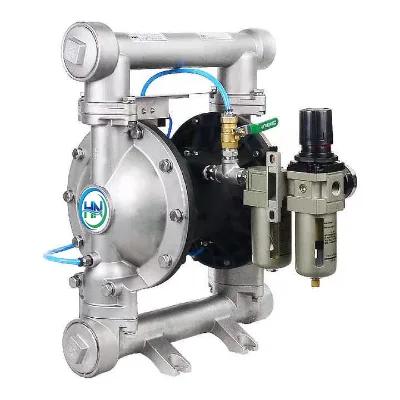
Durable High Pressure Plastic Diaphragm Pump for Chemical Applications
$11916.00 - $14082.00
MOQ: 1 Pieces




Comprehensive Sourcing Guide
Strategic Sourcing Guide for High Temperature Resistance Diaphragm Pumps
Procuring a high-temperature resistance diaphragm pump requires a meticulous alignment between the fluid dynamics of the application and the material science of the pump components. In the industrial sector, these pumps are critical for transferring aggressive chemicals, viscous slurries, and hot liquids where mechanical seals would fail. The selection process must move beyond generic specifications to a granular analysis of material compatibility, thermal limits, and certification validity. This guide outlines the essential factors for buyers to consider when sourcing these specialized fluid handling units, ensuring operational reliability and safety compliance.
Technical Specifications and Material Compatibility
The core of a diaphragm pump's ability to withstand high temperatures lies in its construction materials. Buyers must verify the specific composition of the pump body, valve seats, and diaphragms, as these components directly dictate thermal endurance. Standard stainless steel bodies offer robust structural integrity, yet the internal wetted parts often require specialized polymers to handle thermal stress without degrading. For instance, pumps utilizing Kynar (PVDF) bodies are frequently selected for their exceptional chemical resistance and ability to maintain structural integrity under thermal load. Similarly, PTFE valve seats provide a non-stick surface that resists chemical attack and maintains sealing properties at elevated temperatures.
The diaphragm material is perhaps the most critical variable. Santoprene back-up diaphragms are noted for their resilience, but the primary diaphragm material must be chosen based on the specific temperature profile of the fluid being pumped. While some units are rated for general chemical coating and water treatment, high-temperature applications demand rigorous verification of the polymer's glass transition temperature. The maximum flow rate is another vital specification; observed data indicates capacities ranging from 57 L/Min to 1060 L/Min depending on the model. A buyer must ensure the selected pump's flow capacity matches the system's demand without causing cavitation or excessive wear, particularly when viscosity changes with temperature.
Furthermore, the power source for these pumps is predominantly pneumatic. Air-operated diaphragm pumps (AODD) are favored in high-temperature environments because they eliminate the risk of electric motor overheating and do not generate sparks. The "Explosion" performance attribute observed in certain models highlights their suitability for hazardous environments where heat and flammable vapors coexist. However, the pneumatic system must be matched with the correct air inlet size, which can vary from 1/2 inch to larger calibers, to ensure sufficient driving force for the specific fluid viscosity and temperature.
Compliance and Certification Verification
In the global supply chain, compliance is not merely a formality but a prerequisite for operational safety and market access. Buyers must demand evidence of recognized certifications that validate the pump's construction and safety features. The presence of CE and ISO9001 certifications is a standard baseline, indicating that the manufacturer adheres to European safety standards and maintains a quality management system. However, the specific certificate content must be scrutinized; a generic "CE Certificate" is less valuable than a detailed declaration of conformity that lists the specific standards met.
When evaluating high-temperature resistance, the certification must explicitly cover the thermal operating range. Buyers should verify if the certification includes testing for thermal shock or sustained high-temperature operation. The material certifications are equally important; a pump body made of Aluminum Alloy may have different thermal expansion characteristics compared to Stainless Steel, and the certification should reflect the material's suitability for the intended service. Additionally, the "No Leak" performance attribute is often tied to specific testing protocols. Buyers should request test reports that demonstrate leak-tight performance under the maximum expected pressure and temperature conditions, rather than relying solely on marketing claims.
It is also essential to check for industry-specific standards. While some pumps are marked as "Standard" in terms of manufacturing, high-temperature applications often require adherence to more rigorous norms regarding pressure ratings and material purity. The "362444cm" or "3" caliber" specifications provided in product data refer to physical dimensions or port sizes, but they do not replace the need for a formal standards compliance document. Buyers must ensure that the supplier can provide a traceable certification for the specific batch of pumps ordered, as material properties can vary between production runs.
Cost Drivers and Pricing Dynamics
The cost of a high-temperature resistance diaphragm pump is influenced by a complex interplay of material costs, manufacturing complexity, and certification overhead. The observed price range in the market is vast, spanning from $0.4 to $14,082, which reflects the diversity of pump sizes, materials, and performance capabilities. A pump priced at the lower end of this spectrum likely utilizes standard materials like plastic or basic aluminum alloy, suitable for moderate temperatures. Conversely, pumps at the higher end typically feature advanced materials such as Kynar (PVDF), specialized diaphragms, and higher flow rates, often exceeding 1000 L/Min.
Material selection is the primary cost driver. Stainless steel and Aluminum Alloy bodies are generally more expensive than plastic alternatives but offer superior durability and thermal resistance. The inclusion of PTFE valve seats and Santoprene diaphragms adds to the unit cost but is essential for high-temperature and chemical-resistant applications. Additionally, the complexity of the pneumatic system and the precision engineering required to achieve "Stall-Free" and "Ice-Free" performance contribute to the final price.
Packaging and logistics also play a significant role in the total cost of ownership. Products shipped in "Carton" packing are generally less expensive than those requiring "Plywood" crates, which are often necessary for heavy-duty industrial pumps or those destined for export to regions with strict import regulations. The weight of the unit, such as the "4kgs" specification noted for certain models, impacts shipping costs, especially for air freight. Buyers should consider the total landed cost, including potential tariffs and insurance, rather than focusing solely on the unit price.
Typical Applications and Operational Environments
High-temperature resistance diaphragm pumps are indispensable in industries where fluid handling involves extreme thermal conditions and aggressive chemical environments. The "Chemical Coating Water Treatment" application is a primary use case, where pumps must handle hot solvents, acids, and alkalis without degradation. In these scenarios, the "No Leak" and "Explosion-Proof" attributes are critical for maintaining safety and environmental compliance. The ability to operate without electricity (Air Operated) makes these pumps ideal for hazardous areas where spark-free operation is mandatory.
Beyond chemical processing, these pumps are used in food and beverage manufacturing, where hot cleaning-in-place (CIP) systems require pumps that can withstand high temperatures and caustic cleaning agents. The "Dry 4m" and "Wet 8m" suction lift capabilities allow for flexible installation in various plant layouts, ensuring that the pump can draw fluid from elevated tanks or distant reservoirs. The "Max Head" of 84m indicates that these pumps can overcome significant vertical distances, making them suitable for multi-story industrial facilities or high-pressure injection systems.
The versatility of these pumps extends to the pharmaceutical and biotechnology sectors, where precise control over fluid transfer is required. The "Stall-Free" advantage ensures that the pump can handle viscous fluids without stalling, which is crucial for maintaining consistent flow rates in sensitive processes. Furthermore, the "Ice-Free" attribute suggests that these pumps can operate in cold environments or handle fluids that might freeze, adding to their versatility in diverse climatic conditions.
Supplier Evaluation and Sourcing Strategy
Evaluating a supplier for high-temperature diaphragm pumps requires a focus on technical expertise and supply chain reliability. Buyers should prioritize suppliers who can demonstrate a deep understanding of material science and fluid dynamics. The origin of the product, often listed as "Shanghai, China" or simply "China," is a common factor, but the specific manufacturing capabilities of the supplier are more important than the geographic location. A supplier with a robust quality control system and a history of delivering certified products is preferable to one with a lower price point but questionable reliability.
The "Customization" attribute is a key differentiator. Suppliers that offer customization can tailor the pump's materials, flow rates, and port sizes to meet specific application requirements. This flexibility is essential for high-temperature applications where off-the-shelf solutions may not suffice. Buyers should inquire about the supplier's ability to modify the pump body, valve seat, or diaphragm material to match the specific thermal and chemical demands of their process.
Lead times and Minimum Order Quantities (MOQ) are also critical factors in the sourcing strategy. The observed MOQ range of 1 to 1000 units suggests that suppliers cater to both small-scale projects and large industrial contracts. Buyers should negotiate lead times that align with their production schedules, as delays in receiving critical fluid handling equipment can halt entire production lines. Additionally, the "Carton Packing with Foam Packaging for Double Me" indicates a commitment to protecting the product during transit, which is a sign of a responsible supplier.
Quality Control and Long-Term Procurement Considerations
Ensuring the long-term reliability of high-temperature diaphragm pumps requires a proactive approach to quality control. Buyers should implement a rigorous inspection protocol that includes verifying the material certifications, checking the physical dimensions against the specified standards, and testing the pump's performance under simulated operating conditions. The "Standard or Nonstandard" designation should be confirmed to ensure that the pump meets the required industry norms.
Long-term procurement considerations also involve the availability of spare parts and maintenance support. The "Back-up Diaphragm" and "Valve Seat" are wear items that will eventually need replacement. A supplier that maintains a stock of compatible spare parts and provides technical support for troubleshooting is essential for minimizing downtime. The "Advantages" listed, such as "Stall-Free" and "Explosion-Proof," should be validated through periodic performance testing to ensure they remain effective over the pump's lifespan.
Finally, buyers should consider the environmental impact and sustainability of the pump. The use of recyclable materials and energy-efficient designs can contribute to a company's sustainability goals. The "Air Operated" nature of these pumps, while requiring compressed air, eliminates the need for electrical power, which can be a significant advantage in terms of energy management and safety. By focusing on these long-term factors, buyers can ensure that their investment in high-temperature resistance diaphragm pumps delivers value and reliability over the life of the equipment.
Comparative Analysis of Key Pump Attributes
To assist in the decision-making process, the following table summarizes the key attributes observed in the product data, highlighting the variations in performance and material composition that buyers should consider.
| Attribute Category | Observation 1 | Observation 2 | Observation 3 |
|---|---|---|---|
| Material | Stainless Steel | Aluminum Alloy | Plastic (PVDF/Kynar) |
| Max Flow Rate | 57 L/Min | 587 L/Min | 1060 L/Min |
| Valve Seat | PTFE | PTFE | PTFE |
| Diaphragm | Santoprene | Santoprene | Santoprene |
| Certification | CE, ISO9001 | CE, ISO9001 | CE, ISO9001 |
| Packing | Carton | Plywood | Carton with Foam |
| Origin | Shanghai, China | China | Made in China |
| Performance | Explosion-Proof | No Leak | Stall-Free, Ice-Free |
| Power Source | Pneumatic | Pneumatic | Air Operated |
This comparison underscores the importance of matching specific attributes to the application's requirements. While the core technology remains consistent, the variations in material and flow capacity dictate the suitability of each pump for different high-temperature scenarios. Buyers must carefully evaluate these factors to select the optimal solution for their specific needs.
FAQs
Can these pumps operate in hazardous environments safely?
Yes, these pumps are designed with explosion-proof performance for hazardous areas. They utilize pneumatic power to eliminate spark risks, making them suitable for chemical coating and water treatment applications where flammable vapors may be present.
What certifications do the high temperature resistance diaphragm pumps hold?
The pumps carry CE and ISO9001 certifications to ensure safety and quality management compliance. These standards verify that the manufacturing process meets European safety norms and that the specific materials like stainless steel or aluminum alloy are validated.
Which materials are used for the pump body and internal components?
Pump bodies are constructed from stainless steel, aluminum alloy, or Kynar PVDF plastic depending on the model. Internal wetted parts include PTFE valve seats and Santoprene back-up diaphragms to ensure chemical resistance and thermal stability during operation.
How much fluid can the pump handle per minute at maximum capacity?
Maximum flow rates vary by model, ranging from 57 liters per minute up to 1060 liters per minute. The specific capacity depends on the selected model, such as the HY80F-KY which offers higher throughput for demanding industrial processes.
What is the maximum suction lift capability for dry and wet conditions?
The pumps can achieve a dry suction lift of 4 to 5 meters and a wet lift of 8 meters. This capability allows flexible installation for drawing fluids from elevated tanks or distant reservoirs without requiring a submerged pump setup.
Are these pumps available for customization to fit specific needs?
Yes, customization is available to tailor the pump to specific application requirements. Buyers can request modifications to materials, flow rates, or port sizes to ensure the unit matches the exact thermal and chemical demands of their unique process.
What is the origin location for these pneumatic diaphragm pumps?
The products originate from Shanghai, China, or generally from China based on the manufacturing facility. This location is consistent across the various models listed, ensuring a centralized supply chain for both standard and customized units.