Source High Temperature Wet And Dry Steam Cleaner for Hotels, Kitchens, and Workshops
Find and compare 30 High Temperature Wet And Dry Steam Cleaner options from verified Chinese manufacturers. Evaluate key specifications such as suction power, voltage, and material to select the ideal unit for commercial or home kitchen cleaning tasks.
Key considerations
Products List

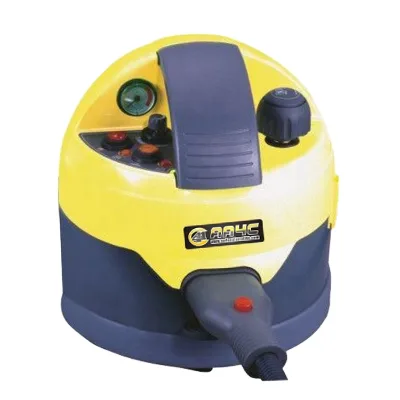


High Pressure Industrial Steam Cleaner with 2 Gun Steam Cleaner Machine
$5400.00 - $7000.00
MOQ: 1 Pieces


Steam Wet and Dry Vacuum Cleaner - Handles Moisture and Debris Efficiently
$23.50 - $25.00
MOQ: 1440 Pieces


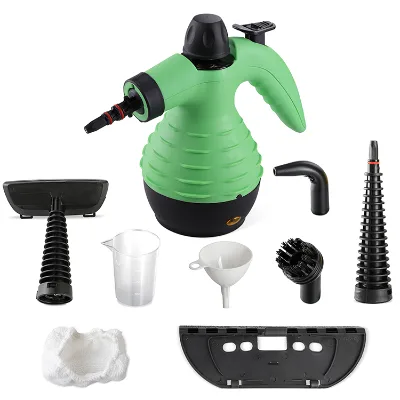

High Pressure Temperature Handheld Electric Steam Cleaner for Car Home Wash
$46.20 - $48.50
MOQ: 558 Pieces

High Pressure Steam Cleaner Handheld Floor Window Disinfector Steamer Cleaner Machine
$46.20 - $48.50
MOQ: 558 Pieces

High Pressure Handheld 9 in 1 Multipurpose Steam Cleaner for House Cleaning
$9.90 - $19.80
MOQ: 2 Pieces


Comprehensive Sourcing Guide
High Temperature Wet And Dry Steam Cleaner Sourcing Guide
Sourcing high-temperature wet and dry steam cleaners requires a nuanced understanding of the diverse capabilities available in the current market. These machines are not a monolithic category; they range from compact, handheld units designed for domestic kitchen hygiene to heavy-duty, commercial-grade systems capable of industrial cleaning tasks. Buyers must first distinguish between devices that rely on traditional steam generation and those that utilize high-pressure hot water systems, as the operational mechanics, maintenance requirements, and end-use applications differ significantly. The core keyword suggests a focus on versatility, implying a need for equipment that can handle both wet and dry debris while leveraging thermal energy for sanitization.
The procurement landscape for these devices is characterized by a wide variance in specifications, origins, and intended use cases. Observations from current listings indicate that manufacturers often bundle multiple product types under similar search terms, leading to potential confusion regarding actual capabilities. For instance, some listings describe handheld vacuum cleaners with specific suction power metrics, while others detail large, stationary hot water high-pressure cleaners with substantial weight and dimensions. This diversity necessitates a rigorous verification process where buyers must align their specific operational needs with the precise technical attributes of the supplier’s offering, rather than relying on broad category labels.
Product Scope and Observed Listing Signals
The observed product scope reveals a fragmented market where distinct machine types are often grouped together. One prominent category includes handheld devices marketed for home kitchen range hood cleaning, which typically feature lower power ratings around 2000W and operate on standard 220V electricity. These units are often lightweight, weighing approximately 1kg, and are designed for portability and ease of use in residential settings. Another distinct category involves commercial-grade hot water high-pressure cleaners, which are significantly larger, heavier, and built for durability in professional environments. These machines may feature dimensions exceeding one meter in length and weigh hundreds of kilograms, indicating a fixed or semi-fixed installation requirement rather than handheld mobility.
Listing signals also highlight variations in customization and branding that can impact procurement decisions. Some suppliers offer customizable options, allowing buyers to tailor specific features to their operational needs, while others provide non-customized, standard models. Brand names such as AA4C and Goclean appear in the market, suggesting that buyers should evaluate the reputation and support infrastructure associated with each brand. Additionally, the presence of specific model numbers, such as GM-01 or MD220, indicates that buyers must reference exact SKUs to ensure they are comparing equivalent specifications. The distinction between wet and dry capabilities is sometimes explicitly stated, such as in color-coded indicators for wet/dry modes, which serves as a critical visual cue for buyers assessing versatility.
Technical Specifications to Verify
When evaluating technical specifications, buyers must prioritize power source and voltage compatibility to ensure seamless integration into existing infrastructure. Most observed units operate on electric power sources, with 220V being a common standard, though variations may exist depending on the region of origin. It is crucial to verify the actual power rating, as some handheld units may have lower wattage compared to commercial systems, which can affect cleaning efficiency and steam generation speed. Additionally, the battery capacity, noted as 2000 mAh in some listings, suggests the availability of cordless or semi-cordless options, which offer greater mobility but require careful assessment of runtime and charging logistics.
Dimensional and weight specifications are equally critical for determining logistical feasibility and operational suitability. Commercial hot water high-pressure cleaners may have dimensions such as 12508501830 mm and weigh up to 560 kg, requiring robust flooring and potentially specialized handling equipment for installation. In contrast, smaller units may have compact dimensions like 385X385X460 mm, making them suitable for storage in tight spaces. Buyers should also verify water consumption rates, which can vary from 2 L to 3.8 L per hour, as this impacts operational costs and water supply requirements. Suction power metrics, such as those below 4000Pa, are relevant for vacuum-integrated models and should be matched against the debris type and volume expected in the cleaning environment.
Compliance and Safety Documentation
Compliance and safety documentation form the backbone of a secure procurement process, particularly for electrical appliances that generate high temperatures and pressure. Certifications such as CE are frequently cited, indicating adherence to European health, safety, and environmental protection standards. However, buyers must verify the scope of these certifications, as some listings may include additional marks like CSA, which pertains to North American safety standards. It is essential to request valid certification documents directly from the supplier to ensure that the specific model being purchased is covered, as certifications may not apply to all variants within a product line.
Beyond electrical safety, buyers should inquire about material standards and manufacturing quality controls. The use of steel material in construction suggests durability, but the specific grade and treatment of the steel can impact corrosion resistance and longevity, especially in wet environments. Standards such as ISO9000 may be referenced, indicating a commitment to quality management systems, but buyers should seek evidence of these certifications rather than accepting them at face value. Additionally, warranty terms, often listed as one year, provide a baseline for post-purchase support, but buyers should clarify what components are covered and whether extended warranty options are available for commercial use.
Cost Drivers and Commercial Terms
Cost drivers for high-temperature wet and dry steam cleaners are influenced by a combination of material quality, technological complexity, and commercial volume. The observed price range of 8.35 to 7000 USD reflects the vast disparity between simple handheld units and complex commercial systems. Factors such as the inclusion of advanced features like temperature adjustment settings, specialized nozzle types, and robust packaging (e.g., wooden boxes for heavy units) contribute to higher costs. Buyers should also consider the total cost of ownership, including energy consumption, water usage, and maintenance requirements, which can vary significantly between models.
Commercial terms, including minimum order quantities (MOQ) and packaging details, play a crucial role in the procurement strategy. MOQs can range from 1 piece to 2000 pieces, allowing for flexibility in purchasing small batches for testing or large volumes for distribution. Packaging methods, such as carton or wooden box packaging, affect shipping costs and product protection during transit. Buyers should negotiate clear terms regarding shipping responsibilities, insurance, and return policies, especially when dealing with high-value items. Understanding these commercial dynamics helps in budgeting accurately and avoiding unexpected expenses related to logistics and handling.
Supplier Qualification and Quality Control
Supplier qualification is a critical step in mitigating procurement risks, particularly when sourcing from diverse geographical origins. The observed products originate from various regions in China, including Anhui, Shanghai, and Hunan, each potentially offering different manufacturing capabilities and quality standards. Buyers should conduct thorough due diligence on suppliers, verifying their business licenses, production capacity, and history of exports. Requesting samples before placing bulk orders allows for hands-on evaluation of build quality, performance, and ease of use, ensuring that the product meets specific operational requirements.
Quality control measures should be explicitly discussed with suppliers to ensure consistent product standards. Buyers should inquire about in-process inspections, final quality checks, and testing protocols for electrical safety and performance. Suppliers who adhere to recognized quality management systems are more likely to deliver reliable products. Additionally, establishing clear communication channels for addressing defects or performance issues is essential. Buyers should define acceptable quality limits and procedures for handling non-conforming products, ensuring that any discrepancies are resolved efficiently without disrupting operations.
Long-Term Procurement Checks
Long-term procurement success depends on establishing robust relationships with suppliers and implementing continuous monitoring mechanisms. Buyers should regularly review supplier performance metrics, including on-time delivery rates, product quality consistency, and responsiveness to issues. Building a diversified supplier base can reduce dependency on a single source and provide leverage in negotiations. Regular audits or site visits, if feasible, can provide deeper insights into manufacturing processes and quality control practices, fostering trust and transparency.
Furthermore, buyers should stay informed about technological advancements and regulatory changes in the steam cleaner industry. Keeping abreast of new features, energy-efficient models, and updated safety standards ensures that procurement strategies remain competitive and compliant. Establishing a feedback loop with end-users can provide valuable insights into product performance in real-world scenarios, guiding future purchasing decisions. By maintaining a proactive approach to supplier management and market analysis, buyers can optimize their procurement processes and achieve long-term value from their investments in high-temperature wet and dry steam cleaners.
FAQs
What is the power rating of the handheld steam cleaner?
The handheld steam cleaner operates at a power rating of 2000W. This high power ensures efficient cleaning performance for home kitchen range hood applications while maintaining a lightweight design of 1kg for easy handling.
Which certifications does the product hold for safety compliance?
The product holds CE and CSA certifications to ensure safety compliance. These standards verify that the electric power source and operational mechanisms meet international safety requirements for commercial and home use applications.
Can the product be customized for specific buyer requirements?
Customization is available for this product to meet specific buyer requirements. Buyers can request tailored specifications while the standard model remains available with a single-pole switch for temperature adjustment settings.
What is the minimum order quantity for purchasing this unit?
The minimum order quantity is 1 piece for this unit. This low MOQ allows buyers to test the product quality before committing to larger orders, with options for single item selling units.
How is the product packaged for safe international shipping?
The product is packaged in wooden cartons or wooden carton boxes for safe international shipping. This robust packaging protects the steel material construction and ensures the unit arrives in new condition without damage.
What is the warranty period for this high pressure cleaner?
The warranty period for this high pressure cleaner is 1 year. This coverage applies to the electric power source and mechanical components, ensuring reliability for commercial applications in various environments.
Which voltage is required to operate this electric cleaner?
This electric cleaner requires a 220V voltage supply to operate. The power resource is electricity, making it suitable for regions with standard industrial and commercial voltage systems for effective cleaning tasks.