Source High Temperature Waterproof Masking Tape for Food, Pharma, Apparel
Find and compare 30 High Temperature Waterproof Masking Tape options from Chinese manufacturers. Evaluate specifications like 60mic thickness, rubber adhesive, and single-sided pressure-sensitive application for industrial use in food, agriculture, and pharmaceutical sectors.
Key considerations
Products List


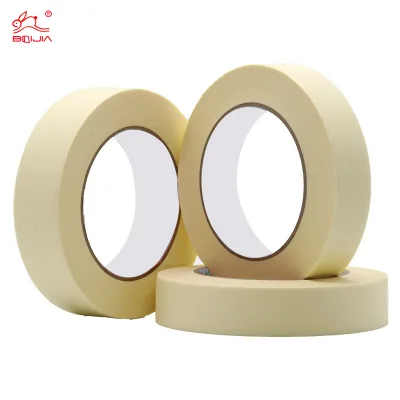
High Temp Waterproof Masking Tape Yellow Sunlight Resistant for Masking Protection Good Adhesion
$0.10 - $0.40
MOQ: 20000 Square Meters




Comprehensive Sourcing Guide
High Temperature Waterproof Masking Tape Sourcing Guide
Sourcing high-temperature waterproof masking tape requires a nuanced understanding of material science and industrial application requirements. This category of adhesive tape is engineered to withstand elevated thermal environments while maintaining resistance to moisture, making it essential for processes such as powder coating, anodizing, and high-heat painting. Buyers must distinguish between standard masking tapes and those specifically formulated with heat-resistant adhesives and durable backing materials. The intersection of "high temperature" and "waterproof" capabilities often dictates the choice between paper-based crepe tapes and synthetic film tapes, each offering distinct advantages in tearability, residue management, and thermal stability.
Procurement decisions in this sector are heavily influenced by the specific industrial use cases, ranging from food and pharmaceutical packaging to apparel and agriculture. While some products in this category are designed for general-purpose masking, others are optimized for harsh chemical or thermal environments. Buyers should evaluate the tape’s performance under both wet and dry heat conditions, as waterproofing does not automatically imply thermal resistance. Understanding the operational parameters of your manufacturing or construction site is critical to selecting a tape that will not degrade, leave residue, or fail to adhere during the curing or processing phase.
Product Scope and Observed Listing Signals
The market for masking tapes presents a diverse array of product specifications, with observed listing prices ranging from $0.01 to $7.90 USD and minimum order quantities (MOQs) varying significantly from 10 to 20,000 units. This wide price and volume disparity reflects the difference between basic consumer-grade tapes and specialized industrial solutions. For instance, some listings highlight standard dimensions such as 48mm or 50mm width with 66m length, packaged in flat or tower shrink configurations, which are typical for general-purpose applications. In contrast, other products may offer customized widths and lengths, catering to specific machinery requirements or bulk industrial needs.
Observed product attributes reveal a mix of backing materials and adhesive types, including polyethylene, OPP membranes, and rubber-based adhesives. Some products are explicitly labeled as waterproof, while others are noted as not waterproof, indicating that buyers must carefully verify the moisture resistance claims against their specific environmental conditions. Additionally, the presence of customization options suggests that many suppliers are willing to tailor product dimensions, packaging, and even adhesive formulations to meet unique client demands. This flexibility is a key signal for buyers seeking long-term supply chain partnerships rather than one-off purchases.
Technical Specifications to Verify
When evaluating technical specifications, buyers should prioritize the verification of thickness, width, and length, as these dimensions directly impact coverage and material usage. Observed data indicates that thicknesses can be as low as 60 microns or customized to specific requirements, while widths commonly range from 18mm to broader industrial sizes. It is crucial to confirm whether the tape is single-sided or double-sided, as this affects its application method and adhesive performance. Furthermore, the hardness of the tape, often described as "soft," is a critical factor for conforming to irregular surfaces, ensuring a clean seal during painting or masking operations.
Adhesive performance metrics, such as tensile strength, elongation at break, and initial tack, provide quantitative measures of the tape’s durability and handling characteristics. For example, some products exhibit a tensile strength of ≥70n/25mm and an adhesion to steel plate of ≥8n/25mm, which are indicative of robust holding power. Buyers should also verify the temperature resistance capabilities, as "high temperature" is a broad term that can range from moderate heat resistance to extreme thermal stability. Confirming the specific temperature limits and the type of adhesive, whether pressure-sensitive or rubber-based, ensures that the tape will perform reliably under the intended thermal conditions.
Compliance and Safety Documentation
Compliance with international standards is a critical component of sourcing industrial tapes, particularly when they are used in regulated industries such as food, pharmaceuticals, and agriculture. Certifications such as SGS and ISO 9001 are commonly cited, indicating that the supplier adheres to rigorous quality management systems and testing protocols. Buyers should request valid certification documents to verify that the manufacturing processes meet these standards, ensuring consistency in product quality and safety. Additionally, while some background information mentions RoHS and CE compliance, these should be explicitly confirmed with the supplier, as they are not universally applicable to all masking tape products.
Safety documentation should also include Material Safety Data Sheets (MSDS) and technical data sheets that detail the chemical composition and handling instructions. For products used in food or pharmaceutical applications, it is essential to verify that the adhesives and backing materials are non-toxic and do not leach harmful substances. The use of water-based glues in some products may offer an advantage in terms of environmental friendliness and ease of cleanup, but this must be balanced against the required durability and resistance properties. Buyers should ensure that all safety and compliance documentation is up-to-date and specific to the product batch being procured.
Cost Drivers and Commercial Terms
Several factors influence the cost of high-temperature waterproof masking tape, including the raw material costs, manufacturing complexity, and customization requirements. The use of specialized adhesives and heat-resistant backing materials, such as polyethylene or OPP, can increase production costs compared to standard paper-based tapes. Customization options, such as specific widths, lengths, and packaging configurations, also add to the overall price. Buyers should be aware that lower MOQs may come with higher per-unit costs, while bulk orders can leverage economies of scale to reduce prices.
Commercial terms, including delivery lead times and payment conditions, play a significant role in the total cost of ownership. Observed lead times of approximately 15 days suggest a relatively quick turnaround for standard products, but customized orders may require additional time. Buyers should negotiate clear terms regarding shipping, insurance, and liability to avoid unexpected costs. Additionally, some suppliers offer best prices to new customers, which can be a valuable opportunity for initial procurement. However, buyers should also consider the long-term value of the product, including its performance and reliability, rather than focusing solely on the initial purchase price.
Supplier Qualification and Quality Control
Supplier qualification is a critical step in ensuring the reliability and consistency of high-temperature waterproof masking tape supplies. Buyers should assess the supplier’s manufacturing capabilities, quality control processes, and track record in the industry. Suppliers with ISO 9001 certification and SGS testing capabilities are generally more reliable, as they have established systems for monitoring and improving product quality. It is also important to verify the supplier’s origin, with many reputable manufacturers located in industrial hubs such as Guangdong and Xiamen in China, which are known for their advanced manufacturing infrastructure.
Quality control measures should include regular testing of key performance indicators, such as adhesion, tensile strength, and temperature resistance. Buyers should request sample products to conduct their own tests and verify that the tape meets their specific requirements. Additionally, suppliers should provide clear documentation of their quality control processes, including inspection reports and test results. Establishing a strong relationship with a qualified supplier can help ensure consistent product quality and timely delivery, reducing the risk of production delays and quality issues.
Long-Term Procurement Checks
Long-term procurement success depends on continuous monitoring of supplier performance and product quality. Buyers should establish key performance indicators (KPIs) to track metrics such as delivery times, product defect rates, and customer satisfaction. Regular audits and reviews of the supplier’s quality control processes can help identify potential issues before they impact production. Additionally, buyers should stay informed about changes in industry standards and regulations that may affect the use of masking tapes in their specific applications.
Building a diversified supplier base can mitigate risks associated with supply chain disruptions and price volatility. Buyers should consider sourcing from multiple suppliers to ensure continuity of supply and competitive pricing. Regular communication with suppliers about future needs and market trends can help foster a collaborative relationship and ensure that the supplier remains aligned with the buyer’s strategic goals. By maintaining a proactive approach to supplier management, buyers can secure a reliable supply of high-temperature waterproof masking tape that supports their operational efficiency and product quality.
FAQs
What is the standard width and thickness for this masking tape?
The standard width is 18mm with a thickness of 60mic, though both dimensions can be customized to meet specific project requirements. The tape features a PP surface material and a rubber adhesive, ensuring reliable performance for various industrial applications while allowing for tailored sizing solutions.
Can this masking tape be used for food and pharmaceutical industries?
Yes, the tape is suitable for industrial use in food, agriculture, apparel, and pharmaceutical sectors. It is designed with a water-based glue and polyethylene backing paper, making it appropriate for these sensitive environments while maintaining its structural integrity and adhesive properties during application.
What certifications does the manufacturer hold for this product?
The manufacturer holds SGS and ISO 9001 certifications, ensuring quality management and product reliability. These credentials verify that the production processes meet international standards, providing buyers with confidence in the consistency and safety of the masking tape supplied for their specific industrial needs.
How long is the delivery time for bulk orders?
The typical delivery time is about 15 days for production and shipment. This lead time allows for efficient planning of supply chain logistics, ensuring that orders are processed and dispatched promptly to meet project deadlines without unnecessary delays in the manufacturing workflow.
Is the tape waterproof or water-resistant?
Product specifications indicate that some variants are waterproof, while others are not waterproof. Buyers should verify the specific model requirements for their application, as the tape's resistance to moisture varies by type, ensuring the correct selection for environments where water exposure is a factor.
What packaging options are available for this masking tape?
Packaging options include 6 rolls flat shrink, 6 rolls tower shrink, and carton packaging. These methods ensure the tape remains protected during transit and storage, maintaining the integrity of the pressure-sensitive adhesive and the PP surface material until the product is ready for use.