Source High Temperature Ytzp Locating Pin for Clamps, Jigs, and Fixtures
Find 30 High Temperature Ytzp Locating Pin options from Chinese manufacturers. Compare stainless steel models with nickel plating, ISO certifications, and CNC machining capabilities for precision manufacturing applications. Evaluate strength levels, customization support, and delivery times to select the right components for your specific industrial needs and ensure quality control.
Key considerations
Products List


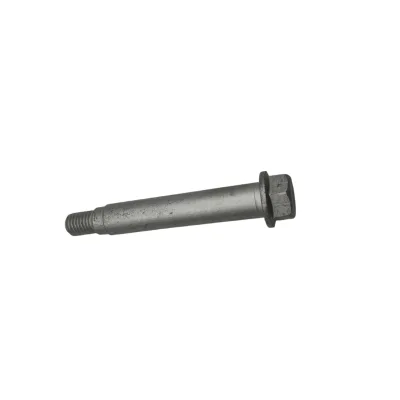


PIN 292385A1 for YNRSP 580SM, 580M, 570LXT, 580L, 580SL, 580SM+ 292-385A1
$48.90 - $72.50
MOQ: 10 Pieces


Comprehensive Sourcing Guide
High Temperature Ytzp Locating Pin Sourcing Guide
Procuring high-temperature yttria-stabilized zirconia (YTZP) locating pins requires distinguishing these ceramic components from the stainless steel and metal fasteners frequently listed in general industrial catalogs. While the provided market data highlights stainless steel pins with nickel plating and CNC machining capabilities, true YTZP pins demand specific ceramic processing verification to ensure they withstand thermal cycling without deforming. Buyers must scrutinize material declarations to confirm the presence of zirconia rather than relying on generic metal descriptions found in standard listings.
The observed product range includes various models like HK AA-0086 and ZLCB, yet these often represent metal hardware rather than advanced ceramic solutions. When searching for high-temperature performance, the buyer must explicitly verify if the supplier possesses the specific ceramic sintering technology required for YTZP. Relying on general customization services without confirming material composition can lead to receiving standard steel pins that fail under the extreme thermal conditions intended for ceramic applications.
Product Scope and Observed Listing Signals
The current market listings predominantly feature stainless steel locating pins with surface finishes like nickel plating and designs ranging from cross shapes to irregular forms. These items often carry model numbers such as ZSELANA or ZJPNG and are described with attributes like "Micro Machining" and "CNC Milling Screw Clamp." However, these signals indicate metal fabrication capabilities rather than the specific high-temperature ceramic properties required for YTZP components, necessitating a careful filter to separate metal hardware from advanced ceramics.
Buyers should note that while customization is widely available and brands like HK AA offer OEM services, the specific material composition for high-temperature resistance is not explicitly confirmed in the general data. The observed price range of 0.01 to 72.5 USD likely reflects the metal variants, which are significantly cheaper than specialized ceramic pins. Consequently, the procurement strategy must focus on identifying suppliers who can bridge the gap between standard metal machining and the specialized ceramic manufacturing needed for YTZP applications.
Technical Specifications to Verify
When evaluating potential suppliers, the primary technical verification must focus on the material composition to ensure the pin is actually made of yttria-stabilized zirconia rather than stainless steel. The observed listings mention strength levels like 8.8 and 4.8, which are standard classifications for metal fasteners, not ceramic hardness or fracture toughness metrics. Buyers must request specific data on the zirconia content, grain size, and sintering temperature to confirm the material can maintain dimensional stability at elevated temperatures.
Dimensional precision and surface finish are equally critical, as the observed products utilize CNC machining for high precision locating pins. While the data confirms micro-machining capabilities and nickel plating for metal parts, ceramic pins require different finishing processes to achieve the necessary tolerance and smoothness without compromising the ceramic structure. The buyer should verify that the supplier can produce the required irregular or cross shapes with the tight tolerances typical of ceramic components, ensuring the pin fits the specific thermal expansion requirements of the application.
Compliance and Safety Documentation
Compliance verification for high-temperature ceramic components involves checking for specific material safety data sheets that address thermal stability and chemical inertness. The observed listings mention certifications like ISO, GS, RoHS, and CE, which are standard for general industrial hardware but do not automatically validate the safety of ceramic materials under extreme heat. Buyers must ensure that the supplier provides documentation specifically confirming the material's compliance with high-temperature operational standards and its non-toxic nature during thermal cycling.
Quality control processes are essential, as the observed data highlights 100% inspection and standards like ISO9001-2008 for general goods. However, for YTZP pins, the inspection protocol must include non-destructive testing methods capable of detecting micro-cracks or porosity that could lead to catastrophic failure at high temperatures. The buyer should demand evidence of thermal shock testing results and specific quality assurance records that demonstrate the supplier's ability to consistently produce ceramic pins that meet rigorous safety and performance criteria.
Cost Drivers and Commercial Terms
The cost of high-temperature YTZP locating pins is driven by the complexity of ceramic sintering and the precision required for micro-machining, which differs significantly from the metal machining costs observed in the general market. While the observed price range is broad and includes low-cost metal items, ceramic pins typically command a higher price due to the specialized raw materials and energy-intensive manufacturing processes involved. Buyers should anticipate a premium for genuine YTZP components and avoid assuming that the low-end prices in general listings apply to high-performance ceramics.
Commercial terms such as lead times and minimum order quantities (MOQ) vary widely, with observed ranges from 1 to 2000 units and delivery times spanning 3 to 35 days. For specialized ceramic orders, lead times may extend beyond the standard 10-25 days for samples observed in the data, as the sintering process requires additional curing time. Buyers must negotiate clear terms regarding batch goods delivery, ensuring that the supplier can meet the specific timeline requirements for high-temperature applications without compromising the quality of the ceramic material.
Supplier Qualification and Quality Control
Supplier qualification for YTZP pins requires verifying that the manufacturer has specific experience in ceramic processing, not just general CNC machining or metal plating. The observed data lists suppliers with services like OEM and ODM, but the buyer must confirm that these services extend to the specialized domain of zirconia ceramics. It is crucial to assess whether the supplier has the necessary equipment for high-temperature sintering and the expertise to handle the unique challenges of machining brittle ceramic materials.
Quality control systems must be robust enough to handle the specific failure modes of ceramic components, such as chipping or thermal cracking. While the observed products mention 100% inspection and standards like SGS IAF, these general protocols may not be sufficient for high-temperature applications. Buyers should require a detailed quality plan that includes specific testing for thermal shock resistance, hardness, and dimensional accuracy, ensuring that the supplier can consistently deliver pins that perform reliably in demanding industrial environments.
Long-Term Procurement Checks
Establishing a long-term procurement relationship for high-temperature YTZP pins involves regular audits of the supplier's ceramic manufacturing capabilities and material consistency. The observed data indicates a focus on standard export packaging and various shipping methods, but long-term success depends on the supplier's ability to maintain the integrity of the ceramic material over repeated production runs. Buyers should implement a schedule for periodic re-verification of material properties to ensure that the supplier has not drifted from the required specifications.
Continuous monitoring of performance in the field is essential to validate the long-term reliability of the ceramic pins under actual operating conditions. The observed after-sales service of three months is a baseline, but high-temperature applications may require extended support and rapid response to any thermal failures. Buyers should establish clear communication channels for feedback and ensure that the supplier is committed to continuous improvement, adapting their processes to enhance the durability and performance of the YTZP locating pins over time.
FAQs
Can I get custom high temperature ytzp locating pins?
Yes, customization is available for these locating pins. The product supports custom designs and shapes, including irregular forms. You can request specific models like HK AA-0086 or ZLCB. OEM and ODM services are provided to meet unique manufacturing needs.
What certifications do these locating pins hold?
These products hold ISO, GS, RoHS, and CE certifications. The manufacturing process adheres to ISO9001-2008 standards. Quality control includes 100% inspection before delivery. These certifications ensure the components meet international safety and quality requirements for industrial applications.
How long is the delivery time for samples?
Sample delivery takes 10 to 25 days for batch goods. Express shipping via FedEx, UPS, or DHL can deliver within 7 days. Standard batch goods require 20 to 35 days for production. Shipping methods include air, sea, and express options depending on urgency.
What material is used for these locating pins?
The pins are made from stainless steel with nickel plating. This material ensures durability and resistance to corrosion. The strength level varies, with options like 8.8 and 4.8 available. The design features a cross shape suitable for high-precision applications.
Which suppliers offer these pins in Guangdong China?
Suppliers in Guangdong China offer these products with specific models like ZSELANA. The origin is confirmed as Guangdong or Handan, Hebei. You can find vendors supporting customization and OEM services. Packaging includes polybags and standard export cartons for safe transport.
What is the minimum order quantity for these pins?
The minimum order quantity ranges from 1 to 2000 units. This flexibility allows small batch testing or large scale production. Pricing is negotiated based on the specific quantity ordered. Customization options are available regardless of the order size within the specified range.
How are these pins packaged for shipping?
Products are packed in polybags with inner PP bubble bags. Standard export cartons are used for bulk shipments. Labels are included on the cartons for identification. This packaging ensures protection during transit via air, sea, or express courier services.