Source Hitch Bike Rack for SUVs, Trucks, and Trailers
Explore 30 Hitch Bike Rack options designed for SUVs, trucks, and trailers. Compare specifications including material, load capacity, and folding features to find the right solution for your vehicle.
Key considerations
Products List


Foldable Simple Hitch Bike Carrier Rack for Car Hitch Bike Rack for Car
$6.99 - $21.99
MOQ: 101 Pieces


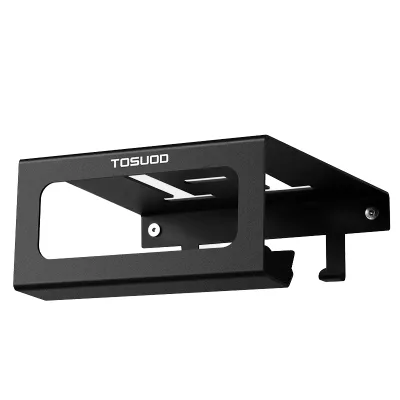
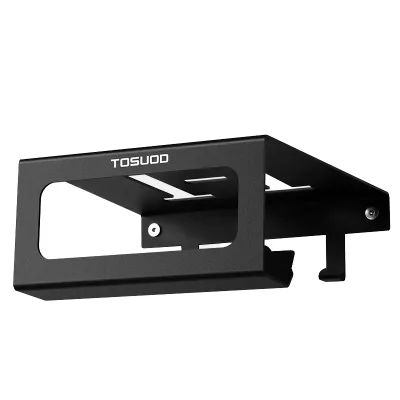


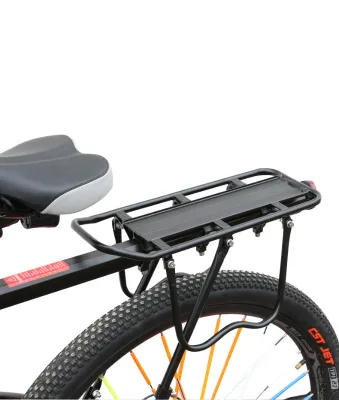
Comprehensive Sourcing Guide
Hitch Bike Rack Sourcing Guide
Sourcing hitch bike racks requires a careful balance between vehicle compatibility, load capacity, and material durability. These racks serve as critical transport solutions for recreational cyclists and professional teams, allowing for the secure carriage of bicycles on the rear of vehicles without occupying interior space. The procurement process involves evaluating various mounting types, such as simple or double-deck configurations, and ensuring that the selected unit aligns with the specific towing capabilities of the fleet or individual vehicles. Buyers must prioritize racks that offer adjustable mobility and foldable designs to enhance storage convenience when not in use.
The market offers a diverse range of options, from universal type racks suitable for various car models to specialized units with custom packaging and logo options for corporate branding. Observations from current listings indicate a wide price spectrum, ranging from approximately $2.25 to $249, reflecting differences in material quality, such as aluminum versus steel, and structural complexity. Minimum order quantities (MOQs) vary significantly, starting from single units for sample testing up to 200 units for bulk industrial procurement. Understanding these variables is essential for developing a sourcing strategy that meets both budgetary constraints and operational requirements.
Product Scope and Observed Listing Signals
The product scope for hitch bike racks encompasses a variety of structural designs, including wall-mounted indoor racks and vehicle-mounted hitch systems. Current market signals indicate that manufacturers offer customization options, allowing buyers to specify packaging types, such as neutral packing or custom branded cartons. Some listings highlight specific models like the HL-SS-100 or PV-0084-01, which may feature distinct package sizes, such as 763813cm or 802216cm. These variations suggest that buyers should verify the exact dimensions of both the product and its packaging to ensure compatibility with warehouse storage and shipping logistics.
Material composition is a key differentiator in the observed listings, with options ranging from lightweight aluminum to robust steel and reinforced concrete structures. While aluminum racks are often preferred for their corrosion resistance and lower weight, steel options provide higher load-bearing capabilities, with some units supporting capacities between 41-50kg. Surface treatments, such as powder coating, are commonly applied to enhance durability and aesthetic appeal. Buyers should note that some listings describe racks as "open" or "closed" and specify whether they are designed for two or three bikes, which directly impacts the selection criteria based on the intended user volume.
Technical Specifications to Verify
When evaluating technical specifications, buyers must verify the mounting type and load capacity to ensure safety and compatibility. Listings indicate the presence of simple type and double-deck car roof rack types, although the core focus remains on hitch-mounted solutions. It is crucial to confirm the gross weight (G.W) and net weight (N.W) of the units, as observed values range from 4.62kg to 150kg depending on the construction material and size. For instance, aluminum racks may weigh around 16.5kg, while heavier steel or concrete-based structures can exceed 150kg, significantly affecting vehicle fuel efficiency and handling.
The structural integrity and finish of the rack are also critical technical factors. Specifications such as "Selective Pallet Racking" or "Tool Rack" structures suggest versatility in design, but for hitch applications, the focus should be on the stability of the bike holding mechanism. Buyers should verify if the rack features adjustable components to accommodate different bike frames and wheel sizes. Additionally, the presence of accessories for selling and the option for customized logos indicate that suppliers may offer value-added services. It is advisable to request detailed technical drawings to confirm the exact dimensions, such as 595545560mm, and to ensure that the rack’s design does not obstruct vehicle lights or license plates.
Compliance and Safety Documentation
Compliance with safety standards is paramount when sourcing hitch bike racks, as these devices carry significant loads at speed. Buyers should verify that suppliers hold relevant certifications, such as TUV and GS, which indicate adherence to rigorous safety and quality benchmarks. Some listings mention CE, ISO, OEM, and ODM standards, suggesting that manufacturers may comply with international quality management systems and European conformity requirements. It is essential to request copies of these certificates to ensure that the products meet the regulatory requirements of the destination market.
In addition to certifications, buyers should inquire about the testing procedures used to validate load capacity and durability. While specific test results are not provided in the observed data, reputable suppliers should be able to demonstrate that their racks have undergone stress testing to ensure they can safely handle the maximum stated load. The surface treatment, such as powder coating, should also be verified for its resistance to corrosion and weathering, which is critical for outdoor use. Ensuring that the rack is designed with safety features, such as secure locking mechanisms and reflective elements, can further enhance compliance with road safety regulations.
Cost Drivers and Commercial Terms
Cost drivers for hitch bike racks include material selection, manufacturing complexity, and customization requirements. Aluminum racks typically command a higher price due to the cost of raw materials and the processing involved, while steel options may be more cost-effective for bulk orders. The observed price range of $2.25 to $249 reflects these variations, with higher prices associated with premium materials, advanced features like double-deck designs, and custom packaging. Buyers should consider the total cost of ownership, including shipping and handling, which can be influenced by the package size and weight.
Commercial terms such as MOQ and lead times are also significant factors in the procurement process. With MOQs ranging from 1 to 200 units, buyers have flexibility to start with small orders for testing or scale up for larger projects. It is important to negotiate clear terms regarding payment methods, shipping responsibilities, and warranty coverage. Suppliers offering factory direct sales may provide more competitive pricing, but buyers should still compare multiple quotes to ensure value. Additionally, the availability of professional service and after-sales support can impact the overall cost-effectiveness of the procurement decision.
Supplier Qualification and Quality Control
Supplier qualification involves assessing the manufacturer’s production capabilities, quality control processes, and reputation. Buyers should verify that the supplier is a factory direct entity, as indicated in some listings, to ensure better control over quality and pricing. It is advisable to request samples to evaluate the build quality, finish, and functionality of the racks before committing to large orders. Suppliers with experience in OEM and ODM services may offer greater flexibility in meeting specific design and branding requirements.
Quality control measures should include regular inspections of raw materials, production processes, and finished products. Buyers should inquire about the supplier’s quality management system and whether they conduct random sampling or 100% inspection before shipment. The use of standardized packaging, such as cartons or wooden cases, helps protect the products during transit and reduces the risk of damage. Establishing a clear communication channel with the supplier for addressing any quality issues or defects is essential for maintaining a successful long-term partnership.
Long-Term Procurement Checks
Long-term procurement checks focus on maintaining supplier performance and adapting to market changes. Buyers should regularly review supplier performance metrics, such as on-time delivery rates, product quality consistency, and responsiveness to issues. Establishing a periodic review process allows for the identification of potential risks and opportunities for improvement. It is also important to stay informed about industry trends, such as new materials or designs, to ensure that the sourced racks remain competitive and meet evolving customer needs.
Sustainability and ethical sourcing practices are increasingly important in procurement decisions. Buyers should verify that suppliers adhere to environmental standards and ethical labor practices, which can enhance brand reputation and reduce regulatory risks. Additionally, considering the end-of-life disposal or recycling of the racks can contribute to a more sustainable supply chain. By maintaining a proactive approach to supplier management and market analysis, buyers can ensure a resilient and efficient procurement process for hitch bike racks.
FAQs
What materials are used for hitch bike racks?
Hitch bike racks are primarily constructed from aluminium or steel. Some heavy-duty industrial variants may utilize steel and reinforced concrete for stability. The choice of material impacts the overall weight and load capacity, with aluminium offering lighter options for easier handling and steel providing robust durability for heavier loads.
Can hitch bike racks be customized with a logo?
Yes, customization is available for many Hitch Bike Rack models. Buyers can often request customized logos and specific packaging options, including neutral packing or custom packaging. This allows businesses to brand their products effectively while maintaining the structural integrity and functionality required for secure bike transport.
What certifications do hitch bike racks typically have?
Quality hitch bike racks often carry certifications such as TUV and GS to ensure safety and compliance. These standards verify that the product meets rigorous engineering and safety requirements. Buyers should verify specific certification documents with suppliers to ensure the racks meet the regulatory standards of their target export markets.
How much weight can a Hitch Bike Rack hold?
Load capacities vary by model, with some roof racks supporting 41-50kg. Hitch racks generally accommodate two or three bikes depending on the design. The gross weight of the rack itself ranges from approximately 4.62kg to 16.5kg for standard models, while industrial types may weigh significantly more.
Are hitch bike racks foldable for storage?
Many modern hitch bike racks are designed to be foldable. This feature allows for compact storage when not in use, saving space in garages or vehicles. The foldable design often includes adjustable mobility features to accommodate different bike sizes and ensure secure transport while maintaining ease of use for the owner.
What is the typical packaging for hitch bike racks?
Hitch bike racks are typically packed in cartons for standard shipping. Some larger or heavier industrial units may require wooden cases for protection. Individual packing is common, and options for sea or air freight packaging are available to ensure the product arrives without damage during international transit.