Source Hollow Acrylic Rod for Lighting, Decoration, and Advertising
Find 30 Hollow Acrylic Rod options for lighting, decoration, and advertising. Compare transparent and colored PMMA rods with diameters from 3-100mm, available in round or square shapes with cutting and extrusion services.
Key considerations
Products List


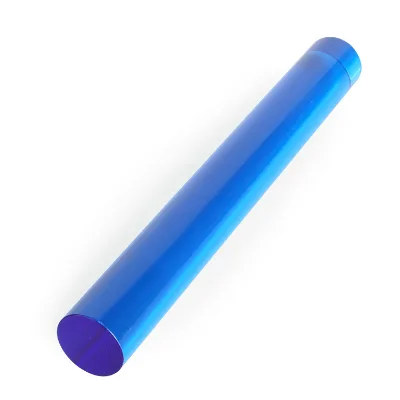

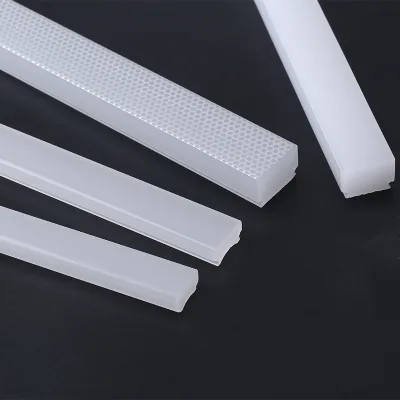

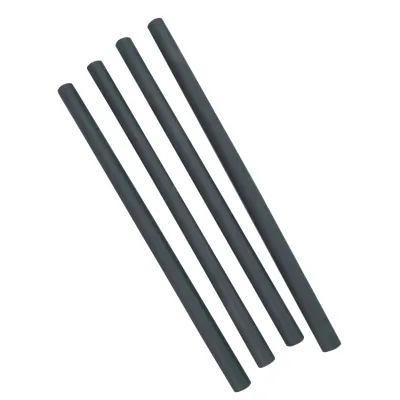
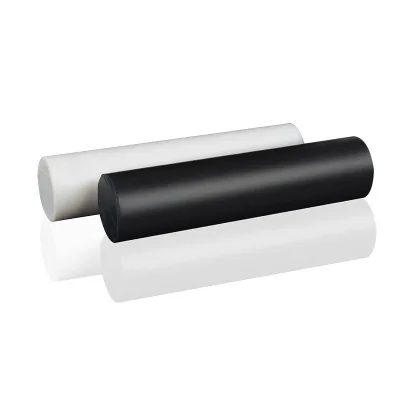


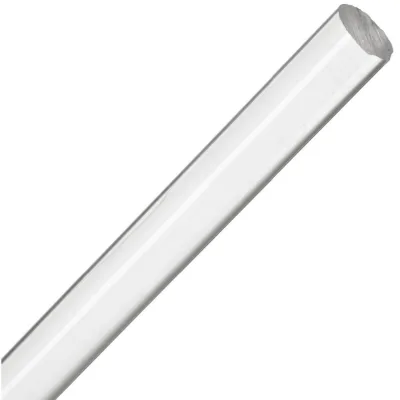
Comprehensive Sourcing Guide
Hollow Acrylic Rod Sourcing Guide
Sourcing hollow acrylic rods requires a nuanced understanding of material properties, manufacturing processes, and commercial terms that differ significantly from solid extrusions. Buyers must navigate a market where customization is prevalent, with suppliers offering varying degrees of flexibility in shape, size, and color. The core keyword "Hollow Acrylic Rod" often intersects with broader categories such as PMMA tubes, acrylic pipes, and plastic solid rods, depending on the specific geometric requirements of the end product. Understanding these distinctions is critical for accurate supplier communication and precise quotation requests.
The procurement landscape for these components is characterized by a wide range of available services, including cutting, extrusion molding, and machining. Suppliers frequently highlight their ability to provide third-party inspections and in-house quality control, which are essential for maintaining consistency in high-volume orders. Buyers should recognize that while many listings advertise similar base materials, the actual performance characteristics—such as tolerance levels, surface finish, and optical clarity—can vary substantially between manufacturers. Therefore, a disciplined approach to verification is necessary to ensure that the sourced components meet the specific engineering and aesthetic demands of the final assembly.
Product Scope and Observed Listing Signals
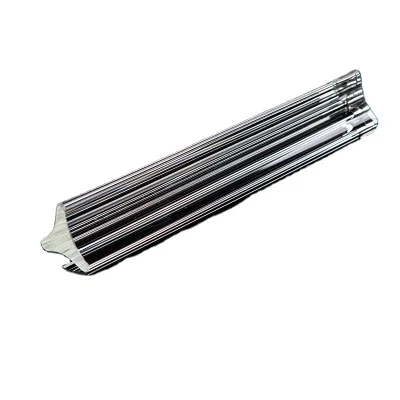
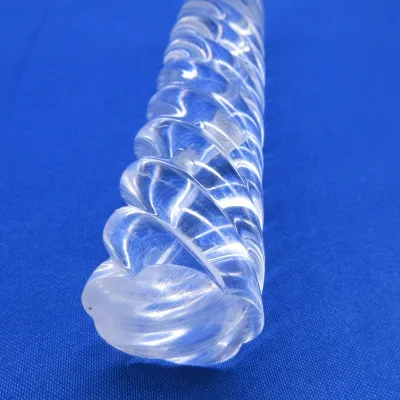
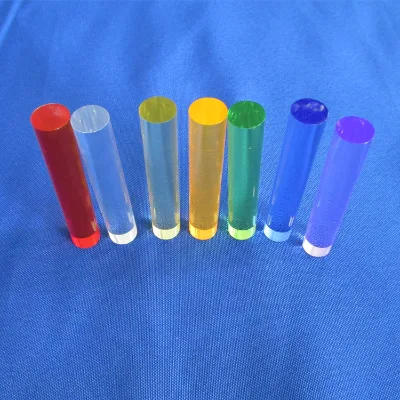
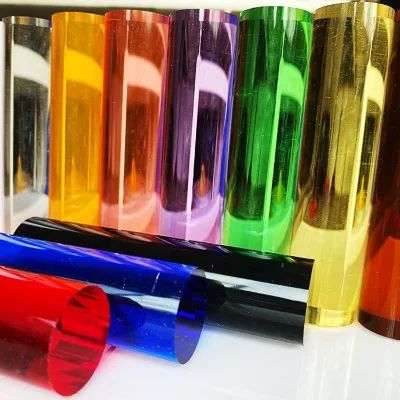
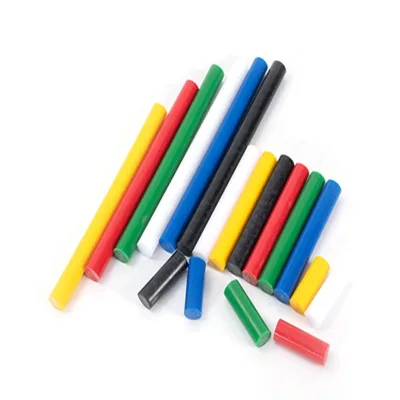
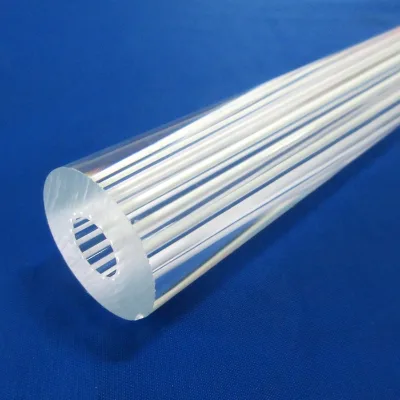
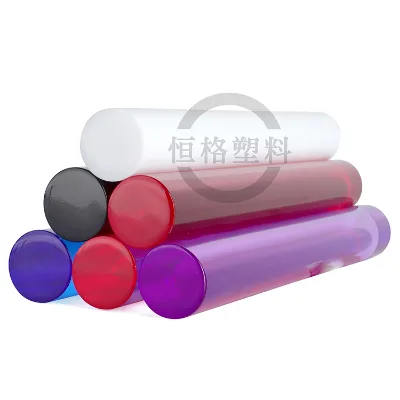
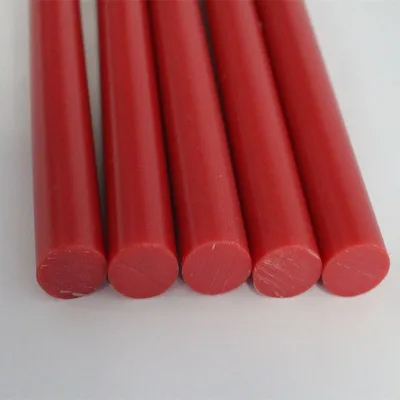
The observed product listings reveal a diverse array of configurations, ranging from standard round profiles to customized square, triangular, and other specialized shapes. Key attributes frequently cited include the use of virgin PMMA material, which ensures high optical clarity and durability, as well as the availability of various finishes such as transparent, milk white, frosted, and colorful options. These variations cater to a broad spectrum of applications, including lighting fixtures, decorative elements, advertising displays, and gift items. The presence of both "hollow" and "solid" descriptors in some listings indicates that buyers must clearly specify whether they require a tubular structure or a solid rod, as the manufacturing processes and cost structures differ accordingly.
Pricing and minimum order quantities (MOQ) exhibit significant variability, with observed price ranges extending from low-cost entry points to premium tiers exceeding several thousand dollars for specialized orders. MOQs are similarly flexible, starting as low as single units for samples and scaling up to thousands of kilograms for bulk production. This flexibility allows small-batch prototyping but introduces complexity in cost forecasting for larger volumes. Buyers should note that packaging methods, such as PE protective film and carton boxes, are standard but can be customized, and single package weights vary based on the dimensions and density of the specific rod configuration.
Technical Specifications to Verify
Dimensional accuracy is a primary technical concern, with observed tolerance levels as tight as ±0.05mm for certain high-precision offerings. Diameter ranges typically span from 3mm to 100mm, with some suppliers offering fully customized diameters to meet unique design requirements. Length specifications are often flexible, with standard options like 2000mm available alongside custom cuts based on buyer requests. It is crucial for buyers to verify whether the supplier can maintain consistent wall thickness in hollow variants, as this directly impacts structural integrity and aesthetic uniformity. Misalignment between requested dimensions and actual delivered specifications can lead to assembly failures or increased waste during fabrication.
Surface quality and material purity are equally critical factors that influence the final product's performance. Listings often mention that each rod is individually polished, which enhances optical clarity and reduces the need for post-processing. The material composition is predominantly identified as virgin PMMA, which offers superior weather resistance and UV stability compared to recycled alternatives. Buyers should confirm the specific grade of PMMA used, as different grades may exhibit varying levels of impact resistance and thermal stability. Additionally, the availability of custom shapes and colors should be validated against the supplier’s actual production capabilities, as some "custom" claims may involve significant lead time extensions or minimum volume thresholds.
Compliance and Safety Documentation
Regulatory compliance is a non-negotiable aspect of sourcing acrylic components, particularly for applications involving consumer goods, lighting, or food-adjacent environments. Suppliers may provide certifications such as ISO9001 for quality management systems and SGS-CSTC for product testing, which serve as indicators of manufacturing discipline. However, buyers must independently verify the validity and scope of these certifications, ensuring they cover the specific product lines and materials being procured. The presence of REACH compliance is another critical factor, especially for European markets, as it ensures that the PMMA material does not contain restricted substances that could pose health or environmental risks.
Documentation should also include material safety data sheets (MSDS) and test reports that confirm the material’s compliance with relevant industry standards. Buyers should request evidence of third-party testing for key performance indicators, such as tensile strength, flexural modulus, and light transmission rates. While some listings mention "trusted category knowledge," buyers must not assume that all suppliers adhere to the same rigorous testing protocols. Establishing a clear requirement for documented compliance before placing orders helps mitigate the risk of receiving non-conforming materials that could jeopardize the end product’s certification or market acceptance.
Cost Drivers and Commercial Terms
Several factors influence the total cost of ownership for hollow acrylic rods, including material grade, dimensional complexity, and surface finish requirements. Virgin PMMA is generally more expensive than recycled alternatives, but it offers superior consistency and performance, which can reduce downstream processing costs. Customization of shape, size, and color adds to the base price due to the need for specialized tooling or production adjustments. Buyers should also consider the impact of packaging requirements on shipping costs, as improper packaging can lead to damage during transit, resulting in additional replacement costs and project delays.
Commercial terms such as delivery time and payment conditions play a significant role in procurement planning. Observed delivery times range from 7 to 15 days for standard orders, but customized or high-volume orders may require longer lead times. Buyers should negotiate clear delivery schedules and penalties for delays to protect their supply chain continuity. Sample policies are often subject to negotiation, and buyers should clarify whether sample costs are refundable upon placing a bulk order. Understanding these commercial nuances allows for more accurate budgeting and reduces the risk of unexpected expenses during the procurement process.
Supplier Qualification and Quality Control
Evaluating supplier capabilities requires a thorough assessment of their manufacturing infrastructure and quality control processes. Buyers should prioritize suppliers who offer in-house control and customization options, as these indicate a higher level of operational flexibility and technical expertise. The ability to conduct third-party inspections is a positive signal, but buyers should also request details on the supplier’s internal quality assurance protocols, including how they monitor dimensional accuracy and surface defects during production. Suppliers with a proven track record in serving industries such as lighting and decoration are often more reliable in meeting specific aesthetic and functional requirements.
Supply ability and logistical capacity are also key indicators of supplier reliability. Listings may claim high monthly or daily production capacities, but buyers should verify these figures through references or site audits if possible. Consistency in supply is critical for maintaining production schedules, and suppliers with robust logistics networks can better handle urgent orders or volume fluctuations. Additionally, buyers should assess the supplier’s responsiveness to technical queries and their willingness to collaborate on design optimizations. A proactive supplier can provide valuable insights into material selection and manufacturing processes, ultimately enhancing the quality and cost-effectiveness of the sourced components.
Long-Term Procurement Checks
Establishing a long-term procurement strategy involves regular performance reviews and continuous improvement initiatives. Buyers should track key metrics such as on-time delivery rates, defect percentages, and responsiveness to issues to identify potential risks early. Regular audits of supplier quality systems can help ensure that standards are maintained over time, especially as production volumes increase or product designs evolve. Building a strong relationship with suppliers based on transparency and mutual benefit can lead to better pricing, priority treatment during peak seasons, and collaborative innovation in material development.
Market monitoring is essential for staying informed about changes in material costs, regulatory requirements, and technological advancements in acrylic manufacturing. Buyers should periodically reassess their supplier base to ensure they are leveraging the most competitive and capable partners available. Engaging with multiple suppliers for different product lines or volume tiers can mitigate supply chain risks and provide leverage in negotiations. By maintaining a disciplined approach to supplier management and continuous evaluation, buyers can secure a reliable supply of high-quality hollow acrylic rods that support their long-term business objectives.
FAQs
What customization options are available for hollow acrylic rods?
Customization is available for shape, size, and color. Buyers can request specific dimensions like diameters from 3 to 100mm or lengths up to 2000mm. The material is virgin PMMA, and colors include transparent, milk white, frosted, or customized options.
Can I get third-party inspection for these acrylic rods?
Yes, third-party inspection is acceptable for these products. The manufacturing process includes extrusion molding or machining with in-house control. This ensures quality standards are met before the goods are shipped from the origin locations.
What is the typical lead time for delivery of acrylic rods?
The delivery time is typically 7 to 15 days after order confirmation. This timeline applies to standard orders with a minimum order quantity of 50 kg. The supply ability supports up to 100,000 cartons per month for larger volumes.
How are the acrylic rods packaged for shipping?
Each rod is individually polished and covered with PE protective film. They are then packed in carton boxes, sometimes with wooden frames for container shipping. The single package size varies, often around 25x10x10 cm or 10x10x10 cm depending on the item.
Which certifications do these hollow acrylic rods hold?
The products hold ISO9001 and SGS-CSTC certifications. Some listings also mention ISO and REACH certificates. These standards ensure the virgin PMMA material meets international quality and safety requirements for applications in lighting and decoration.
What are the available shapes for the acrylic rods?
Available shapes include round, square, triangle, or customized forms. The diameter can range from 3mm to 100mm or be fully customized. These rods are suitable for various applications such as crafts, furniture, and advertising displays.
Where are these acrylic rods manufactured and shipped from?
The products originate from Shanghai and Guangdong, China. The port of dispatch is typically Guangzhou. Buyers can expect the goods to be sourced from these established manufacturing hubs in China.