Source Horizontal Liquid Nitrogen Booster Pump for Medical, Industrial, and Irrigation
Find 30 verified suppliers offering horizontal liquid nitrogen booster pumps tailored for medical gas manufacturing, industrial utilities, and irrigation systems. Compare specifications including pressure, flow rates, and customization options to select the ideal pump for your operational needs.
Key considerations
Products List


Horizontal Single Stage Centrifugal Pump/Booster Pump/Horizontal Circulation Pump
$1500.00 - $11200.90
MOQ: 1 Pieces
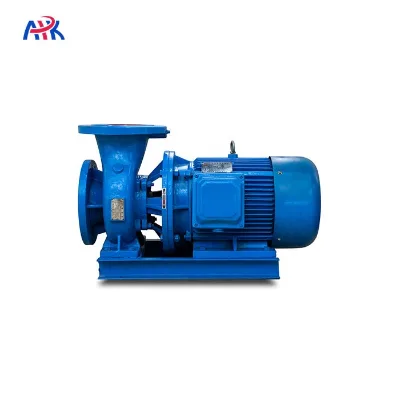


High-Performance Liquid Gas Nitrogen Booster Pump for Efficient Distribution
$2500.00 - $3500.00
MOQ: 1 Pieces


Comprehensive Sourcing Guide
Strategic Sourcing Guide for Horizontal Liquid Nitrogen Booster Pumps
Understanding Technical Specifications and Performance Parameters
When sourcing a Horizontal Liquid Nitrogen Booster Pump, the primary objective is to identify equipment capable of handling cryogenic fluids under high-pressure conditions while maintaining operational stability. The core keyword implies a system designed for gas manufacturing applications, specifically targeting the compression and transfer of liquefied gases. Based on observed industry data, buyers must verify that the selected unit operates within a maximum pressure range of up to 120MPa. This high-pressure capability is essential for booster applications where the initial supply pressure is insufficient for downstream processes.
The mechanical configuration is equally critical. The product attributes indicate a preference for horizontal split pump casings, which facilitate easier maintenance and inspection of internal components without dismantling the entire piping system. The pump shaft is positioned horizontally, aligning with standard industrial installation practices that optimize space utilization and reduce foundation complexity. The impeller design is a single-stage, semi-open configuration, which is often selected for its ability to handle specific fluid characteristics while minimizing clogging risks. The flow capacity for such units typically ranges from 6.3 to 400 cubic meters per hour, with some high-capacity models reaching up to 1200 cubic meters per hour. The head pressure, representing the height the fluid can be lifted or the pressure generated, generally spans from 5 meters to 125 meters, with specific high-performance variants exceeding 150 meters.
The driving mechanism is predominantly electric, utilizing motors with speeds of either 2900r/Min or 1450r/Min. These rotational speeds allow for flexibility in matching the pump's performance curve to the specific requirements of the liquid nitrogen system. The inlet diameter for these pumps varies significantly, ranging from 50mm to 200mm, ensuring compatibility with various pipeline sizes. The outlet size is similarly adaptable, spanning from 32mm to 350mm. Buyers should note that the physical dimensions of the machine are classified as "Medium," with standard packaging often involving wooden cases or plywood crates to ensure safe transport. The cable length for the motor connection is typically observed at 8 meters, which simplifies initial electrical hookups but may require extension in complex plant layouts.
Compliance, Certification, and Material Integrity
In the procurement of high-pressure cryogenic equipment, compliance with international standards is non-negotiable. The supply chain for these pumps frequently involves manufacturers operating under ISO and CE certifications. These certifications serve as indicators that the product meets specific safety, health, and environmental protection requirements. When evaluating a potential supplier, buyers must explicitly request proof of these certifications rather than accepting them as implied attributes. The presence of ISO and CE marks suggests adherence to rigorous design and manufacturing protocols, which is vital for equipment operating at pressures up to 120MPa.
Material selection is another critical compliance factor. The pumps are constructed using cast iron or stainless steel. For liquid nitrogen applications, the choice of material is dictated by the need to withstand extreme cold temperatures without becoming brittle. Stainless steel is often preferred for its superior cryogenic toughness and corrosion resistance, whereas cast iron may be used for specific non-critical components or lower-pressure sections. Buyers must verify the specific grade of stainless steel or the quality of the cast iron to ensure it meets the cryogenic service requirements. The "New" condition of the products listed indicates that the market supply consists of freshly manufactured units, reducing the risk of fatigue-related failures common in refurbished equipment.
Furthermore, the customization options available, including OEM and ODM support, allow buyers to tailor the pump to specific regulatory environments. Customization can extend to the mounting height, which should be compatible with irrigation centrifugal pump standards or specific facility requirements. The "Low" noise level is a significant attribute for compliance with workplace safety regulations, particularly in enclosed industrial settings or facilities with strict environmental noise ordinances. Ensuring the pump meets these acoustic standards is part of a broader compliance strategy that includes pressure vessel regulations and electrical safety codes.
Cost Drivers and Pricing Dynamics
The pricing for horizontal liquid nitrogen booster pumps is highly variable, influenced by a complex matrix of technical specifications and market factors. The observed price range in the market spans from $15 to $50,000 USD. This wide disparity is not indicative of quality variance alone but reflects the vast differences in capacity, pressure ratings, material composition, and brand positioning. A unit priced at the lower end of the spectrum likely serves smaller-scale applications with lower flow rates and pressure requirements, whereas units approaching the upper limit are engineered for industrial-scale gas manufacturing with high-pressure capabilities and advanced material treatments.
Several key factors drive the cost of these pumps. First, the maximum pressure rating is a primary cost driver. Pumps capable of withstanding 120MPa require more robust engineering, higher-grade materials, and more stringent quality control, all of which increase the manufacturing cost. Second, the flow capacity and head pressure directly impact the size of the motor and the complexity of the impeller design. Larger motors and more precise impeller geometries contribute to higher prices. Third, the material composition plays a significant role; stainless steel components are generally more expensive than cast iron equivalents due to raw material costs and machining complexity.
The minimum order quantity (MOQ) also influences the effective unit cost. The observed MOQ range is between 1 and 100 units. Buyers purchasing a single unit for a pilot project or small-scale application may face a higher per-unit cost compared to those ordering in bulk. However, the availability of customization support, such as OEM and ODM services, can introduce additional costs. These services involve engineering time, tooling, and specific manufacturing adjustments that are not included in the base price of standard models. Delivery time, observed at approximately 10 days, can also affect pricing, particularly if expedited shipping is required to meet project deadlines. Buyers should factor in the total cost of ownership, including installation, maintenance, and potential downtime, rather than focusing solely on the initial purchase price.
Typical Applications and Operational Context
Horizontal liquid nitrogen booster pumps are versatile assets deployed across a diverse array of industries. The primary application field identified is gas manufacturing, where these pumps are essential for compressing and transferring liquid nitrogen to meet process demands. However, the utility of these pumps extends far beyond this single sector. The observed application list includes the automotive industry, where they are used in testing and cooling processes, and the biofuel industry, where cryogenic separation is a key step.
Commercial buildings and HVAC OEMs utilize these pumps for large-scale cooling systems and refrigeration applications. In the realm of public infrastructure, they are integral to developing world water solutions and district energy systems, providing reliable fluid transfer for large-scale heating and cooling networks. Drinking water treatment facilities also rely on these pumps for various stages of the purification process. Furthermore, the pumps are suitable for industrial boilers and utilities, where high-pressure fluid transfer is required for steam generation and system pressurization.
The versatility of the pump is further highlighted by its suitability for irrigation and agriculture, as well as family homes and commercial buildings. This broad applicability suggests that the design is robust enough to handle varying fluid dynamics and environmental conditions. The "Low" noise level makes these units particularly suitable for applications in commercial buildings and family homes, where acoustic comfort is a priority. The ability to operate as a single-suction pump with a semi-open impeller allows for efficient handling of liquids in these varied contexts, ensuring that the pump can adapt to the specific needs of each industry without requiring a complete system overhaul.
Supplier Evaluation and Quality Assurance
Evaluating a supplier for horizontal liquid nitrogen booster pumps requires a rigorous approach to verifying their capabilities and reliability. The supply chain for these products is often centered in China, with specific origins noted in regions like Henan. Buyers should prioritize suppliers who demonstrate a clear track record of producing "New" condition equipment with verified certifications. The availability of OEM and ODM support is a strong indicator of a supplier's flexibility and technical competence. A supplier that can offer customization is better positioned to meet the unique requirements of a specific project.
Quality control is paramount, especially given the high-pressure nature of the equipment. Buyers should request detailed documentation regarding the manufacturing process, including material test reports and pressure testing results. The "Low" noise level and "Horizontal" installation type are attributes that should be verified through on-site testing or third-party inspection reports. The warranty period, typically observed at 24 months, is a critical metric for assessing supplier confidence in their product. A longer warranty period often indicates a higher standard of quality control and a commitment to after-sales support.
The packaging method, such as wooden packing or plywood cases, is another aspect of supplier evaluation. Proper packaging ensures that the pump arrives in pristine condition, free from transit damage. Buyers should also consider the lead time, which is observed at 10 days. A consistent and reliable lead time is essential for project planning and scheduling. Suppliers who can consistently meet their delivery commitments are more likely to be reliable partners for long-term procurement relationships. Finally, the brand name, such as APK, can be a factor in supplier selection, as established brands often have a reputation for quality and reliability. However, buyers should not rely solely on brand recognition but should conduct due diligence on the specific manufacturer's capabilities.
Long-Term Procurement and Maintenance Considerations
Sourcing a Horizontal Liquid Nitrogen Booster Pump is not merely a transactional event but a strategic decision that impacts long-term operational efficiency. The "24 months" warranty period provides a baseline for initial support, but buyers must plan for the lifecycle of the equipment beyond this period. Maintenance requirements for high-pressure pumps are significant, and the availability of spare parts, such as filters, is crucial. The product attributes indicate that filters are available, which is essential for maintaining the purity and flow of the liquid nitrogen.
The "Customization" attribute suggests that buyers can tailor the pump to their specific long-term needs, potentially extending the equipment's useful life and efficiency. However, customization also introduces complexity in terms of spare parts availability and maintenance procedures. Buyers should ensure that the supplier provides comprehensive documentation and training for maintenance personnel. The "Horizontal" mounting and "Single-Stage" design simplify maintenance compared to vertical or multi-stage pumps, but regular inspections are still necessary to prevent failures.
Energy efficiency is another long-term consideration. The motor speeds of 2900r/Min and 1450r/Min offer options for optimizing energy consumption based on the specific application requirements. Buyers should evaluate the power source and motor efficiency to minimize operational costs over the lifespan of the pump. The "Low" noise level is not just a compliance feature but also an indicator of mechanical efficiency, as noisy pumps often suffer from vibration and wear.
Finally, the "Medium" machine size and standard dimensions of 1500x950x1000mm (as a reference standard) should be considered in the context of facility layout and future expansion. Buyers should ensure that the pump fits within the existing infrastructure and allows for future upgrades. The ability to source from a supplier with a proven track record in China, specifically from regions like Henan, can provide access to a robust supply chain and competitive pricing. However, buyers must balance cost considerations with the need for high-quality, reliable equipment that can withstand the demanding conditions of liquid nitrogen applications.
FAQs
What certifications do these pumps have?
These pumps hold ISO and CE certifications. Buyers must verify proof of these marks to ensure compliance with safety and environmental standards for high-pressure operations.
Can I customize the pump specifications?
Yes, customization is available including OEM and ODM support. Buyers can tailor mounting heights and dimensions to fit specific facility requirements or regulatory environments.
What is the maximum pressure rating?
The maximum pressure rating reaches up to 120MPa. This high-pressure capability is essential for booster applications where initial supply pressure is insufficient for downstream gas manufacturing processes.
How long is the delivery time?
The standard delivery time is 10 days. Buyers should factor this lead time into project planning, though expedited shipping may incur additional costs depending on supplier capacity.
What materials are used for construction?
The pumps are constructed from cast iron or stainless steel. Stainless steel is preferred for cryogenic toughness, while cast iron may be used for non-critical lower-pressure components.
What is the warranty period?
The warranty period is typically 24 months. This duration indicates supplier confidence in product quality and provides coverage for potential fatigue-related failures in high-pressure systems.