Source Hot-dip Galvanized Steel Shelving Rack for Warehouse, Supermarket, and Drug Store
Compare 30 listings for hot-dip galvanized steel shelving rack options suitable for warehouse, supermarket, and drug store environments. Buyers can evaluate specifications like load capacity, dimensions, and surface treatment to find the right storage solution.
Key considerations
Products List


Durable Hot-DIP Galvanized Steel Mezzanine Shelving System Storage Rack
$25.00 - $80.00
MOQ: 500 Square Meters


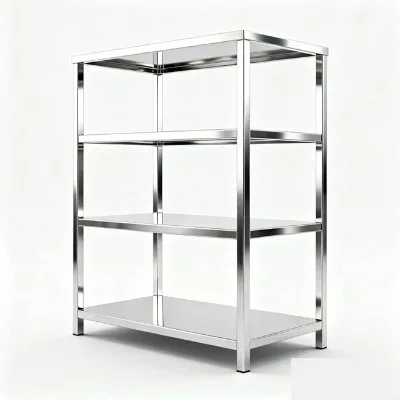


Steel Shelving Rack Metal Shelf Adjustable Home-Saving Garage Storage Rack
$56.00 - $66.00
MOQ: 50 Pieces


Boltless Galvanized Metal Shelving Rack Steel Storage Stacking Racks & Shelves
$8.50 - $15.50
MOQ: 50 Pieces
Comprehensive Sourcing Guide
Hot-Dip Galvanized Steel Shelving Rack Sourcing Guide
Sourcing hot-dip galvanized steel shelving racks requires a nuanced understanding of material specifications, structural integrity, and supply chain logistics. While the core keyword emphasizes hot-dip galvanization, current market observations indicate that powder-coated steel is a prevalent alternative, with galvanization often listed as a specific surface treatment option rather than the default. Buyers must carefully distinguish between standard painted finishes and true hot-dip galvanization, as the latter offers superior corrosion resistance for humid or outdoor environments but may come at a higher cost and longer lead time. The decision between these finishes should be driven by the specific environmental conditions of the storage facility, ensuring that the chosen surface treatment aligns with the longevity requirements of the inventory being stored.
The procurement landscape for these racks is characterized by a high degree of customization, with suppliers offering adjustable dimensions, layer configurations, and load capacities. Observed data suggests that standard sizes often revolve around dimensions like 2000mm in width and depth, with heights ranging from 0 to 15 meters depending on the structural type. Buyers should recognize that "off-the-shelf" solutions are rare in this category; instead, most orders involve tailored specifications to fit warehouse layouts. This customization extends to load capacities, which can range from 200kg to over 800kg per layer, and layer counts that can be customized from two to five or more. Understanding these variables is critical for accurate budgeting and ensuring that the shelving system meets the operational demands of the intended use case, whether for light retail display or heavy industrial storage.
Product Scope and Observed Listing Signals
The product scope for steel shelving racks encompasses a wide variety of configurations, including boltless/rivet racking, longspan shelves, and pallet racks. Listings frequently highlight attributes such as single-sided or double-sided designs, with styles ranging from backplane styles to open structures suitable for supermarkets, drug stores, and warehouses. The material is predominantly specified as steel, with Q235B being a common grade noted in supplier profiles, sourced from major manufacturers like Shanghai Baoshan. Buyers should observe that while the core material is consistent, the structural design varies significantly, with some units designed for fixed rotary applications and others for adjustable mobility. This diversity means that buyers must clearly define their operational needs, such as whether they require tool racks, clothing displays, or heavy beverage storage, to select the appropriate structural type.
Observed listing signals reveal a broad price range, typically spanning from $0.8 to $850 USD, which reflects the variability in size, load capacity, and surface treatment. Minimum order quantities (MOQs) are also flexible, ranging from 1 to 500 units, allowing for both small-scale retail setups and large-scale industrial deployments. The weight of the units is another critical signal, with many products classified as heavy weight, ranging from 150kg to 500kg per unit or set. This weight range indicates robust construction capable of supporting significant loads, but it also impacts shipping costs and handling requirements. Buyers should use these signals to gauge the scale of the project, noting that higher load capacities and larger dimensions will naturally drive up both the unit price and the logistical complexity of the procurement.
Technical Specifications to Verify
When verifying technical specifications, buyers must prioritize the structural type and load capacity to ensure safety and functionality. The observed data indicates that load capacities are customizable, with standard options including 200kg, 300kg, and 500kg, and some suppliers offering up to 800kg. It is essential to confirm whether these capacities are per layer or per unit, as this distinction significantly affects the total storage potential. Additionally, the height of the racks can vary from 0 to 5 meters for standard shelving to 5-15 meters for high-bay pallet racking. Buyers should verify the exact dimensions, such as the standard 20006002000mm size, and ensure that the customized dimensions fit within their warehouse clearance and racking system constraints.
Surface treatment is another critical technical specification that requires careful verification. While hot-dip galvanization is a key search term, many listings specify powder-coated surfaces in standard RAL colors or galvanized finishes. Buyers must clarify whether the product is truly hot-dip galvanized or merely coated, as this affects corrosion resistance and maintenance requirements. The steel type, often Q235B, should be confirmed to ensure it meets the required tensile strength and durability standards. Furthermore, the packing method, which may include wooden pallets, steel straps, and plastic film, should be reviewed to prevent damage during transit. Verifying these details ensures that the delivered product matches the technical expectations and performs reliably in the intended environment.
Compliance and Safety Documentation
Compliance and safety documentation are paramount when sourcing industrial shelving, as these systems must support heavy loads without risk of collapse. Buyers should request documentation that verifies the load capacity ratings, ensuring they are based on rigorous testing and engineering calculations. While specific standards like EN 15512 and EN 15635 are mentioned in background contexts, buyers should verify if these or equivalent local standards apply to their region and require certification from the supplier. It is crucial to obtain structural calculation reports or test certificates that confirm the rack’s ability to withstand dynamic and static loads, particularly for high-bay or heavy-duty applications.
Safety features and installation guidelines should also be thoroughly reviewed. Buyers must ensure that the supplier provides detailed assembly instructions and safety warnings, including proper anchoring methods and load distribution guidelines. The condition of the product, typically listed as new, should be accompanied by a warranty or guarantee that covers manufacturing defects. Additionally, buyers should inquire about the supplier’s quality control processes, including inspections for surface treatment integrity and structural welds. By prioritizing compliance and safety documentation, buyers can mitigate risks associated with structural failure and ensure that the shelving system meets regulatory requirements in their operating jurisdiction.
Cost Drivers and Commercial Terms
Cost drivers for hot-dip galvanized steel shelving racks include material costs, surface treatment processes, and customization levels. The use of Q235B steel and hot-dip galvanization typically increases the base cost compared to standard powder-coated options. Buyers should also consider the impact of load capacity and height on pricing, as higher capacities and taller structures require more material and complex engineering. Shipping costs are another significant factor, given the heavy weight of the units and the need for secure packing. Buyers should evaluate the total landed cost, including freight, insurance, and customs duties, to accurately assess the financial impact of the procurement.
Commercial terms and lead times are critical components of the procurement process. Observed data indicates that estimated delivery times can vary from within 15 days in the off-season to one month during peak seasons. Buyers should negotiate clear delivery schedules and penalties for delays to ensure timely installation. Trade terms such as FOB, CFR, CIF, and EXW should be carefully selected based on the buyer’s logistics capabilities and risk tolerance. Understanding these terms helps in allocating responsibility for shipping and insurance, ensuring that the buyer is aware of their obligations and potential costs. By managing these commercial terms effectively, buyers can optimize their procurement strategy and avoid unexpected expenses.
Supplier Qualification and Quality Control
Supplier qualification is a vital step in ensuring the reliability and quality of the sourced shelving racks. Buyers should verify the supplier’s manufacturing capabilities, including their steel sourcing from reputable factories like Shanghai Baoshan. It is important to assess the supplier’s experience in producing customized racks and their ability to meet specific technical requirements. Buyers should also review the supplier’s quality control processes, including inspections for material integrity, surface treatment quality, and structural stability. Requesting references or case studies from previous clients can provide additional insights into the supplier’s performance and reliability.
Quality control measures should extend to the packaging and shipping stages to prevent damage during transit. Buyers should ensure that the supplier uses robust packing methods, such as wooden pallets and corner protectors, to secure the units. It is advisable to conduct pre-shipment inspections or hire third-party inspection services to verify that the delivered products meet the agreed-upon specifications. Buyers should also establish clear communication channels with the supplier to address any issues that may arise during production or delivery. By prioritizing supplier qualification and rigorous quality control, buyers can minimize risks and ensure that they receive high-quality shelving systems that meet their operational needs.
Long-Term Procurement Checks
Long-term procurement checks involve monitoring the performance and durability of the shelving racks in the field. Buyers should establish a maintenance schedule to inspect the racks for signs of wear, corrosion, or structural damage. Regular inspections can help identify potential issues early, allowing for timely repairs or replacements. Buyers should also track the performance of the racks in terms of load capacity and stability, ensuring that they continue to meet safety standards over time. By maintaining a proactive approach to maintenance, buyers can extend the lifespan of the shelving system and reduce the risk of accidents or operational disruptions.
Additionally, buyers should evaluate the supplier’s after-sales support and warranty terms to ensure ongoing assistance. It is important to have a clear understanding of the warranty coverage and the process for claiming repairs or replacements. Buyers should also consider the availability of spare parts and the supplier’s responsiveness to service requests. By establishing strong long-term relationships with suppliers and implementing robust maintenance practices, buyers can ensure the continued reliability and safety of their shelving systems. This approach not only protects the initial investment but also supports the efficient operation of the warehouse or retail space over the long term.
FAQs
What customization options are available for the shelving rack?
Customization is available for dimensions, layers, and load capacity. You can select from standard sizes like 2000*600*2000mm or request specific measurements. The number of layers can be adjusted between two and five, and load capacity ranges from 200kg to 800kg depending on your needs.
Which steel type is used for the hot-dip galvanized rack?
The rack is constructed using Steel Q235B sourced from Shanghai Baoshan. This material ensures durability and strength for heavy-duty applications. The steel undergoes powder coating or galvanization for surface treatment to prevent corrosion in various environments like warehouses and supermarkets.
How long is the estimated delivery time for orders?
Delivery times vary based on the season and order volume. During the off-season, products are delivered within 15 days. In peak seasons, the estimated delivery time extends to one month. Specific lead times depend on the customization level and current production schedules.
Can the shelving rack be used in supermarkets and warehouses?
Yes, the rack is designed for use in shops, supermarkets, drug stores, and warehouses. It serves as a display stand or industrial storage solution for food, tools, clothing, and beverages. The structure supports heavy weights ranging from 150kg to 500kg per unit.
What are the standard dimensions for the product model?
Standard sizes include 2000*600*2000mm and 2000*600*2500mm, with customization available. The product model TU-H93 and SH-1 offer flexible configurations. Heights can range from 0 to 15 meters, allowing adaptation to different ceiling heights and storage requirements in various facilities.
What packaging methods are used for shipping the racks?
Products are packed in cartons or on wooden pallets with steel straps and plastic film. Corner protectors are included to ensure safety during transit. This packaging method protects the powder-coated or galvanized surfaces from damage while the goods are transported from the factory in Suzhou, China.