Source Hot Melt Welding Capsule Filters for Medicine, Food, and Industry
Compare 30 verified Hot Melt Welding Capsule Filters from Zhejiang and China suppliers. These PP and ULPA grade units support biomedicine, food, and chemical engineering applications with customizable sealing and filtration options.
Key considerations
Products List


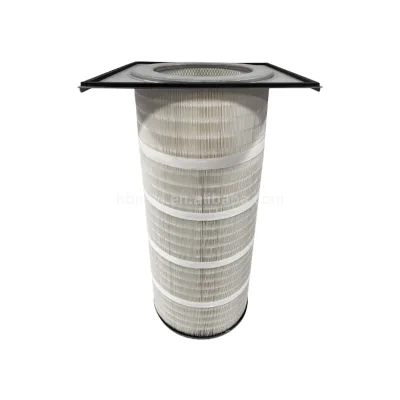
Pulse Jet Cleaning Filters Welding Dust Filters Welding Fume Extractors
$400.00 - $550.00
MOQ: 1 Pieces

Pulse Jet Cleaning Filters Welding Dust Filters Welding Fume Extractors
$400.00 - $550.00
MOQ: 1 Pieces

Pulse Jet Cleaning Filters Welding Dust Filters Welding Fume Extractors
$400.00 - $550.00
MOQ: 1 Pieces






Comprehensive Sourcing Guide
Strategic Sourcing Guide for Hot Melt Welding Capsule Filters
Understanding the Core Technology and Construction
When sourcing Hot Melt Welding Capsule Filters, buyers must first distinguish the manufacturing method from traditional adhesive bonding or mechanical sealing. The defining characteristic of this technology is the use of heat to fuse polypropylene components, creating a monolithic structure that eliminates the risk of glue migration or seal failure under pressure. This process is particularly critical in applications where chemical purity is non-negotiable, such as in the pharmaceutical and biomedicine sectors. The observed product attributes indicate that the core, support, and end caps are predominantly constructed from Polypropylene (PP), a material chosen for its chemical resistance and compatibility with the hot melt welding process.
The filtration grade is a primary variable in this category. While the supply chain data highlights ULPA (Ultra-Low Penetration Air) filters, it also lists PRE filters and specific removal ratings ranging from 0.05μm to 5.0μm. This variance suggests that "Capsule Filter" is a broad category encompassing various micron ratings tailored to specific fluid dynamics. The support diversion layer is typically made of PP, ensuring structural integrity while allowing for high flux. Buyers should verify that the specific unit they select utilizes hot melt welding for the seal material interface, as this directly impacts the maximum differential pressure tolerance. The observed data notes a maximum working temperature of 80ºC under a pressure of 0.10MPa, with a forward differential pressure rating of 4.2bar and a reverse rating of 1.5bar at 25ºC. These figures are not universal; they represent specific configurations and must be validated against the intended operating conditions of the buyer's process.
Technical Specifications and Performance Parameters
Evaluating the technical specifications requires a granular look at the interface compatibility and physical constraints. The interface for these filters is versatile, supporting applications in biomedicine, electronics, food processing, and chemical engineering. This versatility is achieved through the selection of specific O-ring and seal materials. The supply data lists Silicone, EPDM, Buna-N, FKM, and E-FKM as available options. The choice of seal material is a critical decision point, as it dictates the chemical compatibility with the process fluid and the maximum temperature tolerance. For instance, while the general maximum working temperature is cited as 80ºC, the specific seal material selected must be compatible with the fluid's chemical nature to prevent degradation.
The physical dimensions and surface area are also vital for process efficiency. One observed specification lists an area of 160cm², which serves as a benchmark for flow capacity in certain models. However, other models may differ significantly, as the product standard allows for customized specifications. The removal rating is another key performance indicator, with observed values including 0.05, 0.20, 0.45, 0.50, 0.60, 0.80, 1.00, and 5.0μm. These ratings determine the filter's ability to retain particulates and microorganisms. Buyers must match these ratings to their specific sterility assurance levels or particle count requirements. The advantage of high flux and high bubble point is frequently cited, indicating that these filters are designed to minimize pressure drop while maintaining a robust barrier against contaminants.
Compliance, Certification, and Regulatory Alignment
In the B2B procurement of filtration components, compliance is as important as performance. The supply data references several certifications, including SGS, ISO9001, ISO, and CE. It is crucial for buyers to understand that these certifications are not automatically present on every unit but are attributes of the manufacturing facility or specific product lines. The presence of ISO9001 suggests a commitment to quality management systems, while SGS indicates third-party verification of specific product attributes. The CE mark, often associated with European conformity, is listed in the background data, but buyers should verify the specific scope of this certification for the exact model being purchased.
The product standard is listed as "Select the specifications, materials and interface" or "Standard Specifications Or Customized," indicating a high degree of flexibility. This flexibility, however, requires rigorous due diligence. Buyers must request the Certificate of Conformance (CoC) and Material Safety Data Sheets (MSDS) for the specific batch. The origin of the products is noted as Zhejiang, Hangzhou, Jinan, and generally China. While these locations represent major manufacturing hubs, the specific factory location should be confirmed to ensure it aligns with the buyer's supply chain risk management policies. Additionally, the standard specifications may vary by region; therefore, verifying that the product meets the specific regulatory requirements of the buyer's target market (e.g., FDA, EU GMP) is essential before finalizing a purchase order.
Cost Drivers and Procurement Economics
The economics of sourcing Hot Melt Welding Capsule Filters are influenced by several factors, including material costs, customization levels, and order volume. The observed price range is extensive, spanning from 0.64 USD to 2650 USD. This wide variance is not indicative of a single product type but rather reflects the difference between standard off-the-shelf units and highly customized, high-performance models. The Minimum Order Quantity (MOQ) also varies significantly, ranging from 1 to 5000 units. This suggests that suppliers are willing to accommodate both prototype testing and large-scale industrial deployment, but the unit price will likely decrease as the order volume increases.
Customization is a primary cost driver. The data confirms that customization is available for specifications, materials, and interfaces. Customizing the seal material, filtration grade, or physical dimensions will inevitably increase the unit cost and potentially extend the lead time. The observed delivery date is seven days, which is a strong indicator of a responsive supply chain, but this should be treated as a baseline for standard items. For customized orders, the lead time may extend beyond this window. Buyers should also consider the packaging costs; options range from standard carton packing to wooden case packing, with the latter typically incurring higher shipping and handling fees. Understanding these variables allows buyers to budget accurately and negotiate effectively with suppliers based on their specific volume and customization needs.
Typical Applications and Industry Fit
The application scope for Hot Melt Welding Capsule Filters is broad, covering medicine, food and beverage, industry, biomedicine, electronics, and chemical engineering. The specific application dictates the required filtration grade and seal material. In the medicine and biomedicine sectors, the high flux and high bubble point advantages are critical for ensuring sterility and preventing cross-contamination. The removal ratings down to 0.05μm make these filters suitable for terminal filtration of sensitive biological products.
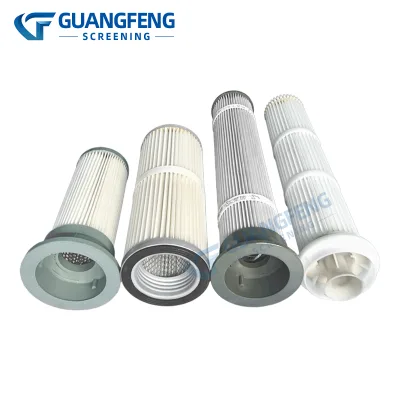
In the food and beverage industry, the focus is often on product purity and the prevention of particulate contamination. The use of Polypropylene and specific seal materials like Silicone or EPDM ensures compatibility with food-grade fluids. For chemical engineering applications, the chemical resistance of the PP core and the selection of FKM or E-FKM seals become paramount to withstand aggressive solvents and acids. The data also mentions "Filter Cartridge Dust Collector" types with installation methods (horizontal or vertical) and operation types (automatic), suggesting that these filters are also utilized in air filtration and dust collection systems within industrial settings. Buyers must align the filter's technical capabilities with the specific demands of their process to ensure optimal performance and longevity.
Supplier Evaluation and Quality Control Protocols
Selecting a reliable supplier for Hot Melt Welding Capsule Filters requires a multi-faceted evaluation strategy. Buyers should prioritize suppliers who demonstrate transparency regarding their manufacturing processes, particularly the hot melt welding technique. The ability to provide detailed technical documentation, including material certificates and process validation reports, is a strong indicator of supplier maturity. The presence of certifications like ISO9001 and SGS should be verified through direct communication with the supplier, ensuring they are current and applicable to the specific product line.
Quality control should be an integral part of the procurement process. Buyers must establish clear acceptance criteria based on the observed specifications, such as the maximum working temperature of 80ºC and the differential pressure limits. It is advisable to request sample units for testing before committing to a large order. These samples should be subjected to performance testing, including bubble point tests, flow rate measurements, and integrity checks. The supplier's ability to offer customized packing, such as standard export packing or wooden cases, should also be evaluated to ensure the product arrives in pristine condition. Furthermore, the supplier's location and logistics capabilities should be assessed to confirm they can meet the required delivery timelines, which are observed to be as short as seven days for standard items.
Long-Term Procurement and Supply Chain Resilience
Long-term procurement of capsule filters involves more than just securing a one-time purchase; it requires building a resilient supply chain. The availability of customization suggests that suppliers can adapt to evolving process requirements, which is a significant advantage for long-term partnerships. However, buyers must maintain open communication channels to ensure that any changes in production standards or material availability are communicated promptly. The wide range of MOQs allows for flexibility, enabling buyers to start with smaller orders for validation and scale up as needed without overcommitting inventory.
Sustainability and lifecycle management are also emerging considerations. The use of Polypropylene and the efficiency of the hot melt welding process contribute to the durability and recyclability of the filters. Buyers should inquire about the supplier's environmental policies and waste management practices. Additionally, the lead time of seven days indicates a robust production capacity, but buyers should develop contingency plans for potential supply disruptions. Establishing a relationship with a supplier who offers standard and customized options, along with reliable certifications, ensures that the procurement of Hot Melt Welding Capsule Filters remains a strategic asset rather than a logistical bottleneck. By focusing on these long-term factors, buyers can secure a steady supply of high-quality filtration components that meet their operational and regulatory needs.
FAQs
What materials are used for the core and seals?
The core, support, and end caps are made of Polypropylene. Seal materials include Silicone, EPDM, FKM, and E-FKM to ensure chemical compatibility with various fluids.
Can I customize the specifications and interface?
Yes, customization is available for specifications, materials, and interfaces. Buyers can select specific filtration grades and O-ring materials to match their process requirements.
What is the maximum working temperature and pressure?
The maximum working temperature is 80ºC under a pressure of 0.10MPa. The forward differential pressure rating is 4.2bar, while the reverse rating is 1.5bar at 25ºC.
Which certifications are available for these filters?
Available certifications include SGS, ISO9001, ISO, and CE. These certifications verify quality management systems and product attributes but must be confirmed for specific batches.
How long is the standard delivery time?
The standard delivery date is seven days for typical orders. Customized specifications or large volumes may extend this timeline beyond the standard baseline provided.
What filtration grades and removal ratings are offered?
Filtration grades include ULPA and PRE filters with removal ratings from 0.05μm to 5.0μm. These ratings allow selection based on specific sterility or particle count needs.
Where are these filters manufactured?
Products originate from manufacturing hubs in Zhejiang, Hangzhou, Jinan, and generally China. Buyers should verify the specific factory location for supply chain risk management.