Source Hot Rolled Carbon Steel Bar for Structural, Tool, and Mold Uses
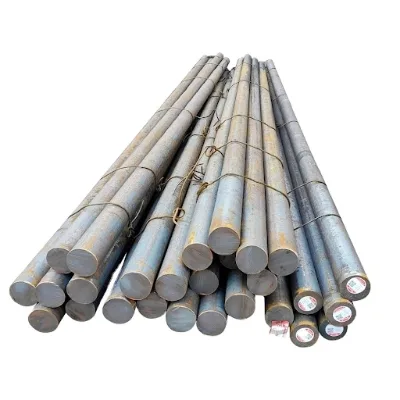
Find 30 listings for Hot Rolled Carbon Steel Bar suitable for structural, tool, and mold applications. Compare specifications including diameters from 5.5mm to 400mm, surface treatments like polished or galvanized, and delivery options from China-based suppliers; compare the available evidence and request quotations based on your requirements.
Key considerations
Products List

$1000.00 - $1600.00
MOQ: 1 Tons


Comprehensive Sourcing Guide
Hot Rolled Carbon Steel Bar Sourcing Guide
Buyers must first distinguish between the various forms of carbon steel bars available, as the market lists products ranging from simple structural bars to specialized tool and die steel variants. The observed listings indicate a wide spectrum of shapes, including round bars and plates, with specific applications noted for tool steel, die steel, and structural uses. Understanding these distinctions is critical before initiating contact, as a bar intended for cold heading may differ significantly in composition and processing from one designed for high-strength wear resistance.
Procurement teams should also scrutinize the surface treatment and finishing techniques listed in product descriptions to ensure alignment with downstream manufacturing needs. The data shows options such as polished, galvanized, black, ground, and turned surfaces, alongside processing methods like forging, cold drawing, and hot rolling. Selecting the correct combination of surface finish and production technique is essential for preventing compatibility issues during machining or assembly, ensuring the final component meets the required mechanical properties without unnecessary secondary processing costs.
Product Scope and Observed Listing Signals
The current market landscape for hot rolled carbon steel bars reveals a diverse inventory where product models range from specific grades like S50C and Q235B to generic descriptions of carbon steel and stainless steel scrap. Buyers will encounter listings with diameters spanning from 5mm to 500mm and lengths extending up to 6000mm, often packaged in wooden cases, bundles, or seaworthy containers. This variability requires careful filtering to isolate suppliers offering the precise dimensions and material grades necessary for specific engineering projects, rather than settling for a generic match that might compromise structural integrity.
Observations of trade terms and delivery conditions further highlight the complexity of sourcing these materials, with options including EXW, FOB, and CIF alongside delivery states like hot rolled, cold drawn, or forged. The presence of origin locations such as Liaoning and Qingdao in China suggests a concentrated supply base, yet buyers must verify if the specific batch meets their local regulatory requirements. It is vital to confirm that the listed "Special Use" categories, such as mold steel or free-cutting steel, accurately reflect the intended application, as misclassification can lead to premature failure in high-stress environments.
Technical Specifications to Verify
Technical verification begins with confirming the chemical composition and alloy content, as the listings distinguish between non-alloy carbon steels and specialized alloys like silicon or cold heading steel. Buyers must demand mill test reports that explicitly state the grade, such as Q235B or S50C, and verify that the material falls within the specified standard ranges like AISI, ASTM, DIN, or GB. Relying solely on the product name without cross-referencing the actual chemical analysis can result in receiving a material that lacks the necessary tensile strength or ductility for the intended structural or tooling application.
Dimensional accuracy and surface quality are equally critical, with observed specifications covering diameters from 5.5mm to 110mm and lengths between 3000mm and 6000mm. Procurement teams should insist on tolerance data for round bars and plates, ensuring that the "Hot Rolled" or "Cold Drawn" designation matches the required geometric precision for machining. Additionally, the surface treatment options, including polishing, grinding, or blackening, must be validated against the final product's aesthetic and functional requirements, as these processes directly impact the material's resistance to corrosion and wear in service.
Compliance and Safety Documentation
Compliance verification requires a rigorous review of the standards cited in the product documentation, specifically looking for adherence to recognized international norms like ASTM, AISI, JIS, and GB. While some listings mention specific standards, buyers must ensure that the supplier provides certified test results proving the material meets these exact specifications for the specific batch being ordered. Without this documentation, there is a significant risk that the steel may not perform as expected under load, potentially leading to safety hazards in structural applications or tooling failures in manufacturing processes.
Safety and traceability are further ensured by confirming the heat treatment history, which includes processes such as quenching, tempering, and annealing as noted in the observed data. Buyers should request detailed heat treatment certificates that correlate the thermal processing with the final mechanical properties of the steel bar. This documentation is indispensable for industries where material failure is not an option, as it provides the necessary proof that the steel has been treated to achieve the required hardness, toughness, and stress resistance for its designated use.
Cost Drivers and Commercial Terms
Cost structures for hot rolled carbon steel bars are heavily influenced by the chosen surface treatment, processing technique, and packaging requirements, which can vary significantly between suppliers. The observed data indicates that options like polishing, galvanizing, or specialized packing in wooden cases add layers of cost that must be factored into the total landed price. Buyers should analyze whether these additional services are necessary for their specific application, as over-specifying surface finishes or packaging can unnecessarily inflate the procurement budget without adding functional value to the final product.
Commercial terms and delivery timelines also play a pivotal role in the total cost of ownership, with lead times ranging from 10 to 50 days and payment terms typically structured as T/T. The choice between EXW, FOB, and CIF terms will determine who bears the risk and cost of freight, insurance, and customs clearance, directly impacting the final price per unit. Procurement teams must negotiate these terms carefully, ensuring that the delivery condition aligns with their production schedule and that the payment structure offers sufficient protection against delays or quality discrepancies.
Supplier Qualification and Quality Control
Supplier qualification should focus on verifying the manufacturer's ability to consistently produce bars that meet the diverse range of standards and specifications observed in the market. Buyers must assess whether the supplier has the capacity to handle different techniques, from forging to cold drawing, and whether they can provide the necessary documentation for each specific order. A qualified supplier will demonstrate a robust quality control system that tracks every batch from raw material intake through heat treatment and final surface finishing, ensuring that the delivered product matches the agreed-upon technical parameters.
Quality control protocols must include independent verification of the material's physical properties, such as tensile strength and hardness, to confirm they align with the stated standards like ASTM or GB. Buyers should require third-party inspection reports or on-site audits to validate the supplier's claims regarding their production capabilities and adherence to safety protocols. This due diligence is essential to mitigate the risk of receiving substandard materials that could compromise the integrity of the final assembly or lead to costly production stoppages due to material failure.
Long-Term Procurement Checks
Establishing a long-term procurement strategy requires regular audits of supplier performance against the agreed-upon technical and commercial benchmarks. Buyers should track metrics such as on-time delivery rates, consistency in material quality, and responsiveness to technical queries to ensure the supplier remains a reliable partner over time. Continuous monitoring helps identify any drift in quality or service levels early, allowing for corrective actions before they impact the buyer's production schedule or final product quality.
Future-proofing the supply chain involves staying informed about changes in industry standards and material availability, as the market for carbon steel bars is subject to fluctuations in raw material costs and regulatory requirements. Buyers should maintain open communication with suppliers to anticipate potential disruptions and explore alternative grades or processing methods that might offer better value or performance. By fostering a collaborative relationship based on transparency and shared quality goals, organizations can secure a stable supply of hot rolled carbon steel bars that supports their long-term operational efficiency.
FAQs
What standards do hot rolled carbon steel bars typically follow?
Listed bars commonly follow AISI, ASTM, BS, DIN, GB, and JIS standards, so buyers can match material documents to project requirements. When requesting quotes, specify the grade and standard you need, such as Q235B, and ask the supplier for mill certificates confirming compliance before placing an order.
How long is the typical delivery time for Hot Rolled Carbon Steel Bar orders?
Delivery typically falls within 10 to 50 days depending on order size, processing requirements, and shipping destination. Forged, hot rolled, or cold drawn conditions may add processing time, so confirm the exact schedule with the supplier at the quotation stage and factor in port and customs time.
Which dimensions are available for hot rolled carbon steel round bars?
Round bars are offered in diameters from roughly 6 mm to 400 mm, with some listings covering 5 to 500 mm and lengths between 3000 mm and 6000 mm. Confirm the exact diameter tolerance, straightness, and length options with the supplier, since availability varies by grade and production route.
Can hot rolled carbon steel bars be customized before shipment?
Yes, customization is available from many listed suppliers. You can request specific surface finishes such as polished, peeled, turned, or grinding, and heat treatments including quenched, tempered, or annealed conditions. Provide drawings or specifications early, because customized processing may affect the quoted lead time and price.
How are hot rolled carbon steel bars packed for export?
Common packing options include wooden cases, bundles, seaworthy packing, cartons, woven bags, and standard export packing. Choose packing based on the destination and handling method; bundle packing suits bulk shipments, while wooden cases or seaworthy packing protect machined or polished bars from damage and corrosion during transit.
Which trade terms and payment methods are commonly accepted?
Listed trade terms include EXW, FOB, and CIF, with T/T payment commonly accepted. EXW suits buyers who arrange their own freight, while FOB and CIF shift more logistics responsibility to the seller. Confirm incoterms, payment schedule, and any deposit requirements in the proforma invoice before confirming the order.
What is the minimum order quantity for hot rolled carbon steel bars?
Minimum order quantities vary widely across listings, ranging from as low as 1 unit up to about 150 units depending on the supplier, grade, and size. Smaller MOQs usually carry higher unit prices, so compare quotes across several suppliers to balance order size against per-unit cost.
What surface finishes can be specified on hot rolled carbon steel bars?
Available surface options include black, bright, polished, grinding, turned, and peeled finishes, and some products are galvanized. Hot rolled bars ship with a black mill finish by default, so specify polishing or peeling if the bar will be used for machining, shafts, or visible applications requiring a clean surface.