Source Hot Rolled Automotive Snap Ring for Axles, Seals, and Rings
Find 30 Hot Rolled Automotive Snap Ring options from Chinese suppliers. Compare single axle and multi-functional designs with ISO and CE certifications. View mechanical transmission controls and zinc-plated finishes for industrial applications; compare the available evidence and request quotations based on your requirements.
Key considerations
Products List


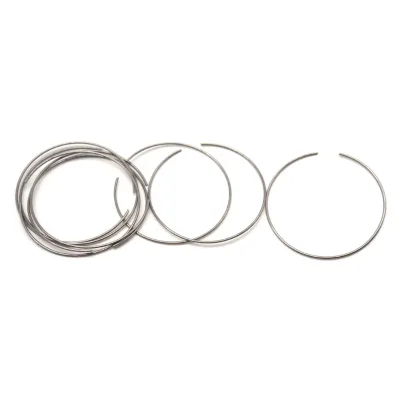


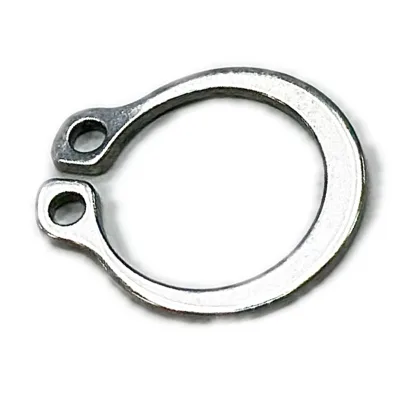


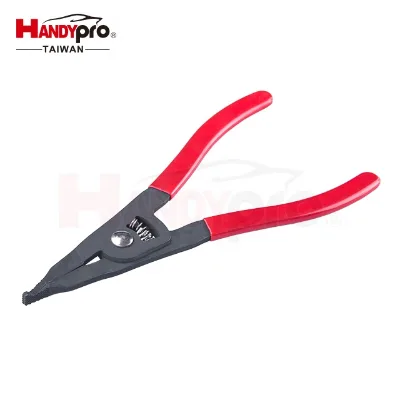


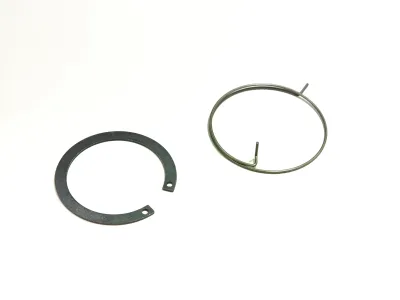
Durable Spring Steel Internal Snap Retaining Rings with Black Oxide Finish
$0.02 - $0.30
MOQ: 1000 Pieces
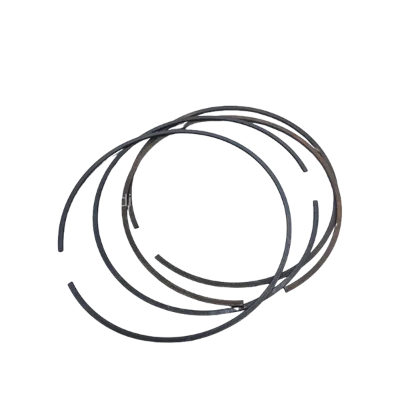

Comprehensive Sourcing Guide
Hot Rolled Automotive Snap Ring Sourcing Guide
Procurement professionals must first distinguish between general industrial fasteners and specialized automotive components when searching for hot rolled snap rings. The available market data indicates a diverse range of product types, including Germany type axles and various circlips, which suggests that the core keyword often encompasses a broader category of retention hardware than a single specific part. Buyers should verify that the specific listing explicitly matches the "Snap Ring" or "Circlip" product name rather than assuming all listed steel axle components are suitable for automotive retention applications.
The observed product attributes reveal significant variation in material composition, with listings citing both general Steel and specific Carbon Steel grades. This distinction is critical because hot rolling processes often require specific carbon content to achieve the necessary elasticity and fatigue resistance for automotive suspension or transmission systems. Sourcing teams must scrutinize the material specification to ensure the supplier is providing the correct grade of carbon steel that meets the rigorous stress requirements of vehicle assembly, rather than generic structural steel intended for lighter industrial fixtures.
Product Scope and Observed Listing Signals
Buyers should carefully analyze the observed listing signals to understand the breadth of the available inventory, which ranges from single-axle components to multi-functional rings with varying load capacities. The data shows a wide spectrum of load types, including compression, torsion, extension, and gas applications, indicating that the search term may return results for diverse mechanical retention needs. It is essential to filter these results to isolate products specifically designed for the high-vibration and high-load environments typical of automotive manufacturing, rather than general-purpose industrial fixtures.
The packaging and standardization signals in the market data present a mixed picture, with some items listed as "Unstandard" or "according to buyer's request" while others adhere to specific standards like GB/T20057. This inconsistency highlights the importance of verifying whether a supplier offers standardized automotive-grade parts or purely custom-manufactured solutions. Procurement teams must confirm that the "Different Sizes Are Available" claim translates to a comprehensive catalog of standard automotive dimensions, ensuring that the supply chain can support mass production without requiring unique tooling for every batch.
Technical Specifications to Verify
Technical verification must begin with the surface finishing and treatment processes, as the data indicates options ranging from Zinc Plated to Gold Plated and Self Finish with Oil. For automotive applications, the corrosion resistance provided by zinc plating is often a baseline requirement, whereas gold plating may be reserved for specific electrical or high-precision contact points. Buyers need to confirm that the chosen surface treatment aligns with the environmental exposure of the specific vehicle component, ensuring that the hot rolled ring will not degrade under road salt, moisture, or temperature fluctuations.
The wire gauge and load capacity specifications are equally critical, with observed listings offering gauges from 16 to 24 and load capacities ranging from 7 lb to 2000 kg. Since automotive snap rings operate under dynamic loads, the wire gauge must be selected to prevent permanent deformation or fatigue failure during vehicle operation. Procurement specialists should cross-reference the specific wire gauge against the required load type, such as compression or torsion, to ensure the component can withstand the mechanical stresses of the intended assembly without compromising vehicle safety.
Compliance and Safety Documentation
Compliance verification requires a rigorous review of the certification landscape, as the market data lists ISO, GS, RoHS, and CE certifications alongside specific national standards like GB/T884. While ISO certification is a common baseline for quality management, the presence of GS and CE marks suggests that some suppliers may be targeting European markets with specific safety and environmental mandates. Buyers must request valid, current certificates for the specific batch of snap rings to ensure that the materials and manufacturing processes comply with the regulatory requirements of the destination market.
Safety documentation must also address the specific application standards, such as GB/T20057, which is explicitly linked to automobile and industrial usage in the observed data. It is vital to confirm that the supplier's quality control system is certified to produce parts that meet these specific automotive standards, rather than relying on general industrial certifications. Procurement teams should demand test reports that validate the mechanical properties of the hot rolled steel, ensuring that the snap rings meet the safety margins required for critical vehicle assemblies.
Cost Drivers and Commercial Terms
Cost drivers in this sector are heavily influenced by the customization level and the specific material grade, with data showing options for both "Customized" and "Non-Customized" products. Customization, such as specific wire gauges or unique surface finishes, typically incurs higher tooling and setup costs, which can significantly impact the unit price. Buyers should evaluate whether a standard off-the-shelf product meets their engineering requirements to minimize costs, or if the specific performance benefits of a custom hot rolled ring justify the additional investment.
Commercial terms observed in the market include flexible delivery windows ranging from 3-7 days to 15 days, alongside payment structures like a 30% deposit and 70% upon delivery. These terms suggest that lead times can vary significantly based on the complexity of the order and the supplier's current production capacity. Procurement teams must negotiate clear delivery schedules and payment milestones that align with their production planning, ensuring that the 7-15 day delivery window is realistic for their specific volume requirements and that the deposit structure does not strain cash flow.
Supplier Qualification and Quality Control
Supplier qualification should prioritize manufacturers with a proven track record in automotive applications, as indicated by the "Automobile" and "Industrial" usage tags in the product data. The presence of OEM and ODM service capabilities suggests that suppliers are equipped to handle custom engineering requests, but buyers must verify their experience with hot rolling processes specifically for snap rings. It is essential to confirm that the supplier has the technical expertise to maintain tight tolerances on wire gauges and load capacities, which are critical for the reliability of automotive retention systems.
Quality control protocols must be robust, given the variation in standards observed, from "standard" to "Unstandard" and specific GB/T references. Buyers should implement a rigorous incoming inspection process that validates the material composition, surface finish, and mechanical properties against the agreed-upon specifications. Relying solely on the supplier's certification is insufficient; independent testing of the hot rolled rings for tensile strength and fatigue resistance is necessary to ensure consistent quality across all production batches.
Long-Term Procurement Checks
Long-term procurement strategies must include regular audits of the supplier's ability to maintain consistent material quality and delivery performance over time. The observed data shows a wide range of delivery times and packing methods, which can introduce variability into the supply chain if not managed correctly. Procurement teams should establish key performance indicators (KPIs) for on-time delivery and defect rates, ensuring that the supplier can scale production without compromising the integrity of the hot rolled snap rings.
Continuous monitoring of market trends and standard updates is also crucial, as automotive regulations and material standards evolve frequently. Buyers should stay informed about changes in GB/T standards or international certifications like ISO and CE that may affect the compliance of their current inventory. By maintaining a proactive approach to supplier relationship management and technical verification, organizations can mitigate risks associated with supply chain disruptions and ensure a steady flow of high-quality automotive components.
FAQs
What materials are used for hot rolled automotive snap rings?
Hot rolled automotive snap rings are typically manufactured from high-strength steel or carbon steel. These materials provide the necessary durability and load-bearing capacity for industrial and automotive applications. The rings often feature surface treatments like zinc plating or oil finishing to enhance corrosion resistance and ensure reliable performance in demanding mechanical environments.
Can these snap rings be customized for specific applications?
Yes, customization is available for hot rolled automotive snap rings to meet specific engineering requirements. Buyers can request tailored sizes, load capacities, and surface finishes. OEM and ODM services are supported, allowing for precise adaptation to unique assembly needs while maintaining compliance with relevant industrial standards and quality expectations.
What certifications do these automotive snap rings hold?
These snap rings commonly hold ISO, CE, GS, and RoHS certifications. These credentials verify compliance with international quality and safety standards. Such certifications ensure that the products meet rigorous manufacturing requirements, making them suitable for export and use in regulated automotive and industrial sectors across various global markets.
How long is the delivery time for these snap rings?
The standard delivery time for these snap rings ranges from 3 to 15 days, depending on order volume and customization needs. Most suppliers offer expedited processing for standard items. Buyers should confirm specific lead times with manufacturers to align with their production schedules and ensure timely receipt of materials.
What is the typical MOQ for ordering these snap rings?
The minimum order quantity for these snap rings typically ranges from 1 to 10,000 pieces. This flexibility allows both small-scale prototyping and large-volume industrial procurement. Buyers can negotiate MOQ terms based on their specific requirements, with many suppliers accommodating smaller initial orders for testing or limited production runs.
Which specifications are available for these automotive snap rings?
Available specifications include various sizes, wire gauges, and load types such as compression, torsion, and extension. Standards like DIN7993A and GB/T20057 are commonly referenced. Buyers can select from different models to match their mechanical design needs, ensuring optimal fit and performance for specific automotive or industrial components.