Source Eyeshadow Container for cosmetic cases, palettes, and makeup kits
Compare 30 Eyeshadow Container options from Guangdong suppliers featuring ABS and AS plastic materials. Buyers can evaluate sizes, shapes, and customization services for cosmetic packaging needs.
Key considerations
Products List




Comprehensive Sourcing Guide
Strategic Sourcing Guide for Eyeshadow Containers
Understanding Product Specifications and Material Composition
When sourcing eyeshadow containers, the primary objective is to identify packaging that ensures product integrity while aligning with brand aesthetics. The market offers a diverse range of configurations, from single-pan cases to multi-grid palettes. Based on current market data, the core material composition for these containers is predominantly plastic, specifically utilizing ABS (Acrylonitrile Butadiene Styrene) or AS (Acrylonitrile Styrene) blends. Some advanced listings indicate a combination of AS and ABS to optimize structural rigidity and surface finish. The choice of material directly influences the container's durability, weight, and compatibility with various filling processes.
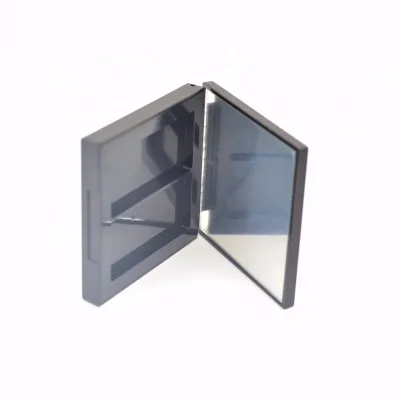
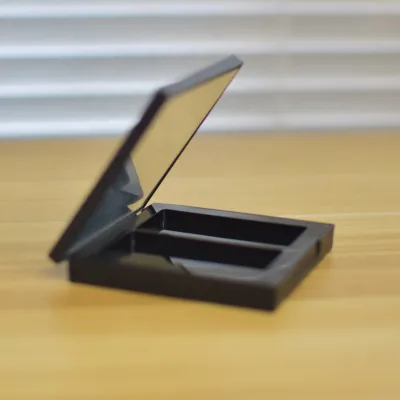
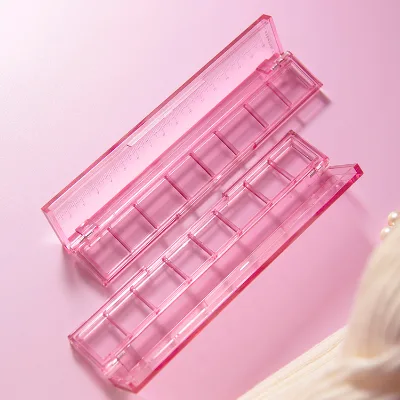
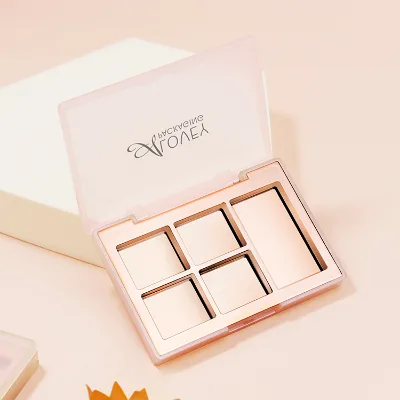
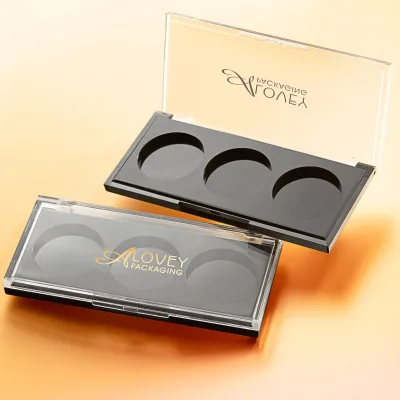
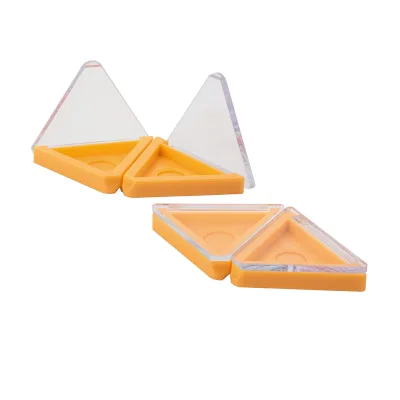
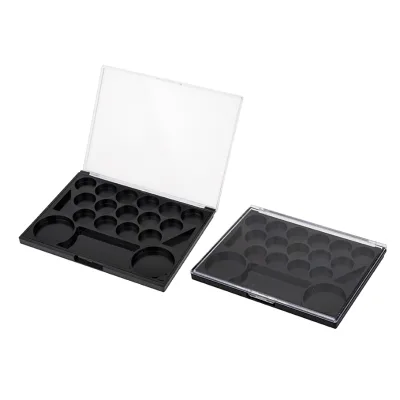
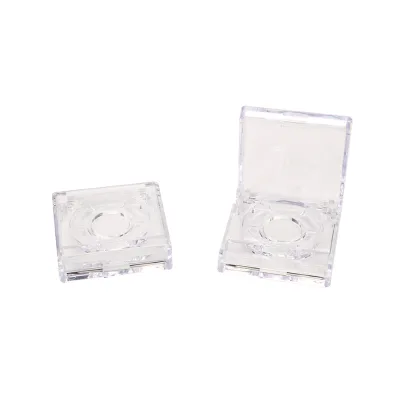
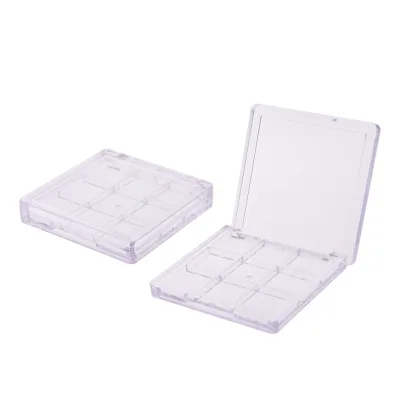
Physical dimensions vary significantly depending on the intended grid configuration. Buyers will encounter models with specific model numbers such as E-0030A, which features a rectangular shape with dimensions of L170W28.5H14mm, suitable for larger palette designs. Conversely, smaller, more compact units like model E-0416A measure L48W32H11mm, ideal for travel-sized or single-pan applications. Another variant, model E-0426A, presents a larger footprint at L92W63H13.5mm, often utilized for multi-color palettes. For specialized configurations, such as custom three-round-grid cases, dimensions may range from 7.94.31cm to 14.5111.3cm. The shape is a critical differentiator, with the majority of products categorized as either rectangle or square eyeshadow containers. Some listings explicitly describe "square 9 colors plates" with magnetic features, indicating a specific mechanism for securing the pans within the case.
The manufacturing process for these containers typically involves injection molding and blowing molding. These methods allow for high precision in creating the internal cavities that hold the eyeshadow pans and the external shells that provide protection. The thickness of the container walls is often customizable, allowing buyers to balance material costs with the need for robustness. A standard single gross weight for a unit is approximately 0.300 kg for larger packages, while smaller, lighter variants may weigh as little as 0.035 kg. Understanding these physical attributes is essential for calculating shipping costs and ensuring the packaging fits within standard logistics constraints.
Customization Capabilities and Branding Options
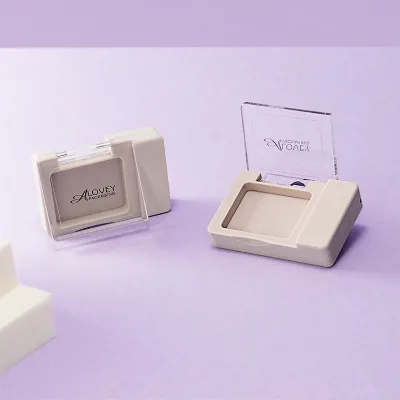
One of the most significant advantages of sourcing eyeshadow containers from major manufacturing hubs is the extensive availability of customization services. The market data confirms that OEM (Original Equipment Manufacturer) services are widely available, allowing brands to tailor the product to their specific identity. The "Brand Name" field in supplier listings often indicates that the manufacturer can produce goods under the buyer's own brand, or the supplier may offer a generic brand like "Alovey" for reference. However, the ability to apply a customized logo is a standard feature, enabling brands to print their name, logo, or design directly onto the container surface.
Color customization is another critical aspect of the procurement process. The observed color palette for these containers includes white, brown, green, orange, blue, and red. This variety allows buyers to match the packaging to their brand's color scheme or to create distinct product lines. For instance, a brand focusing on natural cosmetics might select earth tones like brown and green, while a vibrant, youthful brand might opt for blue, orange, and red. The "Custom Order" attribute is accepted by suppliers, meaning that specific color requests or unique design modifications can be accommodated, provided they align with the manufacturer's molding capabilities.
The applicators included with the container are also subject to customization. Listings indicate that options include puff applicators, brush applicators, aluminum godets, and lipstick molds. The choice of applicator depends on the intended use of the eyeshadow. For example, a palette designed for professional artists might include high-quality brush applicators, while a consumer-focused compact might feature a soft puff. The "Aluminum godet" is a specific type of metal pan often used to hold the powder, and its inclusion or exclusion is a key decision point for the buyer. The shape of the container, whether rectangular or square, must also align with the internal layout of the pans and the chosen applicators to ensure a functional and aesthetically pleasing final product.
Cost Drivers and Economic Factors in Procurement
The economic landscape of sourcing eyeshadow containers is influenced by several variables, including material costs, order volume, and customization complexity. The observed price range for these products in the market spans from $0.10 to $2.04 USD. This wide range reflects the diversity in product size, material quality, and the level of customization required. Smaller, simpler units like the E-0416A likely fall at the lower end of this spectrum, while larger, multi-grid palettes with complex features may command higher prices.
Minimum Order Quantity (MOQ) is a critical factor that impacts the total cost of procurement. The observed MOQ range is extensive, spanning from 2 units to 20,000 units. This flexibility allows buyers of all sizes to participate in the market. Small startups or test markets can begin with very low quantities, such as 2 units, to validate their product concept. Conversely, established brands with high-volume needs can leverage economies of scale by ordering in the thousands, which often results in a lower unit cost. The "Selling Units" are typically listed as "Single item," suggesting that the pricing is per unit, but the MOQ dictates the minimum batch size for production.
Production molding techniques also play a role in cost determination. Injection molding and blowing molding require significant upfront investment in tooling. If a buyer requests a custom shape or a unique color that requires a new mold, the initial tooling cost will be higher, potentially increasing the per-unit price for the first batch. However, once the mold is created, the marginal cost of producing additional units decreases. The "Thickness" of the container, which supports customizations, is another variable; thicker walls require more material, which can increase the cost per unit. Buyers must balance the desire for a premium, durable feel with the budgetary constraints of their project.
Compliance, Certification, and Quality Assurance
While specific certification statuses and test results are not universally listed in the provided product data, buyers must exercise due diligence regarding compliance and quality assurance. The "Feature" field often highlights that the products are "Recyclable," which is an increasingly important factor for brands aiming to meet sustainability goals. However, the claim of recyclability should be verified against local regulations and the specific type of plastic used. ABS and AS plastics are generally recyclable, but the presence of mixed materials or specific additives can complicate the recycling process.
Compliance with safety standards is paramount for cosmetic packaging. Although the provided text does not list specific certification numbers, buyers should verify that the containers meet the regulatory requirements of their target markets, such as FDA regulations in the United States or EU standards in Europe. This includes ensuring that the materials used are food-grade or cosmetic-grade safe and do not leach harmful substances into the eyeshadow product. The "Industrial Use" is specified as "Cosmetic," which implies that the products are designed for this sector, but explicit certification documentation should be requested from the supplier.
Quality control measures should be established to ensure consistency. The "Single package size" and "Single gross weight" are standard metrics used to verify that the product meets the specified dimensions and weight tolerances. For example, a model with a single package size of 17.5X29X14.5 cm should consistently fall within this range. Buyers should also inspect the "Applicators" for quality, ensuring that brushes are securely attached and that aluminum godets are free from defects. The "Customized" logo application must be checked for clarity and durability, as poor printing quality can damage the brand's reputation.
Supplier Evaluation and Geographic Considerations
Geographic location is a significant factor in supplier evaluation. The "Place of Origin" for the majority of these eyeshadow containers is Guangdong, China. This region is a well-established hub for plastic manufacturing and cosmetic packaging, offering a dense network of suppliers with specialized expertise. The concentration of manufacturers in this area often leads to competitive pricing and a wide variety of options. However, buyers should be aware of the logistics implications of sourcing from this location, including lead times and shipping costs.
When evaluating suppliers, buyers should look for those who explicitly offer "OEM Service" and "Custom Order" capabilities. The ability to accept custom orders indicates a flexible manufacturing process that can adapt to specific client needs. The "Brand Name" field can also provide insight into the supplier's business model; some may act as private label manufacturers, while others may have their own brand. It is crucial to verify the supplier's reputation and reliability through independent channels, as the provided data does not include specific supplier names or performance metrics.
The "Model Number" serves as a unique identifier for each product variant, making it easier to track and compare different options. For instance, the E-0030A, E-0416A, and E-0426A models represent distinct product lines with different specifications. Buyers should request detailed specifications for each model number to ensure they are selecting the right product for their needs. The "Usage" and "Application" fields, such as "eyeshadow case" and "Cosmetic empty Eyeshadow Container," help confirm that the product is suitable for the intended purpose.
Long-Term Procurement and Sustainability Strategies
Sourcing eyeshadow containers is not just a one-time transaction but a long-term partnership that requires strategic planning. The "Feature" of being "Recyclable" suggests a potential pathway for sustainable procurement. Buyers should investigate the lifecycle of the materials used, including the end-of-life disposal options. If a brand commits to sustainability, it should prioritize suppliers who can provide documentation on the recyclability of their ABS and AS plastics.
The "Thickness" customization option allows for future-proofing the product line. As consumer preferences shift towards more durable or lightweight packaging, the ability to adjust wall thickness can help brands adapt without changing their entire supply chain. Additionally, the "Color" options provide flexibility for seasonal campaigns or product line extensions. A supplier that can consistently deliver the same color across multiple batches is essential for maintaining brand consistency.
Long-term procurement also involves managing the relationship with the supplier to ensure a steady supply of high-quality containers. The "MOQ" range offers flexibility, but buyers should aim to build a relationship that allows for scalable production. As demand grows, the ability to increase order quantities without significant price hikes or quality compromises is vital. The "Production Molding" techniques used by the supplier should be capable of handling increased volumes without compromising the integrity of the product.
In conclusion, sourcing eyeshadow containers requires a comprehensive understanding of technical specifications, customization options, cost drivers, and supplier capabilities. By carefully evaluating the product attributes and leveraging the flexibility of the market, buyers can secure packaging solutions that meet their brand's aesthetic and functional requirements while maintaining cost efficiency and quality standards. The diverse range of models, from the compact E-0416A to the larger E-0030A, ensures that there is a suitable option for every cosmetic brand, regardless of size or market segment.
FAQs
What materials are used for eyeshadow containers?
The containers are primarily made from ABS or AS plastic, with some models using a blend of both materials. This composition ensures structural rigidity and a smooth surface finish suitable for cosmetic packaging applications.
Can I customize the logo on the eyeshadow case?
Yes, customized logos are available as a standard feature for these products. Buyers can request specific branding to be applied directly onto the container surface to align with their unique brand identity.
Which shapes are available for the eyeshadow packaging?
The available shapes include rectangular and square configurations to suit different palette designs. Specific models like E-0030A offer rectangular forms while others provide square options for various grid layouts.
What is the minimum order quantity for these containers?
The minimum order quantity ranges from 2 units up to 20,000 units depending on the supplier and product model. This flexibility allows small startups to test concepts while supporting high-volume production needs.
Are these eyeshadow containers recyclable?
Yes, the products are designed with recyclable features to support sustainability goals. The ABS and AS plastic materials used are generally recyclable, though specific local regulations should be verified for compliance.
What colors can be selected for the eyeshadow case?
Buyers can choose from a variety of colors including white, brown, green, orange, blue, and red. This diverse palette allows brands to match specific aesthetic requirements or create distinct product lines effectively.