Source Hot Rolled Monel 400 Pipe for Oil Gas and Chemical
Find 30 listings for Hot Rolled Monel 400 Pipe suitable for oil and gas drilling, chemical industry, and boiler applications. Buyers can compare specifications like wall thickness, surface finish, and certifications from verified Chinese suppliers.
Key considerations
Products List
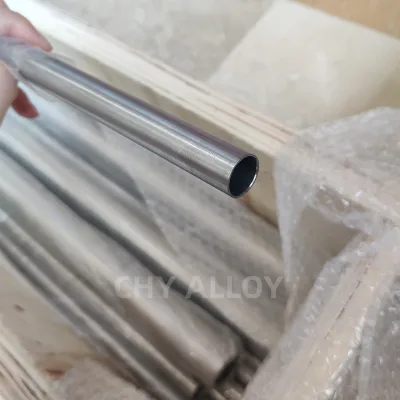


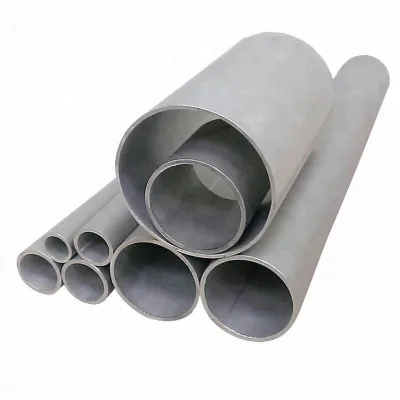
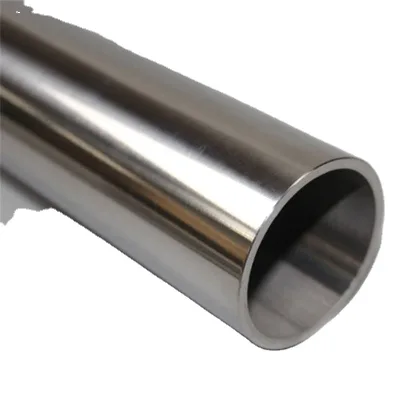


Monel Price Monel 400/Monel K500, High Quality Monel Price, Monel K500
$1400.00 - $1800.00
MOQ: 1 Tons


Comprehensive Sourcing Guide
Hot Rolled Monel 400 Pipe Sourcing Guide
Sourcing Monel 400 pipe requires a nuanced understanding of its unique nickel-copper alloy composition and the specific manufacturing processes that define its performance characteristics. This material, identified by the UNS number N04400, is renowned for its exceptional resistance to corrosion in a wide range of environments, including seawater, hydrofluoric acid, and alkaline solutions. Buyers must recognize that while the core material properties are consistent, the final product’s suitability for high-temperature and high-pressure applications depends heavily on the thermal history and mechanical processing it undergoes. The distinction between hot rolled and cold drawn variants is critical, as each process imparts different mechanical strengths, surface finishes, and dimensional tolerances that directly impact the pipe’s service life and installation requirements.
Procurement professionals often encounter conflicting information regarding the availability and specification of Hot Rolled Monel 400 Pipe, particularly when navigating global supplier directories. It is essential to verify whether the listed product is truly hot rolled or if the terminology is being used loosely to describe general alloy availability. The observed market signals indicate a complex landscape where some listings may combine multiple product types, such as Inconel 625 and Monel 400, under a single title, which can lead to confusion. Buyers must therefore exercise rigorous due diligence to ensure that the specific grade, process, and dimensions they require are explicitly confirmed by the supplier before committing to any purchase order.
Product Scope and Observed Listing Signals
The current market landscape for Monel 400 pipe presents a wide variance in how products are categorized and presented by suppliers. Observed listings frequently highlight the material’s primary attribute as a nickel-copper alloy with a minimum nickel content of 63%, which is fundamental to its corrosion-resistant properties. However, the scope of available products often extends beyond simple pipe descriptions to include related forms such as plates and special use steel plates, which may confuse buyers seeking specifically tubular components. It is crucial to distinguish between the core product, which is the pipe itself, and ancillary items that may be bundled in search results or supplier catalogs, ensuring that the procurement focus remains on the specific tubular geometry required for the application.
Price and minimum order quantity (MOQ) signals in the market reflect the specialized nature of this alloy and the variability in manufacturing scales. The observed price range is extensive, spanning from approximately $9.47 to over $5,600, which likely corresponds to differences in wall thickness, diameter, length, and whether the product is sold by the piece or by the kilogram. Similarly, MOQs vary significantly, ranging from single items to bulk orders of 500 units or more, with some specific listings indicating a standard MOQ of 50kg. Buyers should interpret these signals as indicators of supplier flexibility and production capacity rather than fixed market rates, understanding that custom sizes and specific heat treatments will inevitably influence the final commercial terms and pricing structure.
Technical Specifications to Verify
Verifying the technical specifications of Monel 400 pipe is the most critical step in ensuring material suitability for the intended application. The alloy state is typically specified as solution-treated, which provides a balanced combination of strength and ductility, but buyers must confirm if additional aging treatments are required for specific high-strength applications. The ultimate strength of the material is generally expected to be at least 450 MPa, with an elongation of no less than 35%, indicating good formability and toughness. However, these values can vary based on the manufacturing process, so it is imperative to request mill test certificates that explicitly state the mechanical properties of the specific batch being supplied, rather than relying on generic alloy data sheets.
Dimensional accuracy and surface finish are equally important technical parameters that must be clearly defined in the purchase agreement. The pipe is available in customized sizes, with wall thicknesses typically ranging from 1.65mm to 12.7mm and lengths from 5m to 12m, or as per customer request. The surface finish can be bright, oxidized, or pickled, each offering different levels of corrosion resistance and aesthetic quality. Buyers should also verify the section shape, which is predominantly round, and the end finish, which may be plain ended (PE) or beveled (BE) to facilitate welding during installation. Additionally, the density of the material, approximately 8.8 g/cm³, should be considered for weight calculations and logistics planning, especially for large-scale projects.
Compliance and Safety Documentation
Compliance with international standards and certifications is non-negotiable for Monel 400 pipe used in critical infrastructure, chemical processing, and oil and gas applications. Buyers must ensure that the supplier can provide documentation confirming adherence to recognized standards such as ASTM, AISI, DIN, GB, and JIS, which govern the chemical composition and mechanical properties of nickel-copper alloys. While specific standard numbers like ASTM B165 are often associated with seamless nickel and nickel-copper alloy flanges, the pipe itself may be governed by different specifications, such as ASTM B163 for seamless copper-nickel pipe. It is the buyer’s responsibility to clarify which standard applies to the specific product being ordered to avoid non-compliance during inspection or regulatory audits.
Certification packages should include third-party verification from reputable agencies such as BV, CE, and PED, which attest to the quality and safety of the manufacturing process. These certifications are particularly important for projects operating in regulated industries where traceability and quality assurance are mandatory. Buyers should request a complete set of documentation, including material test reports (MTRs), heat treatment records, and non-destructive testing (NDT) results if applicable. The presence of these documents not only validates the product’s quality but also facilitates smoother customs clearance and acceptance by end-users who require proof of material integrity and compliance with industry-specific regulations.
Cost Drivers and Commercial Terms
Understanding the cost drivers associated with Monel 400 pipe helps buyers negotiate better commercial terms and avoid unexpected expenses. The primary cost factors include the raw material price of nickel and copper, which fluctuates based on global market conditions, and the manufacturing process, with hot rolled and cold drawn methods incurring different production costs. Customization of size, wall thickness, and surface finish also adds to the overall price, as does the requirement for specific heat treatments such as solid solution and aging. Buyers should be aware that smaller order quantities or highly customized specifications may result in higher per-unit costs due to the setup and processing time required.
Commercial terms such as payment methods, delivery schedules, and packaging requirements significantly impact the total cost of ownership. Suppliers may offer various packaging options, including naked cargo, nylon bags, or wooden boxes, each with different implications for protection and handling costs. The single package size and gross weight, often around 50kg per unit, should be considered when planning logistics and storage. Buyers should also clarify the lead times for production and delivery, as well as the terms for handling defects or non-conforming goods, to ensure that the supply chain remains resilient and that any potential disruptions are managed effectively.
Supplier Qualification and Quality Control
Supplier qualification is a vital step in mitigating the risks associated with sourcing specialized alloy products. Buyers should assess the supplier’s manufacturing capabilities, including their experience with hot rolling and cold drawing processes, as well as their ability to perform necessary heat treatments. The location of the supplier, often in industrial hubs like Hebei or Wenzhou in China, can provide insights into the local supply chain and logistical advantages. However, geographic location should not be the sole determinant; instead, buyers should focus on the supplier’s track record, customer references, and their ability to provide consistent quality across multiple orders.
Quality control measures must be rigorously evaluated to ensure that the supplied Monel 400 pipe meets the specified requirements. Buyers should inquire about the supplier’s internal quality control processes, including incoming material inspection, in-process checks, and final product testing. The ability to provide detailed test reports for chemical composition, mechanical properties, and dimensional accuracy is a strong indicator of a supplier’s commitment to quality. Additionally, buyers may consider conducting third-party inspections or audits of the supplier’s facility to verify their quality management systems and ensure that they align with international best practices.
Long-Term Procurement Checks
Establishing long-term procurement relationships with reliable suppliers requires ongoing monitoring and evaluation of performance metrics. Buyers should regularly review supplier performance based on key indicators such as on-time delivery, product quality, and responsiveness to issues. Consistent adherence to agreed-upon specifications and standards is essential for maintaining the integrity of the supply chain and ensuring that the Monel 400 pipe continues to meet the operational requirements of the end application. Regular communication with the supplier can help identify potential issues early and foster a collaborative environment that supports continuous improvement.
Market trends and technological advancements in alloy manufacturing should also be monitored to ensure that the procurement strategy remains competitive and effective. As new standards emerge or manufacturing processes evolve, buyers may need to adjust their specifications and supplier requirements accordingly. Staying informed about industry developments can help buyers anticipate changes in material availability, pricing, and regulatory requirements, allowing them to make proactive decisions that support the long-term success of their projects. By maintaining a strategic approach to supplier management, buyers can secure a stable supply of high-quality Monel 400 pipe that supports their operational goals and minimizes risk.
FAQs
What is the minimum order quantity for Monel 400 pipe?
The minimum order quantity is 50kg for this product. This standard applies to the Monel 400 pipe listed with a single gross weight of 50kg and a customized size option for buyers.
Which certifications are available for this Monel 400 pipe?
Available certifications include ISO, CE, BV, Ts, and PED. These documents verify compliance for industrial applications such as pipeline transport, chemical industry, and oil gas drilling sectors.
Can I request customized sizes for the Monel 400 pipe?
Yes, customized sizes are available for this product. Buyers can specify wall thickness between 1.65mm and 12.7mm, with lengths ranging from 5m to 12m or based on specific requests.
What is the origin location of the Monel 400 pipe?
The place of origin is Hebei, China. The supplier is located in Wenzhou, offering products that meet standards like AISI, ASTM, DIN, GB, and JIS for various industrial uses.
How is the Monel 400 pipe surface treated?
The surface treatment options include bright, oxidized, or pickling finishes. These processes ensure the pipe is suitable for high-temperature applications and corrosion resistance requirements in machinery and construction.
What is the density of the Monel 400 pipe material?
The density of the material is 8.8g/cm3. This nickel copper alloy features a minimum nickel content of 63% and is processed through solid solution and aging treatments for optimal strength.