Source ex-proof dc fuel transfer pump with gun for refineries, farms, and workshops
Compare 30 verified ex-proof dc fuel transfer pump with gun options featuring DC12V or 24V power, variable or constant flow rates, and aluminum or cast iron bodies. These units support biodiesel, diesel, HVO, XTL, and kerosene transfer with single-cylinder designs and automatic or manual operation.
Key considerations
Products List


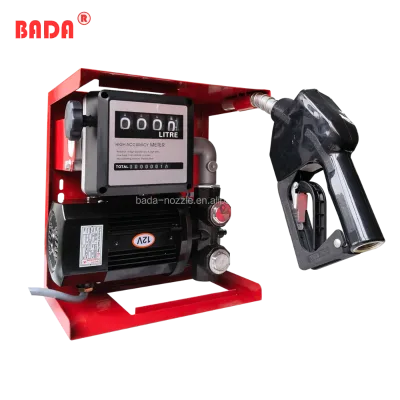


Fuel Transfer Pump Unit Ex-Proof Pump Diesel Gasoline Fuel Transfer Pump
$75.00 - $80.00
MOQ: 5 Pieces

DC 12V or 24V Electric Diesel Fuel Transfer Pump Set with Oil Nozzle Gun
$55.00 - $62.00
MOQ: 10 Pieces


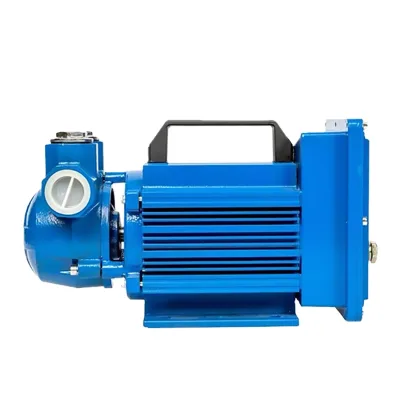
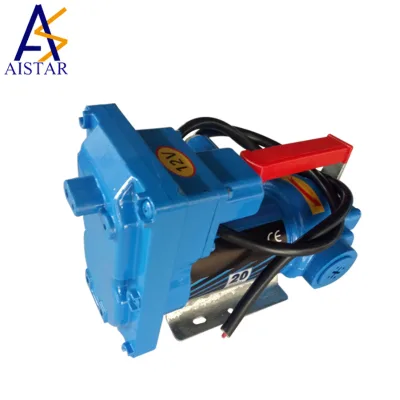

Transfer Pump 12V DC High Pressure Ex-Proof Petrol Gasoline Transfer Fuel Pump for Sale
$130.00 - $150.00
MOQ: 100 Pieces

Portable Fuel Pump Kits Explosion-Proof Diesel Gasoline Transfer Pump with Flow Meter
$200.00 - $220.00
MOQ: 100 Pieces

Diesel Transfer Pump 12V DC Electric Fuel Pump for Diesel Fuel Transfer
$35.00 - $50.00
MOQ: 100 Pieces


Comprehensive Sourcing Guide
Strategic Sourcing Guide for Ex-Proof DC Fuel Transfer Pumps with Gun
Understanding Technical Specifications and Core Attributes
When sourcing an ex-proof DC fuel transfer pump with a gun, buyers must first distinguish between the specific operational requirements of the equipment and the general market offerings. The core keyword implies a system designed for hazardous environments where flammable vapors are present, necessitating specific electrical and mechanical safeguards. Based on available product data, the primary drive mechanism for these units is electric, operating on a DC voltage supply. The observed voltage specifications in the market consistently align with DC12V or 24V systems, which are standard for mobile applications, backup power setups, and off-grid operations. This dual-voltage capability allows for flexibility in integration with various vehicle electrical systems or battery banks.
The power consumption and output capabilities vary significantly across different models, which directly impacts the pump's suitability for specific transfer tasks. Some units in the observed range are rated at 150W, while others, particularly those designed for higher flow rates or industrial applications, feature motors rated at 1/4 HP (approximately 187W) or 264W. It is critical to note that the term "ex-proof" in this context often correlates with specific motor constructions, such as the 1/4 HP Ex-Proof Motor observed in certain listings, which are engineered to prevent ignition of surrounding flammable atmospheres. The flow rate is another decisive technical parameter. Buyers will encounter both variable and constant pump configurations. Variable pumps, such as those associated with the AC-P12 model, offer flexibility in flow control, whereas constant pumps, like the DCEX56, provide steady output. The maximum flow rates observed range from 15-20 gallons per minute (gpm) to 50-70 liters, depending on the specific model and motor power.
The mechanical construction of the pump body is equally vital for durability and chemical compatibility. The materials observed in the market include aluminum and cast iron. Aluminum bodies are often preferred for their lightweight properties and corrosion resistance, while cast iron offers robustness for heavy-duty industrial use. The liquid compatibility is a fundamental constraint; these pumps are designed to handle a wide spectrum of fuels, including Biodiesel, Diesel, HVO, XTL, and Kerosene. The maximum pressure rating observed is 3 Bar, which is sufficient for most transfer applications but must be verified against the specific hose and nozzle requirements of the buyer's operation. The inclusion of an auto nozzle is a standard feature in many of these units, facilitating controlled dispensing. The pump structure is typically single-stage or single-cylinder, ensuring a compact footprint while maintaining reliable performance.
Compliance, Certification, and Safety Standards
In the realm of hazardous area equipment, compliance is not merely a regulatory formality but a critical safety requirement. The term "ex-proof" suggests adherence to rigorous standards regarding explosion protection. When evaluating potential suppliers, buyers must verify the presence of recognized certifications. The product data indicates that units are frequently accompanied by CCC (China Compulsory Certification), ISOCE, and RoHS certifications. While these are present in the market listings, buyers must understand that "ex-proof" status often requires specific testing against international standards such as ATEX (Europe) or IECEx (International), which may not be explicitly detailed in every generic listing.
The certification status must be validated against the specific application environment. For instance, the CCC certification confirms compliance with Chinese safety standards, which is a baseline for domestic manufacturing but may not be sufficient for export to regions with stricter explosion-proof mandates. The RoHS certification indicates compliance with restrictions on hazardous substances, ensuring environmental safety. However, the absence of a specific explosion-proof rating in the provided data does not negate the presence of safety features; rather, it highlights the need for buyers to request explicit documentation regarding the motor's explosion-proof classification. The "Ex-Proof Motor" attribute observed in some models suggests that the motor housing and electrical connections are designed to contain any internal explosion, preventing it from igniting the external atmosphere.
Buyers should also verify the material standards and construction quality. The observed standard for the product body material is listed as "Iron" or "Aluminium," and the standard for the threaded tank adapter is often BSP1" or 2"NPT. These threading standards are crucial for ensuring a leak-free connection between the pump, the tank, and the dispensing gun. The "No Blocking" performance attribute suggests that the internal design minimizes the risk of clogging, which is essential for maintaining flow in systems handling fuels with potential particulate matter. However, the "Automatic" performance attribute observed in some models refers to the pump's ability to self-regulate or shut off, which must be distinguished from the electrical safety features required for ex-proof certification.
Cost Drivers and Pricing Dynamics
The pricing of ex-proof DC fuel transfer pumps is influenced by a complex interplay of technical specifications, material costs, and certification overheads. The observed listed price range in the market spans from 20 to 1000 USD. This wide variance indicates that the market includes both basic, entry-level transfer pumps and high-end, fully certified industrial units. The lower end of the price spectrum likely corresponds to simpler models with basic electric drives, standard aluminum bodies, and minimal safety features. In contrast, the higher price points are associated with units featuring ex-proof motors, cast iron construction, higher flow rates, and comprehensive certification packages.
The Minimum Order Quantity (MOQ) is another significant factor affecting the total cost of procurement. The observed MOQ range is between 1 and 100 units. For buyers requiring a single unit for testing or small-scale operations, the ability to source with an MOQ of 1 is advantageous, though the unit price may be higher due to the lack of volume discounts. Conversely, buyers with larger procurement needs can leverage the higher MOQ range to negotiate better pricing per unit. The packaging standards also play a role in logistics costs. While some units are packed as "1 Piece in 1 Carton," others utilize "Standard Export Packaging" or generic "Cartons." The dimensions of the packaging, such as the observed 251515CM standard, influence shipping volume and freight charges, particularly for international buyers.
It is important to note that the "Customization" attribute is available in the market. Customization can significantly impact the final cost. Buyers requiring specific voltage configurations, unique nozzle types, or specialized mounting brackets may incur additional charges. The power rating is a primary cost driver; a 264W motor will inherently cost more than a 150W motor due to the increased material and manufacturing complexity. Similarly, the choice of material affects cost; cast iron pumps are generally more expensive than aluminum ones due to the raw material and machining requirements. Buyers must balance these cost drivers against their specific operational needs to ensure they are not over-specifying the equipment.
Typical Applications and Operational Context
The versatility of ex-proof DC fuel transfer pumps with guns makes them suitable for a diverse range of applications, primarily centered around the safe handling of flammable liquids. The ability to handle Biodiesel, Diesel, HVO, XTL, and Kerosene allows these pumps to be used in industries ranging from traditional transportation to emerging biofuel sectors. The "Air Conditioning Pump" and "Liquid Pumps" categories observed in the data suggest that while these units are primarily for fuel transfer, the underlying technology is adaptable to various fluid handling tasks, provided the chemical compatibility is maintained.
In mobile and off-grid scenarios, the DC12V or 24V operation is a distinct advantage. These pumps can be directly integrated into vehicle electrical systems, making them ideal for fuel transfer from storage tanks to generators, construction equipment, or agricultural machinery. The "Start Up: Electric Pump" attribute confirms their ease of use in remote locations where AC power may be unavailable. The "Single Cylinder" and "Single-stage Pump" structures ensure a compact design, allowing for installation in tight spaces within vehicles or small storage facilities.
For industrial applications, the "Automatic" performance and "No Blocking" features are critical. In large-scale fuel depots or processing plants, the ability of the pump to operate continuously without clogging ensures operational efficiency. The "Variable Pump" models are particularly useful in applications where flow rate needs to be adjusted based on the viscosity of the fuel or the specific requirements of the dispensing process. The "Constant Pump" models, on the other hand, are better suited for applications requiring a steady, predictable flow, such as filling large tanks or transferring fuel between storage vessels. The "Threaded Tank Adapter" options, including 2"NPT and BSP1", allow for seamless integration with existing tank infrastructure, reducing the need for additional adapters or modifications.
Supplier Evaluation and Geographic Considerations
When evaluating suppliers for ex-proof DC fuel transfer pumps, geographic origin and manufacturing capabilities are key indicators of quality and reliability. The product data indicates that the primary manufacturing hubs are located in Zhejiang and Wenzhou City, China. These regions are known for their robust manufacturing ecosystems, particularly in the production of pumps and fluid handling equipment. The concentration of suppliers in these areas suggests a competitive market with a wide variety of options, but it also necessitates careful due diligence to ensure that the specific supplier meets the buyer's quality standards.
The "Customization" attribute available in the market implies that many suppliers are willing to tailor products to specific buyer requirements. This flexibility is a positive indicator of a supplier's technical capability and customer service orientation. However, buyers should verify the supplier's ability to maintain consistent quality during the customization process. The "Standard Export Packaging" and "Cartons" options suggest that suppliers are experienced in international logistics, but buyers should still confirm the packaging integrity to prevent damage during transit.
Supplier evaluation should also include a review of their certification history. While the data lists CCC, ISOCE, and RoHS, buyers must ensure that the specific supplier can provide valid, up-to-date certificates for the specific models they are purchasing. The presence of "Ex-Proof Motor" attributes in the product descriptions is a strong signal, but buyers should request test reports or third-party verification to confirm the explosion-proof rating. The "Industry" classification of "Air Conditioning Pump" or "Liquid Pumps" in the data may indicate that some suppliers have a broader product range, which could be beneficial for buyers looking to source multiple types of fluid handling equipment from a single source.
Quality Control and Long-Term Procurement Strategy
Ensuring the long-term reliability of ex-proof DC fuel transfer pumps requires a proactive approach to quality control and procurement planning. The "Performance: No Blocking" and "Performance: Automatic" attributes are key quality indicators that should be verified through testing or reference checks. Buyers should request sample units or detailed performance data to confirm that the pumps meet the claimed specifications under real-world operating conditions. The "Max Pressure: 3 Bar" and "Max Flow Rate: 50-70L" specifications must be validated to ensure they align with the buyer's system requirements.
Long-term procurement considerations include the availability of spare parts and the durability of the pump components. The "Body Material: Aluminium" and "Material: Cast Iron" choices affect the lifespan of the pump in different environments. Aluminum offers corrosion resistance, while cast iron provides structural integrity. Buyers should assess the expected service life of the pump based on the material and the operating conditions. The "Standard Export Packaging" and "1 Piece in 1 Carton" options suggest that the pumps are designed for easy handling and storage, which is beneficial for inventory management.
The "Customization" attribute also plays a role in long-term strategy. Suppliers that offer customization can adapt to changing operational needs, such as switching from diesel to biodiesel or upgrading to a higher voltage system. However, buyers should ensure that the customization does not compromise the ex-proof certification or the overall safety of the unit. The "Voltage: DC12V or 24V" and "Voltage: 12/24V" specifications indicate that the pumps are versatile, but buyers should verify the compatibility with their existing electrical infrastructure to avoid costly retrofits.
In summary, sourcing an ex-proof DC fuel transfer pump with a gun requires a careful balance of technical specifications, compliance verification, cost analysis, and supplier evaluation. By focusing on the observed attributes such as the DC voltage, ex-proof motor construction, and material choices, buyers can make informed decisions that ensure safety, efficiency, and reliability in their fuel transfer operations. The wide range of options available in the market, from basic models to highly customized industrial units, provides flexibility for buyers with diverse needs, provided they conduct thorough due diligence and quality control checks.
FAQs
What voltage options are available for these pumps?
These pumps operate on DC12V or 24V systems. This dual-voltage capability allows flexible integration with various vehicle electrical systems or battery banks for mobile and off-grid operations.
Which certifications do the pumps typically hold?
Units frequently carry CCC, ISOCE, and RoHS certifications. While these confirm safety and environmental compliance, buyers should verify specific explosion-proof ratings for hazardous environments.
Can the pump handle different types of fuel?
Yes, the pumps are designed for Biodiesel, Diesel, HVO, XTL, and Kerosene. This wide liquid compatibility makes them suitable for traditional transportation and emerging biofuel sectors.
What is the maximum flow rate for these units?
Maximum flow rates range from 15-20 gallons per minute up to 50-70 liters. The specific rate depends on the model, with some offering variable flow and others constant flow.
Which body materials are used in construction?
Pump bodies are constructed from either aluminum or cast iron. Aluminum offers lightweight corrosion resistance, while cast iron provides robustness for heavy-duty industrial applications.
How is the product typically packaged for shipping?
Packaging includes one piece in a carton or standard export packaging. Dimensions like 25 by 15 by 15 centimeters influence shipping volume and freight charges for international buyers.
What is the price range for these pumps?
Listed prices range from 20 to 1000 US dollars. The variance reflects differences in motor power, material quality, and the level of safety certification included in each unit.