Source Hot Rolled Polished Copper Strip for Water Tubes, Air Conditioners, and Oil Coolers
Compare 30 listings for Hot Rolled Polished Copper Strip suitable for water tubes, air conditioners, and oil coolers. Buyers can review specifications like width, thickness, and alloy types including C10100 and C12200 from suppliers in China.
Key considerations
Products List


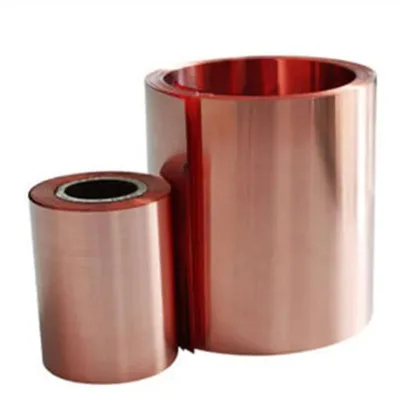
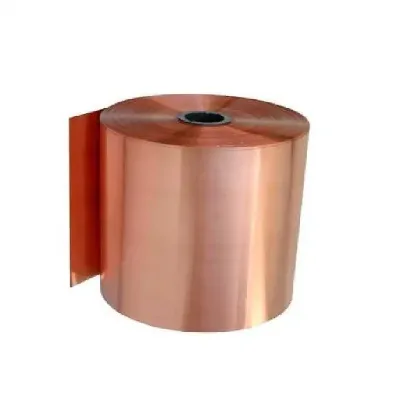

Good Smoothness and Good Straight Strip Steel for Hot Rolled Steel Strip
$1875.00 - $2275.00
MOQ: 10 Tons


Comprehensive Sourcing Guide
Strategic Sourcing Guide for Hot Rolled Polished Copper Strip
Understanding Material Variants and Technical Specifications
When sourcing Hot Rolled Polished Copper Strip, buyers must first navigate the diverse landscape of material compositions and physical specifications available in the global market. The core product category encompasses both non-alloy and alloy variants, each serving distinct industrial needs. The observed market data indicates a significant presence of non-alloy copper products, specifically identified as Red Copper, alongside alloy options that include brass and other specialized mixtures. The distinction between these materials is critical, as the mechanical properties, conductivity, and corrosion resistance vary substantially between pure copper grades and copper alloys.
The physical dimensions of the strip are equally vital for procurement success. The market offers a wide spectrum of widths ranging from 1mm up to 1500mm, allowing for applications that require either precision micro-strip or broad industrial sheeting. Similarly, thickness specifications are extensive, spanning from a delicate 0.01mm to a robust 30mm. This range accommodates everything from intricate electronic components to heavy-duty structural applications. The shape of the product is predominantly supplied in coil form, which facilitates high-speed processing in automated manufacturing lines, though round shapes are also noted in specific alloy contexts.
Color serves as a primary visual identifier for the material grade. The standard offerings include a distinct Red hue, characteristic of pure copper, and a Yellow coloration, which typically denotes brass alloys. Understanding these visual cues helps in the initial verification of material claims before deeper technical analysis. The product models available in the supply chain are extensive, covering a wide array of international designations. These include the C-series grades such as C10100, C10200, C11000, C12000, and C12200, which represent various purity levels and temper conditions. Additionally, designations like T1, T2, TP2, and CU-series codes (e.g., CU09, CU11, CU18, CU37, CU38, CU46) are prevalent. Buyers must verify that the specific model number requested aligns with the intended mechanical and electrical performance requirements of their final application.
Compliance Framework and Certification Verification
Navigating the complex web of international standards is a fundamental step in ensuring that the purchased copper strip meets regulatory and quality expectations. The supply chain for these products is governed by a robust set of standards from various global regions. The most frequently cited standard in the market is ASTM, which provides comprehensive guidelines for copper and copper alloy sheet, strip, and plate. However, the market is not limited to American standards; products are also manufactured and supplied in compliance with JIS (Japanese Industrial Standards), DIN (German Institute for Standardization), EN (European Norms), KS (Korean Standards), GB (Chinese National Standards), and AS/NZS (Australian/New Zealand Standards).
For buyers, the presence of multiple standard references does not imply that a single product satisfies all of them simultaneously. Instead, it indicates that suppliers offer flexibility to meet the specific regulatory requirements of the buyer's destination market. It is imperative for procurement teams to explicitly state the required standard in their purchase orders. For instance, while ASTM is a high-confidence fact in the product data, other standards like GB/T are also observed. The product standard field also notes that some items are manufactured "According to specification," which requires the buyer to provide detailed technical drawings or written specifications to ensure the final product matches the intended design.
Certification and quality control processes are integral to the verification of these standards. The market data highlights that reputable suppliers often engage third-party inspection agencies such as SGS, TUV, and BV. These organizations provide independent verification of material composition, mechanical properties, and dimensional accuracy. The presence of these certifications is a strong indicator of a supplier's commitment to quality assurance. However, buyers should not assume that every listed product automatically carries these certifications. Instead, the procurement process must include a specific request for current inspection reports or certificates of analysis (CoA) that validate the material against the agreed-upon standards. The standard field also mentions "brass / steel" in certain contexts, suggesting that some listings may involve mixed material categories or specific alloy classifications that require careful scrutiny to avoid misidentification.
Cost Drivers and Pricing Dynamics
The pricing structure for Hot Rolled Polished Copper Strip is influenced by a complex interplay of material costs, processing requirements, and logistical factors. The observed price range in the market is exceptionally broad, extending from approximately $4.88 to $12,000 per unit. This vast disparity is not indicative of inconsistent pricing for identical goods but rather reflects the significant differences in material grade, dimensions, and order volume. A small coil of high-purity C10100 copper with a thickness of 0.01mm will naturally command a different price point than a large coil of C2680 brass with a thickness of 30mm.
Several key factors drive these cost variations. First, the raw material cost of copper and the specific alloying elements (such as zinc in brass) fluctuates based on global commodity markets. Second, the processing complexity plays a major role. Hot rolling and polishing are energy-intensive processes that add value to the base metal. The degree of polishing required to achieve a specific surface finish can significantly impact the final price. Third, the dimensions of the strip directly affect the cost; wider and thicker strips require more raw material and heavier machinery to process.
Order volume is another critical determinant of cost. The market data indicates a Minimum Order Quantity (MOQ) range from 1 to 1000 units. Buyers ordering small quantities, such as single units or samples, will likely face a higher unit cost due to the fixed costs of production setup and logistics. Conversely, bulk orders that meet or exceed the higher end of the MOQ spectrum can leverage economies of scale to reduce the per-unit price. The payment terms offered, including L/C (Letter of Credit), T/T (Telegraphic Transfer), and Western Union, also influence the financial dynamics of the transaction. Suppliers may offer discounts for upfront payments or secure payment methods that reduce their financial risk.
Typical Applications and Industry Usage
The versatility of Hot Rolled Polished Copper Strip makes it a critical component across a diverse array of industrial sectors. The primary applications identified in the market data include water tubes, air conditioning and refrigerator systems, water heaters, and oil cooler pipes. In the HVAC and refrigeration industries, the material's high thermal conductivity and malleability are essential for manufacturing efficient heat exchangers and refrigerant lines. The polished surface finish helps in reducing friction and improving heat transfer efficiency, which is crucial for the performance of these systems.
Beyond thermal applications, copper strips are widely used in electrical and electronic components. The high electrical conductivity of pure copper grades like C10100 and C11000 makes them ideal for busbars, connectors, and flexible cables. The ability to produce strips in very thin gauges (down to 0.01mm) allows for the miniaturization of electronic devices, where space and weight are at a premium. In the automotive industry, copper strips are utilized in oil coolers and various fluid management systems due to their resistance to corrosion and ability to withstand pressure.
The specific application dictates the choice of material grade. For instance, applications requiring high electrical conductivity will favor non-alloy red copper, while applications demanding higher strength and machinability might opt for brass alloys like C2680. The shape of the product, typically supplied as a coil, is particularly advantageous for continuous manufacturing processes where the strip is fed directly into stamping or forming machines. This reduces waste and increases production efficiency. Buyers must align their application requirements with the specific material properties and dimensions available to ensure optimal performance and cost-effectiveness.
Supplier Evaluation and Procurement Logistics
Selecting the right supplier requires a thorough evaluation of their capabilities, location, and logistical support. The market data indicates that the primary origin of these products is China, with specific mentions of Ningbo as a sourcing hub. This geographic concentration suggests a mature supply chain with established infrastructure for manufacturing and export. However, buyers should verify the specific location of the supplier to ensure they are dealing with a manufacturer or a verified distributor rather than a middleman.
Logistical considerations are paramount when sourcing from international locations. The observed shipping methods include both air and sea freight, offering flexibility based on the urgency and volume of the order. Sea freight is typically more cost-effective for large volumes, while air freight may be necessary for urgent, smaller shipments. The lead time for production is noted as 20 days, which serves as a baseline for planning. However, buyers should confirm this timeline with the specific supplier, as it can vary based on order complexity and current production capacity.
Packaging is another critical aspect of supplier evaluation. The market offers various packaging options, including standard export seaworthy packages, wooden boxes, and pallets. The choice of packaging depends on the fragility of the product and the shipping method. Seaworthy packaging is essential for ocean transport to protect the strips from moisture and physical damage. Buyers should explicitly request packaging details in their inquiry to ensure the product arrives in pristine condition. Additionally, the availability of customization options is a significant advantage, allowing suppliers to tailor the product to specific client needs.
Quality Control and Long-Term Procurement Strategy
Ensuring consistent quality is the cornerstone of a successful procurement strategy for copper strip. The market data highlights the importance of third-party quality control agencies such as SGS, TUV, and BV. These organizations provide independent verification of the material's chemical composition, mechanical properties, and dimensional accuracy. Buyers should insist on receiving inspection reports from these agencies as part of the delivery documentation. This practice mitigates the risk of receiving substandard materials and provides a basis for recourse in case of disputes.
Long-term procurement considerations involve building a sustainable relationship with suppliers who can consistently meet quality and delivery expectations. The availability of customization, including the ability to adjust carbon content and other specifications, indicates that suppliers are capable of adapting to evolving project requirements. Buyers should look for suppliers who demonstrate a commitment to continuous improvement and transparency in their manufacturing processes.
Furthermore, understanding the payment terms and price stability is crucial for long-term planning. The observed payment terms, including L/C and T/T, offer different levels of security for both buyers and sellers. Buyers should negotiate terms that align with their cash flow and risk tolerance. By maintaining a clear understanding of the technical specifications, compliance requirements, and logistical capabilities of their suppliers, buyers can establish a robust supply chain that supports their operational needs and ensures the reliability of their final products.
FAQs
What material grades are available for Hot Rolled Polished Copper Strip?
Available grades include non-alloy red copper and various copper alloys like brass. Specific models range from C10100 and C11000 to T2 and C2680, ensuring options for both high conductivity and enhanced strength requirements.
Which standards govern the production of these copper strips?
Products are manufactured according to ASTM, JIS, DIN, EN, GB, and AS/NZS standards. Buyers must specify the required standard as some items are produced according to custom specifications rather than a single universal rule.
Can I customize the dimensions of the Hot Rolled Polished Copper Strip?
Yes, customization is available for width and thickness specifications. The width ranges from 1mm to 1500mm, while thickness can be adjusted from 0.01mm up to 30mm to meet precise engineering needs.
What is the typical lead time for ordering these copper strips?
The standard lead time is approximately 20 days for production. This duration may vary based on order complexity, specific customization requirements, and current supplier capacity at the manufacturing origin in China.
How is the quality of the copper strip verified before shipment?
Quality control involves third-party inspections by agencies like SGS, TUV, and BV. These certifications verify material composition and dimensions, ensuring the product meets the agreed-upon ASTM or GB standards before delivery.
What packaging options are provided for shipping the copper strips?
Packaging includes standard export seaworthy packages, wooden boxes, or pallets. The specific method is selected based on shipping requirements, with options available to be customized as needed for protection during transit.