Source Hydraulic Drilling Rig for Mining, Drilling, and Excavation
Find and compare 30 Hydraulic Drilling Rig options for ore mining, well drilling, and coal mining. These vertical rotary and core drilling machines feature models like YN1500 and XHN1000, with drilling depths up to 94m and diameters up to 3000mm, sourced from China.
Key considerations
Products List


Hydraulic Rotary Drill Rig Integrated Mining Drilling Rig Price
$15983200.00 - $15983275.00
MOQ: 1 Sets

Rotary Drilling Equipment High Efficiency Hydraulic Rotary Drilling Rig
$15983200.00 - $15983275.00
MOQ: 1 Sets


Hot Selling Rotary Drilling Rig Installation Core Drilling Rig Rotary Drilling Rig
$140000.00 - $143000.00
MOQ: 1 Sets


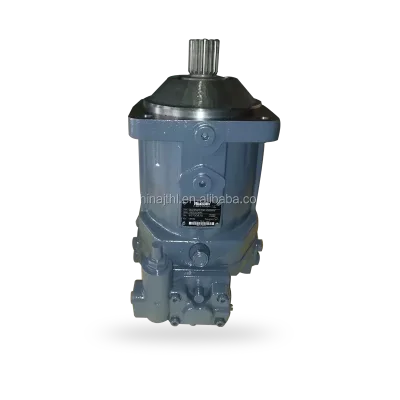


Borehole Drilling Rig Equipment Mining Machinery Hydraulic Rock Drilling Rig
$57800.00 - $60800.00
MOQ: 1 Sets


Crawler Hydraulic Drilling Rig Forward and Reverse Circulation Drilling Rig
$58888.00 - $59999.00
MOQ: 1 Pieces
Comprehensive Sourcing Guide
Hydraulic Drilling Rig Sourcing Guide
The Hydraulic Drilling Rig market presents a diverse array of machinery designed for heavy-duty extraction and exploration tasks, ranging from ore mining and well drilling to coal and oil mining operations. Buyers must navigate a landscape where product attributes vary significantly, with observed listings indicating a wide spectrum of capabilities from semi-automatic to fully automatic control modes. The core keyword for this procurement effort is the Hydraulic Drilling Rig, a critical asset that requires careful evaluation of its structural design, drilling method, and intended operational environment to ensure alignment with specific project demands.
Sourcing decisions for these rigs are heavily influenced by the specific application requirements, such as the need for vertical drilling structures or the capacity to handle large-diameter holes. The observed product data reveals that these machines are often customized to fit unique site conditions, with models ranging from YN1000 to YN1500 and other variants like XHN600. Procurement teams must prioritize understanding the distinction between rotary and core drilling methods, as the choice directly impacts the efficiency and output of mining or drilling projects, necessitating a clear definition of the operational scope before engaging with suppliers.
Product Scope and Observed Listing Signals
The product scope for hydraulic drilling rigs in the current market is defined by a mix of standard and customized configurations, with observed listings showing significant variation in physical dimensions and operational parameters. Buyers should note that while some units are designed for general mining applications with a vertical layout, others are specified for deep drilling tasks reaching depths of up to 94 meters or handling drilling diameters between 800mm and 3000mm. The presence of multiple model numbers, including YN-600, YN-1000, and YN-1500, suggests that suppliers offer a tiered range of equipment, requiring buyers to match the specific model to their required drilling depth and diameter capabilities.
Listing signals indicate that the market includes units with varying levels of automation, from artificial controlling modes to full-automatic systems, which directly affects the labor requirements and operational precision of the rig. The observed data also highlights differences in working hours, with some units rated for 400 to 9000 hours and others capable of sustaining 10,000 hours of operation, a critical factor for long-term project planning. Additionally, the physical weight of these machines ranges from 76 tons to 105 tons, implying that logistics and site preparation must be carefully planned to accommodate the substantial mass and footprint of the equipment.
Technical Specifications to Verify
When evaluating technical specifications, the primary focus must be on the drilling diameter and depth capabilities, as these are the most critical performance indicators for mining and exploration projects. Buyers should verify that the selected rig can handle the required drilling diameter, which in the observed market ranges from less than 50mm for smaller precision tasks up to 3000mm for large-scale extraction. It is essential to cross-reference the stated drilling depth, which varies from 60 meters to 94 meters in available listings, against the geological conditions of the target site to ensure the machine will not be underpowered or over-specified for the job.
The structural design and automatic grade of the rig are equally vital, with options ranging from vertical drilling machines to semi-automatic and fully automatic configurations. Procurement teams must confirm the controlling mode, as artificial control may require more skilled operators compared to full-automatic systems that enhance precision and reduce human error. Furthermore, the material composition, typically carbon steel, and the specific model designation, such as YN1000 or XHN1000, should be verified to ensure compatibility with the intended drilling method, whether it is rotary or core drilling, and to confirm that the machine's weight and dimensions align with site accessibility constraints.
Compliance and Safety Documentation
Compliance and safety documentation for hydraulic drilling rigs must include verification of international standards such as API, AISI, JIS, DIN, BS, and RoHS, which are frequently cited in product listings. Buyers should request evidence that the specific unit being purchased adheres to these standards, as they provide a baseline for material quality, environmental safety, and operational reliability. The presence of ISO certification is a strong indicator of a manufacturer's commitment to quality management, and it is advisable to confirm that the certification is current and applicable to the specific model and production batch being sourced.
Safety documentation should also encompass detailed information regarding the machine's warranty, which is observed to be typically one year, and the availability of video outgoing-inspection services. These video inspections allow buyers to verify the condition of the equipment before shipment, ensuring that the rig is in new condition and free from defects that could compromise safety during operation. Additionally, buyers must ensure that the supplier provides clear instructions on the maintenance of the drilling rig, including the recommended working hours and any specific safety protocols required for the vertical structure and heavy-duty components.
Cost Drivers and Commercial Terms
Cost drivers for hydraulic drilling rigs are primarily influenced by the level of automation, the drilling capacity, and the overall weight of the machine, with prices observed to range widely from $1,000 to over $15 million. The complexity of the automatic grade, whether semi-automatic or full-automatic, significantly impacts the final price, as does the drilling depth and diameter capabilities. Buyers should be prepared for a substantial investment, as the heavier units, weighing up to 105 tons, often command higher prices due to the increased material costs and engineering required for their construction.
Commercial terms such as the minimum order quantity (MOQ) and packaging requirements are also critical factors in the procurement process. The observed data indicates an MOQ of 1 unit, offering flexibility for buyers who may only need a single rig for a specific project. Packaging varies from standard export packets with containers to wooden boxes or nude shipping, and these choices can affect shipping costs and the risk of damage during transit. Buyers must negotiate clear terms regarding the delivery location, which is often from cities like Xiamen, Beijing, or Xuzhou in China, and ensure that the shipping terms account for the massive weight and dimensions of the equipment.
Supplier Qualification and Quality Control
Supplier qualification for hydraulic drilling rigs requires a thorough assessment of the manufacturer's origin and their ability to provide consistent quality across different models. The observed data points to suppliers located in major Chinese industrial hubs such as Xiamen, Beijing, and Xuzhou, which are known for their manufacturing capabilities. Buyers should verify the supplier's track record in producing rigs with the specific models and standards required, ensuring that they have a history of delivering equipment that meets the rigorous demands of the mining and drilling industries.
Quality control measures should include a review of the supplier's inspection processes, such as the provision of video outgoing-inspection services, which allow for a visual verification of the machine's condition before it leaves the factory. It is also essential to confirm that the supplier offers a warranty, typically one year, and has a clear process for handling any defects or issues that arise during the initial period of operation. Buyers should also check if the supplier provides detailed documentation on the machine's specifications, including the drilling method, working hours, and weight, to ensure that the delivered product matches the agreed-upon requirements.
Long-Term Procurement Checks
Long-term procurement checks for hydraulic drilling rigs involve monitoring the machine's performance over its expected working life, which can range from 400 to 10,000 hours depending on the model and usage conditions. Buyers should establish a maintenance schedule that aligns with the manufacturer's recommendations to ensure the rig continues to operate efficiently and safely throughout its lifespan. Regular inspections should be conducted to check for wear and tear on critical components, such as the drilling mechanism and the vertical structure, to prevent unexpected downtime and costly repairs.
Additionally, buyers must plan for the eventual replacement or upgrade of the drilling rig, considering the obsolescence of certain models and the availability of spare parts. The observed data suggests that different models have varying lifespans and performance characteristics, so it is important to select a rig that offers a balance between initial cost and long-term reliability. Procurement teams should also maintain a relationship with the supplier to ensure access to technical support and updates, which can help extend the useful life of the equipment and maximize the return on investment for the mining or drilling project.
FAQs
What materials are used for hydraulic drilling rigs?
Hydraulic drilling rigs are primarily constructed from carbon steel to ensure durability and strength in demanding environments. This material choice supports heavy-duty applications such as ore mining, well drilling, and coal mining. The robust construction allows the equipment to withstand significant mechanical stress and abrasive conditions during continuous operation in various industrial sectors.
Which standards do these drilling rigs comply with?
These machines comply with a wide range of international standards including API, AISI, JIS, DIN, BS, and RoHS. This broad compliance ensures that the equipment meets global safety and quality requirements for different markets. Buyers can rely on these certifications to verify that the machinery adheres to recognized engineering and environmental regulations across various regions.
Can hydraulic drilling rigs be customized for specific needs?
Yes, customization is available for hydraulic drilling rigs to meet specific operational requirements. Buyers can request modifications to suit particular mining or drilling conditions. This flexibility allows for tailored solutions that enhance efficiency and performance, ensuring the equipment aligns precisely with the unique demands of different projects and industrial applications worldwide.
What is the typical drilling depth for these rigs?
The drilling depth varies by model, with some units reaching up to 94 meters. Other models may offer depths around 60 meters or 80 meters depending on the specific configuration. These capabilities make them suitable for various drilling tasks, from shallow exploration to deeper resource extraction, providing versatility for different mining and geological surveying projects.
What certifications are provided with the drilling equipment?
The equipment typically comes with ISO certification and is supplied in new condition. This ensures that the machinery meets established quality management standards. Buyers receive assurance of consistent manufacturing quality and reliability. The certification process validates that the production and inspection procedures adhere to international benchmarks for industrial machinery and equipment safety.
How are the drilling rigs packaged for shipment?
Packaging options include standard export packets with containers, wooden boxes, or roll-on methods. Some units may be shipped in nude condition depending on the specific model and logistics requirements. These varied packaging strategies ensure safe transport and protection of the heavy machinery during international shipping, minimizing the risk of damage during transit to the destination port.