Source Hydraulic Lifting Jack Screw for Industrial Track Lifting
Find and compare 30 Hydraulic Lifting Jack Screw options for industrial track lifting and vehicle tools. These steel mechanical jacks offer capacities from 2t to 200t with OEM customization support and ISO 9001:CE certification for reliable heavy lifting applications.
Key considerations
Products List


$125.00 - $135.00
MOQ: 2 Pieces



Screw Jack/Motor Screw Jack/Mini Screw Jack/Screw Jack Motor/Screw Jack
$20.00 - $300.00
MOQ: 1 Pieces


CE Certification 20 Ton D Small Thread Rod Hydraulic Cylinder Screw Jacks
$27.04 - $29.58
MOQ: 50 Pieces


Ground Support Lifting Jack Mechanical Screw Heavy-Duty 20ton Capacity
$1200.00 - $2500.00
MOQ: 1 Pieces


Comprehensive Sourcing Guide
Hydraulic Lifting Jack Screw Sourcing Guide
Procuring Hydraulic Lifting Jack Screw systems requires a disciplined approach to distinguishing between mechanical leverage tools and high-capacity industrial actuators. Buyers must first clarify whether the operational need involves rapid, short-stroke lifting for vehicle maintenance or precise, slow-stroke vertical positioning for heavy machinery assembly. The market offers distinct categories, including portable mini claw jacks designed for track lifting and heavy-duty screw jack systems capable of sustaining multi-hundred-ton loads. Understanding this fundamental distinction prevents the selection of underpowered equipment for industrial applications or over-engineered solutions for simple maintenance tasks.
The sourcing landscape is dominated by manufacturers in specific industrial hubs, particularly in Hebei and Baoding, China, where supply chains for steel components and hydraulic cylinders are concentrated. These regions produce a wide array of models, ranging from standard 2-ton portable units to massive 200-ton capacity systems. Buyers should recognize that "hydraulic" and "screw" mechanisms often serve different purposes within the same product family. Hydraulic jacks provide rapid lifting force through fluid pressure, while screw jacks offer mechanical stability and self-locking capabilities. Aligning the procurement strategy with the specific mechanical advantage required is the first critical step in ensuring operational safety and efficiency.
Product Scope and Observed Listing Signals
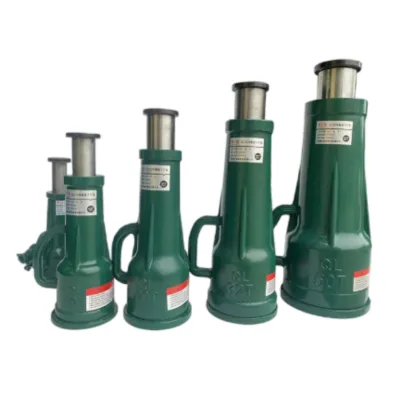
Current market listings reveal a diverse range of product attributes that signal specific use cases and capabilities. Observed data indicates a significant variation in lift heights, with some portable units offering a minimum height of just 20mm and others starting at 110-200mm. Maximum capacities span from 2 tons to an impressive 200 tons, with specific models noted for capacities between 41-50 tons and others reaching 250-300 tons. These numerical ranges are critical for buyers to match against their actual load requirements, as exceeding the rated capacity can lead to catastrophic failure. The presence of "Blue Claw Jack" and "Green Screw Jack Systems" in listings highlights the visual and functional differentiation between quick-lift tools and precision positioning devices.
Packaging and origin details provide additional context for logistics and quality expectations. Most products are shipped in cartons, wooden cases, or pallets, with specific dimensions like 783640cm noted for certain models. The origin is consistently listed as China, with Hebei and Baoding being prominent locations. Buyers should note that while many products are marked as "New" and support OEM customization, the actual weight and dimensions can vary significantly. For instance, one heavy-duty model weighs 650kg, indicating the substantial material investment required for high-capacity units. These signals help buyers estimate shipping costs and warehouse space requirements before finalizing orders.
Technical Specifications to Verify
Verifying core components and structural integrity is essential for ensuring the longevity and safety of hydraulic lifting equipment. The core components often include the cylinder barrel, which must be constructed from high-grade steel to withstand high internal pressures. Buyers should verify the material specifications to ensure resistance to corrosion and wear, particularly in industrial environments where exposure to moisture or chemicals is common. The structure of the jack, whether it is a simple hydraulic jack or a more complex screw jack system, dictates its maintenance requirements and operational lifespan. Confirming the material quality and structural design prevents premature failure under heavy loads.
Lift height and stroke length are critical technical parameters that must align with the application's spatial constraints. Listings indicate max heights ranging from 351-400mm to over 400mm, with min heights as low as 20mm. Buyers must ensure that the jack can reach the required lifting height while maintaining stability at the extended position. Additionally, the power source, typically hydraulic, must be compatible with the available power supply in the facility. For screw jack systems, the mechanical advantage and thread pitch determine the lifting speed and force multiplication. Verifying these specifications against the actual lifting needs ensures that the equipment will perform reliably without excessive strain on the power unit or mechanical components.
Compliance and Safety Documentation
Safety compliance is non-negotiable when sourcing heavy lifting equipment, as failures can result in severe injury or property damage. Buyers should prioritize suppliers who provide relevant certifications, such as ISO 9001 for quality management systems and CE marking for European market compliance. These certifications indicate that the manufacturer adheres to established standards for design, manufacturing, and testing processes. While specific safety standards may vary by region, the presence of these certifications is a strong indicator of a supplier's commitment to quality and regulatory adherence. Buyers should request copies of these certificates to verify their validity and scope.
Video outgoing inspections and detailed product documentation are valuable tools for assessing quality before shipment. Some suppliers offer video inspections of the finished product, allowing buyers to visually verify the construction quality, weld integrity, and surface finish. This remote verification step can help identify potential defects or inconsistencies that might not be apparent from static images. Additionally, buyers should ensure that the supplier provides comprehensive user manuals and safety guidelines. These documents should include clear instructions on proper usage, maintenance schedules, and emergency procedures. Having this documentation readily available ensures that operators are trained correctly and can use the equipment safely.
Cost Drivers and Commercial Terms
Understanding the factors that influence pricing is crucial for effective budgeting and negotiation. The primary cost drivers for hydraulic lifting jacks include the material quality, manufacturing complexity, and maximum capacity. Higher capacity jacks require thicker steel walls, larger cylinders, and more robust mechanical components, all of which increase production costs. Customization options, such as OEM branding or specific color schemes, can also add to the final price. Buyers should be aware that while some listings show low minimum order quantities (MOQs) of 10 pieces, larger orders may offer better unit pricing due to economies of scale.
Commercial terms, including payment methods and shipping arrangements, significantly impact the total cost of ownership. Buyers should negotiate clear terms regarding packaging, as options like export wooden box packaging may incur additional fees. Lead times can vary based on the complexity of the order and the supplier's current production schedule. It is advisable to confirm lead times early in the procurement process to avoid project delays. Additionally, buyers should consider the total cost of logistics, including freight insurance and customs duties, which can vary depending on the destination country. Transparent communication with the supplier about these terms helps prevent unexpected expenses and ensures a smooth transaction.
Supplier Qualification and Quality Control
Evaluating supplier qualifications is a critical step in mitigating procurement risks. Buyers should assess the supplier's manufacturing capabilities, including their facility size, equipment, and workforce expertise. Suppliers with dedicated quality control teams and standardized testing procedures are more likely to deliver consistent product quality. Requesting references from previous clients can provide insights into the supplier's reliability and after-sales support. Additionally, verifying the supplier's business license and export history can help confirm their legitimacy and experience in international trade.
Quality control processes should be clearly defined and agreed upon before placing orders. Buyers should inquire about the supplier's inspection protocols, including incoming material inspections, in-process checks, and final product testing. Some suppliers provide video outgoing inspections, which can be a valuable tool for verifying product condition before shipment. Buyers may also consider hiring third-party inspection agencies to conduct pre-shipment inspections, especially for large or high-value orders. Establishing a clear quality assurance framework ensures that the purchased equipment meets the specified standards and reduces the risk of receiving defective products.
Long-Term Procurement Checks
Establishing long-term procurement relationships requires ongoing monitoring and evaluation of supplier performance. Buyers should regularly review key performance indicators, such as on-time delivery rates, product defect rates, and responsiveness to issues. Maintaining open communication with the supplier allows for timely resolution of any problems that may arise. Additionally, buyers should stay informed about industry trends and technological advancements that may impact their procurement needs. This proactive approach helps ensure that the supplier remains a reliable partner and that the equipment continues to meet operational requirements.
Regular audits and feedback loops are essential for continuous improvement in the supply chain. Buyers should conduct periodic audits of the supplier's quality management systems and production processes to ensure ongoing compliance with agreed-upon standards. Providing constructive feedback on product performance and service quality helps the supplier identify areas for improvement. Furthermore, buyers should evaluate the supplier's ability to adapt to changing market conditions, such as fluctuations in raw material prices or shifts in regulatory requirements. A strong, collaborative relationship with the supplier fosters trust and ensures a stable supply of high-quality hydraulic lifting jacks for future projects.
FAQs
What is the minimum height for these hydraulic lifting jacks?
The minimum height is 20mm for most models, though some specific units reach 200mm. This dimension ensures the jack fits under low-clearance vehicles or industrial equipment effectively. Buyers should verify the exact model specifications before purchase to ensure compatibility with their lifting requirements.
Can I get custom OEM or ODM support for these jacks?
Yes, customized support including both OEM and ODM services is available for these hydraulic lifting jacks. Manufacturers in Hebei, China, offer flexible customization options to meet specific industrial needs. Buyers can request tailored designs while maintaining the core mechanical structure and safety standards required for heavy lifting applications.
Which certifications do these hydraulic lifting jacks hold?
These products typically hold ISO 9001 and CE certifications to ensure quality and safety compliance. The manufacturing process adheres to international standards, making them suitable for global industrial markets. Buyers should request specific certification documents from suppliers to verify that the units meet the required regulatory standards for their region.
How much is the minimum order quantity for these jacks?
The minimum order quantity is generally 10 pieces, though some listings allow orders starting from just one unit. This flexibility supports both small-scale procurement and large industrial projects. Buyers should confirm the specific MOQ with the supplier, as it may vary based on the model capacity and customization requirements.
What is the maximum lifting capacity range for these jacks?
The maximum lifting capacity ranges from 2 tons up to 200 tons, with some heavy-duty models reaching 300 tons. This wide range accommodates various industrial applications, from vehicle tools to heavy track lifting. Buyers must select the appropriate capacity based on their specific load requirements to ensure safe and efficient operation.
Where are these hydraulic lifting jacks manufactured?
These jacks are primarily manufactured in Hebei and Baoding, China, known for their industrial manufacturing capabilities. The products originate from these regions and are exported globally using standard packaging like wooden cases or cartons. Buyers can expect consistent quality from these established manufacturing hubs when sourcing these mechanical lifting devices.
What materials are used to construct these lifting jacks?
The primary material used is steel, ensuring durability and strength for heavy lifting tasks. The construction includes core components like cylinder barrels to maintain structural integrity under high pressure. This robust material selection guarantees that the jacks can withstand the demanding conditions of industrial and track lifting applications effectively.