Source Hydraulic Live Cable Puncture Device for Testing
Find and compare 30 hydraulic live cable puncture devices from verified manufacturers. Evaluate specifications such as output voltage, maximum test distance, and power source options to identify the right solution for high-voltage cable fault location and maintenance tasks.
Key considerations
Products List


Hvhipot High Voltage Cable Puncture Device Hv Cable Safety Puncture Device
$1500.00 - $3000.00
MOQ: 1 Pieces

Cable Fault Locator Cable Puncture Instrument Double Gun Cable Stabbing Device
$1799.00 - $2146.35
MOQ: 1 sets


Universal Usage and Electric Power Underground Cable Fault Testing Device
$1935.00 - $6694.00
MOQ: 1 Pieces

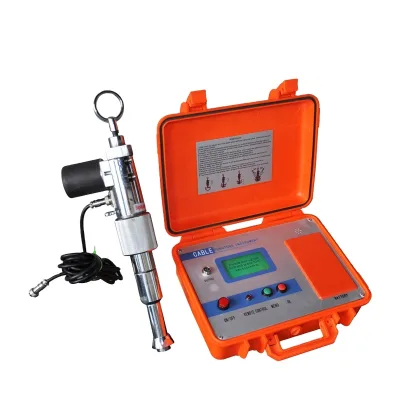
HVHIPOT High Voltage Cable Puncture Device HV Cable Safety Puncture Device Power Cable Testing
$100.00 - $3000.00
MOQ: 1 Minimum


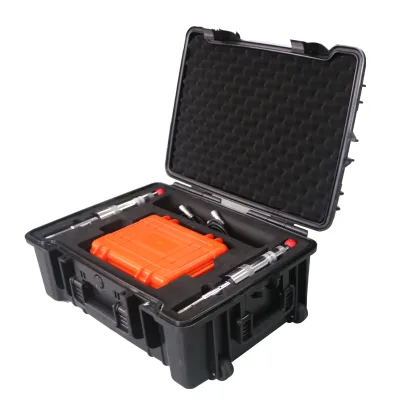


Wire Max Tension Device Cable Stringing Equipment 80kn Hydraulic Tensioner
$45000.00 - $65000.00
MOQ: 1 Pieces
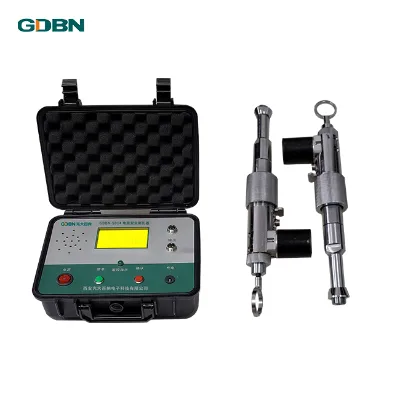

Comprehensive Sourcing Guide
Hydraulic Live Cable Puncture Device Sourcing Guide
Procuring specialized high-voltage testing equipment requires a rigorous understanding of both the mechanical capabilities and the electrical safety protocols inherent to the device. The Hydraulic Live Cable Puncture Device is a critical tool in power distribution maintenance, designed to simulate fault conditions on energized cables for testing protection systems and locating defects. Buyers must approach this procurement with a focus on technical precision, as the device operates under extreme electrical stress to generate high-voltage pulses that mimic real-world cable failures. The primary objective is to ensure that the selected equipment can reliably puncture insulation at predetermined voltage levels without compromising the safety of the operators or the integrity of the surrounding grid infrastructure.
This guide provides a structured framework for evaluating suppliers and specifications based on observed market data and trusted industry knowledge. It emphasizes the verification of key performance indicators such as output voltage, pulse current, and operational range. By focusing on these tangible attributes, procurement teams can mitigate the risks associated with equipment failure during critical testing scenarios. The following sections detail the product scope, technical verification steps, compliance requirements, cost structures, supplier qualifications, and long-term maintenance considerations necessary for a successful acquisition.
Product Scope and Observed Listing Signals
The market for high-voltage testing equipment includes a variety of devices, ranging from simple cable identifiers to complex fault locators and puncture generators. Observed listings indicate a broad price range, reflecting differences in output capacity, automation levels, and brand reputation. Buyers should note that while some products are marketed as universal testing machines, the specific application of live cable puncturing requires dedicated high-voltage pulse generation capabilities. The presence of features such as wireless remote control and digital displays suggests a trend toward enhanced operator safety and ease of use, allowing technicians to maintain a safe distance from high-voltage arcs during operation.
It is essential to distinguish between general cable testing equipment and specialized puncture devices. Some listed products, such as cable fault locators or identifiers, serve complementary roles in the diagnostic process but do not perform the high-energy puncture function. For instance, devices with models like KDZD220 or HZDS-5B may offer features such as acoustic magnetic positioning or wireless identification, which are valuable for post-puncture analysis but are distinct from the puncture mechanism itself. Procurement teams must carefully review product descriptions to ensure the selected unit possesses the necessary high-voltage output capacity to generate the required pulse for insulation breakdown testing.
Technical Specifications to Verify
When evaluating potential units, the maximum output voltage and pulse peak output current are the most critical technical parameters. The device must be capable of delivering sufficient energy to puncture the insulation of cables across various voltage levels, typically ranging from low voltage (220V/380V) to high voltage (up to 220kV). Buyers should verify that the equipment can handle the specific cable diameters and burial depths encountered in their operations. For example, some observed specifications indicate a maximum test line burial depth of 4.5 meters and applicability for cables up to 125mm in diameter, which are important constraints for field deployment.
Additional technical attributes such as power source, weight, and operational time significantly impact usability. Most modern units operate on AC 220V power, often with a tolerance range, and may include battery-powered remote controllers for safety. The weight of the main unit and the remote control should be considered for portability, especially if the equipment needs to be transported to remote sites. Specifications such as a product weight of 8kg for the remote or a main unit weight under 100kg can influence logistics and handling requirements. Buyers should also check the working power consumption and the duration of onsite usage, as limited battery life or high power draw can restrict the number of tests performed in a single day.
Compliance and Safety Documentation
Safety is paramount when dealing with high-voltage equipment, and compliance with international standards is a non-negotiable requirement. Buyers must ensure that the supplier provides documentation confirming adherence to relevant safety standards, such as CE certification, which indicates conformity with health, safety, and environmental protection standards for products sold within the European Economic Area. Additionally, ISO certifications, particularly ISO 9001 for quality management systems, suggest that the manufacturer has established robust processes for consistent product quality and reliability. These certifications are critical for risk mitigation and ensuring that the equipment meets recognized industry benchmarks.
Beyond certifications, buyers should request detailed safety manuals and operational guidelines that outline proper procedures for high-voltage testing. The device should include built-in safety features, such as automatic matching of output frequency and clear indicators for operational status. The use of wireless remote controls with a specified distance range (e.g., ≥4m or ≤20m) enhances operator safety by allowing them to remain at a safe distance from the puncture site. Procurement teams should verify that the remote control battery type and specifications are clearly defined, as this affects maintenance and replacement costs. Ensuring that the equipment is designed to minimize arc flash risks and electromagnetic interference is also essential for safe operation in live environments.
Cost Drivers and Commercial Terms
The cost of hydraulic live cable puncture devices is influenced by several factors, including output capacity, automation features, and customization options. Higher output voltages and currents typically command higher prices due to the increased complexity of the high-voltage components and insulation requirements. Devices that offer advanced features such as computer control, digital displays, and wireless remote operation may also be priced at a premium. Buyers should consider the total cost of ownership, which includes not only the initial purchase price but also maintenance, spare parts, and potential software updates for reengineering or customization.
Commercial terms such as Minimum Order Quantity (MOQ) and packaging requirements can also impact the overall procurement cost. Observed MOQs vary, with some suppliers offering single-unit orders, which is beneficial for small-scale testing needs. Packaging is another consideration, as devices may be shipped in cartons or wooden cases with foam inserts to protect sensitive components during transit. Buyers should negotiate clear terms regarding warranty, after-sales support, and training provisions. Understanding the supplier’s customization capabilities, such as OEM or ODM support, can also provide value if specific branding or functional adjustments are required for the buyer’s organization.
Supplier Qualification and Quality Control
Selecting a qualified supplier is crucial for ensuring the reliability and performance of the high-voltage testing equipment. Buyers should prioritize suppliers with a proven track record in manufacturing electrical testing instruments and a strong presence in the industry. Geographic origin can be an indicator of manufacturing expertise, with regions like Hubei and Hebei in China being known for producing such equipment. However, buyers should not rely solely on location but should verify the supplier’s technical capabilities, production facilities, and quality control processes. Requesting references or case studies from previous clients can provide insights into the supplier’s reliability and customer service quality.
Quality control measures implemented by the supplier should be thoroughly evaluated. This includes verifying the accuracy grade of the device, such as a 0.1 or 0.2 class for precision instruments, and ensuring that each unit undergoes rigorous testing before shipment. Buyers should inquire about the supplier’s testing protocols, including high-voltage withstand tests and pulse output verification. Additionally, the availability of technical support and spare parts is essential for long-term operational success. Suppliers that offer software reengineering or customization support can provide added value by adapting the equipment to specific testing requirements or integrating it with existing diagnostic systems.
Long-Term Procurement Checks
To ensure the sustained performance and safety of the Hydraulic Live Cable Puncture Device, buyers must establish a routine for maintenance and performance verification. Regular calibration of the output voltage and current is essential to maintain accuracy, especially as the device ages or experiences heavy use. Buyers should work with the supplier to develop a maintenance schedule that includes inspection of high-voltage components, replacement of worn parts, and software updates. Keeping detailed records of testing cycles and any anomalies observed during operation can help identify potential issues before they lead to equipment failure.
Furthermore, buyers should periodically review the supplier’s product updates and technological advancements. The field of high-voltage testing is evolving, with new features and improvements being introduced regularly. Staying informed about these developments can help buyers decide when to upgrade their equipment or add complementary tools to their testing arsenal. Engaging with the supplier for ongoing technical support and training ensures that operators remain proficient in using the equipment safely and effectively. By maintaining a proactive approach to procurement and maintenance, organizations can maximize the lifespan and utility of their high-voltage testing assets.
FAQs
What is the maximum output voltage for this device?
The device provides an output voltage of up to 100vpp. This capacity supports effective puncturing for various cable types. It is designed to handle detection cable voltage levels ranging from 220V to 220kv. The automatic matching output frequency ensures compatibility with different line conditions.
Can the device handle high voltage cables up to 125mm?
Yes, the equipment is applicable for high voltage cables with a diameter of 125mm or less. The maximum diameter of the puncture cable is specified as 160mm. This allows for versatile use across different cable specifications. The system is engineered to manage these dimensions safely and efficiently.
How long does the battery last during onsite operation?
The onsite using time is approximately 3 hours. The remote controller uses a 23A 12V vehicle anti-theft battery. This power source ensures reliable wireless remote control. The distance for wireless control is up to 20 meters, facilitating safe and flexible operation during testing.
What is the maximum test distance for cable faults?
The maximum test distance is between 0 and 35km. For open lines, this distance can extend up to 100km. The device features a receiver sensitivity of 6e-15 Tesla. This high sensitivity aids in accurate fault location over long distances.
Is customization available for this cable fault locator?
Customization is available for this product. The supplier supports OEM, ODM, and software reengineering. The product weight is 8kg, making it portable. Packaging options include carton or wooden cases. This flexibility allows buyers to tailor the device to specific operational needs.
What is the accuracy of the acoustic magnetic positioning?
The acoustic magnetic positioning accuracy is plus or minus 0.5m. The maximum test line burial depth is 4.5 meters. This precision helps in locating faults accurately underground. The device uses electronic power and digital display for clear readings.