Source Hydraulic Riveting Machine for Construction, Auto, and Aerospace
Compare 30 Hydraulic Riveting Machine listings from verified Chinese suppliers. Evaluate specifications like pressure, stroke, and automation levels to find the right equipment for industrial assembly tasks. Review models with varying pressure ratings and stroke distances to ensure compatibility with your specific manufacturing requirements and operational needs.
Key considerations
Products List


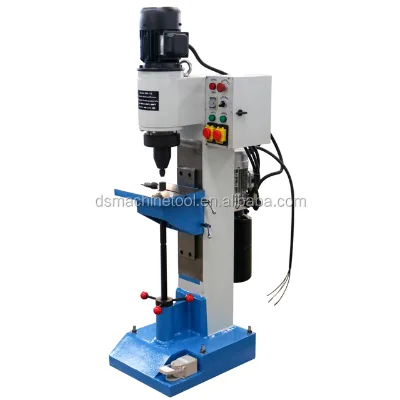


$460.00 - $1200.00
MOQ: 1 Boxes


Fully Automatic High Quality Hydraulic Riveting Machine Press Machine
$1200.00 - $1300.00
MOQ: 1 Boxes


Hydraulic Rotary Riveting Machine Hollow Rivet Flanging Riveting Machine
$2220.00 - $2250.00
MOQ: 1 Pieces

Simple Operation Automatic Feeding Riveting Machine Hydraulic Riveting Machine
$4010.00 - $4060.00
MOQ: 1 Pieces


High Quality Durable Fastener Insertion Machine Riveting Press Machines Manual
$4480.00 - $4680.00
MOQ: 1 Pieces


Comprehensive Sourcing Guide
Hydraulic Riveting Machine Sourcing Guide
Procuring hydraulic riveting machines requires a strategic approach to align equipment capabilities with specific production demands. These machines are essential for high-strength fastening in structural steel, construction machinery, and heavy manufacturing sectors. Buyers must evaluate the balance between manual operation and semi-automatic features to optimize throughput. The decision hinges on understanding the mechanical advantages of hydraulic pressure over pneumatic alternatives, particularly for larger diameter rivets.
Selection criteria should prioritize the machine’s ability to handle varying rivet sizes and material thicknesses. Key considerations include the maximum riveting diameter, pressure capacity, and spindle travel range. Understanding these parameters ensures the selected unit can accommodate current projects and future scaling. Buyers should also assess the working style, such as rotary or fixed head configurations, to match the ergonomic needs of the assembly line.
Product Scope and Observed Listing Signals
The market offers a diverse range of hydraulic riveting solutions, from compact hand-held units to large stationary presses. Observed listings indicate a wide price spectrum, reflecting differences in automation levels, power sources, and build quality. Some models are designed for portable use with pneumatic power, while others are heavy-duty stationary units requiring electrical input. This variety allows buyers to select equipment that fits specific budget constraints and operational environments.
Listing signals reveal important details about customization and packaging. Many suppliers offer non-customized standard models but provide customization options for specialized needs. Packaging typically involves full-closed wooden cases or sturdy wooden boxes to ensure safe transit. These details are critical for logistics planning, as improper packaging can lead to damage during shipping. Buyers should verify packing specifications to avoid unexpected freight costs or handling issues.
Technical Specifications to Verify
Technical verification begins with the machine’s pressure and stroke capabilities. Buyers must confirm the maximum pressure rating, which can range from moderate levels for light tasks to high capacities for structural applications. The riveting stroke and distance from head to table are crucial for determining the size of components that can be processed. These dimensions directly impact the machine’s versatility and suitability for specific job types.
Power supply and flow rate are equally important technical factors. Hydraulic systems require specific voltage inputs and oil flow rates to operate efficiently. Models may vary from 380V electrical inputs to pneumatic power sources, each with distinct maintenance requirements. Additionally, the cylinder diameter and nominal pressure determine the force applied during riveting. Buyers should cross-reference these specs with their rivet diameter requirements to ensure compatibility and optimal performance.
Compliance and Safety Documentation
Compliance with international standards is non-negotiable for industrial equipment. Buyers must verify that machines carry recognized certifications such as CE, ISO9001, GS, and RoHS. These certifications indicate adherence to safety, quality management, and environmental regulations. Documentation should be readily available from the supplier to facilitate customs clearance and internal safety audits. Missing or invalid certifications can lead to significant operational delays and legal liabilities.
Safety features and operational controls are also part of the compliance framework. Semi-automatic and automatic models often include specific startup modes, such as hand press activation, to prevent accidental operation. Buyers should review the user manual for detailed safety protocols and emergency stop procedures. Ensuring that the machine meets local workplace safety regulations is essential for protecting operators and maintaining a compliant production environment.
Cost Drivers and Commercial Terms
Cost drivers for hydraulic riveting machines include material quality, automation level, and brand reputation. Higher capacity models with advanced hydraulic systems command premium prices. Buyers should analyze the total cost of ownership, including energy consumption and maintenance requirements. While initial purchase price is important, long-term operational efficiency and durability often provide greater value. Understanding these factors helps in making informed budgetary decisions.
Commercial terms such as warranty and minimum order quantity (MOQ) significantly impact procurement strategy. Most suppliers offer a one-year warranty, providing coverage for manufacturing defects. MOQs are often flexible, allowing for single-unit purchases, which is beneficial for small-scale operations or testing. Buyers should negotiate clear terms regarding shipping, insurance, and after-sales support to mitigate financial risks associated with the purchase.
Supplier Qualification and Quality Control
Supplier qualification involves assessing manufacturing capabilities and quality control processes. Buyers should verify the supplier’s origin and production facilities, with many reputable manufacturers located in industrial hubs like Shandong, China. Quality control measures should include rigorous testing of hydraulic systems and structural integrity. Suppliers with established track records and positive client feedback are generally more reliable partners for long-term procurement.
Quality assurance extends to the inspection of delivered goods. Buyers should implement incoming quality control checks to verify that the received machine matches the ordered specifications. This includes checking for physical damage, verifying serial numbers, and testing basic functions upon arrival. Establishing a clear communication channel with the supplier for technical support and troubleshooting is also vital for resolving any post-purchase issues efficiently.
Long-Term Procurement Checks
Long-term procurement success depends on ongoing supplier performance evaluation. Buyers should monitor delivery times, product consistency, and responsiveness to service requests. Regular audits of the supplier’s quality management system can help identify potential issues before they impact production. Building a strong relationship with the supplier can lead to better pricing, priority support, and access to new product developments.
Maintenance and spare parts availability are critical for minimizing downtime. Buyers should ensure that the supplier provides a comprehensive list of recommended spare parts and maintenance schedules. Access to genuine parts and technical documentation extends the machine’s lifespan and maintains performance standards. Periodic reviews of the procurement strategy allow buyers to adapt to changing market conditions and technological advancements in hydraulic riveting technology.
FAQs
What is the maximum riveting diameter supported by this machine?
The maximum riveting diameter supported ranges from 5 to 30 millimeters depending on the specific model configuration. This capacity allows the equipment to handle various industrial fastening requirements efficiently while maintaining structural integrity during operation.
Which certifications does the Hydraulic Riveting Machine hold?
The machine holds CE, ISO9001, GS, and RoHS certifications to ensure compliance with international safety and quality standards. These credentials verify that the equipment meets rigorous manufacturing protocols and is suitable for global industrial applications without regulatory issues.
Can the machine operate with pneumatic power supply?
Yes, the machine can operate using a pneumatic power supply as indicated by its specific technical parameters. This feature enables flexible deployment in facilities where compressed air is readily available, reducing dependency on complex electrical infrastructure for operation.
What is the warranty period for this hydraulic riveter?
The warranty period for this hydraulic riveter is one year from the date of purchase. This coverage ensures that buyers receive support for potential manufacturing defects or operational failures within the initial year of usage to protect their investment.
How is the machine packed for international shipping?
The machine is packed in a full-closed wooden case or a standard wooden box depending on the model selected. This robust packaging protects the heavy equipment during transit and ensures it arrives at the destination in pristine condition for immediate installation.
What is the maximum pressure capacity of the system?
The maximum pressure capacity varies between 8.5 and 100 kilonewtons, with some models reaching up to 420 kilonewtons. This wide range allows the machine to adapt to different riveting forces required by diverse manufacturing processes and material thicknesses.
Where is the Hydraulic Riveting Machine manufactured?
The machine is manufactured in Tengzhou, Shandong, China, which is a known industrial hub for machinery production. This origin ensures access to established supply chains and skilled labor, contributing to the consistent quality and reliability of the final product delivered to buyers.