Source Hydraulic Waste Drum Cutting Machine for Recycling
Find and compare Hydraulic Waste Drum Cutting Machine options for industrial recycling, waste oil barrel processing, and plastic barrel disposal. Browse 30 verified listings with specifications like 1.5-5.2KW power and CE certification to find the right equipment for your facility.
Key considerations
Products List

High Efficiency Hydraulic Waste Drum Cutting Machine Oil Drum Cutting Machine
$1850.00 - $3350.00
MOQ: 1 Rolls


Painting Petrol Metal Drum Cutter Drum Flattening Machine Waste Oil Drum Cutting Machine
$1850.00 - $3350.00
MOQ: 1 Rolls

Waste Metal Oil Drum Openning Machine Metal Steel Oil Drum Cutting Machine
$1850.00 - $3350.00
MOQ: 1 Pieces

Three in One Waste Drum Cutting Machine Waste Drum Tank Metal Container Cutting Machine
$1850.00 - $3350.00
MOQ: 1 Rolls

Waste Painting Oil Drum Disposal Cutter Old Oil Metal Drum Cutting Recycling Machine
$1850.00 - $3350.00
MOQ: 1 Pieces
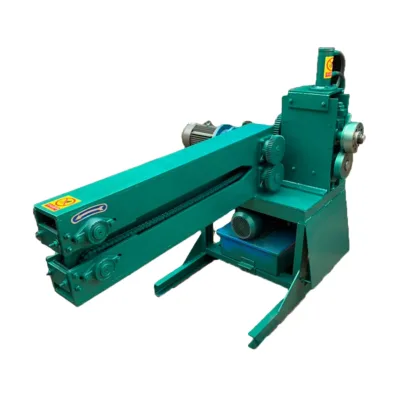
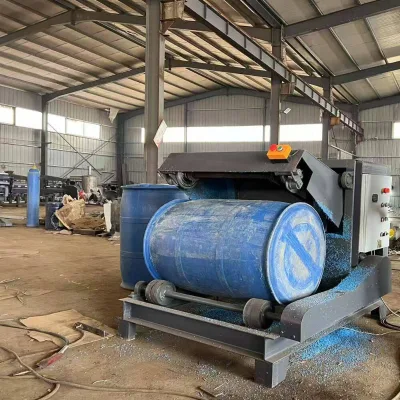
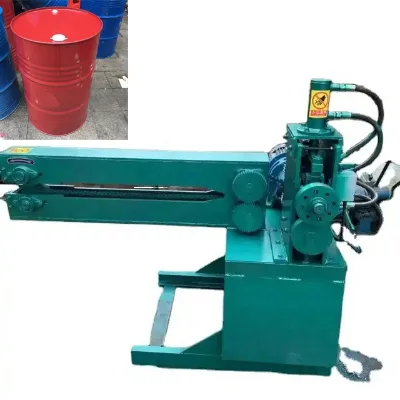
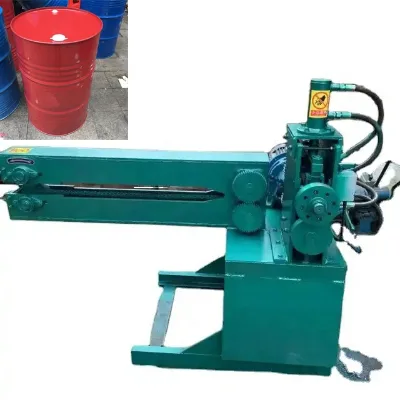
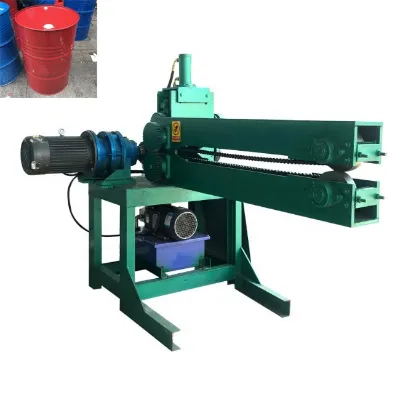
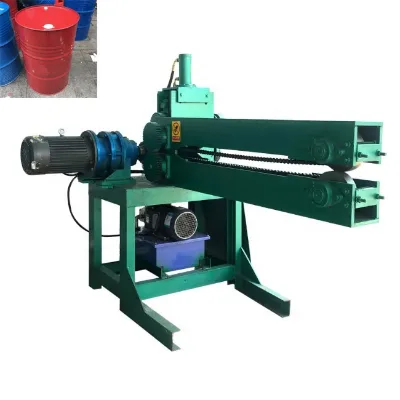
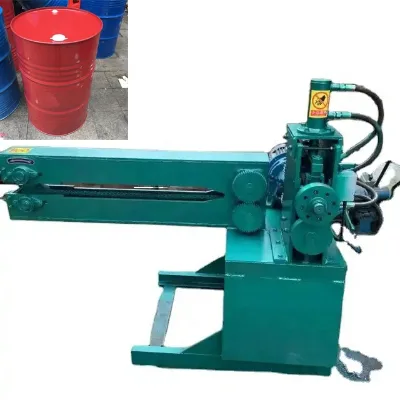
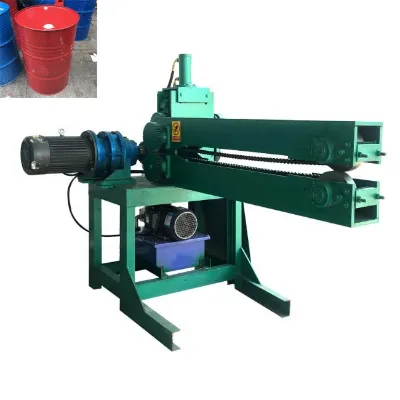
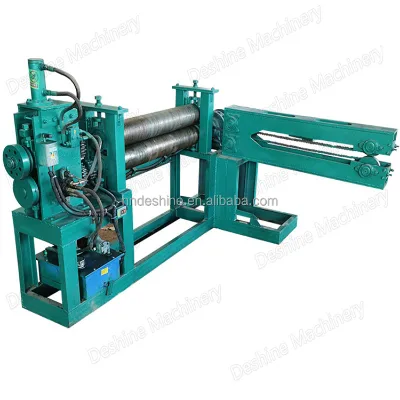
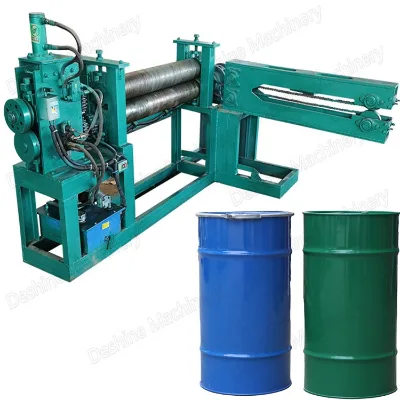
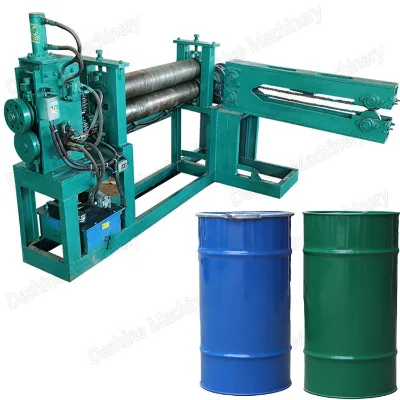
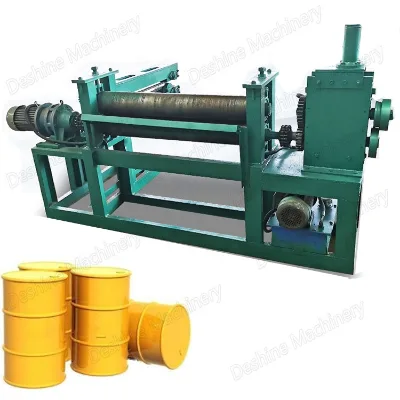


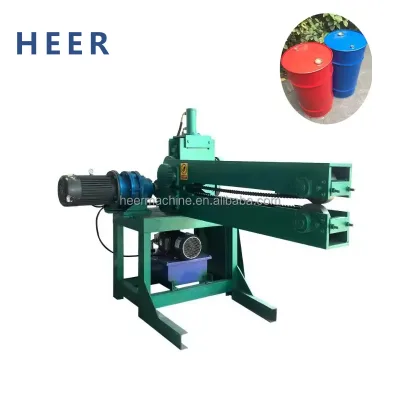
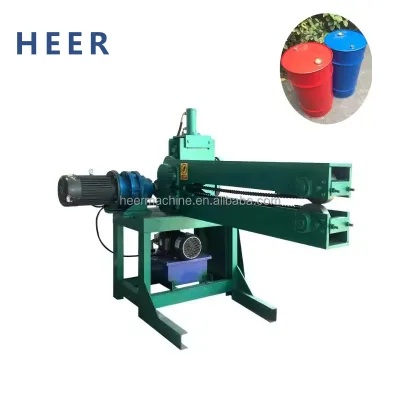
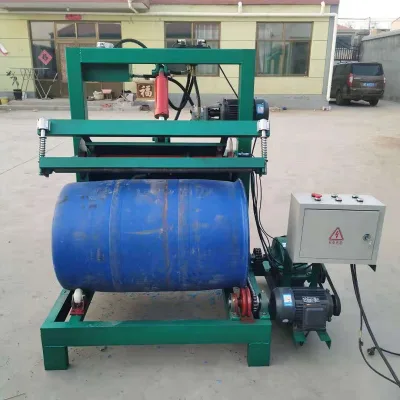
Automatic Oil Drum Cutting Machine Waste Plastic Drum Recycling Equipment
$2042.52 - $2202.86
MOQ: 1 cases
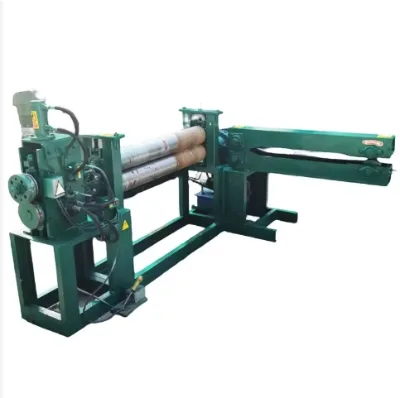
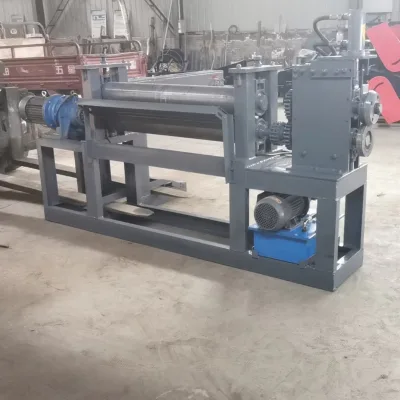


Hydraulic Waste Oil Barrel Cutting Machine Waste Oil Barrel Recycling Equipment
$1000.00 - $3999.00
MOQ: 1 Pieces

Vertical Semi-Automatic Waste Oil Drum Cutting Machine Waste Oil Barrel Capping Machine
$999.00 - $4999.00
MOQ: 1 Pieces
Comprehensive Sourcing Guide
Hydraulic Waste Drum Cutting Machine Sourcing Guide
The Hydraulic Waste Drum Cutting Machine serves as a critical asset for recycling facilities managing steel and plastic oil barrels. These units are designed to automate the separation of drum tops and bottoms, significantly reducing manual labor risks associated with sharp metal edges. Buyers should prioritize machines that explicitly state their capability to handle specific drum diameters, such as the 200L plastic barrels or standard steel drums observed in current listings. The core function involves shearing or sawing operations that must be robust enough to handle varying material thicknesses without jamming.
Procurement decisions must account for the specific operational environment, whether it is a dedicated recycling plant or a smaller waste management site. The observed market data indicates a range of configurations, from fully automatic systems to semi-automatic vertical shearing units. Buyers need to verify if the machine's power requirements align with their facility's electrical infrastructure, as voltage options like 220V, 380V, or 110V are common. Selecting the correct configuration ensures seamless integration into existing waste processing workflows while maintaining high throughput efficiency.
Product Scope and Observed Listing Signals
Current market listings reveal a distinct split between machines designed for steel drums and those optimized for plastic waste. Some units feature a rated power of 1.5kW to 5.2kW, with specific models offering a working efficiency of 300 to 500 pieces per day for steel drums. In contrast, other listings highlight plastic barrel cutting equipment with a rotational speed of 2 per minute and a maximum cutting depth of 5mm. This variation necessitates a clear definition of the primary material stream before engaging with suppliers to avoid purchasing equipment with mismatched capabilities.
Buyers must scrutinize the physical dimensions and weight of the machinery to ensure it fits within their facility's spatial constraints. Observed specifications include overall sizes ranging from 1400x1000x1400mm to larger industrial footprints, with weights varying from 300kg to 0.6 tons. The presence of a single operator requirement suggests a focus on ergonomic design and ease of control, which is a key selling point for many modern units. Understanding these physical parameters is essential for planning logistics, installation, and daily operational flow within the plant.
Technical Specifications to Verify
The motor and cutting mechanism are the heart of the Hydraulic Waste Drum Cutting Machine, requiring precise verification of power ratings and blade specifications. Listings indicate motor powers ranging from 1.5kW to 2.2+1.5kW, with saw blade diameters observed at 230mm for plastic applications and 800mm for larger steel drum operations. Buyers should confirm the no-load rotational speed, which can vary significantly from 2 revolutions per minute to 4200 rpm depending on the specific model and intended material. Ensuring the core components, particularly the motor, match the intended load is vital for sustained performance.
Cutting depth and efficiency metrics are critical indicators of a machine's capability to handle the specific waste stream volume. Some units advertise a maximum cutting depth of 40mm for steel drums, while others are limited to 5mm for plastic barrels. The working efficiency, measured in pieces per day or per minute, must align with the facility's daily processing targets. Buyers should request detailed technical sheets that confirm the rated power and voltage compatibility, ensuring the machine can operate reliably under the specific electrical conditions of the installation site.
Compliance and Safety Documentation
Safety and regulatory compliance are non-negotiable when sourcing industrial cutting equipment, particularly for machinery handling heavy waste materials. The observed product listings frequently cite CE and ISO certifications, which serve as baseline indicators of adherence to international safety and quality standards. Buyers must verify that the specific unit they intend to purchase carries valid certification documents that are current and applicable to the region of operation. Relying on generic claims without requesting physical proof of certification can expose the facility to significant liability and operational risks.
Beyond general certifications, specific documentation regarding machinery test reports and warranty terms must be secured before finalizing any purchase. The availability of a machinery test report provides independent validation of the machine's performance and safety features under load. Additionally, a clear warranty period, typically observed as one year in current listings, offers protection against early component failures. Buyers should ensure that the warranty explicitly covers core components like the motor and that the supplier provides a clear protocol for claiming support in the event of a breakdown.
Cost Drivers and Commercial Terms
The pricing of hydraulic waste drum cutting machines is influenced by a complex mix of power ratings, automation levels, and material handling capacities. Observed price ranges in the market span from 600 to 4999 USD, reflecting the diversity from basic semi-automatic units to more advanced automated systems. Buyers should understand that higher power ratings and larger cutting depths often correlate with increased costs, but they also deliver higher throughput and durability. It is essential to evaluate the total cost of ownership rather than just the initial purchase price to determine the true value of the investment.
Commercial terms such as Minimum Order Quantity (MOQ) and packaging standards play a significant role in the procurement process. Current data suggests an MOQ of 1 unit, allowing for flexible acquisition even for smaller operations. The standard package is typically used for shipping, but buyers should confirm if additional protective measures are available for long-distance transport. Understanding these terms helps in budgeting for logistics and ensures that the equipment arrives in optimal condition, ready for immediate installation and operation without unexpected delays or extra costs.
Supplier Qualification and Quality Control
Selecting a qualified supplier requires a thorough assessment of their manufacturing background and quality assurance processes. Many suppliers originate from industrial hubs in China, such as Shanghai, and offer customization services to meet specific buyer requirements. Buyers should verify the supplier's ability to provide detailed machinery test reports and confirm the availability of core components like motors from reputable manufacturers. A supplier's willingness to customize the machine for specific drum types or operational speeds is a strong indicator of their technical competence and customer focus.
Quality control extends beyond the initial sale to include the provision of after-sales support and spare parts availability. Buyers must ensure that the supplier has a clear track record of providing warranty services and technical assistance. The presence of key selling points like "Easy To Operate" and "Long Service Life" should be backed by tangible evidence, such as customer testimonials or verified performance data. Establishing a direct line of communication with the supplier for technical queries ensures that any operational issues can be resolved quickly, minimizing downtime in the recycling plant.
Long-Term Procurement Checks
Sustainable procurement involves planning for the long-term maintenance and lifecycle management of the Hydraulic Waste Drum Cutting Machine. Buyers should establish a maintenance schedule that aligns with the machine's working efficiency and usage intensity, ensuring that components like saw blades and motors are inspected regularly. The observed working efficiency of 300-500 pieces per day or 2 per minute provides a baseline for estimating wear and tear, helping to predict when parts may need replacement. Proactive maintenance planning is crucial for extending the service life of the equipment and maintaining consistent output.
Future-proofing the procurement strategy requires considering the adaptability of the machine to changing waste streams or increased production demands. Buyers should evaluate whether the machine can be upgraded or modified to handle new drum types or higher volumes without requiring a complete replacement. The availability of customization options and the supplier's capacity to support future upgrades are key factors in this decision. By focusing on long-term operational flexibility, buyers can ensure that their investment remains relevant and efficient as their recycling operations evolve over time.
FAQs
What is the typical power consumption of a Hydraulic Waste Drum Cutting Machine?
The typical power consumption ranges from 1.5 kW to 5.2 kW depending on the specific model and cutting requirements. Some units operate with a combined power of 2.2+1.5 kW, while others may require up to 5.2 kW for heavy-duty applications. Buyers should verify the rated power against their facility's electrical capacity to ensure compatibility and efficient operation during continuous industrial use.
Can a Hydraulic Waste Drum Cutting Machine handle plastic barrels as well as steel drums?
Yes, certain models are designed to process both steel and plastic barrels, including 200L waste plastic drums. These versatile machines often feature adjustable settings to accommodate different material thicknesses and diameters. Operators can utilize the same equipment for recycling plants handling mixed waste streams, ensuring efficient processing of various container types without needing separate specialized machinery for each material category.
What certifications are commonly available for hydraulic waste drum cutting machines?
Common certifications include CE and ISO standards, ensuring compliance with international safety and quality regulations. These certifications indicate that the machinery meets specific engineering and operational benchmarks required for industrial use. Buyers should request valid certification documents from suppliers to verify that the equipment adheres to relevant safety protocols and manufacturing standards before finalizing procurement agreements for their facilities.
How many operators are required to run a Hydraulic Waste Drum Cutting Machine?
Most hydraulic waste drum cutting machines are designed for single-operator operation, featuring intuitive controls and automated functions. The design emphasizes ease of use, allowing one person to manage the cutting process efficiently. This streamlined operation reduces labor costs and simplifies training requirements, making the equipment suitable for facilities aiming to optimize workforce allocation while maintaining high productivity levels in waste processing operations.
What is the daily cutting capacity of a Hydraulic Waste Drum Cutting Machine?
Daily capacity typically ranges from 300 to 500 pieces per eight-hour shift for standard models. Some high-speed units may achieve two cuts per minute, significantly boosting throughput. Actual efficiency depends on drum condition, operator skill, and machine configuration. Buyers should assess these metrics against their specific recycling volume needs to determine if the selected machine provides sufficient output for their operational demands and waste management goals.
Is customization available for hydraulic waste drum cutting machines?
Customization is available for many hydraulic waste drum cutting machines to meet specific operational requirements. Suppliers may offer modifications for voltage, cutting depth, or structural dimensions to fit unique facility layouts. Buyers should discuss their specific needs with manufacturers to ensure the equipment integrates seamlessly with existing workflows. Custom options help optimize performance and ensure the machine aligns precisely with the intended industrial application and safety standards.