Source Hydraulic Water Drilling Rig for Mining, Wells, and Oil
Compare 30 hydraulic water drilling rigs from verified Chinese suppliers. These units support ore mining, well drilling, and coal mining with options for rotary drilling and various bit types; compare the available evidence and request quotations based on your requirements.
Updated
Key considerations
Products List


Crawler Type Hydraulic Crawler Type Water Well Drilling Rig Water Drilling Machine
$15000.00 - $25000.00
MOQ: 1 Pieces

Rotary Drilling Rig Drilling Mining Machine Water Drilling Rig Machine
$15000.00 - $20000.00
MOQ: 1 Pieces


Hydraulic Water Well Drilling Machine Irrigation Water Drilling Rig for Sale
$70000.00 - $100000.00
MOQ: 1 Sets

Water Well Drilling Rig Deep Well Drilling Equipment Hydraulic Drill Rig
$110000.00 - $150000.00
MOQ: 1 Pieces

Water Well Drilling Rig Machine High Quality Hydraulic Drill Rig for Sale
$110000.00 - $150000.00
MOQ: 1 Pieces

Borehole Hydraulic Drilling Machine Borehole Water Well Drilling Rig
$13900.00 - $120000.00
MOQ: 1 Sets

Hydraulic Water Drilling Machine Prices Water Hole Drilling Machines Drilling Rig
$13900.00 - $120000.00
MOQ: 1 Pieces

Water Well Drilling Machinedrilling Rigwater Hole Drilling Machines
$13900.00 - $120000.00
MOQ: 1 Pieces

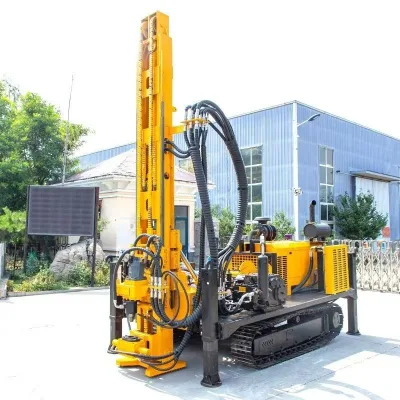
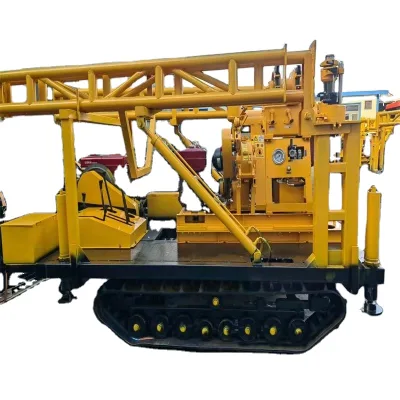

260m Water Well Drilling Rig for Groundwater Projects Hydraulic Drilling Machine
$14500.00 - $15000.00
MOQ: 1 Pieces

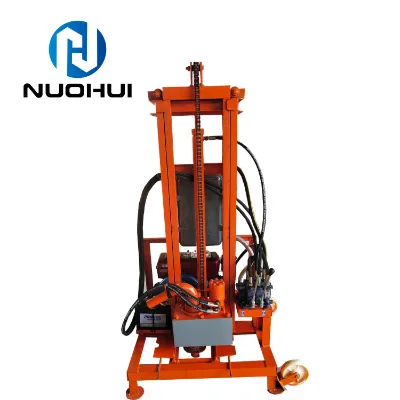
hydraulic core drilling machine drilling equipment for water stand drilling machine
$2600.00 - $2800.00
MOQ: 1 sets
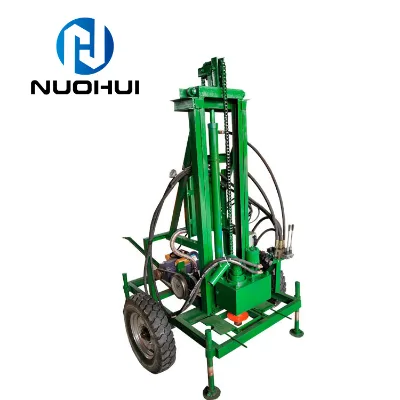
Multi Spindle Drilling Machine Water Drilling Rig Prices Multi Head Drilling Machine
$2600.00 - $2800.00
MOQ: 1 sets
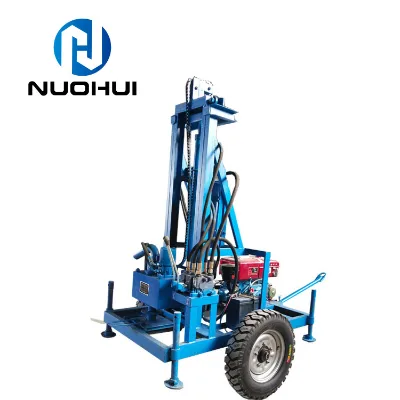
drilling rig for sale water drilling machine for sale auger drilling machine
$2600.00 - $2800.00
MOQ: 1 sets
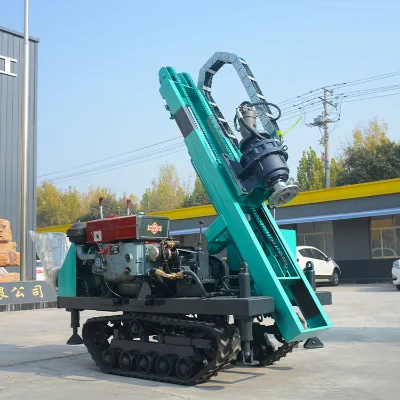
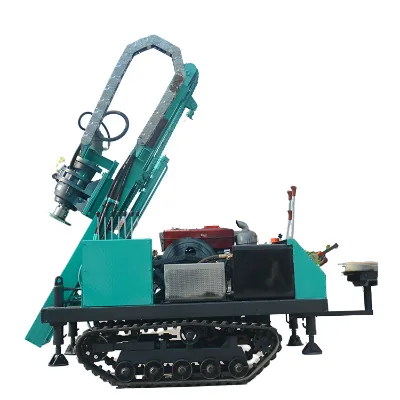
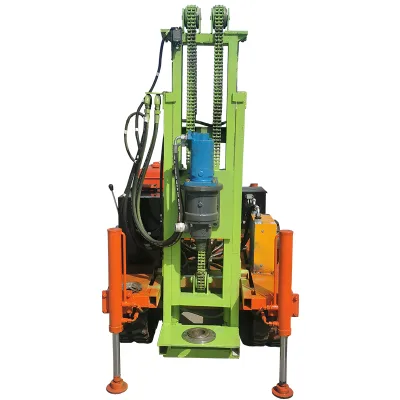
Green and Environmentally Friendly Hydraulic Track Down the Hole Drilling Rig
$3980.00 - $4180.00
MOQ: 1 Minimum
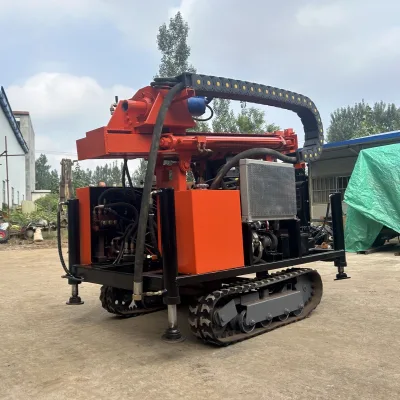
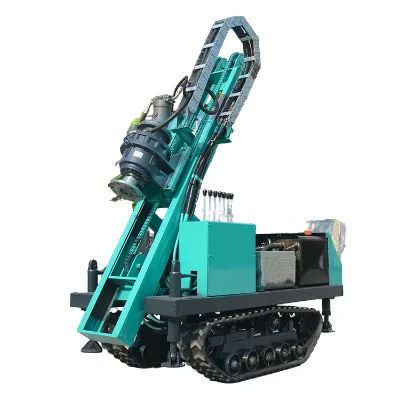
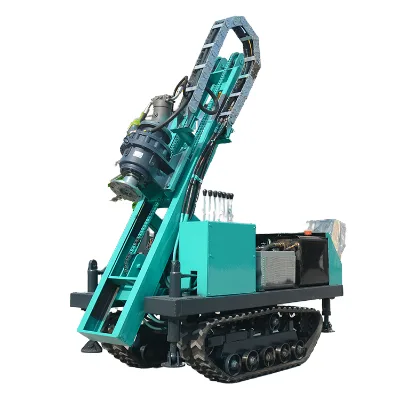
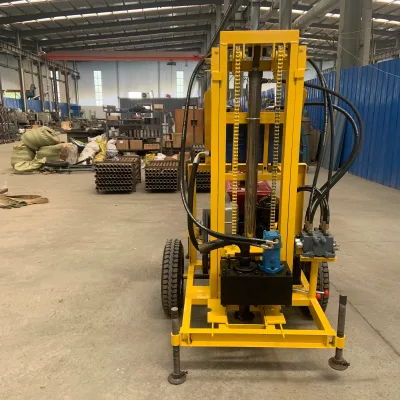
Strong tracked down the hole drilling rig for mining and infrastructure construction
$3980.00 - $4180.00
MOQ: 1 Minimum
Comprehensive Sourcing Guide
Hydraulic Water Drilling Rig Sourcing Guide
Procuring a Hydraulic Water Drilling Rig requires careful alignment of technical capabilities with specific geological conditions and operational goals. Buyers must first define the primary application, whether for municipal water wells, agricultural irrigation, or industrial exploration, as this dictates the necessary drilling depth and diameter. The observed market includes models designed for ore mining, well drilling, coal mining, and oil mining, indicating a versatile range of machinery available from Chinese manufacturers. Understanding these distinct use cases helps narrow the selection to rigs that offer the appropriate rotary drilling method and bit type, such as diamond or cone bits, ensuring efficient penetration through varying rock formations.
Beyond application, the physical configuration of the rig plays a critical role in site logistics and mobility. Listings show options ranging from crawler-mounted units to truck-mounted configurations, including 4x4 and 6x4 truck types, which influence transportability and setup time. Buyers should evaluate the walking speed, climbing angles, and pull-back capacity to ensure the equipment can navigate the specific terrain of the drilling site. Additionally, the choice between nude packaging and standard export packets with containers affects shipping costs and protection during transit, making logistics planning an integral part of the initial sourcing strategy.
Product Scope and Observed Listing Signals
The current market landscape for hydraulic water drilling rigs presents a wide spectrum of models and specifications, reflecting diverse engineering approaches. Observed product models include the BWSH, YN1000, YN1500, YN800, YH600, CWD400, CSD300, and CWD260, each potentially tailored to different drilling depths and torque requirements. Prices observed range significantly from approximately $2,189 to $300,000, suggesting that cost is heavily influenced by the complexity of the hydraulic system, the power of the motor, and the overall build quality. This variance underscores the importance of matching budget constraints with the specific performance metrics required for the intended drilling project, rather than assuming all listed units are functionally equivalent.
Minimum Order Quantities (MOQ) for these industrial machines are typically set at one unit, facilitating direct procurement for individual projects or small fleets. The standard dimensions for these rigs vary, with some models measuring around 12x2.6x3.7 meters, while others are more compact, such as 4000x1850x2300mm or 6000x2100x2600mm. Buyers should note that customization is available, allowing for modifications to suit specific site conditions or operational preferences. However, the availability of such customizations may impact lead times and final pricing, requiring early communication with suppliers to define exact requirements before placing orders.
Technical Specifications to Verify
When evaluating technical specifications, the drilling method and power source are paramount for operational efficiency. Most observed units utilize a rotary drilling way powered by DC motors, with some specifications noting a power output of 92kw for the drilling machine only. Buyers must verify the rotation torque, which ranges from 4000-8000 Nm to 8500 Nm, as this directly impacts the rig's ability to penetrate hard rock formations. Additionally, the maximum lifting force and pull-back capacity, observed at values like 15t or 17t, are critical for managing drill pipe weight and ensuring stability during deep drilling operations. These mechanical limits must align with the planned drill hole diameter, which can exceed 300mm for larger rigs.
The physical dimensions and weight capacity of the rig also dictate its suitability for specific sites. Standard export dimensions vary, with some units fitting into 40ft or 40gp containers, while others have specific footprint requirements like 11000x2480x7147mm. Walking speeds are observed at 2.5km/H, and climbing angles up to 30 degrees are noted, which are vital for off-road mobility. Buyers should confirm the drill hole depth capabilities, with some models rated for depths greater than 200m, and ensure that the bit type, whether diamond or cone, matches the geological hardness of the target aquifer. Verifying these precise metrics prevents costly mismatches between equipment capability and site requirements.
Compliance and Safety Documentation
Compliance with international standards is essential for ensuring the safety and reliability of hydraulic water drilling rigs. Many suppliers list certifications such as ISO 9001 and CE, indicating adherence to quality management systems and European safety directives. Buyers should request valid certification documents to verify that the manufacturing processes and final product inspections meet these recognized benchmarks. The presence of RoHS compliance is also noted in some contexts, suggesting restrictions on hazardous substances, which may be relevant for environmentally sensitive projects or regions with strict environmental regulations.
In addition to certifications, buyers must ensure that the equipment meets local regulatory requirements in the destination country. This includes verifying that the electrical systems, hydraulic components, and structural integrity comply with national safety codes. Documentation should include detailed operation manuals, maintenance schedules, and safety warnings specific to the model. It is also advisable to confirm that the supplier provides comprehensive technical support and spare parts availability, as this ensures long-term operational continuity. Proper documentation not only facilitates customs clearance but also aids in the safe and efficient deployment of the drilling rig on site.
Cost Drivers and Commercial Terms
The cost of a Hydraulic Water Drilling Rig is influenced by several key factors, including the complexity of the hydraulic system, the power of the motor, and the materials used in construction. Carbon steel is a common material, providing durability but also adding to the overall weight and shipping costs. Buyers should consider the total cost of ownership, which includes not only the purchase price but also transportation, installation, and maintenance expenses. The observed price range of $2,189 to $300,000 reflects these variations, with higher-end models offering advanced features and greater drilling capacities.
Commercial terms such as payment methods, delivery schedules, and warranty conditions are critical components of the procurement process. Buyers should negotiate clear terms regarding the delivery of goods, especially given the varying packaging options from nude packages to containerized shipments. Lead times can vary based on customization requests and production schedules, so establishing a realistic timeline is essential for project planning. Additionally, understanding the warranty coverage and after-sales support services can mitigate risks associated with potential mechanical failures or operational issues during the initial phases of use.
Supplier Qualification and Quality Control
Selecting a qualified supplier is crucial for ensuring the reliability and performance of the Hydraulic Water Drilling Rig. Buyers should prioritize suppliers with a proven track record in manufacturing and exporting drilling equipment, particularly those originating from China, which is a major hub for such machinery. Verification of the supplier's production capabilities, including factory audits and quality control processes, can provide confidence in the consistency of the product. Suppliers offering ISO 9001 certification demonstrate a commitment to standardized quality management, which is a positive indicator of their operational discipline.
Quality control measures should extend beyond the initial manufacturing phase to include pre-shipment inspections and testing. Buyers should request detailed inspection reports that cover critical components such as the hydraulic pumps, motors, and structural welds. It is also advisable to establish clear communication channels for addressing any technical queries or issues that may arise during the procurement process. Engaging with suppliers who provide comprehensive technical support and are responsive to buyer inquiries can significantly enhance the overall sourcing experience and reduce the risk of post-purchase complications.
Long-Term Procurement Checks
Long-term procurement success depends on establishing robust relationships with suppliers and ensuring ongoing support for the drilling equipment. Buyers should consider the availability of spare parts and the supplier's ability to provide timely maintenance services. A reliable supply chain for consumables such as drill bits and hydraulic fluids is essential for minimizing downtime during operations. Additionally, buyers should monitor the supplier's reputation and customer feedback to assess their reliability and commitment to customer satisfaction over time.
Regular reviews of the equipment's performance and maintenance records can help identify potential issues early and optimize operational efficiency. Buyers should also stay informed about advancements in drilling technology and consider upgrading or replacing equipment as needed to meet evolving project requirements. By maintaining a proactive approach to supplier management and equipment maintenance, organizations can ensure the long-term viability and profitability of their drilling operations. This strategic perspective helps mitigate risks and maximizes the return on investment in hydraulic water drilling rigs.
FAQs
What certifications do hydraulic water drilling rigs have?
Hydraulic water drilling rigs typically hold ISO 9001 and CE certifications. These standards ensure quality management and safety compliance for industrial equipment. Some models may also meet RoHS requirements. Buyers should verify specific certification documents with suppliers to confirm regulatory adherence for their target markets and operational safety needs.
What materials are used in hydraulic water drilling rigs?
Hydraulic water drilling rigs are primarily constructed from carbon steel. This material provides the necessary durability and strength for heavy-duty mining and well drilling applications. The robust construction supports high torque and lifting forces required for rotary drilling operations in challenging geological conditions across various industrial sectors.
What is the maximum drilling depth for these rigs?
These rigs generally support drilling depths greater than 200 meters. Specific models like the YN-1500 are designed for substantial depth capabilities. The actual depth depends on the specific model configuration and drill bit type. Buyers should consult technical specifications for precise depth ratings relevant to their well drilling or mining projects.
Can hydraulic water drilling rigs be customized?
Yes, customization is available for hydraulic water drilling rigs. Manufacturers offer tailored solutions to meet specific operational requirements. Options may include modifications to drilling torque, lifting force, or packing methods. Buyers should discuss their unique project needs with suppliers to ensure the rig configuration aligns with their intended application and site conditions.
What is the origin of these drilling rigs?
These hydraulic water drilling rigs originate from China. The country is a major manufacturing hub for industrial drilling equipment. Buyers sourcing from this region should consider logistics and lead times. The origin influences supply chain dynamics and availability of spare parts for long-term maintenance and operational support.
What types of drill bits are used?
Hydraulic water drilling rigs utilize diamond bits and cone bits. Diamond bits are suitable for hard rock formations, while cone bits may be used for softer layers. The choice depends on the geological conditions of the drilling site. Suppliers can recommend the appropriate bit type based on the specific drilling diameter and depth requirements.