Source Hyundai Crankshaft Camshaft Position Sensor for Engine Repair, Diagnostics, and Maintenance
Find 30 listings for the Hyundai Crankshaft Camshaft Position Sensor to compare specifications, prices, and lead times. Buyers can evaluate options for engine repair, diagnostics, and routine maintenance across various vehicle models.
Key considerations
Products List


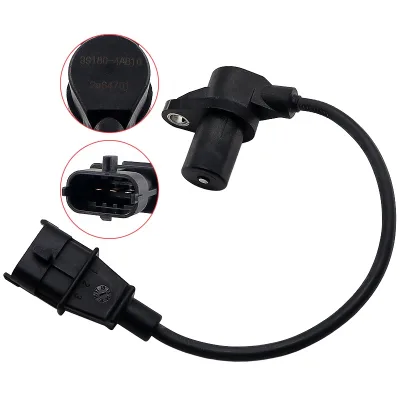
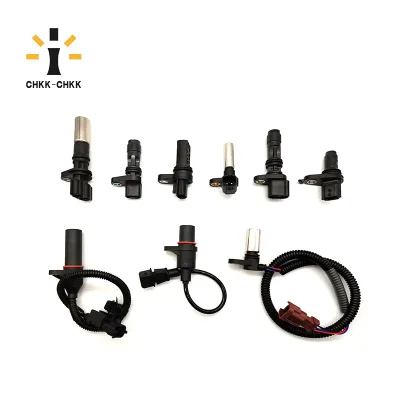


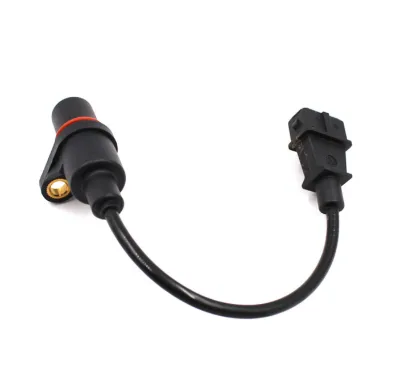
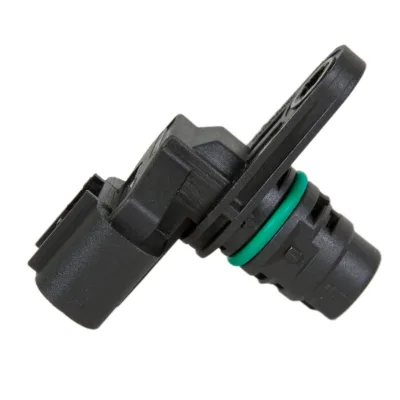
Engine Crankshaft Position Sensor 39180-22600/39180-26900 for Hyundai, GM
$1.00 - $99.00
MOQ: 100 Pieces
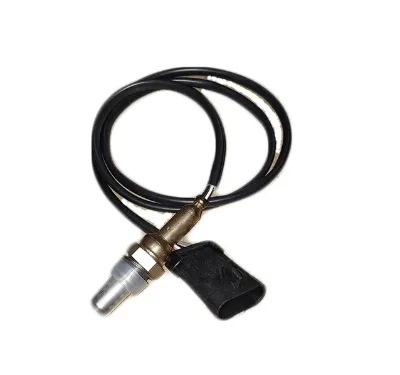
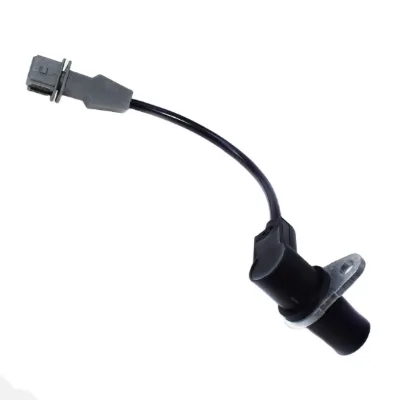



Comprehensive Sourcing Guide
Hyundai Crankshaft Camshaft Position Sensor Sourcing Guide
Sourcing replacement sensors for Hyundai vehicles requires a disciplined approach to technical verification and supplier qualification. The automotive electrical system relies heavily on precise signal transmission from the engine control unit to manage ignition timing and fuel injection. When procuring components such as the crankshaft and camshaft position sensors, buyers must navigate a market filled with varying quality tiers and specification nuances. This guide provides a structured framework for evaluating listings, verifying technical compatibility, and establishing commercial terms that protect against supply chain disruptions. By focusing on observable listing signals and rigorous quality control protocols, procurement teams can mitigate the risk of installing defective parts that lead to vehicle downtime or warranty claims.
The following sections detail the essential steps for sourcing these critical engine components. We will examine the typical product scope observed in current market listings, identify the technical specifications that must be validated before purchase, and outline the compliance documentation required for international trade. Furthermore, we will analyze the cost drivers associated with these sensors, establish criteria for supplier qualification, and define long-term procurement checks to ensure consistent supply quality. This comprehensive approach ensures that buyers can make informed decisions that align with both operational efficiency and customer satisfaction standards.
Product Scope and Observed Listing Signals
Current market listings for Hyundai crankshaft and camshaft position sensors reveal a diverse range of product attributes that buyers must carefully interpret. Observed product names frequently include variations such as "Car Auto Sensor," "Crankshaft Position Sensor," and "Camshaft Position Sensor Engine Crankshaft Positio," indicating a broad categorization strategy among suppliers. The primary purpose of these items is consistently listed as "for Replacement/Repair," confirming their role in the aftermarket service sector rather than original equipment manufacturing. Buyers should note that while the core function remains the same, the specific application can vary significantly depending on the Hyundai model and engine type, necessitating careful cross-referencing of part numbers.
Material composition and physical characteristics are also key indicators of product identity in these listings. The sensors are typically constructed from metal, with a standard black color finish, and are packaged in either neutral or branded packing options. Observed single package sizes range from approximately 11x11x7 cm to 16x8x7 cm, with gross weights around 0.200 kg, suggesting a compact and lightweight design suitable for efficient shipping. These physical attributes help buyers estimate logistics costs and storage requirements, but they do not guarantee compatibility with specific Hyundai models. Therefore, buyers must rely on more precise identifiers, such as OE numbers and model-specific codes, to ensure the correct part is selected for their inventory.
Technical Specifications to Verify
Verifying technical specifications is the most critical step in sourcing accurate replacement sensors. Buyers must cross-reference the OE numbers provided in listings, such as 39180-4A810 and 0K2A618891, with official Hyundai service manuals or verified parts catalogs. These numbers serve as the primary link between the aftermarket product and the original equipment manufacturer's specifications. Additionally, model numbers like OEM or specific codes such as CHKK-CHKK should be treated as secondary identifiers that require validation against the vehicle's engine type and production year. Relying solely on generic keywords like "Auto Sensor" or "Car Auto Sensor" can lead to significant compatibility errors, as these terms are too broad to ensure precise fitment.
The production process and quality claims associated with these sensors also require careful scrutiny. Listings often mention production processes such as "Synthetic Type" or "Integration," which may refer to the manufacturing method or the integration of electronic components within the sensor housing. Buyers should verify that the product has undergone 100% testing, as indicated in some listings, to ensure functional reliability before installation. Furthermore, the condition of the product should be confirmed as "New," and the warranty period, often cited as 12 months, should be clearly defined in the purchase agreement. These technical and quality assurances are essential for minimizing the risk of premature failure and subsequent customer complaints.
Compliance and Safety Documentation
While specific certification statuses are not always explicitly detailed in general listings, buyers must ensure that suppliers can provide necessary compliance documentation for international trade. This includes certificates of origin, which may specify production locations such as Shanghai, Zhejiang, or Guangdong in China, as well as any relevant quality management system certifications that demonstrate adherence to industry standards. Buyers should request documentation that verifies the product meets standard specifications or customized requirements as agreed upon in the contract. This documentation is crucial for customs clearance and for ensuring that the imported sensors comply with local regulatory requirements regarding automotive parts.
Safety and performance standards are implicit in the quality claims made by suppliers, but buyers must actively verify these aspects through third-party testing or supplier audits. The claim that products are "High-Quality" or "same as oe" should be substantiated by test reports or quality control records that demonstrate consistent performance under various operating conditions. Buyers should also confirm that the packaging, whether neutral or branded, meets international shipping standards to prevent damage during transit. Proper packaging not only protects the sensor but also ensures that the product arrives in pristine condition, ready for immediate installation or storage.
Cost Drivers and Commercial Terms
Several factors influence the cost of Hyundai crankshaft and camshaft position sensors, including the complexity of the electronic components, the quality of materials used, and the level of customization required. Buyers should be aware that prices can vary significantly based on the brand name, such as SENINSO or CHKK-CHKK, and the specific OE number being replicated. Additionally, the production time, which can range from 7-15 days to 45 days depending on the supplier and order volume, can impact pricing due to capacity constraints and resource allocation. Understanding these cost drivers allows buyers to negotiate more effectively and anticipate potential price fluctuations based on market demand and supply chain conditions.
Commercial terms, including minimum order quantities (MOQ) and delivery times, are critical components of the procurement strategy. Observed MOQs range from 1 to 200 units, with some suppliers specifying an MOQ of 10 or 20 pieces, which can affect inventory management and cash flow. Buyers should negotiate flexible MOQs to accommodate varying demand patterns and avoid excessive stockpiling. Delivery times, typically cited as 7-15 days or up to 30-45 days, should be clearly defined in the contract to ensure timely delivery and minimize production delays. Establishing clear commercial terms helps buyers manage risks associated with supply chain disruptions and ensures a smooth procurement process.
Supplier Qualification and Quality Control
Supplier qualification is essential for ensuring the reliability and consistency of the sourced sensors. Buyers should evaluate suppliers based on their production capabilities, quality control processes, and track record in the automotive parts industry. Suppliers located in major manufacturing hubs such as Shanghai, Zhejiang, and Guangdong may offer advantages in terms of supply chain efficiency and access to raw materials. However, buyers must verify the supplier's ability to maintain consistent quality across batches, as indicated by claims of 100% testing and high-quality standards. Conducting on-site audits or requesting references from existing clients can provide valuable insights into the supplier's operational practices and reliability.
Quality control measures should be integrated into the procurement process to mitigate the risk of receiving defective products. Buyers should establish clear quality acceptance criteria, including visual inspections, functional testing, and dimensional checks, to verify that the delivered sensors meet the specified requirements. Implementing a sampling plan for incoming inspections can help identify potential quality issues early in the supply chain. Additionally, buyers should maintain open communication with suppliers to address any quality concerns promptly and implement corrective actions as needed. A robust quality control system ensures that only compliant and reliable sensors are delivered to customers, enhancing brand reputation and customer satisfaction.
Long-Term Procurement Checks
Establishing long-term procurement checks is vital for maintaining a stable and efficient supply chain for Hyundai crankshaft and camshaft position sensors. Buyers should regularly review supplier performance metrics, including delivery times, quality rates, and responsiveness to issues, to identify areas for improvement. Conducting periodic audits and performance reviews can help ensure that suppliers continue to meet the established quality and service standards. Additionally, buyers should monitor market trends and technological advancements in sensor technology to stay ahead of potential obsolescence and ensure that the sourced parts remain compatible with evolving vehicle models.
Building strong relationships with suppliers through consistent communication and collaborative problem-solving can enhance supply chain resilience. Buyers should engage in regular business reviews to discuss future needs, potential challenges, and opportunities for cost optimization. Developing a diversified supplier base can also mitigate risks associated with single-source dependencies and ensure continuity of supply in the event of disruptions. By implementing these long-term procurement checks, buyers can create a robust and adaptable sourcing strategy that supports the ongoing success of their automotive parts business.
FAQs
What is the production process for these sensors?
The production process involves synthetic type manufacturing and integration techniques. These sensors are designed for replacement and repair within auto electrical systems, ensuring high quality through 100% testing before delivery.
Can I request custom packaging for bulk orders?
Yes, customization is available for product packaging options. Buyers can choose between neutral packing or brand packing depending on their specific requirements, with standard specifications or customized options available for the product model.
What is the typical delivery time for these parts?
The standard delivery time ranges from 7 to 15 days for most orders. Some specific production runs may require up to 45 days depending on the order volume and specific customization needs requested by the client.
Which materials are used to construct these sensors?
These sensors are constructed primarily using metal materials to ensure durability. They are available in black color and are designed to meet standard specifications or customized requirements for various car makes and models.
What is the minimum order quantity for purchasing?
The minimum order quantity varies, with some listings requiring 10 pieces and others starting at 20 pieces. Buyers should verify the specific MOQ for their selected model number and brand name before placing an order.
Where are these sensors manufactured and shipped from?
These sensors originate from various locations in China, including Shanghai, Zhejiang, and Guangdong. The products are distributed to the global market, serving wholesale clients who need reliable auto electrical system components for replacement.
What warranty is provided for these auto sensors?
A 12-month warranty is typically provided for these new condition sensors. This coverage ensures that the high-quality crankshaft and camshaft position sensors meet the necessary standards for reliable vehicle performance and safety.