Source For BMW Oxygen Lambda Sensor for Engine Repair
Find 30 listings for For BMW Oxygen Lambda Sensor to compare specifications, materials, and warranty terms. Options include aluminum and metal variants with OE numbers like 11787558055, suitable for engine replacement and repair tasks across various BMW models; compare the available evidence and request quotations based on your requirements.
Key considerations
Products List
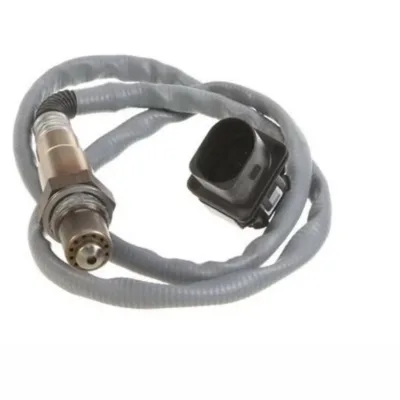
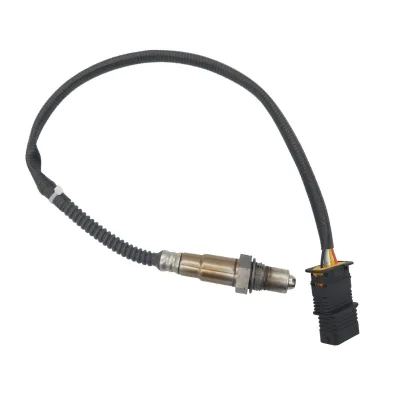
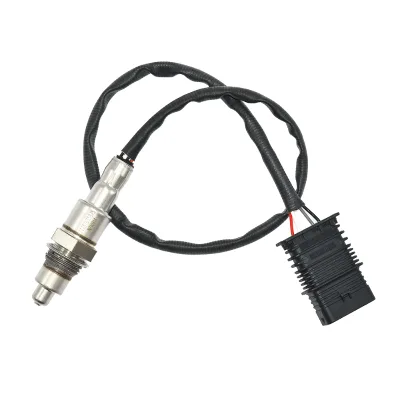
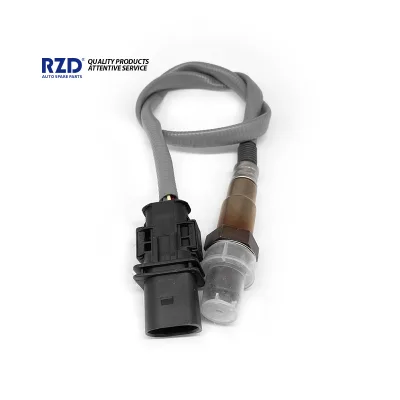
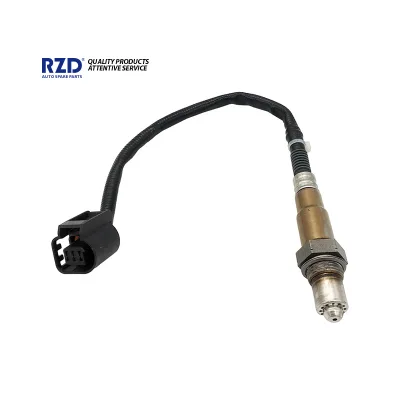
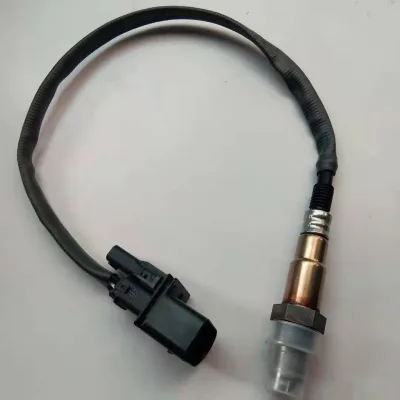
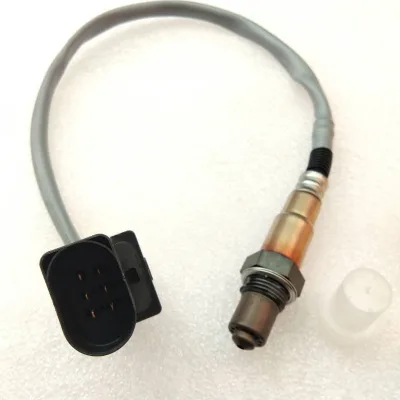
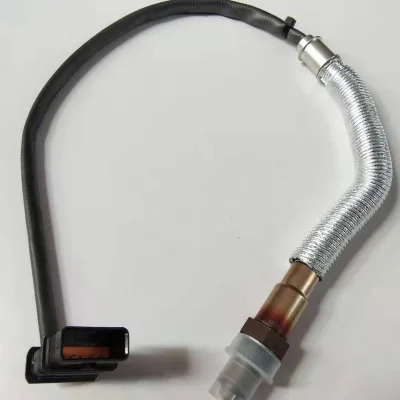
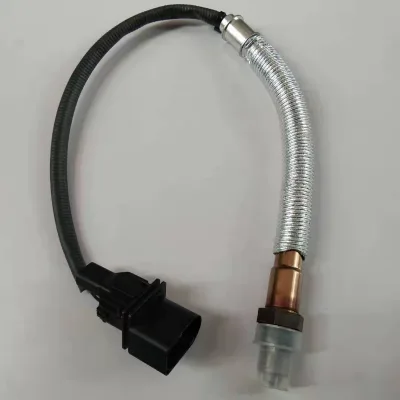
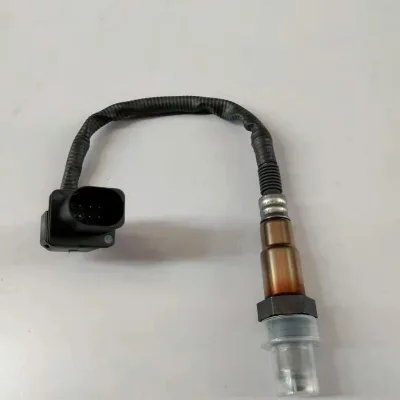
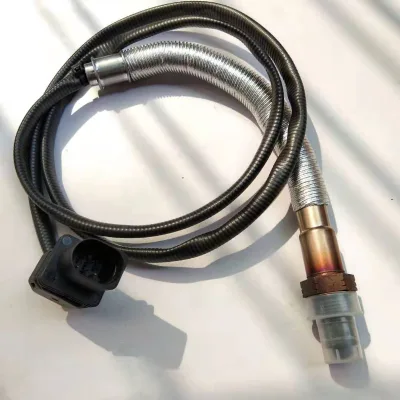


Factory Direct Fit OEM Replacement O2 Oxygen Sensor for American Vehicles
$10.00 - $19.99
MOQ: 4 pieces


Car Accessory Oxygen Sensor 24102432 Lambda O2 Oxygen Sensor for Chevrolet
$8.00 - $15.00
MOQ: 1 Pieces


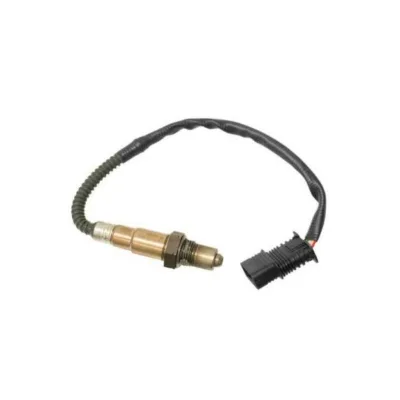
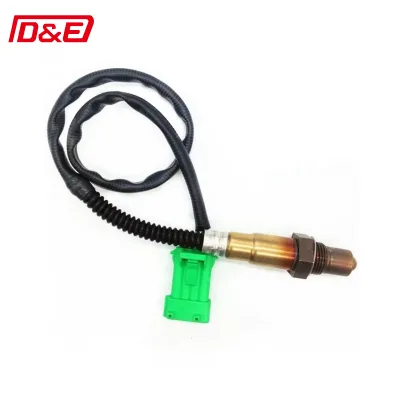
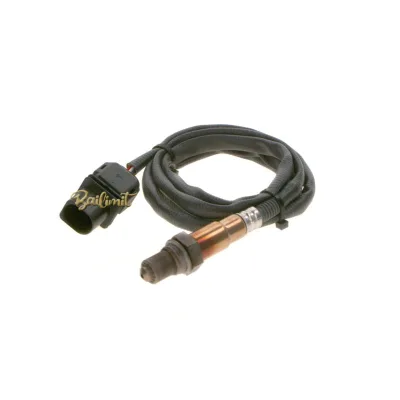
100% Tested 11787573321 11787577666 11787545074 11787558179 Oxygen Lambda Sensor for BMW
$5.00 - $20.00
MOQ: 1 Pieces


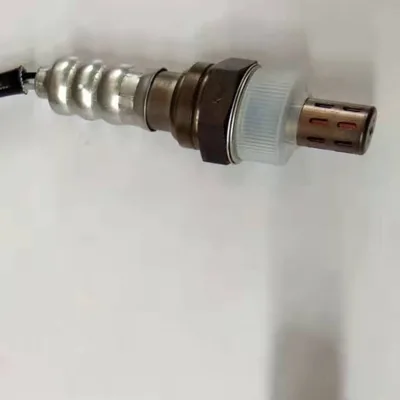



Comprehensive Sourcing Guide
For BMW Oxygen Lambda Sensor Sourcing Guide
Procuring the correct oxygen lambda sensor for BMW vehicles requires precise alignment between the vehicle's specific engine architecture and the sensor's electrical and physical interface. The observed market data indicates a strong concentration of listings targeting the E91 chassis and various X5/E70 configurations, with specific OE numbers such as 11787558055 and 11787596908 serving as critical verification points. Buyers must cross-reference these identifiers against their vehicle's service manual to ensure compatibility, as the sensor's placement and signal output vary significantly between different engine generations and model years.
Beyond simple model matching, the physical construction of the sensor dictates its suitability for high-temperature automotive environments. The available inventory highlights materials ranging from pure aluminum to composite metal and plastic constructions, each offering distinct thermal and chemical resistance properties. Sourcing decisions should prioritize units that explicitly state a "New" condition and confirm a "100% Tested" status, as these attributes directly correlate with the sensor's ability to provide accurate air-fuel ratio data under the rigorous operating conditions typical of BMW performance engines.
Product Scope and Observed Listing Signals
The current market landscape for BMW oxygen sensors reveals a diverse range of product attributes, including varying package dimensions and weights that reflect different internal component densities. Listings show single package sizes ranging from compact 15.5x7.5x5 cm units to larger 18x10x5 cm configurations, with gross weights fluctuating between 0.102 kg and 0.600 kg. These physical variances often correspond to the specific sensor type, such as upstream versus downstream units, and buyers must verify that the listed dimensions match the spatial constraints of their specific engine bay to avoid installation conflicts.
Commercial signals in the listings indicate a flexible purchasing environment with Minimum Order Quantities (MOQ) ranging from a single piece to twenty units, catering to both individual repair needs and bulk fleet maintenance. The observed price range of 2.04 to 28 USD suggests significant variation based on brand reputation, material quality, and warranty terms, with some suppliers offering extended coverage up to 24 months while others provide standard one-year protection. Buyers should analyze these commercial terms alongside the stated production time, which varies from immediate stock availability to 25 days for custom orders, to align procurement with their operational urgency.
Technical Specifications to Verify
Technical verification begins with confirming the exact OE number and reference number, as the market data lists specific identifiers like 11787558055 and WG1013971 that correspond to distinct sensor functions. The sensor must match the vehicle's required signal type and heating element specifications, which are often implied by the "Car Make" and "Car Model" fields but require explicit confirmation in the product description. Relying solely on the generic "for BMW" designation is insufficient; buyers must ensure the listing explicitly supports their specific chassis code, such as E91 or X5/E70, to prevent signal mismatch or communication errors with the engine control unit.
Material composition and construction integrity are equally critical for long-term sensor performance in the harsh environment of an exhaust system. The observed listings specify materials including aluminum, metal, and metal-plastic combinations, each affecting the sensor's durability and resistance to thermal shock. Buyers should prioritize products that explicitly state "High Performance" or "100% Tested" quality attributes, as these claims suggest rigorous internal validation of the sensor's response time and voltage stability. Additionally, the single gross weight serves as a proxy for internal component density, helping buyers distinguish between lightweight, potentially lower-quality units and robust, heavy-duty sensors designed for extended service life.
Compliance and Safety Documentation
While the provided data does not explicitly list all regulatory certifications, the presence of ISO9001 certification in some listings indicates a supplier's adherence to international quality management standards. Buyers should request proof of this certification and verify that the manufacturing facility maintains consistent quality control protocols, as this documentation is essential for ensuring that the oxygen sensors meet the stringent safety and emission requirements of the automotive industry. The absence of such documentation in a listing should prompt a deeper inquiry into the supplier's quality assurance processes before proceeding with a purchase.
Safety and compliance also extend to the packaging and handling of the sensor, which must protect the delicate sensing element during transit. The observed listings mention "Netural Package" options, which are common for bulk shipments, but buyers must ensure that the packaging includes adequate cushioning to prevent physical damage to the sensor's ceramic element or electrical connectors. Furthermore, the "Professional Service" attribute noted in several listings suggests that the supplier offers technical support, which is a valuable resource for resolving any compliance-related queries or installation issues that may arise during the procurement and fitting process.
Cost Drivers and Commercial Terms
The final cost of an oxygen sensor is influenced by a combination of material costs, manufacturing complexity, and the level of warranty protection offered. Listings with extended warranties, such as the 24-month coverage observed, often command a higher price point compared to standard one-year warranties, reflecting the supplier's confidence in the product's longevity. Buyers should evaluate the total cost of ownership rather than just the unit price, considering that a higher initial investment in a sensor with a longer warranty and proven "High Performance" rating can reduce long-term maintenance costs and vehicle downtime.
Payment flexibility and delivery timelines are also significant commercial factors that impact the overall procurement strategy. The observed payment terms include Bank Transfer, Western Union, PayPal, Visa, and Moneygram, offering buyers various options to suit their financial preferences and risk tolerance. Delivery times range from 3-7 working days for stock items to 10-25 days for production orders, meaning that urgent repairs may require a premium for expedited shipping or immediate stock availability. Buyers must balance these logistical constraints against their budget to determine the most efficient sourcing path for their specific needs.
Supplier Qualification and Quality Control
Supplier qualification relies heavily on the transparency of their production capabilities and the consistency of their quality control measures. The observed listings mention production times of 1-3 days for stock items and 10-25 days for production orders, indicating that some suppliers maintain significant inventory while others operate on a made-to-order basis. Buyers should verify the supplier's ability to maintain consistent quality across batches, as the "100% Tested" claim requires a robust internal testing protocol to be credible. A supplier that can provide detailed test reports or quality certificates demonstrates a higher level of commitment to product reliability.
Quality control is further evidenced by the specific attributes listed, such as "New" condition and "High Performance" ratings, which serve as indicators of the supplier's standards. The presence of multiple brands like AUFERAY, CCN, and RZD suggests a competitive market where differentiation is based on quality and service rather than just price. Buyers should prioritize suppliers who offer "Professional Service" and are willing to accept customized orders, as this flexibility often correlates with a more responsive and customer-focused approach to quality assurance. Ensuring that the supplier has a track record of meeting these specific quality benchmarks is essential for securing reliable oxygen sensors.
Long-Term Procurement Checks
Establishing a long-term procurement relationship requires regular audits of the supplier's ability to maintain consistent product quality and availability. Buyers should implement a system for tracking the performance of sensors over time, noting any failures or deviations from expected specifications to identify potential issues with specific batches or suppliers. The observed warranty periods of 1 to 24 months provide a baseline for expected product life, but real-world performance data is necessary to validate these claims and ensure that the sensors continue to meet the vehicle's emission and performance standards throughout their service life.
Continuous monitoring of market trends and supplier capabilities is also vital for adapting to changes in the automotive landscape. As BMW updates its vehicle models and emission standards, the specifications for oxygen sensors will evolve, requiring buyers to stay informed about new OE numbers and technical requirements. Buyers should maintain open communication with their suppliers to anticipate these changes and ensure that their inventory remains relevant and compliant. By proactively managing these long-term checks, buyers can secure a reliable supply chain that supports the ongoing maintenance and performance of their BMW fleet.
FAQs
What is the warranty period for these oxygen sensors?
The warranty period varies by supplier, with options including one year or twenty-four months. Some listings specify a one-year warranty while others offer two years. Buyers should verify the specific warranty terms provided by the manufacturer before placing an order to ensure coverage matches their needs.
Which car models are compatible with these sensors?
These sensors are designed for specific BMW models such as the E91 and X5 E70. The product data indicates compatibility with the 325 series and other BMW vehicles. Always check the OE number and model number against your vehicle specifications to confirm exact fitment before purchasing.
Can I find suppliers with ISO9001 certification?
Yes, some suppliers offer products certified under ISO9001 standards. This certification indicates adherence to quality management systems. Buyers seeking verified quality assurance should specifically request ISO9001 documentation from manufacturers to ensure the oxygen sensors meet international quality benchmarks for automotive parts.
How long does delivery take for stock items?
Delivery times vary based on stock availability, with stock items often shipping within one to three days. Production orders may require ten to twenty-five days. Some suppliers also offer a three to seven working day delivery window. Confirm the lead time with the vendor to plan your procurement schedule effectively.
What is the minimum order quantity for these parts?
Minimum order quantities range from one piece to twenty pieces depending on the supplier. Some vendors allow single item purchases while others require a batch of twenty. Buyers should check the specific MOQ requirements of each manufacturer to ensure they meet the threshold for placing an order.
Are these sensors tested for quality before shipping?
Yes, many listings confirm that the oxygen sensors undergo 100% testing before shipment. This ensures high performance and reliability for auto engine systems. Buyers can expect quality assurance measures to be in place, though specific test results should be verified with the supplier for complete transparency.
Which materials are used in manufacturing these sensors?
Manufacturers use materials such as aluminum, metal, and combinations of metal plus plastic. The specific material composition depends on the product model and supplier. Buyers should review the material specifications provided in the product details to ensure compatibility with their vehicle's engine requirements.