Source Reverse Horn for Cars, Trucks, and Emergency Vehicles
Compare 30 Reverse Horn options including sirens, air horns, and speakers with varying voltage and sound frequencies. Buyers can evaluate models like HB-88a and LD-908 for specific vehicle applications and customization needs; compare the available evidence and request quotations based on your requirements.
Key considerations
Products List


$1.20 - $1.50
MOQ: 100 Pieces


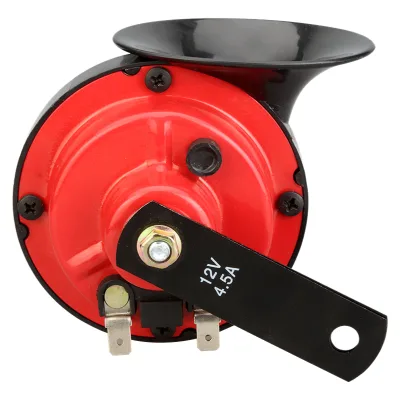
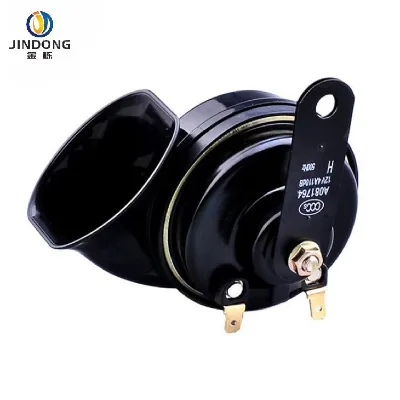
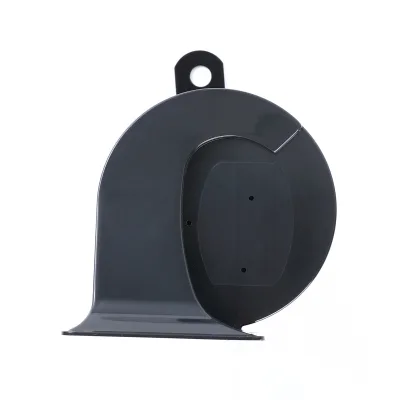


Comprehensive Sourcing Guide
Reverse Horn Sourcing Guide
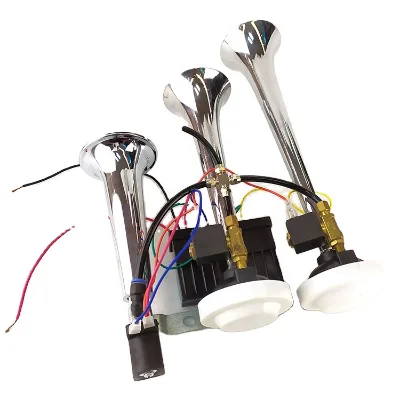
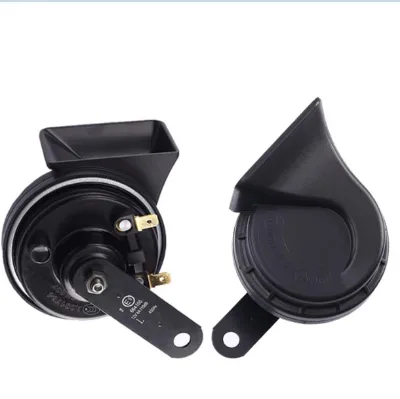
The Reverse Horn category encompasses a diverse range of audible warning devices, including sirens, air horns, and specialized speakers designed for high-decibel alerting. Procurement data indicates that these units often operate on DC 12V systems, with current draws varying between 3A and 3.5A depending on the specific model and sound frequency requirements. Buyers must distinguish between high-pitch sirens and mid-pitch air horns, as the application environment dictates the necessary acoustic profile and power consumption.
Selection criteria should prioritize the energy exchanging mechanism, which is typically electromagnetic or electrical in these industrial-grade units. The physical construction often utilizes ABS or plastic materials with black or silver finishes, ensuring durability against environmental exposure. Understanding the distinction between models with contact points and those without is critical for integration, as this feature directly impacts the wiring complexity and the ease of installation within existing vehicle or machinery electrical architectures.
Product Scope and Observed Listing Signals
Market listings reveal a wide spectrum of product models, ranging from the HB-88a buzzer to complex multi-sound speaker systems like the LD-201-2sound. These variations suggest that a single supplier may offer everything from simple single-tone alerts to sophisticated three-way speaker designs capable of producing distinct sound sequences. Buyers should carefully review the specific model number to confirm whether the unit is a basic siren, an air horn, or a multi-tone speaker, as the functional scope changes significantly between these classifications.
Packaging standards also vary across the catalog, with some units shipped in standard cartons containing 50 pieces, while others arrive in individual color boxes or smaller packages of ten. This inconsistency in packing formats, such as the 30pcs one carton standard versus the 10/Package configuration, requires immediate clarification during the ordering process to ensure logistics planning aligns with the received quantity. The presence of universal OE numbers further indicates that many of these devices are designed for broad compatibility across different vehicle makes and models.
Technical Specifications to Verify
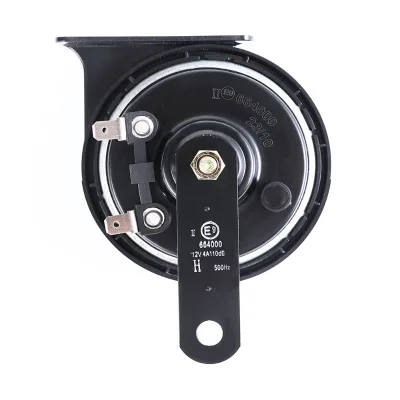
Voltage compatibility is a primary verification step, as the observed data confirms a standard DC 12V requirement for the majority of listed units. However, the current rating fluctuates between 3A and 3.5A, necessitating a check of the specific model's power draw to ensure the vehicle's electrical system can support the load without blowing fuses or causing voltage drops. The connection mode is consistently listed as double wire, but the presence or absence of a contact point must be confirmed to determine if additional relays or adapters are needed for the installation.
Acoustic performance metrics, such as the dB rating of 130dB for certain air horns, provide a baseline for loudness but must be correlated with the sound frequency, which ranges from high pitch to mid pitch. The life times of these units are often rated for 50,000 operations, a figure that should be validated against the intended duty cycle of the application. Additionally, the speaker design, whether two-way or three-way, directly influences the clarity and range of the sound, making it a crucial specification for safety-critical environments where distinct audio cues are required.
Compliance and Safety Documentation
Certification status is a vital component of the procurement checklist, with Emark 9 and ISO9001 appearing as key standards for compliant units in this category. These certifications indicate that the manufacturing process adheres to specific quality management systems and that the products meet regional safety regulations for automotive or industrial use. Buyers should request proof of these certificates for every batch ordered, as the presence of a certification on a product page does not guarantee that every individual unit in a shipment has undergone the same rigorous testing.
Safety documentation must also address the warranty terms, which are observed to be 12 months for many of the listed products. This warranty period serves as a critical indicator of the manufacturer's confidence in the product's longevity and resistance to failure under normal operating conditions. It is essential to verify that the warranty covers specific failure modes related to the coil material, typically copper, and the surface treatment processes like shot blasting, which protect the internal components from corrosion and physical damage over time.
Cost Drivers and Commercial Terms
The observed price range of 0.5 to 200 USD reflects the significant variance in complexity and material quality between basic buzzers and high-performance air horns. Cost drivers include the speaker design complexity, the durability of the ABS or plastic housing, and the inclusion of advanced features like multi-sound capabilities or specific contact point configurations. Buyers should expect higher unit costs for models with higher dB ratings or those featuring specialized surface treatments that enhance longevity in harsh environments.
Minimum Order Quantities (MOQ) are equally variable, ranging from a single unit to 1000 pieces, which directly impacts the total cost of ownership for small versus large procurement projects. The packing standard, whether 50 pieces per carton or 30 pieces per carton, influences shipping efficiency and potential damage rates during transit. Understanding these commercial terms is essential for budgeting, as the MOQ and packaging density will determine the optimal order size to balance inventory costs with the need for immediate availability.
Supplier Qualification and Quality Control
Supplier qualification should focus on the consistency of product attributes, such as the condition being 100% brand new and the material composition being strictly copper and ABS. The presence of customization options suggests that suppliers are capable of adapting products to specific client needs, but this capability must be verified through sample testing before committing to a large order. Buyers should ensure that the supplier can consistently deliver units that match the observed specifications for voltage, current, and sound frequency without deviation.
Quality control processes must be scrutinized to ensure that the surface treatment and coil material meet the stated standards for every unit produced. The observation of shot blasting as a surface treatment process indicates a commitment to durability, but this must be verified on a sample basis to confirm that the treatment is applied uniformly. Additionally, the supplier's ability to maintain the 12-month warranty without excessive claims is a strong indicator of their internal quality control measures and their adherence to the ISO9001 standards they claim to hold.
Long-Term Procurement Checks
Long-term procurement success relies on monitoring the consistency of the life times rating, which is specified as 50,000 times for many units in this category. Buyers should establish a feedback loop to track actual field performance against this rating, as real-world usage patterns may differ from laboratory conditions. Regular audits of the product condition and the integrity of the double wire connection mode will help identify any systemic issues that could lead to premature failure or safety hazards in the field.
It is also critical to verify the continued availability of the specific models, such as the LD-908 or DL1133, to prevent supply chain disruptions. The universal nature of the OE numbers suggests broad compatibility, but changes in manufacturing standards or material sourcing could affect the fit and function of these parts over time. Maintaining a relationship with a supplier who can provide consistent documentation and support for the 12-month warranty period ensures that the procurement strategy remains robust and adaptable to future operational needs.
FAQs
What voltage options are available for reverse horns?
DC 12V is the standard voltage for most Reverse Horn models. This ensures compatibility with typical vehicle electrical systems. Some units may support other voltages if customization is available. Always verify the specific model requirements before installation to prevent electrical damage or malfunction in your application.
Can reverse horns be customized for specific needs?
Yes, customization is available for many Reverse Horn products. Buyers can often request specific sound frequencies, packaging, or surface treatments. This allows for tailored solutions that meet unique operational or branding requirements. Contact suppliers directly to discuss your specific customization needs and feasibility.
What materials are used in Reverse Horn construction?
Reverse horns are typically constructed from durable plastic or ABS materials. The internal coil often uses copper for efficient energy exchange. Some models feature black or silver surface treatments. These materials ensure longevity and resistance to environmental factors, making them suitable for various industrial and automotive applications.
How is the Reverse Horn packaged for shipping?
Packaging varies by model, including carton, color box, or carton box formats. Standard quantities often range from 30 to 50 pieces per carton. Some packages contain 10 units per inner package. Proper packaging protects the product during transit and ensures safe delivery to international buyers worldwide.
What certifications do reverse horns typically hold?
Many reverse horns hold Emark 9 and ISO9001 certifications. These indicate compliance with international quality and safety standards. Certifications ensure the product meets regulatory requirements for automotive and industrial use. Always request certification documents from suppliers to verify compliance before placing large orders.
What is the typical lifespan of a Reverse Horn?
The typical lifespan is around 50,000 activation cycles. This durability ensures reliable performance over extended periods. Factors like voltage stability and environmental conditions can influence actual usage life. Choosing high-quality models with proper warranties can further protect your investment and operational continuity.