Source Imported Removable Headlight Film for Protection, Tinting, and Styling
Find 30 Imported Removable Headlight Film options for vehicle protection, tinting, and styling. Compare TPU and PVC materials, self-healing features, and custom sizes to select the right film for your automotive needs.
Key considerations
Products List


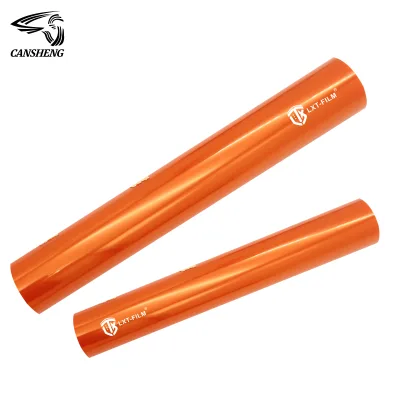
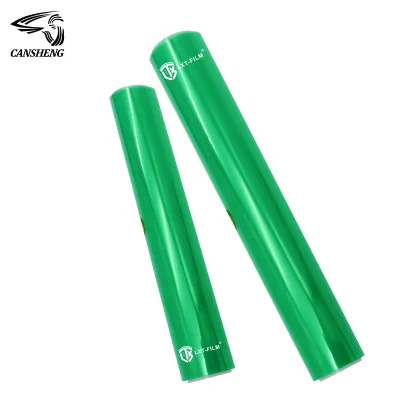


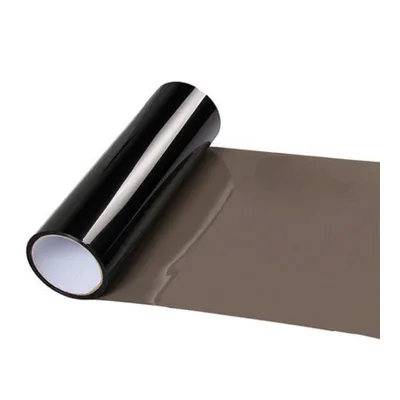


Comprehensive Sourcing Guide
Imported Removable Headlight Film Sourcing Guide
Procuring Imported Removable Headlight Film requires a precise understanding of the material science behind self-healing polymers and the specific adhesive technologies that allow for non-permanent installation. Buyers must distinguish between films designed for permanent protection and those engineered for temporary tinting or aesthetic customization, as the supply chain offers distinct product lines for each function. The core of this category relies on high-performance thermoplastic polyurethane (TPU) and polyethylene terephthalate (PET) substrates, which provide the necessary flexibility and durability to withstand road debris and UV exposure without yellowing.
The sourcing strategy must account for the variability in adhesive formulations, ranging from imported removable glues to standard Chinese adhesives, which directly impact the film's repositionability and residue-free removal. A successful procurement process involves verifying that the selected film matches the vehicle's lighting requirements, whether for UV proofing, heat insulation, or color-changing aesthetics. Buyers should prioritize suppliers who explicitly define the glue type and material composition, as these attributes determine the film's ability to heal minor scratches and maintain optical clarity over time.
Product Scope and Observed Listing Signals
The market for headlight films presents a diverse range of product names and design styles, from "Car Headlight Film" and "Nano Ceramic Film" to specialized armor products like "ZIRX HEADLINGHT ARMOR HAZE." Listings frequently highlight a "Business/Luxury" design style, indicating that these products are marketed toward premium vehicle owners seeking enhanced aesthetics alongside protection. The observed product scope includes transparent, black, and tinted variants, with some products offering color-changing capabilities, suggesting a broad application spectrum that extends beyond simple protection to include customization and privacy protection.
Buyers must carefully parse listing signals to identify the specific function of the film, as attributes such as "Self Healing," "UV Proof," and "Explosion-Proof" appear across different material types. The presence of "Wet Stick" application methods and "Suitable" wet/dry roast conditions indicates that installation techniques vary by product, requiring specific surface preparation and environmental controls. The observed listing data confirms that while some products are standard rolls, others offer customizable dimensions, necessitating a clear definition of the required roll size and thickness before initiating a purchase order.
Technical Specifications to Verify
Verifying the core raw material is the first critical step, as the supply chain features distinct options including TPU sourced from major suppliers like Covestro, as well as PET and PVC variants. TPU-based films are generally preferred for their superior self-healing properties and resistance to abrasion, whereas PET and PVC options may offer different cost structures and optical characteristics. Buyers should explicitly confirm the material composition in the product specification, as the choice between TPU and other polymers dictates the film's longevity, flexibility, and ability to withstand thermal stress from high-intensity headlights.
Thickness and dimensional standards are equally vital, with observed specifications ranging from 1.5mil to 2mil, and even up to 7.5mil for heavy-duty armor applications. The standard roll widths typically align with 1.52 meters, with lengths varying between 10 meters and 30 meters, though custom sizes such as 0.3m x 15m are also available. Procurement teams must verify the VLT (Visible Light Transmission) range, which can span from 1% to 80%, ensuring the selected film complies with local vehicle lighting regulations while meeting the buyer's aesthetic or functional requirements for heat insulation and UV rejection.
Compliance and Safety Documentation
While specific certification documents are not universally listed in the provided product data, buyers must request evidence of compliance with local vehicle safety standards regarding headlight visibility and light transmission. The functional claims of "UV Proof" and "Anti-Scratch" capabilities should be backed by third-party test results or manufacturer data sheets that quantify the UVR (Ultraviolet Rejection) and IRR (Infrared Rejection) percentages, such as the observed 85% UVR and 35% IRR figures. Without this documentation, it is difficult to validate the film's ability to protect the underlying headlight assembly from degradation or to ensure that the tint does not violate road safety laws.
Safety documentation must also address the chemical composition of the adhesive, particularly when distinguishing between "Imported Removable Glue" and "China Glue." Buyers should verify that the adhesive is non-corrosive and does not leave residue upon removal, as this is a primary requirement for "removable" products. Additionally, the packaging standards, whether "Carton Packaging" or "Paper Box," should be reviewed to ensure they provide adequate protection during international shipping, preventing damage to the film rolls which could compromise the integrity of the self-healing layer.
Cost Drivers and Commercial Terms
The cost of Imported Removable Headlight Film is driven primarily by the raw material source, with TPU films generally commanding a higher price point than PVC or PET alternatives due to the superior performance of the polymer. The inclusion of specialized features such as "Color Changing," "Explosion-Proof," or "Sand Proof" capabilities further influences the unit price, as these require advanced manufacturing processes and higher-grade additives. Buyers should expect a wide price variance, with observed listings ranging from $2 to $210, reflecting the difference between basic tinted films and premium armor-grade products with extensive functional claims.
Commercial terms are heavily influenced by the Minimum Order Quantity (MOQ), which varies significantly from 1 roll to 500 units depending on the supplier and product customization level. The standard MOQ of 1 roll allows for small-scale testing and prototyping, while larger orders may unlock volume discounts but require a commitment to specific roll sizes and material types. Buyers must also consider the packaging requirements, such as the need for "Logo" printing or specific carton configurations, as these value-added services can impact the final landed cost and lead time for the shipment.
Supplier Qualification and Quality Control
Supplier qualification should focus on verifying the origin of the core raw materials, specifically looking for suppliers who disclose their TPU source, such as Covestro, to ensure the film meets high-performance standards. The location of the supplier, often noted as "Zhe Jiang, China" or generally "China," provides context for the manufacturing ecosystem but does not guarantee quality; therefore, buyers must assess the supplier's track record in producing films with consistent self-healing properties and adhesive performance. Quality control protocols must include checks for uniform thickness, consistent VLT values, and the absence of defects in the film roll that could hinder the "Wet Stick" application process.
Quality assurance extends to the physical integrity of the product upon arrival, requiring inspection of the "Package" and "prod_packing" details to ensure the film has not been exposed to conditions that could degrade the adhesive or the polymer. Buyers should implement a sampling strategy to test the "Anti-Scratch" and "Self Healing" claims on a small batch before committing to a larger order. It is essential to verify that the supplier can consistently deliver the specified "prod_standard" dimensions and that the "Glue" type matches the description provided in the initial inquiry to avoid installation failures or premature peeling.
Long-Term Procurement Checks
Long-term procurement success depends on establishing a consistent supply chain for films that maintain their optical clarity and functional properties over extended periods. Buyers should monitor the performance of the "Self Healing" feature under real-world conditions, ensuring that the film continues to repair minor scratches without losing transparency or becoming brittle. Regular quality audits should be conducted to verify that the "UV Proof" and "Heat Insulation" capabilities remain effective, as degradation in these areas can lead to headlight damage and increased maintenance costs for the end-user.
Sustainability and supply chain resilience are also critical factors, requiring buyers to assess the supplier's ability to maintain consistent raw material sourcing, particularly for specialized polymers like TPU. The procurement strategy should include a review of the supplier's capacity to handle custom orders, such as specific roll sizes or logo printing, without compromising the lead time or quality of the product. By maintaining a close relationship with suppliers and regularly reviewing product specifications, buyers can ensure that their inventory of imported removable headlight films remains aligned with evolving market demands and vehicle lighting technologies.
FAQs
What material is used for Imported Removable Headlight Film?
The Imported Removable Headlight Film is primarily manufactured using TPU material, which offers superior durability and self-healing properties. Some variants also utilize PET or PVC materials for specific tinting or cost-effective applications. The choice of material directly impacts the film's resistance to scratches, UV exposure, and its ability to heal minor surface abrasions over time.
Can the headlight film be customized for specific vehicle models?
Yes, customization is available for Imported Removable Headlight Film to fit various vehicle models and design preferences. Buyers can select from different colors, such as transparent or black, and choose specific design styles like business or luxury aesthetics. The film can also be customized in terms of standard roll sizes, ensuring a precise fit for diverse automotive lighting requirements.
What is the minimum order quantity for Imported Removable Headlight Film?
The minimum order quantity for Imported Removable Headlight Film typically starts at 1 roll, making it accessible for small-scale buyers or testing purposes. However, bulk orders may have different MOQ thresholds depending on the supplier and specific product specifications. Buyers should verify the exact MOQ with the supplier, as it can range up to 500 rolls for certain customized or specialized film types.
How thick is the Imported Removable Headlight Film?
The thickness of Imported Removable Headlight Film varies by product type, with options ranging from 1.5 mil to 7.5 mil. Thicker films, such as the 7.5 mil TPU variant, offer enhanced protection against impacts and scratches, while thinner films may be preferred for specific aesthetic or application needs. Buyers should select the thickness based on their desired level of protection and film functionality.
What adhesive type is used in Imported Removable Headlight Film?
Imported Removable Headlight Film utilizes self-adhesive glue that is designed to be removable without leaving residue on the headlight surface. The adhesive is often imported to ensure strong bonding while maintaining ease of removal. Some variants may use China glue, but the key feature is the removable nature, allowing for easy replacement or removal without damaging the original headlight finish.
What are the key functions of Imported Removable Headlight Film?
Key functions of Imported Removable Headlight Film include UV proofing, self-healing, heat insulation, and anti-scratch protection. Some advanced films also offer color-changing capabilities, privacy protection, and explosion-proof features. These functions help preserve the clarity and appearance of headlights while protecting them from environmental damage, extending their lifespan and maintaining vehicle aesthetics.
What is the standard size of Imported Removable Headlight Film rolls?
The standard size for Imported Removable Headlight Film rolls is typically 1.52 meters in width and 30 meters in length. Customized sizes are also available, such as 0.3 meters by 10 meters or 15 meters, depending on buyer requirements. These dimensions allow for efficient coverage of various headlight sizes and shapes, with flexibility for custom orders to meet specific project needs.