Source Indirect Ophthalmoscope for Clinics, Hospitals, and Schools
Explore 30 listings for the indirect ophthalmoscope from verified Chinese manufacturers. Buyers can compare specifications, certifications, and pricing to find suitable ophthalmic equipment for clinical diagnostics and patient examinations; compare the available evidence and request quotations based on your requirements.
Key considerations
Products List
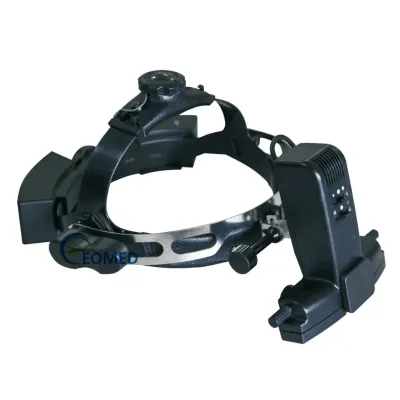
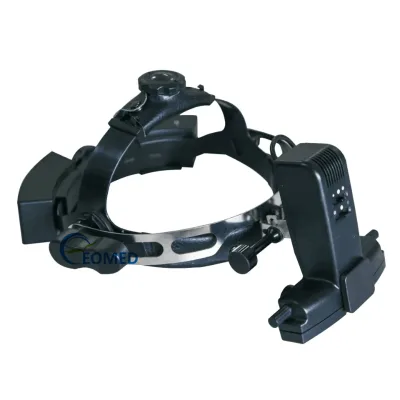
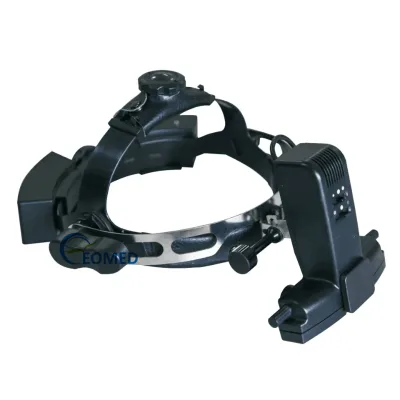
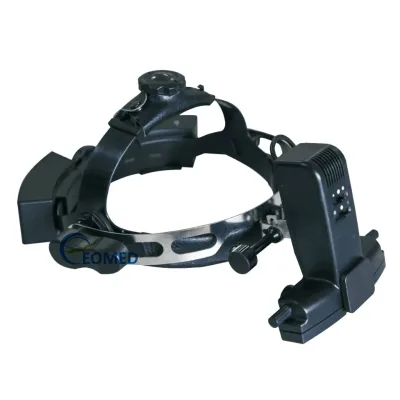
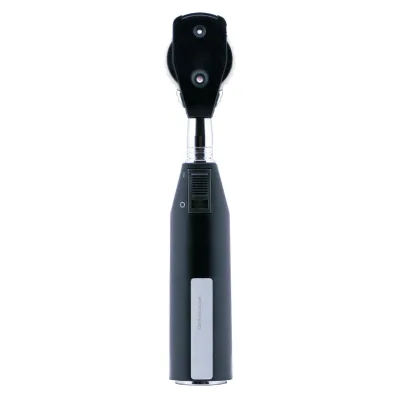


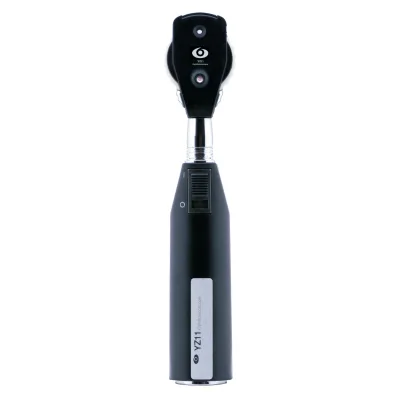


Comprehensive Sourcing Guide
Indirect Ophthalmoscope Sourcing Guide
Procurement professionals must first distinguish between direct and indirect ophthalmoscope models when reviewing supplier catalogs, as the supplied data indicates a mix of product types including binocular indirect units and direct ophthalmoscopes. Buyers should carefully verify the specific model number and product name listed in the catalog to ensure the device matches the clinical requirement for wide-field retinal examination versus direct fundus viewing. The observed listings reveal distinct model identifiers such as YZ-25B and SW-OT series, which often correlate with specific optical configurations and illumination capabilities required for different diagnostic scenarios.
Sourcing strategies must account for the variability in power supply and illumination sources found across different listings, ranging from halogen bulbs to rechargeable lithium battery packs. A buyer must confirm whether the device supports AC power inputs like 220V or 110V alongside portable battery options, as this determines the device's suitability for mobile clinics or fixed hospital settings. The presence of multiple illumination forms, including slit and red-free light, suggests advanced diagnostic features that require specific verification against the intended clinical workflow before finalizing any purchase order.
Product Scope and Observed Listing Signals
The market data reveals a significant price variance, with observed listing ranges extending from approximately 11.5 USD to 15,000 USD, indicating a broad spectrum of product quality and feature sets. Buyers must correlate these price points with specific technical attributes, such as the visual angle of 45 degrees or the inclusion of complex illumination systems, to avoid overpaying for basic models or underestimating the cost of high-end binocular indirect ophthalmoscopes. This wide range necessitates a clear definition of required specifications to filter out irrelevant listings that do not meet the operational needs of the purchasing organization.
Lead times and minimum order quantities also vary considerably, with observed MOQs ranging from single items to 5,000 units and delivery times as short as 15 days for certain configurations. Procurement teams should evaluate whether the supplier offers single-item purchasing for immediate clinical needs or requires bulk orders that align with long-term inventory planning. The availability of customized support, including OEM branding and customer logos, further complicates the scope, requiring buyers to determine if brand customization is a mandatory requirement or a secondary preference in their sourcing strategy.
Technical Specifications to Verify
Verification of the optical system is critical, specifically focusing on the visual angle and illumination forms provided by the manufacturer. The supplied facts highlight a visual angle of 45 degrees plus or minus 5 degrees and a variety of illumination forms such as big spot, small spot, slit, and red-free light. Buyers must ensure that the specific model selected, such as the YZ-25B or SW-OT series, actually delivers these optical parameters, as the performance of the indirect ophthalmoscope relies heavily on the precision of these light paths for effective retinal visualization.
Power management and physical dimensions are equally important technical factors that influence the usability and portability of the equipment. Listings indicate power sources ranging from 3.5V lithium battery packs to standard AC inputs, alongside specific packaging dimensions like 20x20x50 cm and gross weights of 5 kg. Procurement officers must confirm that the power supply matches the local electrical infrastructure and that the physical weight and size are manageable for the intended clinical environment, ensuring the device can be easily transported or mounted without compromising operational efficiency.
Compliance and Safety Documentation
Regulatory compliance is a non-negotiable aspect of sourcing medical devices, with observed certifications including FDA, ISO, CE, and EEC marks across different product listings. Buyers must rigorously verify that the specific unit they intend to purchase holds the necessary certifications for their target market, as the presence of one certification does not guarantee the validity of others for the same model. The variation in certification lists, such as ISOCE versus ISOMSDS and EEC, suggests that compliance status is model-specific and requires direct confirmation from the supplier before any transaction is finalized.
Safety standards and product classifications further dictate the legal and operational viability of the equipment in a clinical setting. The data identifies these devices under classifications like Biological Diagnostics and references standards such as CE and ISO, which are essential for regulatory clearance in various jurisdictions. Procurement teams must ensure that the product standard listed, whether it is a generic Ophthalmoscope standard or a specific model standard, aligns with the local regulatory requirements to prevent legal liabilities and ensure patient safety during diagnostic procedures.
Cost Drivers and Commercial Terms
The total cost of ownership is influenced by several factors beyond the initial unit price, including customization fees, packaging requirements, and shipping logistics. The observed data shows that some units are sold as single items while others are packed in cartons of 20 pieces, which significantly impacts the per-unit cost and shipping efficiency. Buyers should analyze whether the cost savings from bulk packaging outweigh the inventory holding costs, especially when considering the varying MOQs that range from one unit to thousands.
Warranty terms and sample availability also play a crucial role in the commercial negotiation process. Most observed listings offer a one-year warranty, which provides a baseline for after-sales support, but buyers must clarify the specific terms of coverage for the indirect ophthalmoscope model in question. Additionally, the acceptance of samples allows for physical inspection of the device's build quality and optical performance before committing to a larger order, mitigating the risk of purchasing non-compliant or substandard equipment.
Supplier Qualification and Quality Control
Geographic origin and manufacturing capabilities are key indicators of supplier reliability, with observed production locations spanning Guangdong, Jiangsu, and Chongqing in China. Buyers should assess the manufacturing capacity and quality control systems of suppliers in these regions, as the concentration of medical device manufacturers in specific provinces can indicate specialized expertise or potential supply chain bottlenecks. Understanding the specific origin of the product helps in evaluating the logistical lead times and the potential for consistent quality across different production batches.
Quality control processes must be validated through the supplier's ability to provide detailed product specifications and adherence to international standards. The presence of standardized packaging, such as standard exporting packages or specific box configurations, suggests a level of operational maturity, but buyers must verify that these standards are consistently applied. It is essential to confirm that the supplier can maintain the specified product standards, such as CE and ISO, throughout the production run to ensure that every unit delivered meets the required safety and performance criteria.
Long-Term Procurement Checks
Sustainability and after-sales support are critical considerations for maintaining a reliable supply of indirect ophthalmoscopes over the long term. Buyers should establish clear agreements regarding the availability of spare parts, such as halogen bulbs or battery packs, and the duration of warranty support beyond the initial one-year period. Ensuring that the supplier can provide timely technical support and replacement parts is vital for minimizing downtime in clinical settings where these diagnostic tools are essential for patient care.
Future-proofing the procurement strategy involves monitoring the evolution of product models and technological advancements in ophthalmic equipment. As manufacturers update their product lines, such as the transition from older models to newer versions like the SW-OT series, buyers must stay informed about compatibility and upgrade paths. Regular reviews of supplier performance and product updates will help organizations adapt to changing clinical needs and regulatory landscapes, ensuring a continuous and reliable supply of high-quality diagnostic equipment.
FAQs
What certifications do indirect ophthalmoscopes typically hold?
Indirect ophthalmoscopes commonly hold FDA, CE, and ISO certifications. These standards ensure the devices meet international safety and quality requirements for medical use. Buyers should verify specific certification documents provided by the manufacturer to confirm compliance with local regulatory frameworks before procurement.
Can indirect ophthalmoscopes be customized with OEM branding?
Yes, many manufacturers offer OEM customization support for indirect ophthalmoscopes. Buyers can request custom logos, packaging, or specific model configurations to align with their brand identity. This service allows clinics and distributors to market the equipment under their own name while maintaining standard technical specifications.
What is the typical lead time for indirect ophthalmoscope orders?
The typical lead time for indirect ophthalmoscope orders is approximately 15 days. This duration allows manufacturers to process production, conduct quality checks, and arrange shipping. Buyers should confirm exact delivery schedules with suppliers, as lead times may vary based on order volume and current production capacity.
How is the power supply configured for indirect ophthalmoscopes?
Indirect ophthalmoscopes often feature rechargeable lithium battery packs for portability. Some models also support AC power input for continuous use in clinical settings. The battery typically provides a stable power source for extended examinations, ensuring the device remains functional during mobile or emergency medical procedures.
What illumination forms are available in indirect ophthalmoscopes?
Indirect ophthalmoscopes usually provide multiple illumination forms including big spot, small spot, slit, net, and red free light. These varied light modes allow clinicians to examine different retinal structures effectively. The choice of illumination depends on the specific diagnostic requirements and the condition being assessed during the eye examination.