Source Indoor Sports Building for Gyms, Arenas, and Clubs
Find 30 options for an Indoor Sports Building featuring steel portal frames, customizable designs, and high wind resistance. Buyers can compare specifications, pricing, and delivery times for projects like gyms, arenas, and clubs.
Key considerations
Products List


Prefabricated Steel Structure Construction Building for Indoor Sports Hall Indoor Playground
$20.00 - $50.00
MOQ: 500 Square Meters

Light Steel Structure Sport Hall Prefab Steel Structure Sports Hall
$20.00 - $50.00
MOQ: 500 Square Meters


Custom Design Easy Assemble Steel Structure Indoor Sports Facilities
$35.00 - $95.00
MOQ: 200 Square Meters


Prefabricated Steel Structure Construction Building for Indoor Sports Hall Indoor Playground
$25.00 - $65.00
MOQ: 200 Square Meters

Professional Production Steel Structure Building Indoor Sport Hall Building with Great Price
$25.00 - $65.00
MOQ: 200 Square Meters


Metal Construction Prefabricated Steel Structure Inside Sports Building
$35.00 - $55.00
MOQ: 100 Square Meters


Comprehensive Sourcing Guide
Strategic Sourcing Guide for Indoor Sports Building Structures
Procuring an Indoor Sports Building requires a meticulous approach to technical specifications, structural integrity, and supplier reliability. Unlike standard commercial warehouses, sports facilities demand precise engineering to accommodate specific load requirements, clear spans, and environmental resistance. The following guide outlines the essential factors for buyers navigating the global market for steel structure buildings, ensuring that the final product meets the rigorous demands of athletic and recreational use.
Technical Specifications and Structural Design
The foundation of a successful Indoor Sports Building lies in its structural design and material composition. Buyers must prioritize the steel grade and forming methods to ensure longevity and safety. The market offers structures fabricated from high-strength carbon structural steel, with specific grades such as Q355b, Q235B, and A36 being common options. The choice between these grades depends on the specific load-bearing requirements and the intended lifespan of the facility.
The structural frame typically utilizes a steel portal frame system, composed of hot-rolled H-beams or I-beams for columns and rafters. This configuration provides the necessary rigidity to support large, column-free interior spaces essential for sports activities. The purlins, which support the roof cladding, are available in C-purlin, Z-purlin, or hot-rolled H-beam variations, offering flexibility in design based on the roof pitch and span requirements. Tie beams, constructed from round pipes or square tubes, connect the structural members to enhance lateral stability.
Roof design is another critical technical parameter. The roof pitch can be customized to specific angles, including 10%, 12%, 16%, 25%, and 30%, allowing for optimal drainage and aesthetic integration. The roof coverage options generally include single corrugated sheets or sandwich panels, the latter offering superior thermal insulation and acoustic dampening. For the walls, aluminum windows are a standard feature, though PVC or aluminum alloy frame windows are also available to suit different budget and performance needs. The connection form of the structure may vary, with welded connections providing seamless integrity and bolt connections offering ease of assembly and potential disassembly.
Compliance, Certification, and Safety Standards
Verifying compliance with international and local standards is non-negotiable when sourcing a sports facility. Buyers should request documentation proving that the supplier adheres to recognized quality management systems. Certifications such as ISO are frequently cited as evidence of a manufacturer's commitment to standardized production processes. Additionally, third-party inspection reports and specific certifications like SGS or CE serve as critical validation of the product's quality and safety.
Structural safety is paramount in sports buildings due to the dynamic loads generated by human activity and equipment. The design must account for environmental forces, specifically wind, snow, and seismic activity. Buyers should verify that the structure is engineered to withstand wind speeds ranging from 80 to 280 km/h and snow loads between 30 and 200 kg per square meter. Seismic resistance is often rated according to specific grades, with Grade 9 being a benchmark for high-seismic zones.
Furthermore, the surface treatment of the steel components is vital for corrosion resistance. Options include painting or hot-dipped galvanizing, with the latter offering superior protection for long-term durability. The warranty period for the main structure is a key indicator of manufacturer confidence, with some suppliers offering warranties up to 30 years. However, buyers must ensure that these warranties are backed by verifiable test results and that the specific terms align with the project's location and usage intensity.
Cost Drivers and Financial Considerations
The total cost of an Indoor Sports Building is influenced by a complex interplay of variables, including material costs, design complexity, and logistical expenses. The primary cost driver is the quantity and grade of steel used. High-strength steel grades like Q355b may incur higher material costs compared to standard Q235B, but they can reduce the overall weight of the structure, potentially lowering transportation and foundation costs.
The customization level significantly impacts the final price. While standard designs offer economies of scale, custom specifications for bay widths, column heights, and roof pitches require unique engineering and fabrication, leading to higher unit costs. The choice of cladding material is another major factor; sandwich panels are generally more expensive than single corrugated sheets but provide better energy efficiency and noise reduction, which are desirable for indoor sports environments.
Logistics and installation also contribute to the cost structure. The delivery time typically ranges from 4 to 6 weeks, but this can extend based on the complexity of the order and the supplier's current workload. Buyers should account for the cost of the "Standard Export Package" or custom packaging requirements, as well as the potential need for specialized lifting equipment during installation. The Minimum Order Quantity (MOQ) can vary from 1 unit to 500 units, affecting the per-unit price. Smaller orders may face higher per-square-meter costs due to the lack of production line optimization.
Typical Applications and Functional Requirements
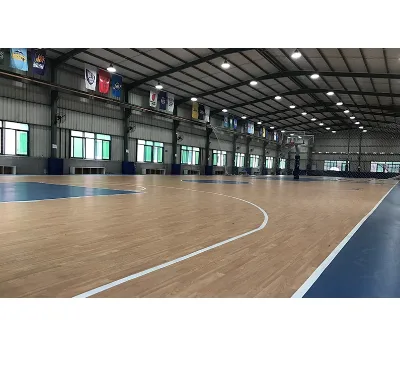
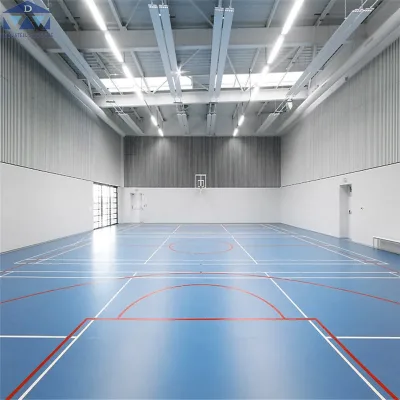
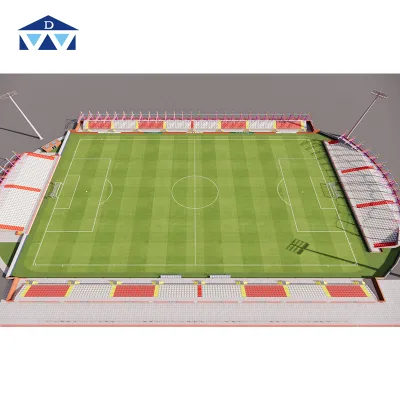
Indoor sports buildings serve a diverse range of applications, from professional athletic arenas to community leisure centers. The versatility of steel structure buildings allows them to be adapted for various uses, including steel sport halls, structural roofing for stadiums, and steel fabricated houses for athlete housing. The design must accommodate the specific needs of the sport, such as high ceilings for basketball or volleyball, and clear spans to avoid obstructive columns.
The application of the building dictates the required features. For a steel sport hall, the structure must support heavy lighting rigs, scoreboards, and potentially overhead cranes for maintenance. The inclusion of options such as skylight belts, ventilation fittings, and gutters is essential for maintaining a comfortable indoor environment. The floor system, often a steel structure platform, must be designed to absorb impact and provide a safe surface for athletes.
In addition to the main hall, the building may include ancillary spaces such as locker rooms, spectator areas, and administrative offices. The modular nature of steel construction allows for the integration of these spaces seamlessly. The mobility of the structure is another consideration; some designs offer adjustable features that allow for future expansion or reconfiguration of the interior layout. This adaptability ensures that the facility can evolve with the changing needs of the sports community.
Supplier Evaluation and Selection Criteria
Selecting the right supplier is as critical as the technical specifications of the building itself. Buyers should evaluate potential partners based on their manufacturing capabilities, quality control processes, and after-sales support. A reputable supplier will provide free design drawings in both 2D and 3D formats, allowing the buyer to visualize the final structure before production begins. The availability of installation shop drawings and video guides is also a strong indicator of a supplier's commitment to a smooth installation process.
The origin of the product is another factor to consider. Many suppliers are located in major manufacturing hubs such as Shandong, China, which offers access to a robust supply chain and competitive pricing. However, buyers must verify the supplier's ability to meet international shipping standards and handle complex logistics. The production capacity should be sufficient to meet the project timeline, with a clear understanding of the lead time and any potential delays.
Supplier reputation can be assessed through references, past project portfolios, and client testimonials. Buyers should look for evidence of successful installations of similar scale and complexity. The supplier's willingness to engage in a detailed technical dialogue and provide transparent pricing breakdowns is also a positive sign. Avoid suppliers who are vague about their certifications or unwilling to provide third-party inspection reports.
Quality Control and Long-Term Procurement Considerations
Quality control must be integrated into every stage of the procurement process, from raw material sourcing to final delivery. Buyers should insist on a rigorous inspection protocol that covers the steel grade, welding quality, and surface treatment. The use of high-quality carbon structural steel and alloy structural steel ensures that the building meets the required strength and durability standards. Regular third-party inspections during the manufacturing process can help identify and rectify issues before they become costly problems.
Long-term procurement considerations extend beyond the initial purchase. The warranty period, often up to 30 years for the main structure, should be clearly defined in the contract. Buyers must understand the scope of the warranty and the process for filing claims. After-sales service is equally important; suppliers that offer 2D and 3D installation drawings and video support can significantly reduce the risk of installation errors and ensure the building is assembled correctly.
Maintenance requirements should also be factored into the decision-making process. The choice of surface treatment, such as hot-dipped galvanizing, can reduce the frequency and cost of maintenance over the building's lifespan. Buyers should plan for periodic inspections of the roof, walls, and structural connections to ensure continued safety and performance. By prioritizing quality and long-term support, buyers can ensure that their Indoor Sports Building remains a safe and functional asset for decades.
Conclusion
Sourcing an Indoor Sports Building is a complex endeavor that requires a deep understanding of technical specifications, compliance standards, and supplier capabilities. By focusing on high-quality materials, robust structural design, and reliable after-sales support, buyers can secure a facility that meets the rigorous demands of sports and recreation. The key to success lies in thorough due diligence, clear communication with suppliers, and a commitment to quality at every stage of the procurement process. With the right approach, buyers can build a state-of-the-art sports facility that serves their community for generations.
FAQs
What steel grades are used for Indoor Sports Building structures?
The structures typically use high-strength carbon structural steel grades such as Q355b, Q235B, and A36. These materials ensure the necessary rigidity and load-bearing capacity required for large column-free interior spaces in sports facilities.
How is the main structure connected during assembly?
The main structure utilizes either welded connections or bolt connections depending on the specific design requirements. Welded connections provide seamless integrity, while bolt connections offer ease of assembly and potential disassembly for future modifications.
Which certifications verify the quality of these steel buildings?
Products often carry ISO, SGS, and CE certifications along with third-party inspection reports. These documents validate that the manufacturer adheres to recognized quality management systems and safety standards for structural integrity.
Can the roof pitch be customized for specific drainage needs?
Yes, the roof pitch can be customized to angles including 10%, 12%, 16%, 25%, and 30%. This flexibility allows for optimal drainage and aesthetic integration tailored to the specific environmental conditions of the installation site.
What is the typical delivery time for these steel structures?
The standard delivery time ranges from 4 to 6 weeks after order confirmation. This timeline may vary based on the complexity of the customization and the supplier's current production workload.
How much wind and snow load can the building withstand?
The structures are engineered to withstand wind speeds from 80 to 280 km per hour and snow loads between 30 and 200 kg per square meter. These specifications ensure safety against severe environmental forces in various regions.
What surface treatments protect the steel from corrosion?
Available surface treatments include painting or hot-dipped galvanizing to ensure long-term durability. Hot-dipped galvanizing offers superior protection against corrosion, making it ideal for structures requiring extended service life in harsh environments.