Source Outdoor IP65 RF Coaxial Attenuator for base stations, test labs, and field deployments
Find 30 verified options for the Outdoor IP65 RF Coaxial Attenuator to compare frequency ranges, power ratings, and connector types. Buyers can evaluate models ranging from DC-3GHz to 40GHz with average power from 5W to 100W and various housing materials like aluminum and brass.
Key considerations
Products List


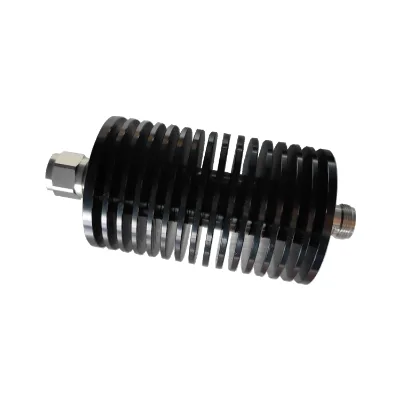


Comprehensive Sourcing Guide
Strategic Sourcing Guide for Outdoor IP65 RF Coaxial Attenuators
Understanding the Technical Landscape of RF Attenuators
When sourcing outdoor IP65 RF coaxial attenuators, buyers must first distinguish between the general category of protection and the specific electrical performance of the component. The core keyword implies a device designed to withstand harsh environmental conditions while maintaining precise signal reduction. In the current market, the available product data reveals a diverse range of attenuator types, including fixed and variable models, each tailored for specific frequency bands and power handling requirements.
The technical specifications observed in the market indicate a wide spectrum of capabilities. For instance, certain high-performance units are rated for frequency ranges extending from DC up to 40GHz, utilizing connectors such as N, SMA, and TNC types. These units are often housed in brass with gold plating to ensure optimal conductivity and corrosion resistance. In contrast, other models operate within the 2.92mm or 3.5mm connector standards, covering frequency ranges up to 26.5GHz. The housing materials vary significantly, with options including aluminum with gray powder coating or brass, depending on the intended application and power density.
Power handling is a critical differentiator. The observed data shows average power ratings ranging from 5W to 100W, with some specialized modules capable of handling up to 30W average power and peaking power up to 1kW. This variance suggests that a single "IP65" rating does not guarantee a specific power capacity. Buyers must verify that the selected attenuator can handle the peak power of their specific transmission line without arcing or thermal degradation. The weight of these components also varies, from lightweight 15g modules to heavier 2kg units, which influences mounting strategies and structural support requirements in outdoor enclosures.
Compliance and Environmental Protection Verification
The "IP65" designation is a specific Ingress Protection rating indicating that the device is dust-tight and protected against water jets from any direction. While the provided product facts do not explicitly list an IP65 certification for every unit, the requirement for outdoor use necessitates rigorous verification of this standard. Buyers should not assume that all listed attenuators meet this threshold without explicit documentation.
Compliance checks must extend beyond the IP rating. The housing materials play a vital role in environmental resilience. Units with aluminum housing and gray powder coating, or brass with nickel plating, offer inherent resistance to oxidation and corrosion, which is essential for outdoor deployment. However, the specific sealing mechanisms, such as O-ring quality and connector interface design, are often the deciding factors in achieving a true IP65 rating.
Buyers must request test reports or certification documents that validate the IP rating under the specific conditions of their deployment. In the absence of explicit certification data in the product listing, the procurement strategy should prioritize suppliers who can provide third-party testing results for ingress protection. Additionally, the standard of the product, which is noted as "customized" in some listings, implies that the manufacturer may need to tailor the sealing and housing to meet specific environmental standards. This customization capability is a significant advantage for buyers with unique outdoor requirements, allowing for the integration of specific gaskets or coatings that exceed standard IP65 performance.
Cost Drivers and Pricing Dynamics
The pricing of RF attenuators is influenced by a complex interplay of factors, including frequency range, power handling, connector type, and customization levels. The observed market data indicates a price range from $2.50 to $1,800 USD. This wide disparity is not arbitrary but reflects the underlying engineering complexity and material costs.
Low-cost units, likely in the lower end of the price spectrum, typically feature lower frequency ranges (e.g., DC-3GHz or DC-5GHz) and standard connector types like N-type. These models often have lower power ratings, such as 5W or 10W average power, and utilize standard materials like brass or aluminum without extensive plating. In contrast, high-end units capable of handling 40GHz frequencies and 1kW peak power command significantly higher prices. The inclusion of precision connectors like 2.92mm or 3.5mm, which require tighter tolerances and more complex manufacturing processes, also drives up costs.
Material selection is another major cost driver. Gold plating on female pins and brass housings, as seen in some specifications, adds to the material expense but offers superior conductivity and longevity. Furthermore, the "customized" nature of many products means that non-standard dimensions, specific weight requirements, or unique packaging can incur additional charges. The Minimum Order Quantity (MOQ) also impacts the effective unit cost, with observed ranges from 1 to 100 units. Buyers purchasing in bulk may negotiate better rates, while those requiring single-unit prototypes or low-volume orders will face higher per-unit costs.
Typical Applications and Use Cases
The versatility of RF attenuators allows them to serve a broad array of applications, particularly in outdoor environments where signal integrity and equipment protection are paramount. High-frequency models operating up to 40GHz are ideal for advanced telecommunications infrastructure, including 5G base stations and microwave backhaul links. These applications demand precise attenuation to prevent receiver overload and ensure stable signal transmission over long distances.
Lower frequency models, such as those rated for DC-3GHz or DC-5GHz, are commonly used in broadcast, radar, and general RF testing equipment. The 3.5mm and 2.92mm connector variants are frequently found in high-precision laboratory settings and specialized outdoor measurement systems where space is limited and performance is critical. The varying power ratings allow these devices to be used in both low-power sensor networks and high-power transmission lines, such as those found in satellite ground stations or cellular repeaters.
The "outdoor" aspect of the keyword suggests deployment in environments exposed to the elements. This includes rooftop installations, remote tower sites, and underground utility vaults. The specific weight and dimensions of the attenuator, ranging from compact 15g modules to larger 2kg units, influence their suitability for different mounting scenarios. Lightweight units are preferable for aerial deployments where weight is a constraint, while heavier units may be better suited for ground-based, permanent installations where stability is more critical.
Supplier Evaluation and Selection Criteria
Selecting the right supplier is crucial for ensuring the reliability and longevity of outdoor RF components. Buyers should prioritize suppliers who demonstrate a clear understanding of the specific requirements for outdoor IP65 applications. The ability to offer customization is a strong indicator of a supplier's flexibility and technical capability. Many of the observed products are listed with "customized" standards, suggesting that the manufacturer is willing to adapt the design to meet specific client needs.
When evaluating potential suppliers, buyers should look for evidence of quality control processes and adherence to industry standards. The presence of detailed specifications, such as VSWR values (e.g., 1.15) and precise frequency ranges, indicates a manufacturer that pays attention to detail. Suppliers who provide comprehensive product data, including dimensions, weight, and material composition, are generally more reliable than those with vague descriptions.
Geographic origin is another factor to consider. The observed data indicates that many products originate from Nanjing, China, a region known for its electronics manufacturing capabilities. However, buyers should verify the supplier's track record in exporting to their specific region and their ability to navigate international logistics. The "Standard Packing" or "Carton or as Per Customer Requirement" options suggest that suppliers are flexible in their shipping and packaging strategies, which can be beneficial for protecting sensitive RF components during transit.
Quality Control and Long-Term Procurement Considerations
Ensuring the long-term reliability of outdoor RF attenuators requires a robust quality control strategy. Buyers should implement incoming inspection protocols that verify the physical dimensions, connector integrity, and electrical performance of the received units. The specific weight variations observed (e.g., 140g, 150g, 125g) suggest that even within the same model family, there may be slight manufacturing variances. Establishing clear acceptance criteria for these parameters is essential.
Long-term procurement considerations also involve assessing the supplier's ability to provide consistent quality over time. The "customized" nature of many products means that once a design is finalized, the supplier must be able to replicate it accurately for future orders. Buyers should seek suppliers who maintain detailed records of their manufacturing processes and who are willing to provide traceability for critical components like connectors and housing materials.
Furthermore, the environmental resilience of the attenuator must be validated over time. While an initial IP65 rating is a good starting point, buyers should consider the long-term effects of UV exposure, temperature cycling, and humidity on the sealing materials and plating. Suppliers who offer extended warranties or performance guarantees demonstrate confidence in their product's durability. Regular maintenance schedules and the availability of spare parts should also be factored into the procurement strategy to ensure minimal downtime in critical outdoor infrastructure.
Comparative Analysis of Key Specifications
To assist buyers in making informed decisions, the following table summarizes the key technical specifications observed in the market for RF attenuators. This comparison highlights the diversity in frequency ranges, power handling, and connector types, which are critical factors in selecting the right component for outdoor IP65 applications.
| Feature | High-Frequency Model (40GHz) | Mid-Range Model (26.5GHz) | Low-Frequency Model (3-5GHz) |
|---|---|---|---|
| Frequency Range | DC-40GHz | DC-26.5GHz | DC-3GHz to DC-5GHz |
| Connector Types | N, SMA, TNC | 2.92mm, 3.5mm | N(F), SMA(M,F) |
| Average Power | 30W | 5W to 100W | 5W to 10W |
| Peak Power | 1kW | 0.2kW to 0.5kW | Not specified |
| Housing Material | Brass (Gold Plated) | Aluminum, Brass | Aluminum (Gray Powder Coat) |
| Weight Range | 125g - 150g | 15g - 386g | 2kg |
| Typical Application | 5G, Microwave Backhaul | Radar, Precision Testing | Broadcast, General RF |
This table illustrates that there is no single "best" attenuator; the choice depends entirely on the specific frequency, power, and environmental requirements of the project. Buyers must carefully match these specifications to their system needs to ensure optimal performance and reliability in outdoor settings.
FAQs
Can I find outdoor attenuators with 40GHz frequency range?
Yes, models exist with a frequency range from DC to 40GHz. These units typically feature brass housing with gold plating and support N, SMA, or TNC connectors for high-performance applications.
What is the average power rating for high-frequency models?
High-frequency models can handle an average power of 30W. Some specialized modules are rated for up to 100W average power depending on the specific connector type and housing material selected.
Which connector types are available for these attenuators?
Available connector types include N, SMA, TNC, 2.92mm, and 3.5mm. Specific models may offer combinations like 3.5mm or SMA in male and female configurations to suit various interface needs.
How much do these attenuators typically weigh?
Weights vary significantly by model, ranging from 15g for compact modules to 2kg for larger units. Specific variants are listed at 140g, 150g, 125g, 40g, 386g, and 910g depending on the design.
Can I order these products with customized packaging?
Yes, standard packing is available, but options include cartons or packaging as per customer requirement. The product standard is often customized, allowing for tailored solutions to meet specific client needs.
What is the origin location for these RF components?
The products originate from Nanjing, China, or generally from China. Buyers should verify specific supplier locations and lead times as the manufacturing hub is concentrated in this region.
Which models support a 1kW peak power rating?
Certain high-performance units support a peaking power of 1kW. These models often operate at DC-40GHz and feature brass housing with gold plating to ensure durability under high stress.
What is the VSWR value for lower frequency models?
Lower frequency models, such as those rated for DC-3GHz, exhibit a VSWR of 1.15. This indicates high signal transmission efficiency suitable for broadcast and general RF testing applications.