Source IP53 Elevator Light Curtain for Elevators, Public Traffic, and Safety Systems
Compare 30 available options for the IP53 Elevator Light Curtain designed for public traffic and safety systems. Buyers can evaluate specifications like detection distance, infrared pairs, and output types to find the right fit for their elevator projects; compare the available evidence and request quotations based on your requirements.
Key considerations
Products List


Elevator Parts Elevator Door Sensor Lift Parts Elevator Door Light Curtain
$24.99 - $199.99
MOQ: 1 Pieces

Elevator Safety Component Safety Light Curtain for Door System Light Sensor
$24.99 - $199.99
MOQ: 1 Pieces


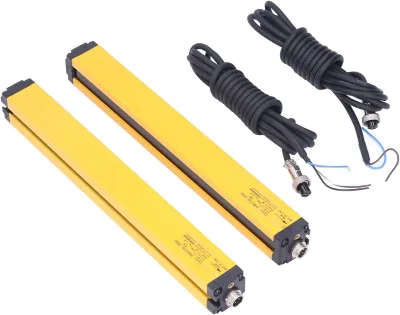


Elevator Parts Elevator Light Curtain 957r71-AC220 for Hotel and Apartment
$47.00 - $65.00
MOQ: 1 Pieces
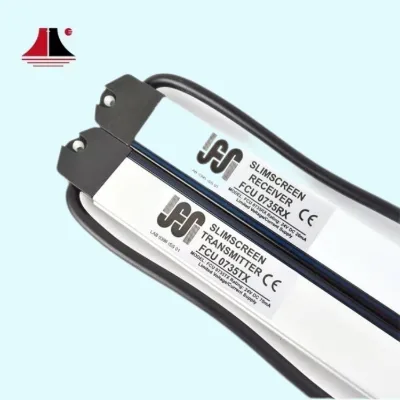


Comprehensive Sourcing Guide
IP53 Elevator Light Curtain Sourcing Guide
Procuring safety light curtains for elevator applications requires a precise alignment between technical specifications and operational requirements. The core keyword "IP53 Elevator Light Curtain" indicates a specific ingress protection rating, though buyers must verify if this matches their environmental needs. Many industrial listings for similar safety systems often cite higher ratings like IP54 or IP67, so confirming the exact IP class is critical for durability in dusty or wet elevator shafts. This guide helps navigate the observed market signals to ensure the selected device meets both safety and functional standards.
Buyers should approach this procurement with a focus on verification rather than assumption. The observed data shows a wide range of product models, such as YS180 and YS183-D, with varying infrared pair counts and detection heights. It is essential to distinguish between general safety systems and those specifically designed for elevator doors. By understanding the specific attributes listed in supplier catalogs, procurement teams can avoid mismatches in protection height or beam resolution. This foundational understanding ensures that the final selection supports the intended safety function without unnecessary cost or technical incompatibility.
Product Scope and Observed Listing Signals
The market for elevator light curtains presents a diverse array of configurations, primarily defined by the number of infrared pairs and the maximum protection height. Observed listings indicate models with 32 pairs of infrared sensors, offering a lowest detection capability of less than 20mm and a highest detection exceeding 1800mm. Some products specify a scanning beam count ranging from 154 to 94 beams, which directly impacts the resolution of the safety barrier. Buyers must align these specifications with the specific elevator door dimensions and the required safety zone to ensure adequate coverage without false triggers.
In addition to sensor density, the physical form factor and material composition vary significantly across suppliers. Common materials include aluminum metal cases and PVC black housings, with IP grades ranging from IP54 to IP67. The observed price range spans from $5 to $800, reflecting differences in complexity and brand positioning. Minimum order quantities (MOQ) are typically low, often starting at 1 unit, which facilitates initial testing and pilot installations. Understanding these listing signals allows buyers to filter out irrelevant products and focus on those that match the specific technical and budgetary constraints of their elevator safety project.
Technical Specifications to Verify
When evaluating technical specifications, the primary focus should be on the detection distance and beam spacing. Listings indicate a detect distance of 0 to 4000mm, with a working scope of 1 to 10m. The distance between two infrared beams is often specified as 59mm, which determines the minimum object size that can be reliably detected. Buyers must verify that this beam spacing meets the safety requirements for their specific application, particularly if small objects or fingers need to be detected. Additionally, the light source wavelength, typically 940nm, should be confirmed to ensure compatibility with existing sensor infrastructure.
Output type and electrical compatibility are equally critical for integration into elevator control systems. Observed outputs include PNP, NPN, and relay options, with some models offering NC (normally closed) as the default. The operating temperature range is generally between -10°C and +55°C, which must be suitable for the elevator shaft environment. Buyers should also check the cable specifications, such as AWG26, and the single package size, which is often around 55x35x15 cm. Verifying these electrical and physical parameters ensures that the light curtain can be seamlessly integrated into the existing elevator safety architecture without requiring additional adapters or modifications.
Compliance and Safety Documentation
Safety documentation is paramount when procuring light curtains for elevator applications, as these devices are critical safety components. While specific standards like EN 81-20 are mentioned in background context, buyers must request formal compliance certificates from suppliers to verify adherence to relevant international safety standards. The presence of a CE mark is often cited, but its scope and validity should be independently verified through the supplier's documentation. Ensuring that the product meets the necessary safety categories for elevator use is essential to avoid legal liabilities and ensure passenger safety.
Beyond standard compliance, buyers should request detailed test reports and safety data sheets. These documents should confirm the device's performance under various conditions, including light interference up to 100,000 lux. The warranty period, often listed as one year, should be clearly defined in the contract, including terms for replacement or repair. Additionally, suppliers should provide installation manuals and wiring diagrams that are specific to the model being purchased. Thorough documentation review helps buyers confirm that the product has been rigorously tested and is suitable for the intended safety application, reducing the risk of operational failures.
Cost Drivers and Commercial Terms
The cost of elevator light curtains is influenced by several factors, including the number of infrared pairs, protection height, and IP rating. Higher-end models with more beams and higher IP ratings, such as IP67, typically command higher prices within the observed $5 to $800 range. Buyers should consider the total cost of ownership, which includes not just the unit price but also installation, maintenance, and potential replacement costs. Customization options, such as customized packaging or specific output types, may also affect the final price. Understanding these cost drivers helps buyers negotiate better terms and avoid unexpected expenses.
Commercial terms, including payment methods and lead times, should be clearly defined in the purchase agreement. While specific lead times are not provided in the observed data, buyers should request estimated delivery times to plan their installation schedules. Payment terms, such as advance payment or letter of credit, should be negotiated based on the supplier's creditworthiness and the order size. Additionally, buyers should clarify the terms for returns and exchanges in case of defective products. Clear commercial terms ensure a smooth procurement process and reduce the risk of disputes between the buyer and the supplier.
Supplier Qualification and Quality Control
Qualifying suppliers for elevator light curtains involves assessing their manufacturing capabilities, quality control processes, and track record in the industry. Buyers should request samples for testing before placing large orders to verify the product's performance and reliability. The supplier's ability to provide consistent quality across batches is crucial, especially for safety-critical applications. Reviewing the supplier's quality management system, such as ISO certifications, can provide additional assurance of their commitment to quality. Additionally, checking the supplier's client references and case studies can offer insights into their reliability and service quality.
Quality control measures should include incoming inspection, in-process checks, and final testing. Buyers should request detailed quality control plans from the supplier, outlining the specific tests performed at each stage of production. This includes functional testing of the infrared sensors, electrical safety tests, and environmental stress tests. The supplier should also provide traceability documentation, allowing buyers to track the origin of components and the production history of each unit. Robust quality control processes help ensure that the light curtains meet the required safety standards and perform reliably in the field.
Long-Term Procurement Checks
Long-term procurement of elevator light curtains requires a strategic approach to ensure continuity of supply and cost stability. Buyers should establish a framework agreement with the supplier, outlining the terms for future orders, including price adjustments and delivery schedules. This helps secure favorable terms and ensures a steady supply of replacement parts and new units. Regular performance reviews of the supplier's quality and service levels should be conducted to maintain high standards and address any issues promptly. Building a strong relationship with the supplier can lead to better support and collaboration on future projects.
Additionally, buyers should monitor market trends and technological advancements in light curtain technology. Newer models may offer improved features, such as higher resolution or better environmental resistance, which could enhance safety and reduce maintenance costs. Staying informed about industry developments allows buyers to make informed decisions about upgrading their existing systems or adopting new technologies. By combining strategic sourcing with continuous monitoring, buyers can ensure that their elevator light curtain procurement remains efficient, cost-effective, and aligned with the latest safety standards.
FAQs
What is the detection range of this elevator light curtain?
The detection range spans from 0 to 4000 millimeters for effective safety coverage. This system utilizes infrared beams to detect obstacles, ensuring reliable operation within the specified distance limits for elevator doors.
Which IP grade protects the light curtain from dust and water?
The product features an IP54 rating for standard protection against dust and water splashes. Some variants offer an IP67 grade for enhanced environmental resistance, ensuring durability in various elevator installation conditions.
Can the infrared quantity be customized for specific elevator needs?
Yes, customization is available to adjust the number of infrared pairs according to your requirements. Options range from 32 pairs to quantities up to 56 pairs, allowing flexible adaptation for different door widths.
How does the light curtain handle interference from external light sources?
The device maintains high performance with a light interference ability of up to 100,000 lux. This ensures stable operation even in brightly lit environments where strong ambient light might otherwise disrupt the sensor beams.
What is the minimum object size this sensor can detect?
The system can detect objects as small as less than 20 millimeters in height. This low detection threshold ensures safety by identifying small items or fingers before they enter the elevator door gap.
Which output types are supported by the safety light curtain?
The unit supports PNP and NPN output types with options for NC or NO relay configurations. This flexibility allows seamless integration with various elevator control systems and safety circuits found in modern installations.