Source Indoor Type Elevator Inspection Box for Traffic, Repair, Maintenance
Compare 30 listings for the Indoor Type Elevator Inspection Box designed for public traffic and maintenance operations. These units feature microcomputer control, high safety ratings, and customizable options to suit various elevator repair needs; compare the available evidence and request quotations based on your requirements.
Key considerations
Products List






Comprehensive Sourcing Guide
Indoor Type Elevator Inspection Box Sourcing Guide
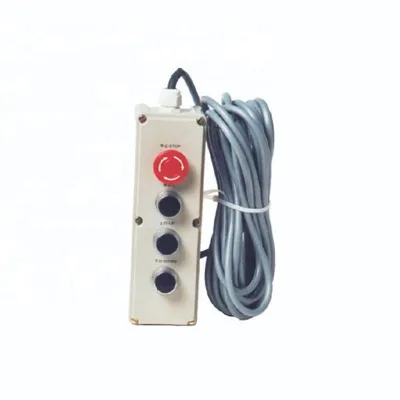
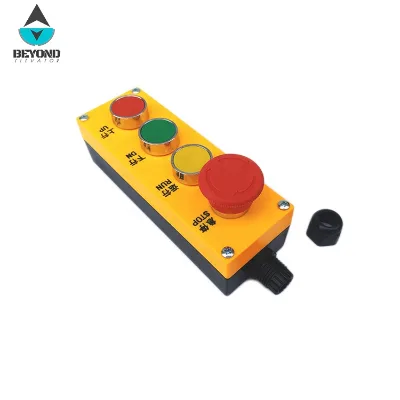
Procurement professionals must first distinguish between general elevator components and specialized inspection units designed for maintenance access. The available market data indicates a specific focus on control systems and safety mechanisms, with products explicitly labeled as inspection boxes or car top repair boxes. Buyers should verify that the listed item matches the intended operational context, such as public traffic elevators, rather than generic lift parts. The presence of microcomputer control and specific model numbers like AF1-A200ZC suggests these units are engineered for precise operational oversight during maintenance cycles.
When evaluating listings, it is critical to confirm the physical form factor and material composition against site requirements. Observed specifications highlight the use of plastic materials and modern design styles, which may influence durability in high-traffic environments. Buyers must ensure the product description explicitly mentions "Inspection Box" or "Car top repair box" to avoid confusion with standard control panels. The distinction between a communication system and a safety system is also vital, as the procurement goal dictates whether the unit serves primarily for data transmission or direct safety intervention during repairs.
Product Scope and Observed Listing Signals
The observed product range includes specific model identifiers such as AF1-A100S2 and SN-KKB4-18-00, which signal distinct functional capabilities within the inspection box category. These models often integrate with hydraulic or telescoping lift mechanisms, requiring buyers to match the box's interface to the specific drive mode of their existing elevator infrastructure. The presence of a "Have Button" attribute confirms the inclusion of manual control interfaces, essential for on-site troubleshooting and emergency operations. Procurement teams should prioritize listings that explicitly detail these model numbers to ensure compatibility with their current fleet.
Market signals also reveal a strong emphasis on customization availability, allowing buyers to tailor the inspection box to unique site constraints. The standard packaging often involves wooden cases or export-applicable trays, indicating that the units are designed for robust international shipping and protection during transit. Buyers should scrutinize the "Application" field, as some listings may categorize the product broadly under "other" while the actual utility is strictly for elevator repair. Verifying the "Suitable for: Elevator" attribute ensures the product is not a generic industrial box mislabeled for specialized lift maintenance.
Technical Specifications to Verify
Technical due diligence requires a rigorous check of the control type and drive mode compatibility to prevent system integration failures. The market data shows a mix of microcomputer control and microcomputer frequency control options, which must align with the elevator's existing power and logic architecture. Buyers must confirm whether the unit supports hydraulic, manual, or telescoping lift mechanisms, as a mismatch here can render the inspection box ineffective or dangerous. The specific mention of T Guide rails and lift chains further necessitates a detailed review of mechanical interfaces before finalizing any purchase order.
Dimensional and capacity specifications are equally critical for ensuring the inspection box fits within the physical constraints of the elevator car or shaft. While some listings provide standard dimensions like 2150720830mm, others may list size as "Na," requiring direct confirmation from the supplier. Load capacity ratings, such as the observed 1000kg limit, must be cross-referenced with the intended usage scenario to ensure the box can withstand operational stresses. Additionally, verifying the number of persons and speed ratings, such as 6-speed or 11-speed configurations, helps determine if the unit is suitable for the specific elevator's operational velocity and passenger load.
Compliance and Safety Documentation
Safety certification is a non-negotiable prerequisite for any elevator component, particularly those used in public traffic environments. The observed listings frequently cite CE certification, which serves as a baseline indicator of compliance with European safety directives. However, buyers must also verify adherence to specific industry standards like ISO7465, which governs the safety of elevator installations and maintenance equipment. Relying solely on a general "High" safety attribute without documented proof of standard compliance poses a significant liability risk for facility managers.
Documentation regarding the product's stability and safety features must be comprehensive to satisfy regulatory audits and insurance requirements. The "Top" stability rating observed in some listings suggests robust engineering, but this claim requires validation through third-party test reports or detailed engineering drawings. Buyers should request evidence that the inspection box meets the specific safety protocols for the region where the elevator operates. Ensuring that the product includes all necessary safety interlocks and emergency stop functions is essential for maintaining a compliant and secure maintenance environment.
Cost Drivers and Commercial Terms
Pricing structures for inspection boxes are influenced by the level of customization and the complexity of the control system integrated into the unit. The observed price range of 1 to 50 USD suggests a wide variance, likely driven by differences in material quality, electronic components, and the extent of the microcomputer control features. Buyers should be wary of extremely low-cost options that may compromise on the durability of the plastic housing or the reliability of the button mechanisms. Understanding the cost drivers helps in negotiating better terms and ensuring that the selected unit offers the best value for its specific technical capabilities.
Commercial terms such as Minimum Order Quantity (MOQ) and delivery lead times significantly impact the procurement timeline and budget planning. The market data indicates an MOQ of 1, offering flexibility for small-scale repairs or pilot projects, while supply abilities of 1000 pieces per month support larger fleet upgrades. Lead times are typically cited as 7-10 workdays, but buyers must confirm if this applies to standard models or if customization extends the delivery window. Clarifying the port of dispatch, often Shanghai, and the available shipment methods like express, air, or sea is crucial for calculating total landed costs and managing inventory levels.
Supplier Qualification and Quality Control
Supplier reliability is paramount when sourcing critical elevator components that require long-term operational stability. The observed listings mention "Branded new" status and offer after-sale services including online technical support and onsite installation, which are strong indicators of a committed supplier. Buyers should verify the supplier's ability to provide graphic design project solutions, as this capability often correlates with a higher level of engineering support and customization expertise. A supplier with a proven track record in providing onsite installation support can significantly reduce the risk of installation errors and system downtime.
Quality control processes must be transparent and aligned with international manufacturing standards to ensure product consistency. The use of wooden cases and export-applicable trays for packaging demonstrates a commitment to protecting the product during transit, but buyers should also inquire about internal quality assurance protocols. Verifying the warranty terms, such as the observed 2-year warranty, provides a safety net against manufacturing defects and ensures the supplier stands behind their product. Establishing a clear communication channel for technical support is essential for resolving any issues that may arise during the installation or operation of the inspection box.
Long-Term Procurement Checks
Sustaining a reliable supply chain for elevator inspection boxes requires ongoing monitoring of supplier performance and product consistency. Buyers should establish a schedule for periodic audits to ensure that the delivered units continue to meet the specified standards and safety certifications. The availability of spare parts and the longevity of the warranty period are key factors in determining the total cost of ownership over the life of the elevator system. Regularly reviewing the supplier's supply ability and lead times helps in anticipating potential disruptions and maintaining adequate inventory levels for emergency repairs.
Future-proofing the procurement strategy involves staying informed about technological advancements in elevator control systems and safety mechanisms. As the industry evolves, the integration of more advanced microcomputer frequency control and communication systems may become standard, necessitating upgrades to existing inspection boxes. Buyers should maintain a relationship with suppliers who can provide updates and retrofitting options to keep their elevator fleet compliant with new regulations. Continuous engagement with the supplier ensures that the procurement strategy remains adaptable to changing market conditions and technological requirements.
FAQs
What is the standard certification for indoor type elevator inspection boxes?
The standard certification for these units is CE. This ensures compliance with European safety directives for elevator components. Buyers should verify that the specific model, such as the AF1 series, carries this mark. It guarantees the product meets essential health and safety requirements for public traffic applications.
How long is the delivery time for these inspection boxes?
The typical delivery time is 7-10 workdays. This lead time applies to standard orders placed with verified suppliers. Expedited shipping options may be available depending on the logistics method chosen. Buyers should confirm exact dates with the manufacturer before finalizing the purchase order to avoid delays.
Can these inspection boxes be customized for specific elevator models?
Yes, customization is available for most indoor type elevator inspection boxes. Suppliers can adjust dimensions or control interfaces to match specific lift requirements. This is particularly useful for older elevator systems or unique architectural constraints. Buyers should provide detailed specifications to ensure the customized unit fits correctly.
What is the minimum order quantity for these elevator parts?
The minimum order quantity is typically 1 piece. This low MOQ allows buyers to purchase single units for repair or replacement purposes. It is ideal for maintenance teams needing immediate spare parts. Bulk orders may qualify for better pricing, but single-item purchases are fully supported by the supply chain.
Where are these elevator inspection boxes manufactured?
These units are manufactured in Jiangsu, China. This region is a known hub for elevator component production. Buyers can expect consistent quality and competitive pricing from factories in this area. The products are shipped via express, air, or sea from major ports like Shanghai.
What warranty is provided for the elevator inspection operation box?
A 2-year warranty is standard for these inspection boxes. This covers manufacturing defects and ensures long-term reliability. Buyers receive online technical support and onsite installation assistance if needed. The warranty period begins from the date of delivery, providing peace of mind for commercial projects.