Source Induction Pull Out Shower System with Waterfall Outlet for homes, hotels, and spas
Compare 30 Induction Pull Out Shower System with Waterfall Outlet options featuring ABS plastic and stainless steel materials. Buyers can evaluate high-pressure hand showers, overhead units, and thermostatic sets with various spray modes and finishes from Chinese manufacturers.
Key considerations
Products List


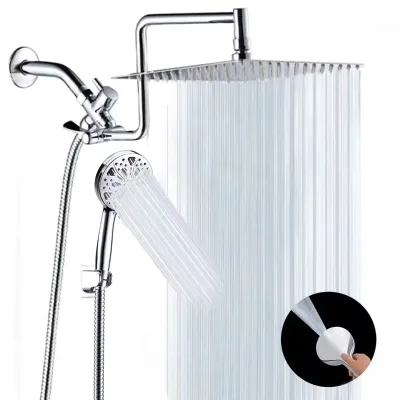
12 Inch Brass Rainfall Shower System Round Waterfall Rain Shower Head Set
$61.72 - $62.72
MOQ: 100 Pieces
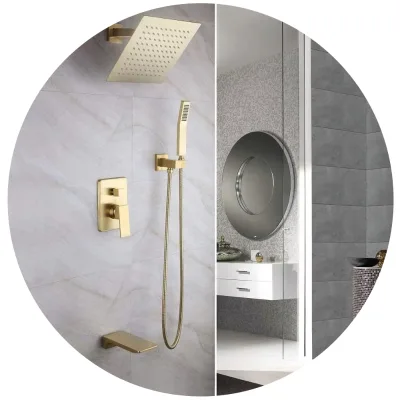

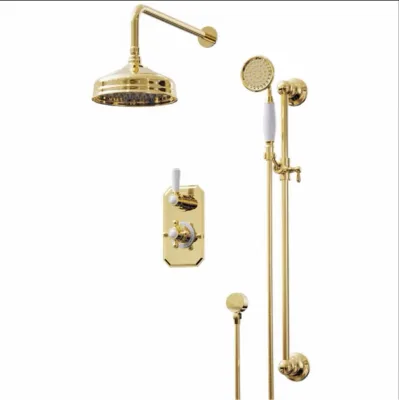
Shower Set Shower System Flush-Mounted Shower Fitting Brass Rain Showers
$83.92 - $112.34
MOQ: 50 Pieces


Comprehensive Sourcing Guide
Strategic Sourcing Guide for Induction Pull-Out Shower Systems with Waterfall Outlets
The global market for advanced bathroom fixtures has seen a significant shift toward systems that combine automation, ergonomic design, and water efficiency. For procurement professionals researching the "induction pull-out shower system with waterfall outlet," the primary challenge lies in distinguishing between marketing terminology and verifiable technical specifications. This guide provides a structured approach to sourcing these complex units, focusing on the intersection of sensor technology, spray dynamics, and material durability. Buyers must navigate a landscape where features like rainfall capabilities, high-pressure modes, and specific thread standards coexist with varying levels of automation. The following analysis breaks down the critical components of this product category, ensuring that procurement decisions are grounded in observable product attributes and industry standards rather than unverified claims.
Technical Architecture and Functional Specifications
Understanding the technical architecture of an induction pull-out shower system is the first step in defining procurement requirements. The core of this system relies on the integration of an induction sensor, which activates water flow without physical contact, and a pull-out hose mechanism that offers flexibility. The "waterfall outlet" designation typically refers to a wide, flat spray pattern designed to mimic natural rainfall, often distinct from traditional high-pressure jets. In the current market, these systems frequently incorporate multiple spray modes. For instance, observed product data indicates configurations offering three or six distinct spray modes, ranging from gentle rainfall to high-pressure massage.
The material composition is a critical determinant of longevity and performance. While some units utilize ABS plastic for the shower head to reduce weight and cost, others employ stainless steel or brass for the main body and faucet components. The surface treatment is equally vital; chrome plating is a standard finish observed in high-volume listings, often subjected to rigorous testing. Specific product models in the market demonstrate a "48-hour acid salt spray test" capability, a benchmark for corrosion resistance in humid environments. The thread standard is another non-negotiable specification; compatibility with existing plumbing often requires a 1/2" G or Npsm1/2"G thread. Buyers must verify that the induction mechanism is compatible with the water pressure requirements of the specific spray modes offered, as high-pressure systems may demand different flow rates than standard rainfall heads.
Compliance, Certification, and Safety Standards
When sourcing automated bathroom fixtures, compliance with international safety and quality standards is paramount. The presence of electronic components, such as induction sensors, introduces electrical safety considerations that must be addressed alongside plumbing standards. While specific certification statuses vary by manufacturer, the market frequently references CE Certification as a baseline for products entering European markets. This certification ensures that the electrical components meet essential health, safety, and environmental protection requirements.
Furthermore, the mechanical integrity of the system must be validated. The "Chrome Plating" standard mentioned in product contexts often serves as a proxy for adherence to broader surface finish standards, which dictate the durability of the aesthetic layer. For systems claiming to be "Thermostatic," the inclusion of a thermostatic cartridge with a secure stop at 38 degrees is a critical safety feature to prevent scalding. Buyers should verify if the induction system includes a fail-safe mechanism that defaults to a safe state in the event of power failure or sensor malfunction. Although specific test results like the 48-hour acid salt spray test are observed in certain product lines, buyers must request independent verification of these tests for any specific batch to ensure consistent quality. The absence of a specific certification in a listing does not necessarily indicate non-compliance, but it requires a deeper audit of the supplier's quality management system.
Cost Drivers and Pricing Dynamics
The pricing of induction pull-out shower systems is influenced by a complex matrix of factors, including material quality, technological integration, and packaging standards. The observed price range in the market spans from approximately $3.60 to $579.99, reflecting the vast disparity between basic components and fully integrated, high-end systems. The lower end of this spectrum typically covers individual components, such as the shower head or hose, often made from ABS plastic with neutral packaging. In contrast, the higher price points correspond to complete shower sets featuring brass bodies, thermostatic controls, and advanced induction sensors, often packaged in multi-layer standard cartons or brown carton boxes with inner protection.
Material costs are a primary driver; stainless steel and brass components are significantly more expensive than ABS plastic alternatives. The complexity of the induction technology also impacts cost, as sensors require precise calibration and durable electronics. Packaging plays a subtle but important role in the final landed cost; systems utilizing EPE foam and carton packaging or five-layer standard carton packing incur higher logistics costs but offer better protection against damage during transit. Additionally, the Minimum Order Quantity (MOQ) affects the unit price. While some suppliers offer samples for free with an MOQ of 500 pieces, others may have different thresholds. Buyers should note that the MOQ is often a fixed constraint, such as 500 pieces, which can influence the total investment required for a project. Understanding these cost drivers allows procurement teams to negotiate effectively and align their budget with the desired level of quality and functionality.
Typical Applications and Installation Contexts
The application of induction pull-out shower systems with waterfall outlets extends beyond standard residential use, though it remains a popular choice for modern home renovations. The "waterfall" feature is particularly suited for contemporary bathroom designs where aesthetics and a spa-like experience are prioritized. The pull-out hose adds a functional layer, making these systems ideal for households with children or elderly members who require the flexibility to rinse the shower area or bathe pets. The induction feature, offering a touchless experience, is increasingly valued in public restrooms, hotels, and high-end hospitality settings where hygiene is a primary concern.
Installation requirements vary based on the specific model and its origin. Products originating from regions like Guangdong or Xiamen in China may have specific mounting configurations that require adaptation to local plumbing standards. The "Single Handle" design is common, simplifying installation by reducing the number of connections required. However, the integration of thermostatic functions and induction sensors necessitates careful planning regarding power supply and water pressure regulation. For commercial applications, the durability of the system is paramount; features like the "Five Functions" or "Two Functions" modes must be robust enough to withstand high-frequency use. Buyers should assess the spatial constraints of the installation site, as the pull-out hose and the overhead rainfall head require adequate clearance to function effectively without obstruction.
Supplier Evaluation and Quality Assurance
Evaluating suppliers for these specialized systems requires a rigorous approach that goes beyond standard vendor assessments. The origin of the product, whether from China (Mainland) or specific provinces like Guangdong, provides context for the manufacturing capabilities but does not guarantee quality. Buyers should prioritize suppliers who can provide detailed documentation on their surface treatment processes, such as chrome plating or nickel finishes, and who can substantiate claims regarding corrosion resistance. The observation of "Neutral Packaging" or "Netural Packaging" suggests a willingness to accommodate private labeling, which is a positive indicator for distributors, but it also necessitates a closer inspection of the internal quality control processes.
Quality assurance should focus on the consistency of the induction sensor performance and the durability of the spray modes. Suppliers should be able to demonstrate that their products meet the "38 Degree Secure Stop" requirement for thermostatic models and that their chrome plating adheres to the "Chrome Plating" standard. The availability of samples is a critical tool for evaluation; many suppliers offer free samples, allowing buyers to test the induction sensitivity, water flow patterns, and build quality firsthand. When assessing a supplier, buyers should also consider the after-sales service commitment, with some providers offering service periods ranging from one to five years based on quality standards. This long-term support is essential for systems that involve complex electronics and mechanical parts.
Long-Term Procurement and Maintenance Considerations
Sourcing induction pull-out shower systems is not merely a transactional activity but a long-term investment in facility management. The longevity of these systems depends heavily on the maintenance of the induction sensors and the prevention of mineral buildup in the waterfall outlets. The "Air Inlet and Save Water" feature observed in some models indicates a design focus on efficiency, but it also implies a need for regular cleaning to maintain optimal performance. Buyers should factor in the availability of replacement parts, such as hoses, shower heads, and sensor modules, when selecting a supplier.
The lead time and supply chain reliability are also critical factors. While specific lead times are not universally standardized, the MOQ of 500 pieces suggests that buyers should plan for inventory management that accommodates bulk ordering. The "Service: 1-5years as Per Quality Standard" indicates that the warranty period can vary significantly, and buyers must clarify the terms of coverage for both mechanical and electronic components. Furthermore, the environmental impact of the product, particularly regarding water savings, should be considered in the context of sustainability goals. Systems that combine high-pressure modes with water-saving features offer a balance between performance and efficiency, making them suitable for projects with green building certifications. By focusing on these long-term considerations, procurement professionals can ensure that the installed systems remain functional, efficient, and cost-effective over their entire lifecycle.
FAQs
What customization options are available for Induction Pull Out Shower System with Waterfall Outlet?
Customization is available for these shower systems to meet specific buyer requirements. Buyers can request tailored features while adhering to standard specifications like ABS plastic materials and chrome surface treatments observed in current listings.
How does the rainfall feature function in these shower systems?
The rainfall feature provides a wide, flat spray pattern designed to mimic natural rainfall. This is often combined with high-pressure modes and multiple spray options, such as three or six distinct settings, to enhance user experience.
Which thread standards are compatible with Induction Pull Out Shower System with Waterfall Outlet?
Compatible thread standards typically include 1/2" G or Npsm1/2"G connections. Buyers must verify these specifications to ensure proper installation and compatibility with existing plumbing infrastructure in various global markets.
Can buyers obtain free samples before placing a bulk order?
Yes, free samples are available for evaluation before committing to a purchase. This allows buyers to test the induction sensor sensitivity and spray quality, though a minimum order quantity of 500 pieces is usually required for bulk production.
What surface treatments ensure durability for these shower systems?
Chrome plating is a standard surface treatment that ensures durability and aesthetic appeal. Some products undergo rigorous testing, such as a 48-hour acid salt spray test, to verify corrosion resistance in humid bathroom environments.
How are these shower systems packaged for safe shipping?
Packaging varies from neutral packaging to protective EPE foam and carton combinations. High-end units may use five-layer standard cartons or brown carton boxes with inner boxes to prevent damage during transit and ensure product integrity.
What certifications apply to Induction Pull Out Shower System with Waterfall Outlet?
CE Certification is a common standard referenced for products entering European markets. This ensures that electrical components and safety features meet essential health and environmental protection requirements for automated bathroom fixtures.