Source Inductive Proximity Sensors for Vehicles, ABS, and Corridors
Find 30 Inductive Proximity Sensors from Chinese manufacturers with options for DC or AC voltage and IP67 protection. Buyers can compare models like KJT-WJ30 and IPS-M08S02 for vehicle speed, ABS systems, and corridor applications; compare the available evidence and request quotations based on your requirements.
Key considerations
Products List


High Temperature Proximity Inductive Sensor with High Temperature 180º C
$20.00 - $25.00
MOQ: 5 Pieces


High Performance Inductive Proximity Sensor for Automation Applications
$100.00 - $110.00
MOQ: 1 Pieces


High Precision Inductive Proximity Sensor for Industrial Automation Equipment
$20.00 - $5000.00
MOQ: 1 Pieces
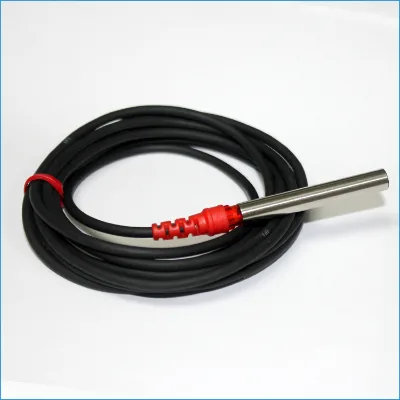


$50.00 - $55.00
MOQ: 20 Pieces

Comprehensive Sourcing Guide
Inductive Proximity Sensors Sourcing Guide
Inductive Proximity Sensors are non-contact electromechanical devices that detect the presence of metallic objects without physical interaction. These sensors operate by generating an electromagnetic field and monitoring changes in inductance when a conductive target enters the sensing range. This technology is widely used in industrial automation for position detection, counting, and safety interlocking. The core mechanism relies on the eddy currents induced in the target material, which dampen the sensor’s oscillation circuit. Buyers must understand that these sensors are primarily designed for ferrous and non-ferrous metals, including iron, steel, and copper, as indicated by specific product attributes.
Selecting the right sensor requires matching the sensing principle to the application environment. Common principles include inductive and infrared detection, with the latter often used for non-metallic targets or specific switching needs. The physical form factor, such as cylindrical diameters of 18mm or specialized models like KJT-WJ30, dictates installation constraints. Procurement teams should evaluate the working power requirements, which may range from DC6-36V to AC90-250V, ensuring compatibility with existing control systems. Additionally, the output type, whether switching sensor or other configurations, must align with the PLC or controller inputs to ensure seamless integration into the automated workflow.
Product Scope and Observed Listing Signals
The current market listing signals reveal a diverse range of Inductive Proximity Sensors with varying material compositions and protective ratings. Observed materials include nickel-plated brass, ABS/PC, PTFE, and general metal constructions, each offering distinct advantages in corrosion resistance and durability. Protection degrees frequently cited are IP67, indicating robust resistance to dust and temporary water immersion, which is critical for harsh industrial environments. Models such as NM-CYJ12S and IPS-M08S02 demonstrate the availability of specialized variants tailored for specific mounting or sensing distances, such as the 0-2mm proximity distance noted for certain units.
Packaging and origin data provide insight into supply chain logistics and quality expectations. Products originate from regions like Nanjing, Zhejiang, and Shanghai in China, with packing methods ranging from standard export cartons to bubble bags and individual bags. The presence of customization options suggests that suppliers can adapt dimensions or electrical characteristics to meet unique project requirements. Buyers should note that while some listings mention specific brands like Yuanben, the primary focus should remain on technical specifications and certification status rather than brand loyalty. The observed price range and MOQs indicate a flexible market suitable for both small-scale prototyping and large-volume production runs.
Technical Specifications to Verify
Verifying technical specifications is paramount to ensuring sensor reliability and performance in the intended application. Key parameters to confirm include the working temperature range, which typically spans from -20°C to +70°C, ensuring operation under varying environmental conditions. The backlash specification, often noted as less than 10% of the proximity distance, affects the precision of position detection and must be evaluated for high-accuracy applications. Additionally, the length of the output wire, such as the 1.5m option available for some models, should be assessed to determine if additional cabling or connectors are required for the installation layout.
Electrical characteristics and sensing principles must also be rigorously checked against the system requirements. For instance, some sensors operate on DC voltage with two-wire configurations, while others may support broader voltage ranges. The principle of operation, whether inductive or eddy current-based, determines the type of metal that can be reliably detected. Buyers should verify the diameter and length of the sensor body, such as 18mm by 52mm, to ensure physical compatibility with mounting brackets. Furthermore, the application context, such as vehicle speed sensors or corridor detection, should guide the selection of sensitivity levels and response times to avoid false triggers or missed detections.
Compliance and Safety Documentation
Compliance with international standards is essential for market access and operational safety. Many listed products carry CE certification, indicating conformity with health, safety, and environmental protection standards for products sold within the European Economic Area. Additional certifications such as ISO and RoHS are also observed, reflecting adherence to quality management systems and restrictions on hazardous substances. Buyers must request valid certification documents from suppliers to verify that the sensors meet the regulatory requirements of their target markets. These documents serve as proof that the manufacturing processes and materials used comply with established legal and safety frameworks.
Safety documentation should also include detailed technical datasheets that outline electrical ratings and environmental limits. The working power specifications, such as DC6-36V or AC90-250V, must be clearly documented to prevent electrical faults or damage to the sensor. Buyers should ensure that the product labels and packaging include all necessary safety warnings and installation instructions. In cases where customizations are involved, additional compliance checks may be required to ensure that modified specifications do not void existing certifications. Maintaining a complete audit trail of compliance documents is crucial for risk management and regulatory audits in industrial settings.
Cost Drivers and Commercial Terms
Cost drivers for Inductive Proximity Sensors include material composition, certification status, and customization requirements. Sensors made from nickel-plated brass or PTFE may command higher prices due to enhanced durability and corrosion resistance. Customization options, such as specific wire lengths or mounting dimensions, can also increase costs due to the additional manufacturing steps involved. Buyers should analyze the total cost of ownership, considering factors like lead times, packaging efficiency, and potential maintenance costs. The observed MOQ ranges from 1 to 100 units, offering flexibility for different order sizes, but bulk purchases may yield better unit pricing.
Commercial terms should be clearly defined to avoid disputes and ensure smooth transactions. Payment terms, shipping methods, and return policies must be negotiated based on the supplier’s capabilities and the buyer’s risk tolerance. The origin of the product, whether from Nanjing, Zhejiang, or Shanghai, may influence logistics costs and delivery times. Buyers should also consider the supplier’s ability to provide standard export cartons or specialized packaging to protect the sensors during transit. Clear communication regarding these terms helps in building a reliable supply chain and minimizes the risk of unexpected expenses or delays in the procurement process.
Supplier Qualification and Quality Control
Supplier qualification involves assessing the manufacturer’s production capabilities and quality management systems. Suppliers with ISO certification demonstrate a commitment to standardized processes and continuous improvement. Buyers should verify the production process, such as integration techniques, to ensure consistency in sensor performance. The origin of the product, particularly from established industrial hubs in China, can be an indicator of mature supply chains and skilled labor. However, buyers must conduct due diligence to confirm that the supplier maintains strict quality control measures throughout the manufacturing process.
Quality control checks should include incoming material inspections, in-process testing, and final product verification. Suppliers should provide evidence of testing procedures that validate the sensor’s sensitivity, proximity distance, and electrical characteristics. Buyers may request sample units for testing to ensure that the products meet their specific application requirements. Additionally, the packaging method, whether bubble bags or standard cartons, should be evaluated for its ability to protect the sensors from damage during handling and storage. Establishing a robust quality assurance framework with the supplier helps in maintaining product reliability and reducing the risk of field failures.
Long-Term Procurement Checks
Long-term procurement checks focus on supplier stability and product lifecycle management. Buyers should monitor the supplier’s ability to maintain consistent quality and supply over time. Regular audits of the supplier’s facilities and quality systems can help identify potential issues before they impact production. The availability of spare parts and technical support is also crucial for maintaining operational continuity. Buyers should establish clear communication channels with the supplier to address any technical queries or quality concerns promptly. This proactive approach helps in building a resilient supply chain that can adapt to changing market conditions.
Product lifecycle management involves tracking changes in specifications, certifications, or materials over time. Suppliers may update their products to comply with new regulations or improve performance, which requires buyers to re-evaluate their procurement strategies. Buyers should maintain a database of approved suppliers and products to facilitate future purchasing decisions. Regular reviews of supplier performance metrics, such as delivery times and defect rates, can help in identifying top-performing partners. By staying informed about industry trends and technological advancements, buyers can make strategic decisions that enhance the efficiency and reliability of their sensor procurement processes.
FAQs
What materials are used for Inductive Proximity Sensors?
Inductive Proximity Sensors are commonly constructed from nickel plated brass, ABS, PC, PTFE, or metal. These materials ensure durability and resistance to harsh environments while maintaining precise detection capabilities for various industrial applications.
Which certifications do these sensors typically hold?
Many Inductive Proximity Sensors hold CE, ISO, and RoHS certifications. These standards verify compliance with safety and environmental regulations, ensuring the products meet international quality requirements for use in diverse industrial settings and global markets.
Can these sensors operate in extreme temperatures?
Yes, these sensors function within a working temperature range of minus 20 to plus 70 degrees Celsius. This wide operational range allows reliable performance in various industrial environments without requiring additional cooling or heating systems for stability.
What is the protection degree of these devices?
The protection degree for these sensors is IP67, ensuring they are dust-tight and protected against temporary immersion in water. This high level of ingress protection makes them suitable for use in wet or dusty industrial conditions.
How is the output wire length determined?
The output wire length is selectable, often available at 1.5 meters for Level 1 configurations. Buyers can choose the specific length required for their installation needs, providing flexibility in wiring and sensor placement within machinery.
Which applications utilize these inductive sensors?
These sensors are used for position sensing, vehicle speed detection, and ABS systems. They also serve in corridor applications and general industrial automation where detecting magnetic metal objects like iron, steel, or copper is essential for process control.