Source Induction Seal Liner for Food, Pharma, and Agriculture
Compare 30 verified Induction Seal Liner options from Chinese manufacturers. Buyers can review specifications like thickness, material composition, and sealing methods for food, pharmaceutical, and agricultural applications.
Key considerations
Products List
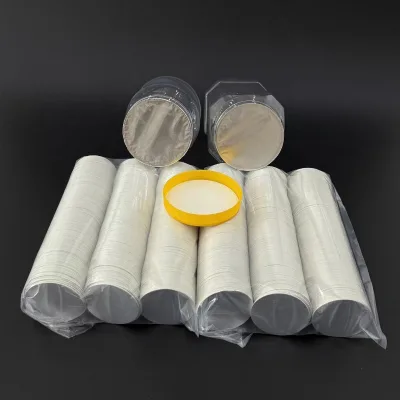


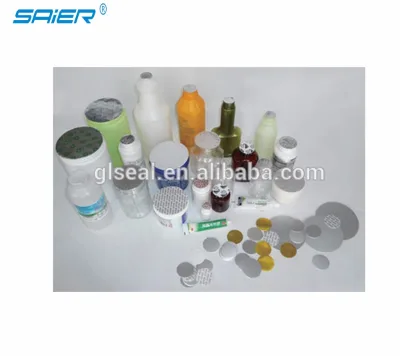


Lubricant Bottle Aluminum Foil Heat Induction Sealing Liner with Pull Tab
$0.01 - $0.32
MOQ: 1000 Pieces
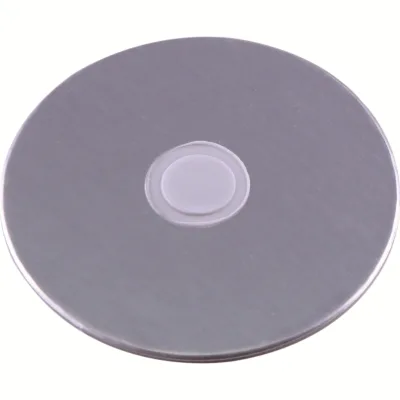


IP68 Waterproof High Airflow Seal Gasket PE Foam Liner Induction Seal Vent Liner
$0.03 - $0.04
MOQ: 1000 Pieces


Good Sealing Aluminum Foil Induction Seal Liner for Plastic /Glass Bottle
$0.10 - $1.72
MOQ: 100000 pcs

Custom Logo Printed Induction Seal Liner for Sealing Chemical Containers Plastic Bottles
$0.66 - $1.30
MOQ: 100000 pcs
Comprehensive Sourcing Guide
Strategic Sourcing Guide for Induction Seal Liners
Understanding Technical Specifications and Material Composition
When sourcing induction seal liners, buyers must first establish a clear understanding of the material composition and physical specifications that define product performance. The core functionality of an Induction Seal Liner relies on a multi-layered structure designed to create an airtight and tamper-evident barrier when applied to a container closure. Based on available industry data, the typical structure for high-performance liners often follows a PE/Al/Paper configuration. This composite material system integrates a polyethylene (PE) layer for sealing, an aluminum foil (AL) layer for barrier protection, and a paper backing for structural rigidity.
The thickness of the liner is a critical variable that directly impacts the sealing process and the final product's integrity. Observed specifications indicate that liner thickness can range from 0.2mm to 3.0mm, with specific high-rigidity applications often citing a range of 0.5mm to 1.0mm. Buyers should verify the exact thickness required for their specific application, as the "Hardness" of the liner is often described as rigid, while other variations may possess a "Half Hard" temper. The transparency of the liner is another key attribute; most standard induction liners are opaque, which is essential for blocking light and preventing product degradation in light-sensitive industries like pharmaceuticals and food.
The internal diameter of the liner must match the bottle neck precisely. Market data suggests a wide range of cap inside diameters, typically spanning from 20mm to 200mm. This variability means that a single supplier may not stock every size, necessitating a custom order approach for non-standard bottle geometries. The sealing mechanism itself relies on the "Heat Seal" property, often utilizing LDPE (Low-Density Polyethylene) as the functional sealing layer. This layer melts under the heat generated by the induction coil to bond with the bottle rim. Additionally, the peelable strength is a crucial metric for end-user experience; specifications often indicate a peelable strength of less than 8 Newtons, ensuring the consumer can open the package without excessive force while maintaining the seal during transport.
Compliance, Certification, and Industrial Application Scope
The industrial application of induction seal liners extends across several critical sectors, each with distinct regulatory and safety requirements. The primary industries identified for these products include Food, Pharmaceutical, Agriculture, and Apparel. For food and pharmaceutical applications, the liner material must be inert and safe for direct or indirect contact with consumables. The "Industrial Use" classification often explicitly lists "Food" and "Pharmaceutical," signaling that the material composition must meet relevant safety standards for these sensitive environments.
Buyers must verify that the supplier adheres to strict hygiene and safety protocols, particularly when the liner is used for food packaging. While specific certification names should not be assumed without verification, the presence of a "Factory" designation implies that the supplier has manufacturing capabilities that can be audited. The "Composite Material" nature of the liner, specifically the inclusion of aluminum foil, provides a robust barrier against moisture, oxygen, and light, which is vital for extending the shelf life of perishable goods.
In the pharmaceutical sector, the tamper-evident nature of the seal is paramount. The "Non Spill" feature is a standard expectation, ensuring that the seal remains intact even under vibration or pressure changes during logistics. The "Bag Sealing Methods" and "Packaging" of the liners themselves also require attention; liners are often supplied in rolls or pre-cut formats, packaged in bags or paper cartons. The "Selling Units" are frequently structured in multiples of 10,000, reflecting the high-volume nature of industrial procurement. Buyers should confirm that the packaging of the liners protects them from contamination and damage during storage and transit, ensuring the integrity of the "Smooth" or "Matte" surface finish is maintained until the moment of application.
Cost Drivers and Pricing Dynamics
The pricing of induction seal liners is influenced by a complex interplay of material costs, customization requirements, and order volume. The raw material costs, particularly for aluminum foil and specialized polymers like LDPE, are subject to global market fluctuations. These fluctuations can significantly impact the final unit price, which in the observed market ranges from 0 to 130 USD, though this range likely reflects a mix of sample costs, bulk pricing tiers, and different product configurations rather than a single uniform price point.
Customization is a major cost driver. The "Custom Order" and "Customization" attributes indicate that buyers can request specific sizes, thicknesses, and printing options. The "Logo printing" capability, often limited to single-color printing in standard configurations, adds a layer of customization that can increase costs. Furthermore, the "Standard" of the product, which can be "Customized size" or a fixed specification like 0.23mm, plays a role in pricing. Non-standard dimensions or specialized material blends will generally command a higher price than off-the-shelf standard sizes.
Minimum Order Quantity (MOQ) is another critical factor in cost management. The observed MOQ range is vast, spanning from 1 to 100,000 units. A standard MOQ of 10,000 pieces is frequently cited, which aligns with the "Selling Units" being a multiple of 10,000. For buyers with lower volume needs, the unit cost may be higher due to the setup costs associated with smaller production runs. Conversely, larger orders benefit from economies of scale. Buyers should also consider the "Lead Time" and "Place of Origin" when calculating total landed costs. Products originating from regions like Guangdong, China, or Hangzhou may have different logistics costs compared to local suppliers, and the "Factory" status of the supplier can influence the ability to negotiate better terms for larger volumes.
Typical Applications and Performance Requirements
Induction seal liners are designed to meet the rigorous demands of various packaging scenarios. The primary application is the "Bottle Seal," ensuring that the contents of the bottle remain secure and uncontaminated. The liners are compatible with a wide range of bottle materials, including PE, PP, PET, PS, and Glass. This versatility makes them suitable for diverse product types, from beverages and sauces to pharmaceuticals and industrial chemicals.
The "Feature" set of these liners includes "Impact-Resistant," "Heat-Resistant," and "Cold-Resistant" properties. These characteristics ensure that the seal remains effective under extreme temperature conditions, which is essential for products that may be stored in cold chains or subjected to heat during processing. The "Non Spill" feature is particularly important for liquid products, preventing leakage during shipping and handling. The "Peelable Strength" of less than 8 Newtons is a specific performance metric that balances security with user convenience, allowing for easy opening while preventing accidental seal failure.
In the "Food" and "Pharmaceutical" sectors, the liner must also provide a hermetic seal to prevent oxidation and moisture ingress. The "Functional Layer" of aluminum foil is critical here, acting as a barrier against light and gases. The "Layered" structure, specifically the "Heat Seal" layer, ensures that the liner bonds securely to the bottle neck. The "Type" of liner, whether it is a "Seal liner" or a "Liner & Wad," determines its specific role in the closure system. For example, a "Flip Top Cap" application may require a liner with specific flexibility to accommodate the cap's movement while maintaining the seal.
Supplier Evaluation and Sourcing Strategy
Evaluating suppliers for induction seal liners requires a thorough assessment of their manufacturing capabilities and quality assurance processes. The "Place of Origin" is a key indicator, with major production hubs located in Guangdong, Guangxi, and Hangzhou in China. Buyers should verify the "Factory" status of the supplier to ensure they are dealing with a direct manufacturer rather than a trading company, which can affect pricing and communication efficiency.
The "Brand Name" and "Logo printing" capabilities are also important for buyers seeking private label solutions. While specific brand names like "Gongjin" may appear in product listings, buyers should not rely on a single brand but rather evaluate the supplier's ability to produce custom-branded liners. The "Custom Order" acceptance is a strong indicator of a supplier's flexibility and willingness to meet specific client needs.
When evaluating suppliers, buyers should request samples to test the "Peelable Strength," "Heat Seal" performance, and "Transparency." The "Surface" finish, described as "Smooth" or "Matte," should be consistent across the batch. The "Structure" of the liner, such as PE/Al/Paper, must be verified to ensure it matches the technical requirements of the application. Additionally, the "Packaging" method, whether "Roll and Pre-Cut" or "Paper Carton," should be suitable for the buyer's production line and storage facilities.
Quality Control and Long-Term Procurement Considerations
Quality control is paramount in the procurement of induction seal liners. Buyers should implement a rigorous inspection process that includes checking the "Thickness" (0.2-3.0mm), "Hardness" (Rigid), and "Layered" structure. The "Standard" of the product, whether "Customized" or a specific measurement like 0.23mm, must be strictly adhered to. Any deviation in these specifications can lead to sealing failures and product recalls.
Long-term procurement considerations involve establishing a reliable supply chain that can meet fluctuating demand. The "Selling Units" being a multiple of 10,000 suggests that buyers should plan their inventory to align with these batch sizes to optimize costs. The "MOQ" of 10,000 pieces is a common threshold, and buyers should negotiate terms that allow for flexibility if their production schedules change.
The "Industrial Use" classification, covering Food, Agriculture, and Pharmaceutical, requires that the supplier maintains consistent quality over time. Buyers should request documentation on the "Material" composition and "Process" to ensure that the liners remain compliant with evolving regulatory standards. The "Bag Sealing Methods" and "Packing" should be designed to prevent contamination and damage during storage. Finally, the "Location" of the supplier, whether in Guangdong, Guangxi, or Hangzhou, should be considered in the context of logistics and supply chain resilience. By focusing on these technical and operational factors, buyers can secure a reliable supply of high-quality induction seal liners that meet their specific application needs.
FAQs
What materials are used for induction seal liners?
These liners typically use a composite structure of PE, aluminum foil, and paper. The aluminum layer provides a barrier against light and moisture, while the PE layer ensures a secure heat seal on the bottle neck.
How thick are the standard induction seal liners?
The thickness generally ranges from 0.2mm to 3.0mm, with specific rigid applications often falling between 0.5mm and 1.0mm. Buyers must verify the exact thickness required for their specific sealing process and bottle type.
Can I order custom sizes for my bottles?
Yes, custom orders are accepted for specific cap inside diameters ranging from 20mm to 200mm. Suppliers can adjust the standard size to match your unique bottle geometry, though this may affect the minimum order quantity.
What is the typical minimum order quantity for these liners?
The standard minimum order quantity is often 10,000 pieces, sold in multiples of 10,000. However, some suppliers may accept orders as low as 1 unit for samples, while bulk orders can reach up to 100,000 units.
Which industries use these seal liners for packaging?
These liners are primarily used in the food, pharmaceutical, agriculture, and apparel sectors. They provide a non-spill, tamper-evident seal that protects contents from oxidation and moisture during storage and transport.
How strong is the peelable strength of the seal?
The peelable strength is typically less than 8 Newtons to ensure easy consumer opening. This metric balances security during shipping with user convenience, preventing accidental seal failure while allowing the cap to be removed smoothly.
Where are these induction seal liners manufactured?
Production facilities are located in regions such as Guangdong, Guangxi, and Hangzhou in China. Buyers can verify the factory status to ensure direct manufacturing capabilities and potentially negotiate better terms for larger volume orders.