Source Industrial Cocamidopropyl Betaine for Degreasing Polishing Protection
Find 30 verified listings for Industrial Cocamidopropyl Betaine with varying solid contents and packaging options. Buyers can compare specifications for degreasing, polishing, and protection applications across multiple suppliers in China.
Key considerations
Products List


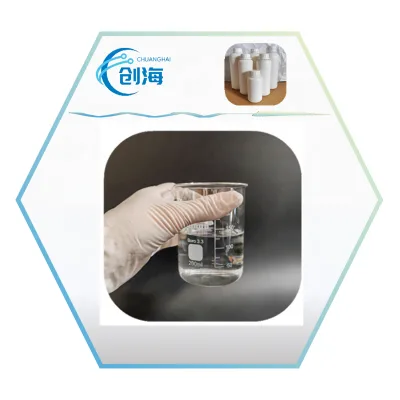


Wholesale Price Cocamidopropyl Betaine/Capb 35% CAS 61789-40-0/Coco Betaine/Cab
$550.00 - $1000.00
MOQ: 1 Tons


Cocamidopropyl Betaine Capb 35 Cab Factory Price Coco Betaine CAS 61789-40-0
$600.00 - $800.00
MOQ: 5 Tons


Comprehensive Sourcing Guide
Strategic Sourcing Guide for Industrial Cocamidopropyl Betaine
Understanding the Product Profile and Technical Specifications
Cocamidopropyl betaine (CAB) is a widely utilized amphoteric surfactant in the industrial and chemical sectors, valued for its mildness and compatibility with other surfactant systems. When sourcing this material, buyers must first establish a clear understanding of the specific technical attributes that define the product's performance. The supplied data indicates that the product is available in various solid content concentrations, specifically noted as 30%, 35%, and 45%. This variation in solid content is a primary differentiator, directly influencing the viscosity, handling characteristics, and formulation efficiency for the end-user.
The physical appearance of the product is a critical observation point. While some listings describe the material as a "Clear Colourless Solution," others note a "White" or "Yellow" coloration. In the context of industrial procurement, color consistency is often tied to the purity of the starting materials and the specific manufacturing batch. The molecular formula is identified as C19H38N2O3, with a molecular weight of 342.52. These chemical constants are essential for verifying the identity of the substance during quality control checks. The density of the liquid typically falls within the range of 1.045 to 1.070 g/cm³, though specific batches may vary slightly, such as the 1.045-1.055 g/cm³ range observed in certain industrial grades.
Solubility is another fundamental property to consider. The product is noted to be soluble in water, though some descriptions specify "sparingly" soluble, which may refer to specific temperature conditions or concentration thresholds. The pH value is a vital parameter for applications requiring neutral surface disposal or specific formulation balances, with observed ranges between 5.0 and 7.0. This neutral to slightly acidic profile makes it suitable for a broad spectrum of applications, from personal care to industrial cleaning. The boiling point is recorded at 104.3°C at standard atmospheric pressure (101,325 Pa), a figure that informs storage and processing safety protocols.
Compliance, Certification, and Regulatory Verification
Navigating the regulatory landscape for industrial surfactants requires rigorous verification of compliance standards. While the general market often references ISO 9001 for quality management, the specific product data provided does not confirm this certification status for every listing. Therefore, buyers must treat such certifications as claims to be verified rather than inherent guarantees. The primary chemical identifiers provided include the CAS number 61789-40-0 and the EINECS number 263-058-8. These numbers are non-negotiable identifiers that must match the documentation provided by the supplier to ensure the correct substance is being purchased.
Environmental protection claims in the provided data present a dichotomy, with some entries stating "No" and others "Yes." This inconsistency highlights the necessity for buyers to explicitly request Environmental Product Declarations (EPDs) or specific regulatory compliance documents relevant to their target market, such as REACH in Europe or TSCA in the United States. The product is classified under the standard "CAB," and the grade is consistently listed as "Industrial Grade." However, the term "Industrial Grade" is a broad category; buyers should clarify whether the material meets specific purity thresholds, such as the 99% purity or 35% purity levels mentioned in different contexts.
The origin of the product is predominantly China, with specific mentions of Hebei as a place of origin. Sourcing from this region requires a heightened focus on verifying the supplier's adherence to international safety and environmental standards. Buyers should not assume that products labeled with "Industrial Grade" automatically meet the stringent requirements of high-end pharmaceutical or food-grade applications without explicit documentation. The absence of specific certification names in the data means that the procurement process must include a step to validate the supplier's ability to provide third-party test reports confirming the absence of harmful impurities and compliance with local and international regulations.
Cost Drivers and Pricing Dynamics
The pricing structure for Industrial Cocamidopropyl Betaine is influenced by several dynamic factors, primarily the solid content concentration and the packaging format. The observed price range in the market spans from $0.6 to $1000 USD, a wide variance that reflects differences in product grade, quantity, and packaging. The solid content is a significant cost driver; products with higher solid content, such as the 45% variant, generally command a higher price per unit compared to the 30% or 35% variants due to the reduced water content and higher active ingredient concentration.
Packaging plays a crucial role in the final cost. The data indicates standard packaging options include 200kg drums and 1000kg IBC drums. The choice between these formats affects logistics costs and handling efficiency. Smaller packaging, such as the single item selling units with a gross weight of 25.000 kg, may incur higher per-unit costs due to increased packaging material and handling labor. Conversely, bulk purchases in IBC drums typically offer economies of scale but require significant storage capacity and handling equipment.
The Minimum Order Quantity (MOQ) is another critical factor affecting the total cost of acquisition. The observed MOQ range is extensive, spanning from 1 unit to 10,000 units. Buyers seeking to minimize initial capital expenditure may find suppliers with lower MOQs, though this often comes at a premium price per kilogram. For large-scale industrial operations, negotiating a lower price per unit by committing to higher volumes within the 10,000-unit range is a standard strategy. Additionally, the "Fob" (Free on Board) term mentioned in the packing specifications indicates that the buyer is responsible for freight and insurance costs from the port of origin, which can significantly impact the landed cost depending on the destination.
Typical Applications and Usage Scenarios
The versatility of cocamidopropyl betaine is evident in its diverse application profile. The product is explicitly listed for use in degreasing, polishing, and protection, making it a valuable component in industrial cleaning formulations. Its amphoteric nature allows it to function effectively in both acidic and alkaline environments, though the observed pH range suggests optimal performance in neutral conditions. The usage for "Descaling" further underscores its utility in maintenance and cleaning applications where mineral deposits need to be removed without damaging the underlying surface.
In the consumer goods sector, the product is identified as a key ingredient in daily chemical materials. Its mildness and foam-boosting properties make it ideal for personal care products, including shampoos, body washes, and facial cleansers. The "Unscented" attribute of the product is particularly relevant for manufacturers who prefer to add their own fragrance profiles or who are formulating products for sensitive skin. The "Adult" age group designation suggests that the product is formulated for general adult use, distinguishing it from specialized pediatric or infant formulations which may have stricter purity requirements.
The specific model numbers, such as CAB30/35/45 and the CAS-based model 86438-79-1, indicate that different formulations are tailored for specific industrial needs. For instance, the 35% solid content variant is frequently associated with the name "Cab 35%" and is likely optimized for general-purpose cleaning and foaming applications. The "Soap" model designation suggests a potential application in soap manufacturing or as a co-surfactant in soap-based systems. Understanding these specific use cases allows buyers to select the exact variant that aligns with their formulation requirements, ensuring optimal performance in the final product.
Supplier Evaluation and Quality Control Protocols
Evaluating suppliers for Industrial Cocamidopropyl Betaine requires a systematic approach to verifying quality and reliability. The presence of customization options ("Customization: Available") is a significant advantage, allowing buyers to tailor the product to specific needs, such as adjusting the solid content or packaging specifications. However, the availability of customization must be balanced against the supplier's ability to maintain consistent quality across batches.
Quality control should begin with the verification of the product's physical and chemical properties against the provided specifications. Buyers should request batch-specific test reports that confirm the density, pH, solid content, and molecular weight. The discrepancy in color descriptions (White vs. Yellow vs. Clear Colourless) necessitates a clear definition of acceptable color ranges in the purchase agreement. Storage conditions are also critical; the recommendation to store in a "Cool Dry Place" must be adhered to by the supplier to prevent degradation or changes in viscosity.
The supplier's location, primarily in Hebei, China, requires a thorough due diligence process. Buyers should verify the supplier's production capacity, lead times, and logistical capabilities. The "Sample: Avaliable" attribute is a crucial step in the evaluation process, allowing buyers to test the product in their own formulations before committing to a large order. It is essential to establish a clear communication channel for resolving any discrepancies between the sample quality and the bulk shipment. Furthermore, the supplier's ability to provide documentation for the CAS and EINECS numbers is a non-negotiable requirement for regulatory compliance.
Long-Term Procurement Considerations and Risk Management
Sourcing Industrial Cocamidopropyl Betaine is not merely a transactional activity but a strategic relationship that requires long-term planning. The variability in environmental protection claims and the broad range of observed prices suggest that the market is dynamic and subject to fluctuations in raw material costs and regulatory changes. Buyers should develop a risk management strategy that includes diversifying their supplier base to mitigate the risk of supply chain disruptions.
Long-term contracts should be structured to include clauses for price adjustment based on raw material market indices, ensuring that both parties share the risk of cost volatility. The flexibility offered by the "Customization" attribute should be leveraged to create a supply chain that is resilient to changes in demand or formulation requirements. Additionally, buyers should monitor the regulatory landscape in their target markets, as changes in environmental or safety regulations could impact the availability or compliance status of the product.
The storage and handling requirements, such as the need for a cool, dry environment, should be integrated into the buyer's logistics planning. Ensuring that the supply chain partners are equipped to maintain these conditions is essential for preserving product quality. Finally, the buyer should establish a robust feedback loop with the supplier to continuously monitor product performance and address any quality issues promptly. By focusing on these long-term considerations, buyers can secure a reliable supply of high-quality cocamidopropyl betaine that supports their operational goals and market competitiveness.
Comparative Analysis of Product Variants
To assist in the selection process, the following table summarizes the key differences between the observed product variants based on the provided data. This comparison highlights the critical attributes that influence procurement decisions.
| Attribute | Variant A (CAB30/35/45) | Variant B (CAB Standard) | Variant C (Specific CAS) |
|---|---|---|---|
| Solid Content | 30%, 35%, or 45% | 35% ± 2% | Not specified (Focus on Purity) |
| Color | White | Yellow or Clear Colourless | Clear Colourless |
| Density | Not specified | 1.045-1.070 g/cm³ | 1.045-1.055 g/cm³ |
| pH Value | Not specified | 5.0-7.0 | Not specified |
| Primary Usage | Degreasing, Polishing, Protection | Descaling, Daily Chemical | Daily Chemical Materials |
| Packaging | 200kg/1000kg | 200kg/Drum; 1000kg/IBC | 200kg/Drum |
| Grade | Industrial Grade | Industrial Grade | Industrial Grade |
| CAS Number | Not specified | Not specified | 61789-40-0 |
This table illustrates that while all variants are industrial grade, the specific application requirements will dictate the choice of variant. Buyers must align their selection with the specific physical and chemical properties required for their end-use applications, ensuring that the chosen product meets the necessary performance criteria.
FAQs
What solid content options are available for Industrial Cocamidopropyl Betaine?
The product is available in 30, 35, and 45 percent solid content options. These variations directly influence viscosity and formulation efficiency for industrial applications.
Can buyers customize the packaging specifications for this surfactant?
Customization is available for packaging requirements. Buyers can request specific formats like 200kg drums or 1000kg IBC drums depending on their logistical needs.
Which chemical identifiers confirm the identity of Industrial Cocamidopropyl Betaine?
The product is identified by CAS number 61789-40-0 and EINECS number 263-058-8. These non-negotiable identifiers must match documentation to ensure substance correctness.
How does the pH value affect the usage of this neutral agent?
The pH value ranges between 5.0 and 7.0, making it suitable for neutral surface disposal. This profile supports effective performance in both acidic and alkaline environments.
What is the typical density range for this liquid surfactant product?
The density typically falls between 1.045 and 1.070 grams per cubic centimeter. Specific batches may vary slightly, such as the 1.045 to 1.055 range observed in some grades.
Where are the primary manufacturing locations for this chemical product?
The product originates from China, with specific mentions of Hebei as a place of origin. Buyers should verify supplier adherence to international safety standards in this region.
What are the standard storage conditions required for this surfactant?
The product must be stored in a cool, dry place to prevent degradation. Adhering to these conditions maintains the viscosity and chemical stability of the liquid.