Source Industrial Circular Plunge Saw for Lumber, Furniture, and Construction
Find and compare 30 Industrial Circular Plunge Saw options from verified Chinese manufacturers. Evaluate specifications such as blade diameter, motor power, and cutting precision to select the right equipment for your woodworking or construction projects.
Key considerations
Products List


Easy to Operate Industrial Vertical Multi Circular Cutting Saw Machine
$9900.00 - $22500.00
MOQ: 1 set

High Efficiency Industrial Vertical Multi Circular Cutting Saw Machine
$9900.00 - $22500.00
MOQ: 1 set

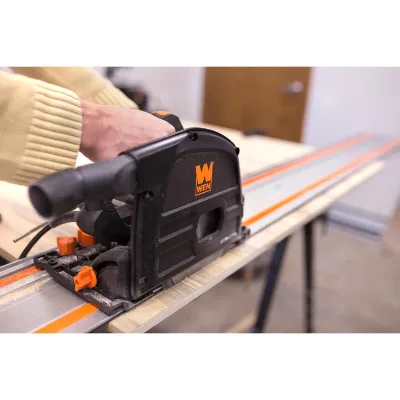
Electric Circular Saw 165mm Blade Diameter Plunge Track Saw for Precision Wood Cutting
$50.00 - $62.00
MOQ: 500 pieces
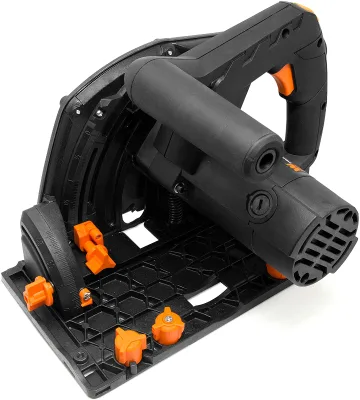


Industrial Machine Tool Metal Circular Saw Machine for Steel Pipe Cutting
$9500.00 - $9700.00
MOQ: 1 Sets


Industrial Panel Saw Professional Carpentry Tool Circular Sawmachine
$1000.00 - $1150.00
MOQ: 1 Pieces


Fixtec Plunge Cut 120V 1200W 165mm Track Circular Saw with Guide Rail Electric Track Saw
$72.50 - $77.50
MOQ: 2 Pieces


Comprehensive Sourcing Guide
Industrial Circular Plunge Saw Sourcing Guide
Sourcing industrial circular plunge saws requires a nuanced understanding of the distinction between high-precision handheld tools and heavy-duty stationary machinery. The market presents a wide spectrum of equipment, ranging from portable units designed for on-site construction and DIY applications to massive, automated vertical saws intended for continuous industrial processing. Buyers must first define their operational context, as the procurement strategy for a lightweight, corded circular saw differs significantly from that of a large-scale, electrically powered vertical rip saw. Understanding these categories ensures that the sourcing team evaluates the correct set of technical and commercial parameters, avoiding the common pitfall of mismatching tool capabilities with production volume requirements.
The observed market data indicates a diverse product landscape with significant variations in weight, power, and automation levels. Listings reveal products ranging from lightweight, 6kg handheld units to heavy industrial machines weighing up to 3000kg. This disparity highlights the importance of aligning procurement goals with specific use cases, whether that involves precise, angled cuts in a workshop setting or high-volume processing of round wood in a manufacturing facility. By recognizing these distinct segments, buyers can structure their requests for quotation (RFQs) to target suppliers who specialize in the relevant tier of machinery, thereby improving the relevance of technical proposals and reducing the risk of receiving unsuitable equipment.
Product Scope and Observed Listing Signals
The current market signals reveal a broad range of specifications that buyers must navigate carefully. Observed price points span from approximately $0.50 to $22,500, reflecting the vast difference between basic handheld tools and complex automated systems. Minimum order quantities (MOQs) vary from single units to 500 pieces, indicating that suppliers cater to both individual procurement needs and large-scale industrial deployments. These signals suggest that buyers should not assume uniformity across listings; instead, they must scrutinize each product’s specific attributes, such as voltage requirements, motor type, and cutting capacity, to ensure alignment with their operational infrastructure.
Key product attributes observed include automatic feeding types, high precision ratings, and various saw blade diameters ranging from 305mm to 800mm. Some listings highlight vertical layouts and electric power types, suitable for heavy-duty applications, while others focus on portable, corded circular saws with specific cutting angles and depths. The presence of customization options, including OEM and ODM support, suggests that many suppliers are willing to tailor products to specific brand or functional requirements. Buyers should leverage these signals to identify suppliers who offer the flexibility needed for specialized industrial applications, while also being prepared to verify that customizations do not compromise core performance metrics or safety standards.
Technical Specifications to Verify
Verifying technical specifications is critical to ensuring that the selected saw meets the precise demands of the intended application. Buyers must confirm the saw blade diameter, cutting length, and maximum cutting depth, as these parameters directly impact the size and type of materials that can be processed. For instance, observed specifications include blade diameters of 305mm, 480mm, 650mm, and 800mm, with cutting lengths ranging from 800mm to 6000mm. Additionally, the feeding wood diameter, observed between 200mm and 500mm, is a crucial factor for buyers processing round wood. Ensuring that these dimensions align with the raw material inventory is essential to avoid operational bottlenecks or equipment damage.
Power and speed specifications also require careful verification, as they influence cutting efficiency and tool longevity. Observed data includes motor types such as brushed motors, with no-load speeds ranging from 3800r/min to 6000rpm. Voltage requirements vary, with some units operating on 230-240V and others on 120V, which necessitates checking compatibility with the facility’s electrical infrastructure. Furthermore, the weight of the equipment, ranging from 6kg for portable units to 3000kg for industrial machines, affects installation requirements and mobility. Buyers should request detailed technical datasheets to confirm these specifications, ensuring that the selected saw can handle the required workload without excessive wear or performance degradation.
Compliance and Safety Documentation
Compliance with international safety and quality standards is non-negotiable when sourcing industrial circular saws. Buyers must verify that the equipment carries relevant certifications, such as CE and ISO marks, which indicate adherence to European and international quality management standards. These certifications are not merely formalities; they serve as indicators that the manufacturer has undergone rigorous testing and quality control processes. Buyers should request copies of these certificates and verify their validity with the issuing bodies to ensure that the equipment meets the legal and safety requirements of the destination market.
In addition to certifications, buyers should assess the safety features integrated into the saw’s design. This includes checking for emergency stop mechanisms, blade guards, and dust extraction systems, which are critical for protecting operators and maintaining a clean working environment. The warranty terms, observed to be one year for some units, provide an additional layer of protection, but buyers should also inquire about the availability of spare parts and technical support. Understanding the supplier’s commitment to after-sales service is essential for minimizing downtime and ensuring the long-term reliability of the equipment.
Cost Drivers and Commercial Terms
Understanding the cost drivers associated with industrial circular saws helps buyers negotiate better commercial terms and budget effectively. Factors such as the material grade, automation level, and customization requirements significantly influence the final price. For example, automatic grade saws with high precision and large cutting capacities tend to be more expensive than manual or semi-automatic units. Buyers should also consider the packaging and shipping costs, as observed packing methods include container shipping, which may impact logistics planning and total landed cost.
Commercial terms, including payment methods, delivery schedules, and warranty conditions, play a crucial role in the procurement process. Buyers should clarify the MOQs and lead times with suppliers to ensure that the delivery schedule aligns with production needs. Additionally, understanding the customization support offered, such as OEM and ODM services, can help buyers tailor the equipment to their specific brand or functional requirements. By negotiating clear and comprehensive commercial terms, buyers can mitigate risks associated with delays, quality issues, and unexpected costs, ensuring a smoother procurement experience.
Supplier Qualification and Quality Control
Supplier qualification is a critical step in ensuring the reliability and quality of the sourced industrial circular saws. Buyers should conduct thorough due diligence on potential suppliers, verifying their manufacturing capabilities, quality control processes, and track record in the industry. This includes assessing their production facilities, testing equipment, and adherence to international standards. Buyers should also request references or case studies from previous clients to gain insights into the supplier’s performance and reliability.
Quality control measures should be integrated into the procurement process to ensure that the delivered equipment meets the specified requirements. Buyers should establish clear quality acceptance criteria and conduct pre-shipment inspections to verify that the saws conform to these standards. This may include checking the physical dimensions, electrical components, and safety features of the equipment. By implementing robust quality control procedures, buyers can minimize the risk of receiving defective or non-compliant products, ensuring that the sourced saws perform as expected in their operational environment.
Long-Term Procurement Checks
Long-term procurement checks are essential for maintaining the performance and reliability of industrial circular saws over their lifecycle. Buyers should establish a maintenance schedule that includes regular inspections, cleaning, and replacement of wear parts, such as saw blades and motors. This proactive approach helps prevent unexpected breakdowns and extends the lifespan of the equipment. Buyers should also monitor the performance of the saws in operation, tracking metrics such as cutting accuracy, speed, and energy consumption to identify any deviations from expected performance.
Furthermore, buyers should maintain open communication with suppliers to address any issues that arise during the use of the equipment. This includes reporting defects, requesting technical support, and discussing potential upgrades or modifications. By fostering a collaborative relationship with suppliers, buyers can ensure that they have access to the necessary resources and expertise to keep their saws operating at peak efficiency. Regularly reviewing procurement strategies and supplier performance allows buyers to adapt to changing market conditions and operational needs, ensuring that their sourcing decisions continue to support their long-term business goals.
FAQs
What certifications do these industrial circular saws have?
The machines carry CE and ISO certifications to ensure safety and quality compliance. These certifications apply to the vertical electric models with high precision features and automatic feeding types described in the product specifications.
Which raw materials can this circular saw process?
This equipment is designed to process round wood as its primary raw material. It supports automatic feeding for wood diameters ranging from 200 to 500mm with cutting lengths up to 6000mm depending on the specific model configuration.
Can I customize the saw blade diameter for my needs?
Yes, customization is available for various saw blade diameters including 305mm, 480mm, 650mm, and 800mm. Buyers can select the appropriate size based on their specific cutting requirements and the model number such as ELA200 or ELASN series.
What is the power type and voltage for these machines?
The industrial circular saws operate on electric power with voltage options of 230-240V or 120V. The motor type is brushed, and the no-load speed can reach up to 6000rpm depending on the specific tool model selected.
How long is the warranty period for the equipment?
The standard warranty period provided for these machines is one year. This coverage applies to the new condition units that feature high precision and automatic grades for industrial wood sawing applications.
What is the maximum cutting depth for the handheld model?
The handheld circular saw model offers a maximum cutting depth of 6.5 inches. This tool is rated at 1400W input power and features a blade length of 6.5 inches suitable for DIY and industrial wood applications.
Which customization support options are available for buyers?
Buyers can access OEM and ODM customized support for these industrial saws. The products are available in customized forms with specific packing in containers and can be tailored to meet distinct production requirements.