Source Industrial Conveyor Belt Fastener for Mining, Chemical, and Machinery
Source Industrial Conveyor Belt Fastener from 30 verified listings. Compare stainless steel and alloy options with DIN, GB, and GOST standards. Evaluate round head styles, galvanized finishes, and custom sizes for mining, chemical, and machinery applications; compare the available evidence and request quotations based on your requirements.
Key considerations
Products List


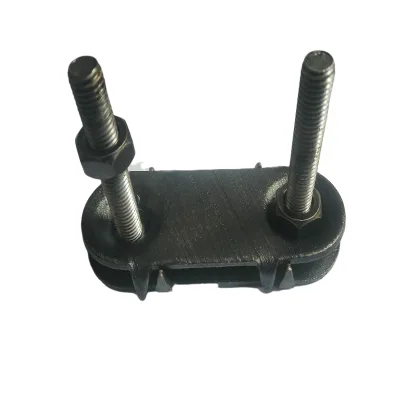
High-Performance Conveyer Belt Fasteners Wear-Proof Industrial Belt Fastener
$90.00 - $110.00
MOQ: 1 Boxes


Comprehensive Sourcing Guide
Industrial Conveyor Belt Fastener Sourcing Guide
Buyers must first distinguish between the diverse product categories listed under this keyword, as the data reveals a mix of general fasteners and specialized belt hardware. The observed listings include items explicitly named as mining belt fasteners and rivet hinged belt fasteners, alongside generic stainless steel fasteners and belt buckle stretch hooks. This variation indicates that a single search term often aggregates distinct mechanical solutions, requiring the procurement team to verify the specific functional intent before proceeding with any inquiry.
The commercial signals in the market show a wide price range from 0.1 to 140 USD, reflecting significant differences in material composition and manufacturing complexity. While some entries list basic customization availability, others specify complex surface treatments like hot galvanizing or color-zinc plating, which directly impact the unit cost. Buyers should analyze the listed material grades, such as alloy or stainless steel, to understand the cost drivers rather than assuming a uniform pricing structure across all available inventory.
Product Scope and Observed Listing Signals
The product scope encompasses a variety of head styles and connection mechanisms, ranging from common bolts to hinged bolts and round head configurations. Specific model numbers like 140E, 190E, and inch-based sizes such as 1.5, 2, and 2.5 inches appear frequently, suggesting these are standard industry dimensions for conveyor belt widths. Procurement teams must cross-reference these model codes with their existing belt specifications to ensure compatibility, as the data indicates a strong reliance on these specific numerical identifiers for sizing.
Packaging and origin data provide critical logistical context for international buyers, with most products originating from Shanxi Province, China. The observed packaging methods vary from simple paper boxes and cartons to more robust wooden boxes and palletized arrangements, which influences shipping costs and handling requirements. Buyers should explicitly confirm the packaging standard required for their destination to prevent damage during transit, as the listed options range from basic carton packing to specialized pallet configurations.
Technical Specifications to Verify
Technical verification begins with the material composition, where listings specify stainless steel, alloy, and general steel attributes. The surface treatment processes are equally critical, with options including galvanizing, heat treating, and color-zinc plating visible in the data. Buyers must confirm that the selected finish matches the environmental conditions of their application, such as chemical industry exposure or mining environments, to ensure the fastener will not corrode or degrade prematurely under operational stress.
Dimensional accuracy is paramount, as the data lists specific standards like DIN, ANSI, and GB alongside custom size requests. The observed specifications include precise measurements for belt widths ranging from 500 to 2400 mm, alongside specific model numbers like 140# and 190#. Procurement teams must validate that the supplier can consistently produce these exact dimensions, as even minor deviations in hole spacing or head style can render the fastener incompatible with the conveyor system's tensioning mechanisms.
Compliance and Safety Documentation
Compliance verification requires checking for recognized manufacturing standards, with ISO 9001 appearing as a high-confidence certification for the manufacturing process. While some listings mention CE and ISO9000, buyers must treat these as claims to be verified rather than guaranteed attributes for every unit. It is essential to request current certificates of conformity that specifically cover the batch of fasteners being purchased, ensuring that the production facility maintains the necessary quality management systems for industrial hardware.
Safety documentation should also address the specific performance characteristics required for the intended application, such as wear resistance and penetrability. The data notes features like wear-resistance, which are vital for mining and heavy machinery applications where friction and impact are constant. Buyers should demand test reports or material data sheets that substantiate these performance claims, ensuring the fasteners can withstand the mechanical loads and abrasive conditions of their specific operational environment.
Cost Drivers and Commercial Terms
Cost drivers are heavily influenced by the material grade and the complexity of the surface treatment applied to the fasteners. Listings indicate a range of materials from basic steel to stainless steel and alloy, each carrying different market values. Additionally, processes like hot galvanizing or heat treating add significant processing costs compared to standard finishes. Buyers should request a detailed cost breakdown that isolates material costs from processing fees to understand the true value proposition of each supplier quote.
Commercial terms vary significantly, with observed minimum order quantities ranging from 1 to 1000 units and prices spanning from 0.1 to 140 USD. The wide MOQ range suggests flexibility for small trials but potential volume discounts for larger orders. Procurement teams must negotiate terms that align with their inventory strategy, considering that some suppliers offer customization while others may have stricter constraints on order sizes and lead times based on the specific model and finish selected.
Supplier Qualification and Quality Control
Supplier qualification should prioritize manufacturers with documented ISO 9001 certification for their stamping and manufacturing processes. The data highlights Shanxi Province as a key production hub, but buyers must verify the specific factory's capacity to handle custom orders and maintain consistent quality. It is advisable to conduct on-site audits or request third-party inspection reports to confirm that the supplier's quality control protocols match the rigorous demands of industrial conveyor systems.
Quality control checks must focus on the consistency of the product attributes, such as head style, connection type, and surface finish. The observed listings show variations in attributes like color, ranging from silver and black to white and yellow, which may indicate different coating processes. Buyers should implement incoming inspection protocols that verify these visual and dimensional attributes against the agreed-upon specifications to prevent the acceptance of non-conforming goods that could compromise the integrity of the conveyor belt system.
Long-Term Procurement Checks
Long-term procurement success depends on establishing a reliable supply chain that can consistently meet the specific model and size requirements of the conveyor system. The data shows a variety of models from 140E to 3 inches, and maintaining a relationship with a supplier who can reliably produce these specific sizes is crucial for ongoing maintenance and replacement needs. Buyers should secure agreements that guarantee the availability of these standard models to avoid production downtime caused by part shortages.
Continuous monitoring of supplier performance is necessary to ensure that the fasteners continue to meet the required standards and material specifications over time. As the market includes diverse finishes and grades, buyers must regularly review the quality of incoming shipments to detect any drift in manufacturing standards. Establishing a feedback loop with the supplier allows for the early identification of potential issues, ensuring that the long-term reliability of the conveyor belt fasteners remains uncompromised throughout the equipment's lifecycle.
FAQs
What materials are used for industrial conveyor belt fasteners?
Industrial conveyor belt fasteners are primarily manufactured from stainless steel and alloy steel. These materials ensure high durability and resistance to wear in demanding environments. Some products also feature galvanized or color-zinc plated finishes to enhance corrosion resistance. The choice of material depends on the specific application requirements, such as chemical industry exposure or heavy machinery usage.
Which standards do these fasteners comply with?
These fasteners comply with various international standards including GB, GOST, DIN, and ANSI. Manufacturers often hold ISO 9001 certification for their manufacturing processes. Specific models may adhere to CE or ISO9000 standards. Buyers should verify the exact standard required for their machinery to ensure compatibility and safety compliance during installation and operation.
Can I customize the size of the fasteners?
Yes, customization is available for industrial conveyor belt fasteners. Common sizes include 140E, 190E, 1.5 inches, 2 inches, 2.5 inches, and 3 inches. Some suppliers offer fully customized sizes to fit specific conveyor belt widths ranging from 500 to 2400 mm. Buyers can request specific dimensions to match their existing equipment requirements precisely.
What packaging options are provided for these products?
Products are typically packed in cartons, paper boxes, or wooden boxes. Many suppliers use carton plus pallet packing for bulk shipments to ensure safety during transit. The packaging is designed to protect the fasteners from damage and corrosion. Buyers can often specify their preferred packaging method based on logistics requirements and storage conditions at the destination.
Where are these fasteners manufactured?
These fasteners are primarily manufactured in Shanxi Province, China. This region is known for its industrial manufacturing capabilities and supply chain efficiency. Buyers sourcing from this location can benefit from established production networks. The origin ensures consistent quality and availability of raw materials like stainless steel and alloy for producing durable belt fasteners.
What is the typical MOQ for these fasteners?
The minimum order quantity typically ranges from 1 to 1000 units. This flexibility allows both small-scale repairs and large industrial projects to be supported. Buyers can often negotiate MOQs based on their specific needs and order volume. Custom orders may have different MOQ requirements depending on the complexity and customization level requested by the buyer.