Source Industrial Control Metal Key Switch for Factory Automation
Find and compare 30 Industrial Control Metal Key Switch options from global suppliers. Evaluate models like KS5 and S3012 for durability, certifications, and customization needs in enterprise applications. These switches offer robust performance with features such as dust-proof protection and various mounting styles to suit diverse industrial environments.
Key considerations
Products List


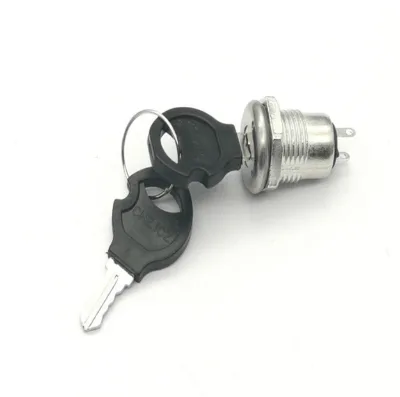


Square Button on-off Self-Lock/Non Lock Push Button Switch Press Key Switch
$0.15 - $0.25
MOQ: 500 Pieces


Comprehensive Sourcing Guide
Industrial Control Metal Key Switch Sourcing Guide
Procuring industrial control metal key switches requires a disciplined approach to aligning technical specifications with operational safety and long-term reliability. These components serve as critical interface points in machinery, ensuring that power and control signals are managed securely through physical key authorization. Buyers must prioritize switches that offer robust mechanical durability alongside precise electrical performance, as these units often operate in harsh environments where vibration, dust, and temperature fluctuations are common. The selection process involves evaluating not just the immediate functional requirements but also the broader ecosystem of compliance, supply chain stability, and maintenance accessibility.
This guide provides a structured framework for sourcing these essential components, focusing on evidence-based decision-making rather than speculative claims. By examining product scope, technical verification, compliance documentation, cost structures, supplier qualifications, and long-term checks, procurement teams can mitigate risk and ensure consistent performance. The following sections detail the specific attributes and verification steps necessary to select the right metal key switch for your application, ensuring that every purchase contributes to operational efficiency and safety standards.
Product Scope and Observed Listing Signals
The market for industrial control metal key switches presents a diverse range of options, with observed price points varying significantly from low-cost units to premium specialized models. Listings indicate a wide MOQ range, suggesting flexibility for both prototyping and large-scale production runs. Buyers should note that product attributes such as weight, color, and packing methods vary by manufacturer, with some units weighing around 0.200kg and packaged in paper boxes, cartons, or plywood cases. Others may come in simple polybag packages, reflecting different logistical needs and cost structures. Understanding these variations helps in estimating total landed costs and storage requirements.
Origin locations also play a crucial role in sourcing decisions, with products originating from regions like Shanghai, China, and Taiwan. These geographic distinctions often correlate with specific manufacturing capabilities and quality control standards. For instance, some listings highlight certifications like UL and ISO9001, while others emphasize RoHS compliance or specific environmental ratings. Buyers must carefully cross-reference these signals with their own technical requirements, as not all listed products will satisfy every attribute. The presence of customization options and various pressing types, such as push-button mechanisms, further expands the scope, allowing for tailored solutions that fit specific control panel designs.
Technical Specifications to Verify
When evaluating technical specifications, buyers must verify the electrical and mechanical properties that define the switch’s performance. Key attributes include the number of switches, which can range from single control switches to multi-control configurations, and the breaking form, which may be single type or general type depending on the application’s load requirements. The working principle is another critical factor, with options ranging from electronically controlled locks to capacitive detection methods. Understanding these principles ensures that the selected switch integrates seamlessly with the existing control system, whether it involves lighting, electronics, or home appliances.
Additional technical details such as wiring configurations, protection levels, and structural types must also be scrutinized. Some switches feature null line and live line wiring, while others are designed for automatic control or fail-safe operations. Protection ratings, such as dust-proof or durable finishes, are essential for environments with particulate matter or physical stress. Buyers should also check the contact type, such as type b contact, and the structure, which might be power built-in type. Verifying these specifics prevents mismatches in installation and ensures that the switch can handle the intended current and voltage loads without premature failure.
Compliance and Safety Documentation
Compliance with international standards is non-negotiable for industrial control components, as it ensures safety and legal market access. Buyers must verify that suppliers provide valid certification documents, such as UL, CE, ISO9001, and RoHS, which attest to the product’s adherence to quality and environmental regulations. Some listings also mention CCC certification, indicating compliance with Chinese national standards, which may be relevant for domestic sourcing or specific regional requirements. These certifications are not merely formalities but serve as proof that the product has undergone rigorous testing for electrical safety, material composition, and manufacturing consistency.
Beyond certifications, buyers should request detailed test reports and compliance statements that align with their specific industry regulations. For example, switches intended for enterprise applications may require additional validation for fail-safe functionality or specific environmental operating ranges, such as temperatures below 250℃. It is crucial to confirm that the listed standards, like ISOEnvironment ratings or UL certified switch locks, are current and applicable to the product model. Engaging with suppliers to clarify any ambiguities in compliance documentation helps avoid regulatory pitfalls and ensures that the installed switches meet all necessary safety benchmarks for the intended operational environment.
Cost Drivers and Commercial Terms
Cost structures for industrial control metal key switches are influenced by several factors, including material quality, certification levels, and order volume. The observed price range of 0.1 to 350 USD reflects this variability, with higher prices often corresponding to specialized features like illumination, anti-vandal designs, or custom branding. Buyers should analyze the MOQ requirements, which can range from 1 to 2000 units, to determine the most cost-effective order size. Larger orders may benefit from economies of scale, but they also require accurate demand forecasting to avoid excess inventory and associated storage costs.
Commercial terms such as payment methods, shipping options, and lead times also impact the total cost of ownership. Suppliers may offer different packing solutions, from polybags to plywood cases, which affect shipping efficiency and product protection. Buyers should negotiate clear terms regarding warranty periods, return policies, and after-sales support, as these factors can mitigate financial risks associated with product failures. Additionally, considering the origin of the product can influence logistics costs and customs duties, making it essential to evaluate the total landed cost rather than just the unit price. Transparent communication with suppliers about these commercial aspects ensures a smoother procurement process and better budget management.
Supplier Qualification and Quality Control
Selecting a qualified supplier is paramount to ensuring consistent product quality and reliable supply chain performance. Buyers should assess suppliers based on their manufacturing capabilities, quality control processes, and track record in the industry. Suppliers with established certifications like ISO9001 and CE are generally more reliable, as these standards indicate a commitment to quality management systems. It is also beneficial to review supplier audits, customer testimonials, and case studies to gauge their reputation and ability to meet specific technical requirements. Engaging with suppliers who offer customization options can further enhance the alignment between product specifications and operational needs.
Quality control measures should be explicitly defined in the procurement agreement, including inspection protocols, sampling plans, and acceptance criteria. Buyers may request pre-shipment inspections or third-party verification to ensure that the delivered products meet the agreed-upon standards. Suppliers should provide detailed product data sheets and technical support to assist with installation and troubleshooting. Additionally, establishing a clear communication channel for addressing defects or performance issues is crucial for maintaining operational continuity. By prioritizing suppliers with robust quality control systems, buyers can reduce the risk of receiving substandard products and ensure long-term reliability.
Long-Term Procurement Checks
Long-term procurement success depends on continuous monitoring of supplier performance and product reliability. Buyers should establish key performance indicators (KPIs) to track metrics such as delivery times, defect rates, and response to technical queries. Regular reviews of these metrics help identify potential issues early and allow for corrective actions before they impact production. It is also important to stay updated on changes in industry standards and regulations, ensuring that the sourced switches remain compliant with evolving safety and environmental requirements. This proactive approach minimizes the risk of obsolescence and ensures that the procurement strategy remains aligned with business goals.
Furthermore, buyers should maintain a diversified supplier base to mitigate supply chain risks and enhance bargaining power. Regularly evaluating alternative suppliers and exploring new technologies can provide opportunities for cost savings and performance improvements. Building strong relationships with suppliers through open communication and mutual respect fosters collaboration and innovation. By implementing these long-term checks, buyers can ensure a stable and efficient procurement process, supporting the overall reliability and safety of their industrial control systems. This strategic focus on continuous improvement and risk management is essential for sustaining competitive advantage in the marketplace.
FAQs
What certifications are available for industrial control metal key switches?
Industrial control metal key switches typically feature UL, CE, ISO9001, and RoHS certifications. These standards ensure compliance with international safety and environmental regulations. Buyers should verify specific model requirements, as some variants may also include CCC or SGS approvals depending on the manufacturer and target export region.
Can industrial control metal key switches be customized for specific applications?
Yes, customization is available for many industrial control metal key switches. Manufacturers offer options for tailored specifications, including specific models like KS5 or S3012. Buyers can request custom packaging, such as polybags or plywood cases, to meet logistical needs. This flexibility supports diverse enterprise and home appliance applications.
What is the typical MOQ for industrial control metal key switches?
The minimum order quantity for industrial control metal key switches ranges from 1 to 2000 units. This wide range accommodates both small prototype orders and large-scale industrial deployments. Buyers should confirm exact MOQs with suppliers, as requirements may vary based on product specifications, customization needs, and current production capacity.
Where are industrial control metal key switches typically manufactured?
Industrial control metal key switches are commonly manufactured in Shanghai, China, and Taiwan. These regions are known for robust electronics and switch production capabilities. Buyers can source products with various certifications, including UL and CE, from these locations. Origin details should be verified per specific model to ensure alignment with sourcing requirements.
What protection features do industrial control metal key switches offer?
Industrial control metal key switches often provide dust-proof and durable protection features. Some models are designed for general breaking capacity and normal close operations. These features ensure reliability in industrial environments. Buyers should check specific product attributes, such as IP ratings or material durability, to match their operational conditions.
What packaging options are available for industrial control metal key switches?
Packaging options for industrial control metal key switches include polybags, paper boxes, cartons, and plywood cases. These choices support various shipping and storage requirements. Buyers can select packaging based on product fragility and volume. Standard polybag packaging is common for individual units, while larger orders may utilize cartons or plywood cases for enhanced protection.