Source Industrial Grade Draft Lugs for Rail, Power, and Link Applications
Find and compare 30 Industrial Grade Draft Lugs designed for railcar components, electrical connections, and line fittings. Evaluate options made from nodular iron, copper, or aluminum, featuring processes like squeeze casting and cold pressing to meet diverse mechanical and electrical needs.
Key considerations
Products List


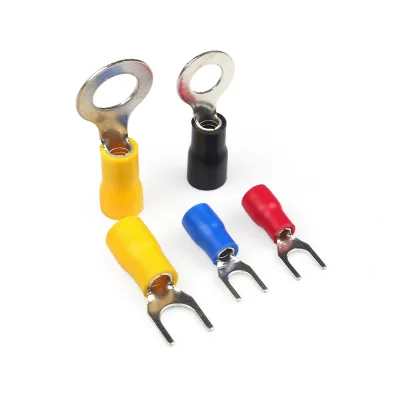
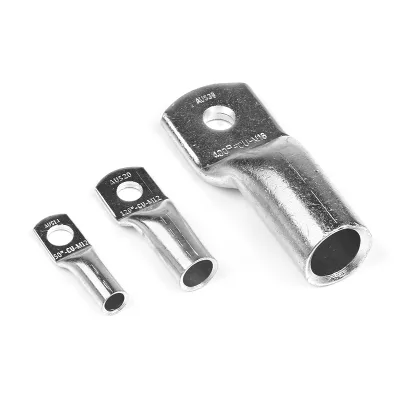
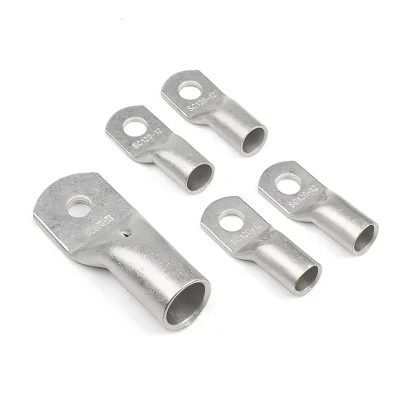
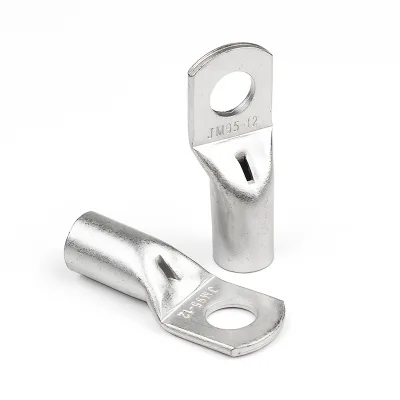
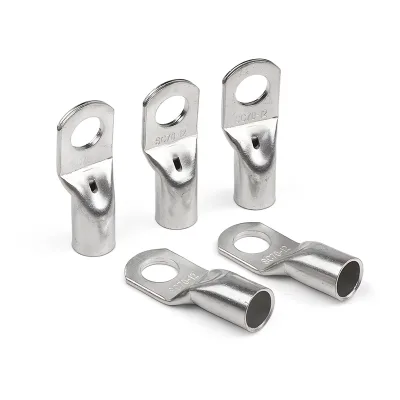
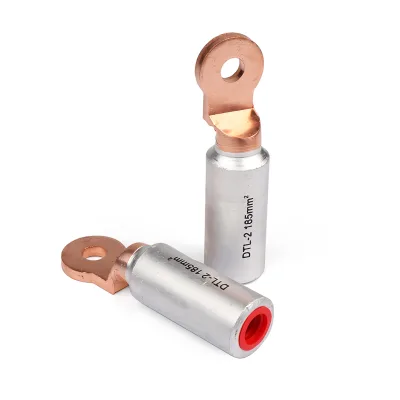


Copper Aluminium Bimetal Cable Lugs Types / Cable Lug Size / Cable Terminal Lugs
$0.86 - $1.50
MOQ: 1500 Pieces


Comprehensive Sourcing Guide
Industrial Grade Draft Lugs Sourcing Guide
Procuring industrial-grade draft lugs requires a disciplined approach that balances mechanical integrity with electrical reliability, particularly when these components serve as critical link fittings in high-stress environments. These hardware elements are frequently utilized in applications ranging from railcar grab systems to overhead aluminum wire splicing, where the primary function is twofold: providing robust mechanical fixation and ensuring secure electrical connection. Buyers must recognize that "draft lugs" is a broad category encompassing various shapes, materials, and manufacturing processes, including squeeze casting, liquid forging, and cold pressing techniques. Consequently, the sourcing strategy must be tailored to the specific operational demands of the end-use application, whether it involves handling heavy mechanical loads in industrial machinery or managing high-voltage currents in electrical substations.
The market landscape for these components is diverse, with suppliers offering products made from a wide array of materials such as nodular iron, ductile iron, gray iron, steel, copper, and aluminum. This material diversity directly impacts the performance characteristics of the final product, influencing factors like corrosion resistance, conductivity, and tensile strength. For instance, copper and aluminum variants are often selected for their superior electrical conductivity and lighter weight, making them ideal for applications requiring efficient energy transfer, while iron and steel options provide the necessary durability for heavy-duty mechanical linkages. Understanding these material distinctions is crucial for buyers to avoid mismatches between component capabilities and operational requirements, ensuring that the selected draft lugs can withstand the specific environmental and load conditions they will encounter throughout their service life.
Product Scope and Observed Listing Signals
When evaluating supplier listings, buyers should closely examine the stated product models and specifications to ensure alignment with their technical needs. Observed data indicates a wide range of model identifiers, such as SC(JGA), LYF90, t10-8, and 1.25-3YS, which often correspond to specific design configurations or industry standards. These model numbers are not merely administrative labels but serve as critical references for verifying compatibility with existing infrastructure, such as standard insulators and bolts. Buyers must cross-reference these model designations with their engineering drawings or legacy part numbers to prevent procurement errors. Additionally, the presence of terms like "Draft Lugs" or "Aluminum Tube-Type Terminal" in product titles provides immediate insight into the component's form factor and intended use, helping to filter out irrelevant offerings and focus on suppliers who specialize in the specific type of lug required for the project.
Packaging and origin details also offer valuable signals regarding the supplier's operational maturity and logistical capabilities. Listings frequently specify origins in regions like Shandong or Zhejiang in China, which are known hubs for metal fabrication and electrical component manufacturing. The packaging methods described, ranging from standard international master cartons to customized wooden boxes or individual cartons, reflect the supplier's attention to protecting delicate or heavy components during transit. For buyers dealing with fragile electrical terminals or heavy mechanical link fittings, the choice of packaging can significantly impact the condition of the goods upon arrival. It is advisable to verify that the packaging standards mentioned in the listing are sufficient to prevent damage during shipping, especially for international orders where handling conditions can be unpredictable.
Technical Specifications to Verify
Material composition is the most critical technical specification to verify, as it directly dictates the component's performance in its intended application. Suppliers may list materials such as copper, aluminum, or various grades of iron and steel, each offering distinct advantages. For electrical applications, the purity and alloy composition of copper or aluminum are paramount to ensure low resistance and efficient current transfer. In mechanical applications, the type of iron or steel determines the tensile strength and wear resistance of the draft lug. Buyers should request detailed material certificates or test reports to confirm that the supplied material matches the specified grade. Misidentification of material can lead to premature failure, whether through electrical overheating in conductive applications or mechanical fracture in load-bearing scenarios.
Surface finishing and manufacturing processes are equally important factors that influence the longevity and functionality of the draft lugs. Common surface treatments observed include trimming, deburring, polishing, and shot blasting, which are essential for removing imperfections and enhancing corrosion resistance. The manufacturing process, whether it involves squeeze casting, liquid forging, or cold pressing, also affects the internal structure and density of the component. For example, cold-pressed hook terminals may offer different mechanical properties compared to cast aluminum tube-type terminals. Buyers should inquire about the specific surface finishing techniques used to ensure that the components are free from burrs that could interfere with assembly or cause insulation damage. Additionally, verifying the interface type, such as HDR connections, is crucial for ensuring compatibility with mating parts in complex electrical or mechanical assemblies.
Compliance and Safety Documentation
Certification status is a key indicator of a supplier's commitment to quality and regulatory compliance. Listings may mention certifications such as UL, ISO, CE, or GB standards, which provide assurance that the products have undergone rigorous testing and meet specific safety and performance criteria. For electrical components, UL certification is particularly important as it verifies that the product meets North American safety standards for use in electrical systems. Similarly, ISO and CE certifications indicate adherence to international quality management and European safety directives, respectively. Buyers should request copies of these certificates to verify their validity and ensure they cover the specific product models being procured. Relying on uncertified components can expose organizations to significant liability and safety risks, particularly in regulated industries.
Standards compliance extends beyond certifications to include adherence to specific industry norms and specifications. Products may be manufactured to international standards, environmental protection regulations, or national standards like GB and DIN. For instance, the mention of "Environmental Protection" as a standard suggests that the manufacturing process or material composition complies with regulations regarding hazardous substances. Buyers should verify that the products meet the relevant standards for their specific application, whether it involves overhead wire splicing or industrial machinery. Understanding the specific standards applicable to the end-use environment is essential for ensuring that the draft lugs will perform reliably and legally within the intended operational context.
Cost Drivers and Commercial Terms
The price range for industrial-grade draft lugs can vary significantly based on material, size, and manufacturing complexity. Observed data indicates a wide spectrum of prices, from low-cost items to high-value components, reflecting the diversity of the product category. Buyers should analyze the price in the context of the material cost, which is a major driver for copper and aluminum products. Fluctuations in raw material prices can impact the final cost of the lugs, so it is advisable to establish pricing agreements that account for market volatility. Additionally, the complexity of the manufacturing process, such as custom surface finishing or specialized casting techniques, can also influence the unit price. Understanding these cost drivers helps buyers negotiate more effectively and budget accurately for their procurement needs.
Minimum Order Quantity (MOQ) and payment terms are critical commercial considerations that affect the overall cost and feasibility of the procurement. MOQs can range from small quantities for prototyping to large volumes for mass production, with observed ranges extending up to 10,000 units. Buyers should assess their consumption rates and storage capabilities to determine the optimal order quantity that balances cost efficiency with inventory management. Suppliers may offer discounts for larger orders, but this must be weighed against the risk of obsolescence or damage. Furthermore, understanding the supplier's payment terms and lead times is essential for planning production schedules and managing cash flow. Clear communication regarding these commercial terms helps prevent misunderstandings and ensures a smooth transaction process.
Supplier Qualification and Quality Control
Supplier qualification involves a thorough assessment of the manufacturer's capabilities, including their production processes and quality control systems. Buyers should verify that the supplier has the necessary equipment and expertise to produce the required draft lugs, whether through casting, forging, or pressing. The mention of specific processes like squeeze casting or cold pressing indicates a level of technical specialization that should be validated through site audits or detailed questionnaires. Additionally, the supplier's ability to provide customization, as indicated by the availability of customized options, is a valuable asset for buyers with unique requirements. Ensuring that the supplier can meet specific design or material specifications is crucial for maintaining consistency and reliability in the supply chain.
Quality control measures are essential to ensure that the delivered products meet the agreed-upon standards. Buyers should inquire about the supplier's inspection protocols, including incoming material checks, in-process inspections, and final product testing. The use of standardized packaging and adherence to international shipping standards are also indicators of a supplier's commitment to quality. For electrical components, testing for conductivity and insulation resistance is critical, while mechanical components may require tensile strength and fatigue testing. Buyers should request quality reports or certificates of conformity for each batch of products to verify that they meet the specified requirements. Establishing a robust quality control framework helps mitigate the risk of receiving defective or non-compliant products.
Long-Term Procurement Checks
Establishing a long-term relationship with a reliable supplier requires ongoing monitoring and evaluation of performance metrics. Buyers should track key indicators such as delivery times, product quality, and responsiveness to issues. Consistent performance in these areas is a strong indicator of a supplier's reliability and commitment to customer satisfaction. Additionally, buyers should periodically review the supplier's certification status and compliance with evolving standards and regulations. This proactive approach helps ensure that the supplier remains capable of meeting current and future requirements. Regular communication and feedback loops also foster a collaborative relationship that can lead to continuous improvement and innovation in product design and manufacturing processes.
Adaptability to market changes and technological advancements is another critical factor for long-term procurement success. The industrial components market is subject to fluctuations in raw material prices, regulatory changes, and technological innovations. Buyers should assess the supplier's ability to adapt to these changes, such as by offering alternative materials or updated product designs. Suppliers who invest in research and development and stay informed about industry trends are better positioned to provide value-added solutions. By maintaining a flexible and forward-looking procurement strategy, buyers can ensure that their supply chain remains resilient and competitive in the face of changing market conditions. This strategic approach supports sustainable growth and operational efficiency over the long term.
FAQs
What materials are used for Industrial Grade Draft Lugs?
Industrial Grade Draft Lugs are typically manufactured from nodular iron, ductile iron, grey iron, steel, copper, or aluminum. The specific material selection depends on the required mechanical strength and electrical conductivity. Copper and aluminum variants are often used for electrical connections, while iron and steel options provide robust mechanical fixation for heavy-duty industrial applications.
Can these lugs be customized for specific applications?
Yes, customization is available for Industrial Grade Draft Lugs to meet unique project requirements. Buyers can request specific surface finishing options such as trimming, deburring, polishing, or shot blasting. Additionally, packaging can be tailored to standard international master cartons or customized wooden boxes, ensuring safe transport and compliance with specific logistical needs.
What certifications are associated with these products?
Products may carry various certifications including UL, ISO, CE, and GB standards. Some items are certified under environmental protection standards, while others adhere to international standard master carton specifications. Buyers should verify specific certification documents for each model, as certifications like ISOCustomized or specific standard compliance may vary by manufacturer and product type.
What is the typical MOQ for these lugs?
The minimum order quantity for Industrial Grade Draft Lugs ranges from 1 to 10,000 units. This wide range allows flexibility for both small-scale testing and large-volume industrial procurement. Buyers can often negotiate MOQ terms based on the specific model, material, and customization requirements, with single-item selling units available for smaller initial orders.
Where are these industrial lugs manufactured?
These products are primarily manufactured in China, with specific origins noted in Shandong and Zhejiang provinces. The manufacturing facilities utilize processes such as squeeze casting, liquid forging, and cold pressing. Buyers sourcing from these regions benefit from established industrial supply chains and standardized production methods for high-efficiency transfer and mechanical fixation components.
What are the primary functions of these lugs?
The primary functions include mechanical fixation and electrical connection. These lugs are designed for applications such as overhead aluminum wire splicing and line fittings in substations. They are compatible with standard insulators and bolts, ensuring secure attachment and reliable performance in industrial environments requiring high-efficiency transfer and environmental protection compliance.