Source Industrial Grade Electric Snow Shovel for Courtyards, Gardens, Outdoors
Explore 30 listings for the Industrial Grade Electric Snow Shovel designed for courtyards, gardens, and outdoor use. Buyers can compare specifications, prices, and customization options from verified suppliers offering OEM and ODM support.
Key considerations
Products List
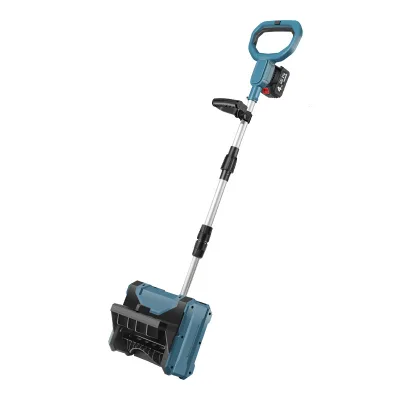
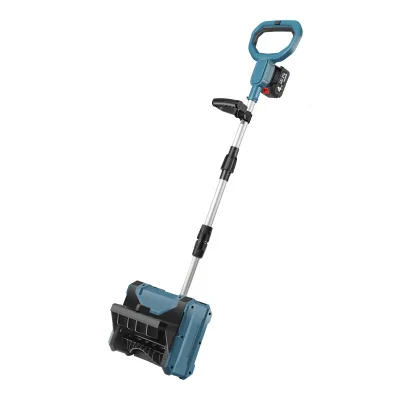
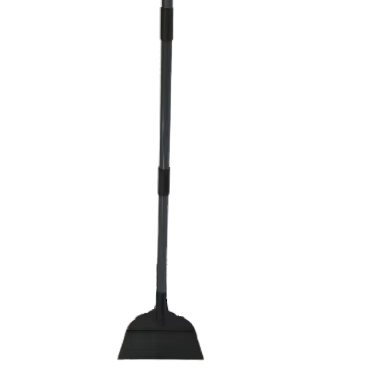
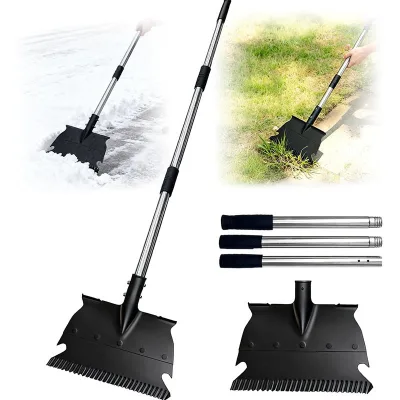
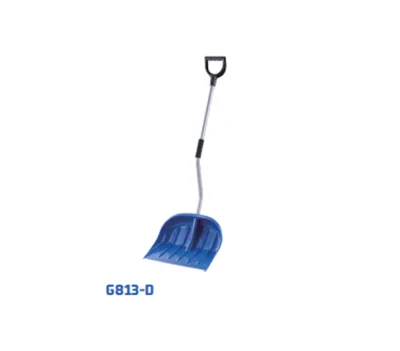
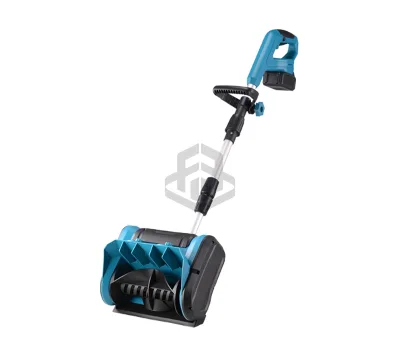


High Quality Snow Shovel Large Poly Snow Removal Shovel and Snow Shovel
$5.43 - $5.58
MOQ: 1000 pieces


Cordless Electric Portable Snow Thrower Battery-Powered Snow Blower Shovel
$23.50 - $27.50
MOQ: 500 Pieces

Cordless Electric Portable Snow Thrower Battery-Powered Snow Blower Shovel
$23.50 - $27.50
MOQ: 500 Pieces

Cordless Electric Portable Snow Thrower Battery-Powered Snow Blower Shovel
$33.50 - $37.80
MOQ: 500 Pieces

Cordless Electric Portable Snow Thrower Battery-Powered Snow Blower Shovel
$23.50 - $27.50
MOQ: 500 Pieces

Cordless Electric Portable Snow Thrower Battery-Powered Snow Blower Shovel
$23.50 - $27.50
MOQ: 500 Pieces

Cordless Electric Portable Snow Thrower Battery-Powered Snow Blower Shovel
$23.50 - $27.50
MOQ: 500 Pieces


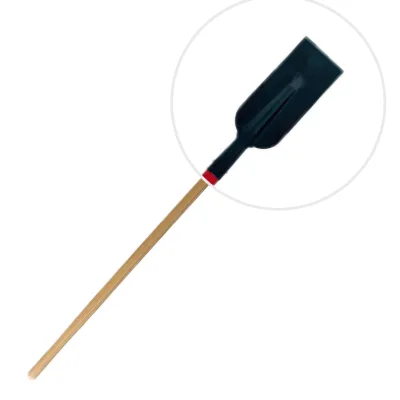


Cordless Electric Portable Snow Thrower Battery-Powered Snow Blower Shovel
$50.00 - $58.00
MOQ: 10 Sets
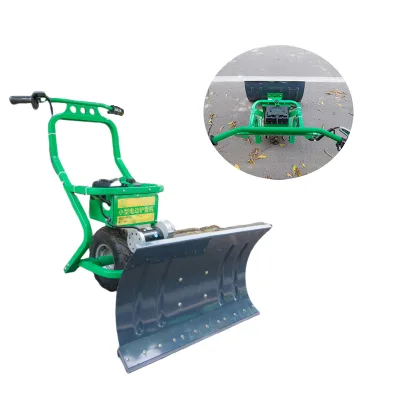
Comprehensive Sourcing Guide
Strategic Sourcing Guide for Industrial Grade Electric Snow Shovels
Understanding Product Specifications and Technical Variability
When sourcing industrial-grade electric snow shovels, buyers must first navigate a landscape of diverse technical configurations rather than a single standardized product. The market presents a wide array of specifications that directly influence performance and suitability for specific operational environments. A critical observation in the current supply base is the variation in voltage requirements. Some units operate on 21V systems, while others are designed for 12V DC power sources. This distinction is paramount for procurement teams, as it dictates compatibility with existing battery infrastructure and charging stations. The power source is consistently electric, yet the motor architecture varies significantly between brushed and brushless technologies. Brushless motors generally offer higher efficiency and longer lifespans, which is a key consideration for industrial applications requiring heavy-duty usage.
The physical dimensions and weight of these units are equally variable. Observed data indicates single package sizes ranging from compact 10x10x10 cm configurations to larger industrial units measuring 69.0x36.0x30.0 cm. Correspondingly, the product weights fluctuate between 2.5kg and 3.5kg for the unit itself, with single gross weights reaching up to 4.780 kg when packaged. This variance impacts logistics planning and the ergonomics of the equipment for operators. Furthermore, the material composition is a critical differentiator. While some models utilize ABS plastic for housing, others specify steel or metal for blade materials, directly correlating to durability and the ability to handle heavy, wet snow or ice. Buyers must verify the specific material grade, noting that "Industrial" is a classification used in the supply chain, but the exact metallurgical standards or plastic formulations must be confirmed with the supplier.
Compliance, Certification, and Safety Verification
In the industrial sector, compliance and safety are non-negotiable, yet the provided data does not explicitly list specific certification bodies or standard numbers for these electric snow shovels. Consequently, buyers must treat certification status as a verification point rather than an assumed attribute. The products originate from manufacturing hubs in Jiangsu, China, and other regions within China, but the specific factory certifications (such as ISO 9001 or ISO 14001) are not detailed in the general product listings. Procurement teams should mandate that suppliers provide evidence of compliance with relevant electrical safety standards, such as IEC 60335 for household and similar electrical appliances, or specific industrial machinery directives depending on the intended market.
Safety features regarding the motor and battery systems are also critical. The observed products include a 1-year warranty, which serves as a baseline indicator of manufacturer confidence but does not replace formal safety testing. Buyers should request test reports verifying the electrical insulation, battery safety, and mechanical integrity of the blades. Since the noise level is sometimes listed with units of speed (km/h) rather than decibels, this indicates a potential data inconsistency that requires clarification. The buyer must ensure the noise level is measured in dB(A) and falls within acceptable occupational health limits for the intended work environment. Additionally, the "Industrial" grade classification should be backed by specific performance data regarding the motor's torque and the blade's resistance to impact, rather than relying solely on marketing terminology.
Cost Drivers and Pricing Dynamics
The pricing structure for industrial electric snow shovels is influenced by several distinct factors, creating a broad observed range from $0.60 to $3,000 USD. This wide spectrum reflects the difference between basic manual-assist electric tools and fully integrated industrial-grade systems. The primary cost drivers include the motor type, battery capacity, and the inclusion of accessories. For instance, listings show configurations ranging from "bare metal" units without batteries or chargers to complete kits with multiple batteries and charging stations. A "Section 10" or "Section 15" configuration implies a specific power and charging setup, which significantly alters the unit price.
Material costs also play a substantial role. Units constructed with steel blades and robust metal components will inherently cost more than those using ABS plastic or lighter alloys. The customization level is another major cost variable. Suppliers offering OEM and ODM support allow for branding, color customization, and logo placement, which adds to the unit cost compared to standard off-the-shelf models. The Minimum Order Quantity (MOQ) also impacts the effective unit price. While some suppliers offer an MOQ of just 1 unit, others require orders of 500 or 1,000 pieces. Buyers must calculate the total cost of ownership, including the potential savings from bulk purchasing against the higher upfront capital required for larger MOQs. The warranty period, typically listed as one year, is a standard cost factor that should be evaluated against the potential cost of repairs or replacements.
Typical Applications and Operational Environments
Industrial electric snow shovels are designed for a variety of demanding environments, with the primary function being snow removal. The observed applications include courtyards, gardens, and general outdoor spaces. However, the "Industrial" grade designation suggests suitability for more rigorous tasks than typical residential use. These machines are often deployed in commercial properties, municipal facilities, and large-scale industrial sites where rapid snow clearance is essential for safety and operational continuity. The straight handle type and bag handle configurations observed in the listings indicate a design focused on operator ergonomics during extended use.
The versatility of these machines is further highlighted by the color options available, such as blue brushed, blue brushless, red brushed, and red brushless variants. While color is often aesthetic, in industrial settings, high-visibility colors like red or bright blue can serve as safety features, making the equipment easily identifiable on a worksite. The "Lightweight" feature noted in some product descriptions is particularly relevant for applications requiring frequent lifting or maneuvering in tight spaces, such as narrow walkways or around landscaping features. Buyers should match the specific application requirements with the machine's power source and motor type. For example, a brushless motor might be preferred for continuous, high-load operations, whereas a brushed motor might suffice for intermittent, lighter duty cycles.
Supplier Evaluation and Customization Capabilities
Evaluating suppliers for industrial electric snow shovels requires a deep dive into their customization capabilities and production flexibility. The market data reveals that many suppliers offer both OEM (Original Equipment Manufacturer) and ODM (Original Design Manufacturer) support. This dual capability allows buyers to either rebrand existing models or collaborate on custom designs that meet specific performance criteria. The "Customized Color" and "Customsize Logo" attributes indicate that branding is a standard service offered by these manufacturers. However, the extent of customization—such as modifying the blade material, altering the voltage, or changing the battery capacity—must be explicitly negotiated.
When assessing suppliers, buyers should verify their location and logistics capabilities. The primary place of origin is Jiangsu, China, a region known for its manufacturing ecosystem. However, the specific factory location within this region can impact lead times and shipping costs. The MOQ ranges from 1 to 5,000 units, suggesting a mix of suppliers catering to small businesses and large enterprises. Buyers must determine if the supplier can scale production to meet their volume needs without compromising quality. The "Selling Units" being listed as "Single item" suggests that some suppliers are willing to sell samples or small batches, which is useful for initial testing. However, for industrial procurement, the ability to fulfill large orders consistently is the primary metric. Buyers should also inquire about the supplier's track record in handling "Industrial" grade products and their ability to provide after-sales support, including spare parts availability.
Quality Control and Long-Term Procurement Considerations
Ensuring consistent quality in industrial electric snow shovels requires a robust quality control (QC) strategy. Given the variability in product attributes observed, such as the differing weights and dimensions, buyers must implement strict incoming inspection protocols. The "Industrial" grade claim should be validated through physical testing of the blade material, motor durability, and battery performance. Buyers should request detailed specifications for the motor type, ensuring that the brushless or brushed motor meets the required torque and speed specifications for the intended application. The warranty period of one year is a standard baseline, but buyers should negotiate extended warranty terms or service level agreements (SLAs) for industrial clients to mitigate long-term risks.
Long-term procurement considerations also involve the lifecycle management of the equipment. The power source configuration, whether it includes batteries and chargers or is sold as bare metal, affects the total cost of ownership. Buyers should plan for battery replacement cycles and ensure that the supplier can provide compatible replacement batteries. The packaging, typically listed as "Carton," should be evaluated for its ability to protect the equipment during long-distance shipping and storage. Furthermore, the "feature" of being lightweight is beneficial for operator fatigue reduction, but this must not come at the expense of structural integrity. Buyers should establish a clear set of acceptance criteria based on the specific needs of their operations, including noise levels, power output, and material durability. By focusing on these technical and operational details, buyers can secure a reliable supply chain for industrial electric snow shovels that meets their rigorous performance standards.
Comparative Analysis of Key Product Attributes
To facilitate informed decision-making, the following table summarizes the key variations observed in the industrial electric snow shovel market. This comparison highlights the critical differences in specifications that buyers must evaluate against their specific requirements.
| Attribute | Observed Variation | Procurement Implication |
|---|---|---|
| Voltage | 12V DC, 21V | Determines battery compatibility and charging infrastructure needs. |
| Motor Type | Brushed, Brushless | Brushless offers higher efficiency and longevity; brushed may be lower cost. |
| Material | ABS, Steel, Metal | Steel/Metal blades are essential for heavy-duty ice removal; ABS for lighter duty. |
| Weight | 2.5kg to 3.5kg (Unit) | Affects operator ergonomics and portability requirements. |
| MOQ | 1 to 5,000 pcs | Influences initial capital outlay and inventory management strategy. |
| Customization | OEM, ODM, Logo, Color | Enables branding and specific functional modifications for unique needs. |
| Warranty | 1 Year (Standard) | Baseline for after-sales support; negotiate extensions for industrial use. |
| Power Source | Electric (Battery/AC) | Verify if batteries/chargers are included or sold separately. |
This structured approach to analyzing product attributes ensures that buyers can navigate the complex landscape of industrial electric snow shovels with confidence, selecting solutions that align with their operational goals and budgetary constraints.
FAQs
What voltage options are available for industrial electric snow shovels?
Units operate on either 21V or 12V DC power sources. Buyers must verify the specific voltage requirement to ensure compatibility with existing battery infrastructure and charging stations before procurement.
Which motor types are used in these industrial snow removal machines?
The market offers both brushed and brushless motor architectures. Brushless motors generally provide higher efficiency and longer lifespans, making them preferable for heavy-duty industrial applications requiring continuous usage.
How does the minimum order quantity affect the unit price?
MOQs range from 1 to 5000 pieces depending on the supplier. Higher bulk orders often reduce the effective unit price, but buyers must calculate total capital requirements against potential savings from larger volumes.
Can suppliers provide custom branding and color options for these tools?
Yes, many manufacturers offer OEM and ODM support with customized colors and logos. This service adds to the unit cost compared to standard off-the-shelf models but allows for specific corporate branding needs.
What is the typical warranty period for industrial grade electric snow shovels?
The standard warranty period listed is one year. This serves as a baseline indicator of manufacturer confidence but should be supplemented with service level agreements for long-term industrial procurement needs.
Which materials are commonly used for the blades of these shovels?
Blade materials vary between metal and steel depending on the model. Steel blades offer greater durability for handling heavy, wet snow or ice compared to lighter alloy or plastic alternatives.
Where are these industrial snow removal units typically manufactured?
The primary place of origin is Jiangsu, China, with other regions also involved. Buyers should verify specific factory locations to assess logistics capabilities and potential lead times for shipping.