Source Industrial Heat Transfer Oil for Machinery and Compressors
Find 30 Industrial Heat Transfer Oil options from China. Compare models like LM-16 and WD340, featuring operating ranges up to 340°C and custom packaging. Source reliable lubricants for machinery and industrial applications with OEM support; compare the available evidence and request quotations based on your requirements.
Key considerations
Products List


High Temperature Heat Transfer Fluid Industrial Thermal Oil for Boiler
$2350.00 - $3050.00
MOQ: 1 Tons



China Factory Heat Transfer Oil LQB 280 Conduction Thermal Oil for Industrial Lubrication
$1.28 - $3.58
MOQ: 1000 Minimum


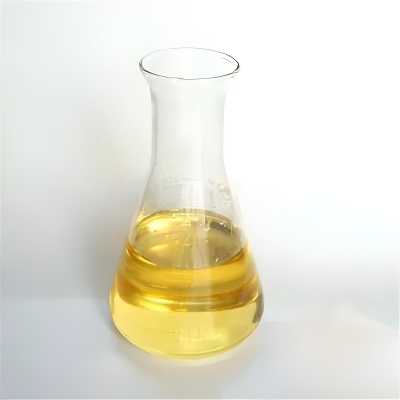

Industrial High Temperature Heat Transfer Oil Lubricant Additives Package
$4000.00 - $5000.00
MOQ: 1 Tons

Heat Transfer Oil-High Temperature Energy-Saving Synthetic Heat Transfer Oi
$2000.00 - $3800.00
MOQ: 1 Tons


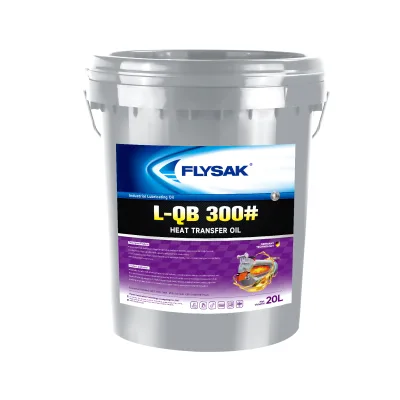
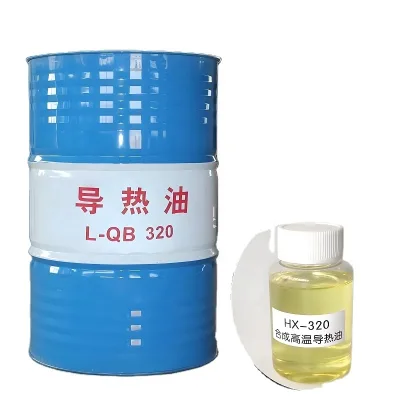

Comprehensive Sourcing Guide
Industrial Heat Transfer Oil Sourcing Guide
Procuring Industrial Heat Transfer Oil requires distinguishing between general lubricants and specialized thermal fluids designed for high-temperature stability. The market offers products with varying compositions, ranging from base oil formulations to those enriched with specific additives for enhanced performance. Buyers must carefully evaluate whether a supplier's offering is a standard compressor oil or a dedicated heat transfer fluid, as the functional requirements for thermal management differ significantly from simple mechanical lubrication.
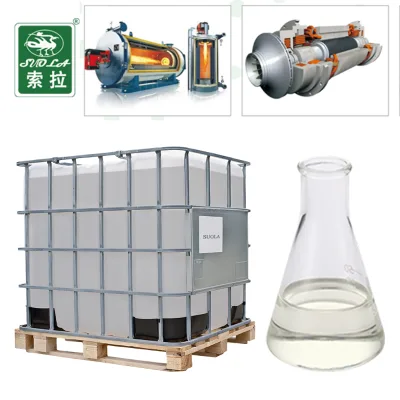
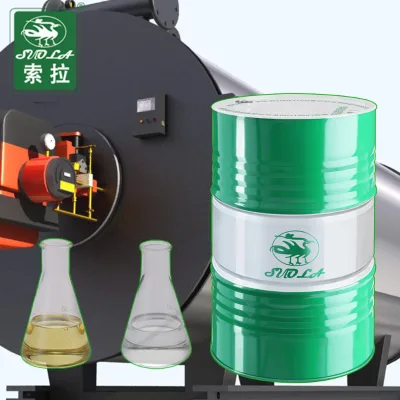
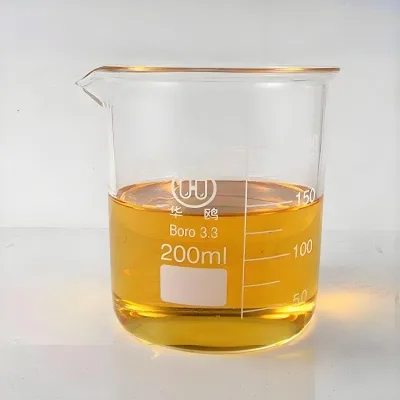
Verification of the product's physical state and color is a critical first step in the selection process. Observed listings indicate that these fluids typically appear as pale yellow transparent liquids, though some variations may present as standard yellow. Ensuring the product matches the expected visual characteristics helps confirm the integrity of the base stock and the absence of contamination, which is essential for maintaining consistent heat transfer efficiency in industrial machinery applications.
Product Scope and Observed Listing Signals
The available product scope encompasses a wide range of model numbers and packaging configurations, reflecting the diverse needs of industrial buyers. Listings frequently cite models such as LM-16, LM-15, and WD340, alongside specific variants like Bd22 and BDH. These identifiers often correlate with distinct viscosity grades or operating temperature ranges, necessitating that buyers cross-reference the specific model number against their system's thermal requirements before placing an order.
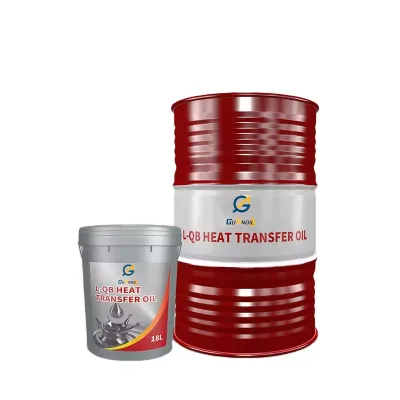
Packaging flexibility is a prominent feature in current listings, with suppliers offering options from small 5-liter containers to large 1000-liter drums or custom bulk solutions. This variability allows procurement teams to align inventory levels with production schedules, though it also introduces complexity in logistics planning. Buyers should confirm that the chosen packaging size supports their storage capabilities and that the supplier can accommodate custom labeling or logo design if brand consistency is a priority for their distribution channels.
Technical Specifications to Verify
Temperature stability is the most critical technical parameter for heat transfer oil, with some products claiming an operating range from -20°C to 340°C. This wide span suggests suitability for processes requiring both low-temperature fluidity and high-temperature thermal resistance. However, buyers must verify that the specific batch or model number they select actually meets these extreme conditions, as performance can vary significantly between different formulations and base oil types.
Viscosity and specific gravity are other essential metrics that influence pumpability and heat exchange efficiency. Data points such as a viscosity of 22cst at 40°C and a specific gravity of 0.91 provide a baseline for fluid behavior under standard conditions. Procurement teams should request current test reports to confirm these values, ensuring the fluid will flow correctly through their existing piping systems and heat exchangers without causing excessive pressure drops or thermal inefficiencies.
Compliance and Safety Documentation
Environmental protection is a key attribute for modern industrial fluids, with many suppliers explicitly stating that their products meet environmental safety standards. This claim is often supported by certifications such as RoHS and Reach, which indicate compliance with regulations regarding hazardous substances. Buyers should request valid certification documents to ensure the fluid does not contain restricted materials that could lead to regulatory violations or disposal complications in their specific jurisdiction.
Safety data sheets (SDS) and material safety documentation are mandatory for handling and storage compliance. While some listings mention antirust features and lubricating protection, these functional claims must be backed by comprehensive safety data. Procurement teams must verify that the supplier provides up-to-date SDS documents that detail the chemical composition, including the ratio of base oil to additives, to ensure safe handling procedures are established for their workforce and storage facilities.
Cost Drivers and Commercial Terms
Pricing in this sector exhibits significant variance, with observed ranges extending from nominal entry-level costs to substantial figures for specialized high-performance fluids. This disparity often reflects differences in base oil quality, additive packages, and the complexity of the manufacturing process. Buyers should analyze the total cost of ownership rather than just the unit price, considering factors such as fluid lifespan, thermal efficiency, and the frequency of required replacements.
Minimum order quantities (MOQ) and delivery timelines are major commercial variables that impact procurement strategy. Listings show MOQs ranging from single items to 20,000 units, with delivery times typically spanning 3 to 10 days for standard orders. Smaller buyers may face higher per-unit costs due to lower volume discounts, while large-scale operations must plan for lead times that could extend if custom packaging or specific model numbers are required.
Supplier Qualification and Quality Control
Supplier location and origin play a significant role in supply chain reliability, with major production hubs identified in regions like Guangdong and Anhui in China. These locations often host manufacturers capable of supporting OEM services and customization, but buyers must verify the specific factory's capacity to maintain consistent quality across large batches. Establishing a direct relationship with the manufacturing site can help mitigate risks associated with third-party trading companies.
Quality assurance processes should be a primary focus during supplier evaluation, particularly regarding the consistency of product specifications. Suppliers offering sample support allow buyers to test the fluid's performance in their own equipment before committing to large orders. It is essential to confirm that the supplier maintains a robust quality control system that ensures every batch meets the stated specifications for viscosity, color, and thermal stability, rather than relying solely on marketing claims.
Long-Term Procurement Checks
Sustaining a reliable supply chain requires regular audits of supplier performance and product consistency over time. Buyers should establish a schedule for periodic re-testing of the heat transfer oil to ensure that the fluid has not degraded or deviated from its original specifications during storage or transport. This proactive approach helps prevent unexpected equipment failures and ensures that the thermal management system continues to operate at peak efficiency.
Contractual agreements should include clear terms for customization, logo design, and packaging adjustments to accommodate future business needs. As industrial processes evolve, the ability to source fluids with specific additives or modified packaging becomes increasingly valuable. Procurement teams must ensure that their suppliers have the flexibility to adapt to these changing requirements without compromising on the core quality or safety standards of the heat transfer oil.
FAQs
What is the operating temperature range for this heat transfer oil?
The operating range spans from -20°C to 340°C, ensuring reliable performance in demanding industrial machinery applications. This wide thermal stability allows the fluid to maintain consistent viscosity and heat transfer efficiency across extreme conditions, making it suitable for various high-temperature processing equipment and compressor systems requiring durable thermal management solutions.
Can I customize the packaging and logo for bulk orders?
Yes, customization is available for both packaging and branding. You can select from standard sizes like 5L, 18L, 25L, 200L, or 1000L, or request custom packages. Additionally, the supplier accepts customized logo designs, allowing you to brand the product effectively for your specific market needs while maintaining professional presentation standards.
What certifications does the industrial heat transfer fluid hold?
The product holds RoHS and Reach certifications, confirming compliance with strict environmental and safety standards. These credentials ensure the fluid meets regulatory requirements for use in various international markets, providing assurance regarding material safety and environmental protection for industrial applications that require certified chemical components for machinery lubrication and heat transfer processes.
How long is the delivery time for sample and bulk orders?
The delivery time is typically 3-10 days, facilitating rapid turnaround for both sample requests and bulk production orders. This efficient lead time supports agile supply chain management, allowing buyers to quickly validate product quality through samples or receive necessary inventory for continuous industrial operations without significant delays in their manufacturing or maintenance schedules.
What is the minimum order quantity for these lubricating oils?
The minimum order quantity ranges from 1 to 20,000 units, offering flexibility for various business scales. This wide MOQ range accommodates small trial orders for quality assessment as well as large-scale industrial procurement, ensuring that buyers of all sizes can access the product without being constrained by excessive initial purchase requirements or inventory burdens.
Where are these heat transfer oils manufactured and shipped from?
The products originate from China, specifically from regions including Guangdong and Anhui provinces. This manufacturing base supports a wide variety of models and specifications, ensuring that buyers can access diverse industrial lubricating solutions. The centralized production in these areas facilitates efficient logistics and consistent quality control for global distribution and supply chain integration.