Source Industrial Handheld Ozone Gas Detector for Safety, Mining, and Labs
Find and compare 30 Industrial Handheld Ozone Gas Detector models from verified suppliers. Buyers can evaluate specifications like detection range, sensor life, and explosion-proof grades to select the right device for workplace safety applications.
Key considerations
Products List


Industrial Grade Ozone O3 Detector O3 Gas Analyzer Ozone Detector with Alarm
$200.00 - $1300.00
MOQ: 1 Pieces


Single Ozone Gas Detector Portable Handheld O3 Ozone Meter Detector Ozone
$59.00 - $90.00
MOQ: 1 Pieces

Gas Detection Sensor Natural Gas Leak Detector Portable Handheld Detector
$110.00 - $130.00
MOQ: 1 Pieces


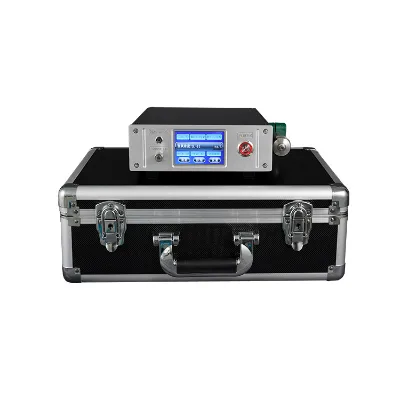

$98.42 - $278.19
MOQ: 1 Sets


Factory Direct Supply Handheld Ozone O3 Gas Detector with Import Sensor
$450.00 - $3000.00
MOQ: 1 Pieces


Comprehensive Sourcing Guide
Strategic Sourcing Guide for Industrial Handheld Ozone Gas Detectors
Procuring industrial handheld ozone gas detectors requires a disciplined approach that balances technical precision with rigorous supply chain verification. In the global market, these devices serve as critical safety instruments for environments where ozone (O3) concentrations can pose immediate health risks or trigger industrial process failures. The following guide synthesizes observed market data and technical requirements to assist procurement professionals in selecting reliable equipment without relying on unverified supplier claims.
Technical Specifications and Sensor Technology
The core of any effective gas detection strategy lies in the sensor technology and the specific operational parameters of the device. For ozone detection, electrochemical sensors are the industry standard due to their high sensitivity and selectivity. When evaluating potential units, buyers must verify the sensor type explicitly. Market observations indicate that specific models utilize electrochemical gas analyzer technology, which is essential for accurate ppm-level detection.
A critical specification to scrutinize is the detection range. In the current market, devices are available with ranges tailored to different safety thresholds. For instance, specific units are configured with a detection range of 0-20ppm, which is suitable for general occupational safety monitoring where low-level exposure is the primary concern. Conversely, other industrial applications may require broader ranges, such as 0-30%Vol for different gas types, though ozone typically requires the lower ppm range. Buyers should confirm that the selected unit's range aligns with the specific hazard levels of their facility.
Power requirements and battery life are equally vital for handheld units intended for continuous field use. The power source can vary significantly between models. Some units operate on a 3V Lithium Battery, while others utilize a 3.7V Rechargeable Lithium Battery. The distinction between a non-rechargeable and a rechargeable system impacts long-term operational costs and workflow continuity. Additionally, the working voltage must match the internal circuitry; for example, some industrial-grade fixed or portable hybrids may require DC 24V, whereas portable handhelds typically rely on internal battery packs.
Physical dimensions and weight are practical constraints for handheld devices. A compact form factor is often preferred for portability. Observed dimensions in the market include models measuring approximately 1556030mm or 10.9 x 5.6 x 3.8cm. Weight variations also exist, with some units weighing as little as 120g, while others, potentially featuring larger displays or additional accessories, may weigh approximately 300g. Procurement teams must ensure the device is light enough for extended wear without causing operator fatigue.
Compliance, Certification, and Explosion-Proof Standards
Safety compliance is non-negotiable in industrial environments, particularly where flammable gases or explosive atmospheres may coexist with ozone hazards. The explosion-proof grade is a primary indicator of a device's suitability for hazardous zones. Market data reveals a spectrum of explosion-proof ratings, ranging from Exibd Iict3 to Exdib Iic T3 and Exd Iict6. These designations refer to specific international standards regarding the device's ability to contain an internal explosion and prevent ignition of the surrounding atmosphere.
Buyers must verify that the explosion-proof grade matches the specific zone classification of their facility. For example, a device rated Exdib Iic T3 is suitable for certain Class I, Division 1 environments, while higher ratings like Exd Iict6 may be required for more stringent conditions. The "Iic" designation generally indicates suitability for hydrogen and acetylene environments, which often correlates with high-risk industrial settings.
In addition to explosion-proof ratings, general product certifications are essential for market entry and legal compliance. The CE mark is a widely observed certification in the current supply chain, indicating conformity with health, safety, and environmental protection standards for products sold within the European Economic Area. Other certifications, such as ISO, may also be present, though the specific scope of these certifications must be verified against the supplier's documentation.
Ingress Protection (IP) ratings define the device's resistance to dust and water. An IP66 rating, for instance, indicates that the device is dust-tight and protected against powerful water jets, making it suitable for harsh outdoor or wash-down environments. Buyers should demand proof of these ratings through third-party test reports rather than relying solely on marketing materials.
Cost Drivers and Pricing Structures
Understanding the cost structure of industrial gas detectors helps in budgeting and evaluating the value proposition of different suppliers. The observed price range in the market for these devices spans from approximately 59 USD to 5000 USD. This wide variance is driven by several factors, including the complexity of the sensor technology, the presence of additional features like pump sampling, and the level of certification.
Basic units with diffusion sampling and standard electrochemical sensors tend to fall on the lower end of the price spectrum. These units are often sufficient for general safety monitoring in non-hazardous or low-risk zones. In contrast, high-end models featuring pump-assisted sampling, digital signal outputs (such as 4-20mA), and advanced explosion-proof certifications command higher prices. The inclusion of accessories, such as detection probes and rubber protection cases, also influences the final cost.
Minimum Order Quantity (MOQ) is another critical cost driver. In the current market, many suppliers offer an MOQ of 1 unit, allowing for flexible procurement and pilot testing. However, buyers should be aware that bulk purchasing may unlock volume discounts, even if the base MOQ is low. The total cost of ownership should also account for sensor replacement cycles, as sensor life typically ranges from 2 to 5 years depending on the technology and usage conditions.
Typical Applications and Operational Environments
Industrial handheld ozone detectors are deployed across a diverse range of sectors, each with unique operational requirements. The primary application is in chemical manufacturing and processing plants where ozone is used as a disinfectant or oxidizing agent. In these environments, the risk of leaks is significant, and real-time monitoring is essential for worker safety.
Another key application area is water treatment facilities. Ozone is frequently used for disinfecting drinking water and wastewater. Handheld detectors are used during maintenance and leak checks in these facilities to ensure that ozone levels do not exceed permissible exposure limits. The ability of these devices to detect low concentrations, such as a low alarm threshold of 1ppm, is crucial in these settings.
The devices are also utilized in semiconductor manufacturing and pharmaceutical production, where high-purity environments are maintained. In these contexts, the devices must be robust against chemical exposure and capable of operating in controlled temperature ranges. The operating temperature range of -20 to +50 degrees Celsius is a common specification that ensures reliability in various climatic conditions.
Furthermore, emergency response teams rely on these handheld units for rapid assessment of gas leaks during industrial accidents. The alarm mechanisms, which often include vibration, light, and sound, are designed to alert operators immediately in noisy or visually obstructed environments. The specific alarm thresholds, such as a high alarm set at 10ppm or 23%Vol depending on the gas and model, must be configurable to match the specific safety protocols of the responding team.
Supplier Evaluation and Quality Assurance
Selecting the right supplier is as important as selecting the right device. Procurement teams should prioritize suppliers who provide transparent technical documentation and verifiable certifications. The origin of the product is a relevant factor; many industrial gas detectors are manufactured in China, with specific production hubs in cities like Nanjing. While origin does not inherently dictate quality, it can influence lead times and supply chain logistics.
When evaluating suppliers, buyers should request detailed product data sheets that confirm the specifications observed in the market. This includes verifying the sensor life, which is typically cited as 2-5 years for electrochemical sensors, and the warranty period, which is commonly 1 year. It is also essential to confirm the sampling method. While diffusion sampling is standard for many handheld units, some applications may require pump sampling for remote detection.
Quality control processes should be a prerequisite for supplier selection. Buyers should inquire about the manufacturer's internal testing procedures, particularly regarding the calibration of sensors and the integrity of the explosion-proof housing. The presence of a digital output signal type, such as 4-20mA, indicates a higher level of integration capability with existing safety systems, which is a sign of a more mature manufacturing process.
Long-Term Procurement and Maintenance Considerations
Long-term procurement strategies must account for the lifecycle of the gas detector. The sensor is the consumable component of the device, and its replacement is a recurring cost. Buyers should verify the availability of replacement sensors and the ease of the replacement process. A sensor life of 3-5 years is a common benchmark, but actual lifespan can vary based on exposure to high concentrations of gas or harsh environmental conditions.
Calibration is another critical maintenance activity. Devices with digital displays and alarm features require regular calibration to ensure accuracy. Procurement contracts should include provisions for calibration services or the availability of calibration gases. The inclusion of accessories like rubber protection cases and detection probes in the initial purchase can extend the device's lifespan by protecting it from physical damage.
Finally, buyers should consider the customization options available. While many units are standard, some suppliers offer customization for specific alarm thresholds or display languages. However, customization can impact lead times and costs. For most standard applications, non-customized units with standard specifications are the most efficient choice. By focusing on these long-term factors, procurement teams can ensure a reliable and cost-effective gas detection strategy that prioritizes safety and operational continuity.
FAQs
What sensor technology is used for ozone detection?
These devices typically use electrochemical gas analyzer technology for accurate detection. This sensor type provides high sensitivity and selectivity for measuring ozone concentrations in ppm ranges suitable for occupational safety monitoring.
Can the device operate in hazardous environments?
Yes, many units feature explosion-proof grades like Exibd Iict3 or Exdib Iic T3. These ratings ensure the device can safely operate in environments where flammable gases or explosive atmospheres may coexist with ozone hazards.
What is the typical detection range for ozone?
Common models offer a detection range of 0-20ppm for general safety monitoring. This range is suitable for detecting low-level exposure risks in industrial settings where ozone is used as a disinfectant or oxidizing agent.
How long does the sensor last before replacement?
The sensor life typically ranges from 2 to 5 years depending on the technology. Electrochemical sensors generally fall within this lifespan, though actual duration can vary based on exposure conditions and usage frequency.
What power source does the portable unit use?
Portable units often operate on a 3V or 3.7V rechargeable lithium battery. This internal power source allows for continuous field use without the need for external wiring, ensuring mobility for operators.
Are there specific alarm features for safety alerts?
Devices include vibration, light, and sound alarm methods to alert operators immediately. Specific thresholds like a low alarm at 1ppm and high alarm at 10ppm help ensure timely response to gas leaks.
What certifications do these detectors typically hold?
Many units carry CE certification indicating conformity with European safety standards. Additional certifications like ISO may also be present, verifying the product meets specific quality and safety requirements for industrial use.