Source Industrial Rail Modbus RTU for Automation, Monitoring, and Control
Find 30 Industrial Rail Modbus RTU devices suitable for factory automation, environmental monitoring, and process control. Compare specifications like DIN rail mounting, RS485 connectivity, and power inputs to select the right components for your system; compare the available evidence and request quotations based on your requirements.
Key considerations
Products List
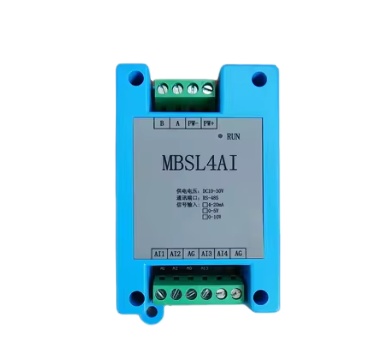
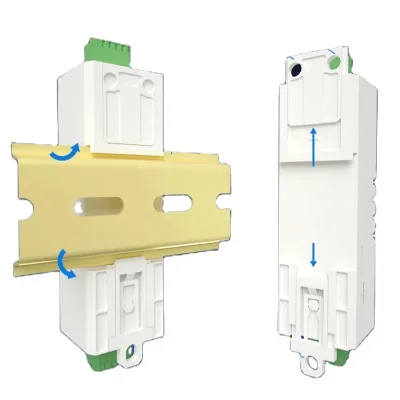
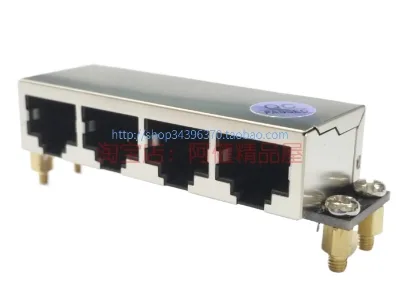
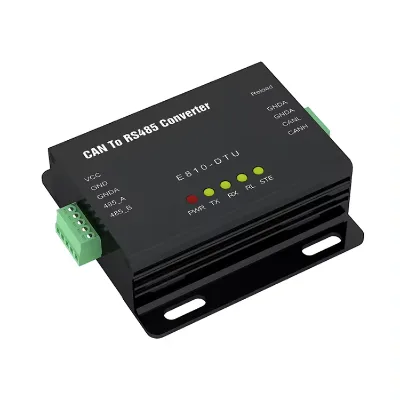
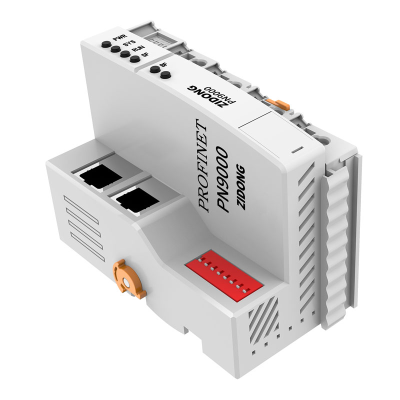


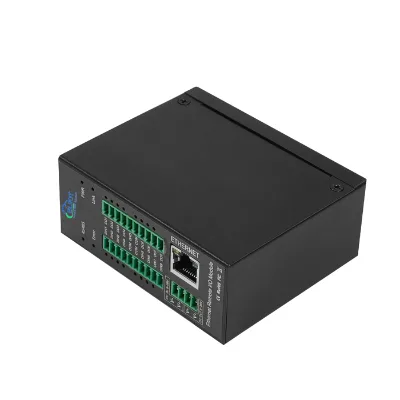
Industrial-Grade Modbus Remote I/O Module with 8RTD Inputs for Temperature Sensing
$120.00 - $140.00
MOQ: 1 pieces


Comprehensive Sourcing Guide
Industrial Rail Modbus RTU Sourcing Guide
Procuring industrial rail-mounted devices with Modbus RTU capabilities requires a clear understanding of the specific communication protocols and physical mounting standards available in the current market. Buyers must distinguish between simple data loggers and complex bus adapters that support EtherNet/IP or multiple digital input channels, as the internal architecture dictates compatibility with existing PLC systems. The observed product landscape includes units ranging from basic pressure transmitters to sophisticated I/O couplers, each serving distinct automation needs within a factory floor environment.
Selection criteria should prioritize the physical interface and power requirements to ensure seamless integration with existing infrastructure. Many units feature 35mm DIN rail installation methods and operate on DC power supplies ranging from 9V to 36V, which aligns with standard industrial control panel designs. However, the presence of specific communication ports, such as RS485 or RJ45 Ethernet interfaces, varies significantly between models, necessitating a careful review of the technical datasheet before finalizing any purchase order to avoid integration failures.
Product Scope and Observed Listing Signals
The market for these devices spans a wide spectrum of functionalities, from single-item pressure transmitters to multi-channel digital input/output couplers. Listings indicate a diverse range of specifications, including models with 8-channel digital inputs, 16-channel inputs, and various output configurations like PNP or NPN types. Buyers should expect to encounter products with different housing materials, such as stainless steel or metal enclosures, designed to withstand harsh industrial environments while maintaining structural integrity during operation.
Pricing and minimum order quantities (MOQ) exhibit significant variance, reflecting the complexity of the internal components and the level of customization offered. Observed price points range from approximately $2.20 to $420, with MOQs starting as low as one unit but extending up to 5,000 units for bulk industrial deployments. This disparity suggests that buyers must clearly define their volume requirements and specific functional needs, such as the need for Hart protocol support or specific accuracy grades, to navigate the market effectively without overpaying for unnecessary features.
Technical Specifications to Verify
Verifying the communication protocol implementation is critical, as the core keyword specifies Modbus RTU, yet many devices also support Modbus TCP or MQTT for broader network integration. Buyers must confirm the exact electrical connection standards, such as DIN43650 or cable outlets, and ensure the device supports the required voltage ranges, typically 3-8VDC or 8-30VDC for certain transmitters, and 12-45VDC for others. The presence of specific ports, like one RJ45 Ethernet port and one RS485 serial port, should be cross-referenced against the intended network topology to guarantee reliable data transmission.
Physical and environmental specifications must also be rigorously checked to ensure the device can operate within the intended site conditions. Key parameters include the working temperature range, which can vary from -40°C to 80°C for PVC probe models, and the ambient temperature limits of -10°C to 55°C for other units. Additionally, the overload capacity, often rated at 1.5 times the full scale, and the accuracy grade, such as 0.5G, are vital for applications requiring high precision, while the housing material, whether SS304 or SS316L, determines resistance to corrosion and chemical exposure.
Compliance and Safety Documentation
Ensuring that the selected equipment meets relevant safety and quality certifications is a non-negotiable step in the procurement process. The market data indicates that many products carry CE certification, which is essential for compliance with European safety standards and often serves as a baseline for global acceptance. Buyers should request valid certification documents from the supplier to verify that the device has undergone rigorous testing for electrical safety, electromagnetic compatibility, and environmental resilience before deployment in a critical industrial setting.
Beyond general certifications, specific documentation regarding the device's construction and operational limits must be reviewed to mitigate liability and ensure operational safety. This includes verifying the protection level, such as IP30, and confirming the installation method, which is typically a 35mm standard DIN rail setup. Buyers must also ensure that the product documentation clearly outlines the power consumption, which should be less than 5W for efficient operation, and confirms the communication distance capabilities, often up to 1km, to prevent signal degradation in large-scale installations.
Cost Drivers and Commercial Terms
The final cost of an Industrial Rail Modbus RTU device is heavily influenced by the complexity of its internal architecture and the level of customization required. Units featuring multiple digital channels, advanced communication protocols like Hart, or specialized housing materials like SS316L generally command higher prices compared to basic single-function transmitters. Buyers should analyze the total cost of ownership, including the potential need for custom packaging or specific model numbers like HPM185 or M340T, which may incur additional setup or tooling fees.
Commercial terms, particularly regarding minimum order quantities and lead times, play a significant role in budgeting and supply chain planning. While some suppliers offer single-item purchasing options, others may require bulk orders of up to 5,000 units to achieve optimal pricing tiers. It is essential to clarify the supplier type, whether they are an original manufacturer or a distributor, as this impacts the warranty terms and the availability of technical support. Buyers should also consider the single gross weight and package dimensions, such as 22x11x8 cm, when calculating shipping costs and storage requirements.
Supplier Qualification and Quality Control
Selecting a qualified supplier is paramount to ensuring the reliability and longevity of the procured industrial automation components. Buyers should prioritize suppliers who identify as "Original" manufacturers, as this often correlates with better quality control processes and direct access to technical expertise. The origin of the product, frequently listed as Guangdong or Jiangsu in China, should be verified to ensure the manufacturing facility adheres to consistent production standards and has a proven track record in the industrial electronics sector.
Quality control measures must be explicitly defined in the procurement agreement to safeguard against defects and performance inconsistencies. Buyers should request evidence of the supplier's adherence to specific standards, such as those outlined in the product documentation, and verify the accuracy of the claimed specifications through independent testing if necessary. The availability of customization services, including specific model numbers or packing requirements, should be confirmed to ensure the final product meets the exact operational needs of the facility without compromising on quality or safety.
Long-Term Procurement Checks
Establishing a robust long-term procurement strategy involves regular audits of the supplier's ability to maintain consistent product quality and availability. Buyers should monitor the supplier's response to any changes in product specifications, such as updates to the communication protocol or housing materials, to ensure that future orders remain compatible with existing systems. Regular reviews of the supplier's certification status and adherence to industry standards are essential to maintain compliance and mitigate the risk of supply chain disruptions.
Performance monitoring of the deployed devices is equally critical for identifying potential issues before they escalate into costly failures. Buyers should track key performance indicators such as power consumption, communication distance reliability, and the device's ability to withstand environmental stressors like temperature fluctuations and mechanical overload. By maintaining a detailed record of these metrics and comparing them against the original specifications, organizations can make informed decisions regarding maintenance schedules, replacement cycles, and future procurement needs.
FAQs
What communication protocols does the BLIIOT M340T support?
The BLIIOT M340T supports Modbus RTU, Modbus TCP, and MQTT protocols. It features one RJ45 Ethernet port and one RS485 serial port for versatile connectivity. This device is designed for industrial automation applications, allowing seamless integration into existing network infrastructures while providing reliable data transmission across different system requirements.
How is the M340T installed on industrial equipment?
The M340T utilizes a 35mm standard DIN rail installation method for secure mounting. It features a metal housing with an IP30 protection level. The compact single package size is 22x11x8 cm, and the unit weighs 1.000 kg. This design ensures easy integration into control panels and industrial racks without requiring complex mounting hardware.
What power supply requirements does the M340T have?
The M340T operates on a DC 9-36V power supply input. It consumes less than 5W of power during normal operation. The device is classified as an original supplier type product. This wide voltage range ensures compatibility with various industrial power systems, providing stable performance for continuous monitoring and control tasks in demanding environments.
Can the Industrial Rail Modbus RTU devices be customized?
Yes, customization is available for these industrial automation components. Products originate from Guangdong and Jiangsu, China, with CE certification. Specifications include various digital input and output channels. Buyers can request specific configurations to meet unique operational needs, ensuring the hardware aligns precisely with their industrial automation infrastructure and control system requirements.
What is the accuracy grade of the pressure transmitters?
The pressure transmitters feature an accuracy grade of 0.5G. They are available as normal pressure transmitters with diffused silicon pressure sensing. The housing is constructed from SS304 or SS316L materials. These specifications ensure precise measurement capabilities for industrial applications, providing reliable data output for process control and monitoring systems.
What are the working temperature limits for the PVC probe?
The PVC probe operates within a working temperature range of -40 to 80 degrees Celsius. The ambient temperature for the device is rated between -10 and 55 degrees Celsius. These thermal limits ensure reliable performance in diverse environmental conditions. The robust construction supports continuous operation in industrial settings where temperature fluctuations are common and must be managed effectively.