Source Industrial Raspberry Pi Computers for Automation
Find and compare 30 Industrial Raspberry Pi Computer options from verified suppliers. Evaluate specifications such as RAM, storage, and connectivity to select the right embedded solution for your manufacturing or IoT deployment needs; compare the available evidence and request quotations based on your requirements.
Key considerations
Products List
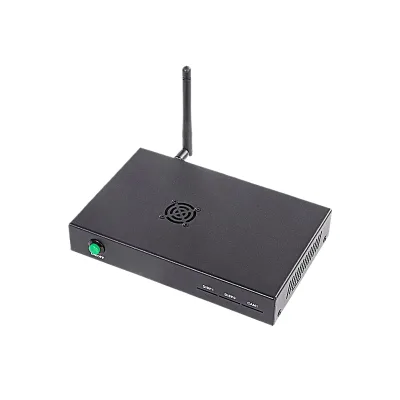


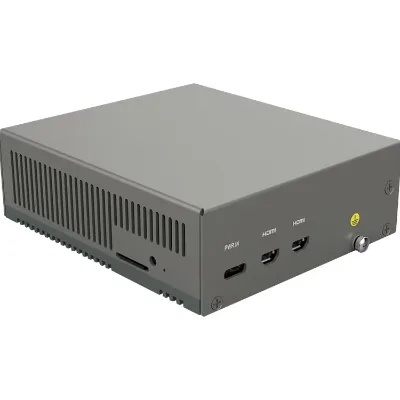


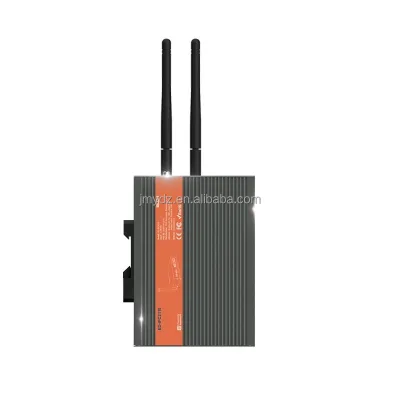


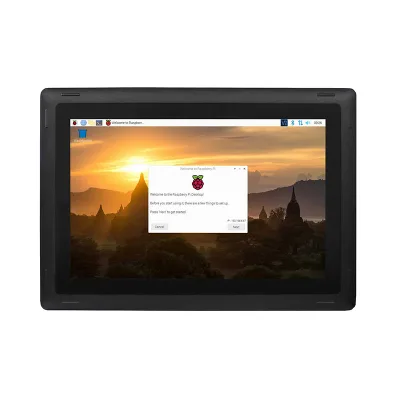

Raspberry Pi Single Board Computer Rock Pi 4b Arm Cortex Six Core Sbc.
$59.00 - $79.00
MOQ: 100 Pieces


Industrial Computer Ipc for Desktop Computing with Industrial Application Support
$450.00 - $600.00
MOQ: 1 Pieces


PC Industrial Computer Ipc for Personal Computing with Rack Deployment Support
$350.00 - $800.00
MOQ: 1 Pieces


Comprehensive Sourcing Guide
Industrial Raspberry Pi Computer Sourcing Guide
Procuring industrial-grade Raspberry Pi computers requires distinguishing between consumer variants and ruggedized systems designed for harsh environments. The market offers diverse configurations, ranging from standard single-board computers to specialized carrier boards like the CM4 IO module, which integrates the compute module with essential I/O interfaces. Buyers must carefully evaluate whether a listed product is a bare board or a complete industrial computer system, as the latter often includes expanded storage, specific cooling solutions, and reinforced chassis for deployment in factories or outdoor kiosks.
Verification of the specific model number is critical because generic listings often conflate different generations and form factors. While some suppliers list standard Raspberry Pi 4 Model B units, others provide industrial variants based on the CM4 compute module or even newer architectures like the Raspberry Pi 5. The distinction impacts compatibility with existing industrial protocols and the availability of specific expansion slots, such as Mini PCIe, which are essential for adding cellular modems or specialized I/O cards in demanding automation scenarios.
Product Scope and Observed Listing Signals
The observed product landscape includes a wide spectrum of hardware, from basic development boards to fully integrated industrial computers with solid-state drives and extended temperature ranges. Listings frequently mention specific attributes like 2GB or 4GB RAM configurations, alongside storage capacities up to 128GB SSD, indicating a shift toward self-contained edge computing nodes. Buyers should note that some entries describe "Evaluation Modules" or "Demo Boards," which are intended for prototyping rather than long-term deployment, and must be differentiated from production-ready units with industrial-grade components.
Geographic origin and packaging details serve as key signals for supply chain reliability and logistics planning. Many industrial units originate from manufacturing hubs in Guangdong, China, yet some specifications reference UK origins for the core compute module, reflecting the global supply chain of these devices. Packaging varies from simple PP bags for bare boards to robust cartons for complete systems, and the single gross weight often hovers around 0.8 kg for individual modules, influencing shipping costs and handling requirements for bulk procurement orders.
Technical Specifications to Verify
Technical due diligence must focus on the physical interface and environmental resilience of the hardware. Critical specifications include the presence of dual HDMI and VGA ports for multi-display setups, alongside a specific count of USB 3.0 and 2.0 ports for peripheral connectivity. The operating temperature range is a vital differentiator, with some industrial units rated for environments between -20°C and -70°C, a stark contrast to standard consumer electronics that typically fail outside a narrow 0°C to 40°C window.
Memory and storage architecture define the system's capability to run complex industrial applications without latency. Buyers should verify the RAM configuration, which can range from 1GB to 8GB depending on the specific model, and confirm the storage medium, whether it is an onboard SSD or a slot for expansion. The presence of a Mini PCIe slot allows for significant system expansion, enabling the integration of specialized communication modules or storage controllers that are essential for maintaining data integrity in continuous operation environments.
Compliance and Safety Documentation
Regulatory compliance is non-negotiable for industrial deployments, particularly regarding electromagnetic compatibility and material safety. Products often carry certifications such as RoHS, which restricts hazardous substances, and CCC, indicating compliance with Chinese safety standards for domestic and export markets. While some listings mention ISO standards, buyers must request specific test reports to confirm that the device meets the regulatory requirements of the target market, as generic claims do not guarantee adherence to local electrical safety codes.
Material composition and manufacturing processes also play a role in long-term reliability and safety. The base material is typically FR-4, a standard for multilayer printed circuit boards, with tin coating on metal components to prevent corrosion. The production mode, often Surface Mount Technology (SMT), ensures high precision and consistency in assembly. However, buyers should verify that the specific batch of hardware has undergone rigorous quality control testing to ensure that the soldering and component placement meet industrial durability standards rather than just consumer-grade tolerances.
Cost Drivers and Commercial Terms
Pricing in this sector is highly variable, driven by the complexity of the enclosure, the capacity of the storage, and the inclusion of industrial-grade components. The observed price range spans from approximately $1.03 for basic components to $800 for fully integrated industrial systems with extensive I/O and ruggedized casings. This disparity reflects the difference between a bare development board and a turnkey solution that includes a custom carrier board, power supply, and pre-installed operating system optimized for industrial use.
Minimum Order Quantities (MOQ) and lead times significantly impact the total cost of ownership and project timelines. Listings indicate MOQs ranging from a single unit to 100 units, allowing flexibility for prototyping or small-batch production runs. Buyers must clarify whether the quoted price includes custom packaging, specific firmware configurations, or extended warranty services, as these value-added services often justify higher unit costs. Understanding the trade-off between unit price and volume discounts is essential for budgeting large-scale deployments.
Supplier Qualification and Quality Control
Supplier selection should prioritize those who demonstrate transparency in their manufacturing processes and component sourcing. The presence of a "Customized" attribute in listings suggests that the supplier offers tailored solutions, such as specific PCB layouts or pre-loaded software, which requires a robust engineering support team. Buyers should verify the supplier's ability to provide detailed technical documentation, including schematics and pinout diagrams, to ensure seamless integration with existing industrial control systems.
Quality control mechanisms must be explicitly defined before placing an order, especially for applications requiring high availability. Suppliers utilizing SMT processes should provide evidence of their in-line testing protocols to minimize defect rates. It is crucial to confirm that the "New" condition of the products is guaranteed and that the packaging, whether standard or custom, protects the sensitive electronics during transit. Establishing a clear protocol for handling defective units and returns is equally important for maintaining operational continuity.
Long-Term Procurement Checks
Sustaining an industrial deployment requires a strategy for component lifecycle management and future-proofing. The rapid evolution of computing hardware means that suppliers must guarantee the availability of spare parts and compatible accessories for several years. Buyers should inquire about the supplier's policy on obsolescence and whether they offer migration paths to newer models, such as moving from a Raspberry Pi 4 to a Raspberry Pi 5 based system, without requiring a complete redesign of the application.
Documentation and support channels are critical for troubleshooting and maintenance over the product's lifespan. Reliable suppliers provide comprehensive manuals, driver support, and access to a community or dedicated technical team for resolving integration issues. The ability to customize the product, such as modifying the base material or adding specific metal coatings, can extend the operational life of the hardware in corrosive or high-vibration environments. Establishing a long-term partnership with a supplier who understands these industrial nuances ensures the stability of the entire automation ecosystem.
FAQs
What is the typical RAM configuration for industrial Raspberry Pi computers?
Industrial Raspberry Pi computers typically offer RAM options of 1GB, 2GB, or 4GB depending on the specific model selected. Higher capacity variants, such as certain industrial-grade boards, may support up to 8GB of RAM to handle demanding computational tasks. Buyers should verify the exact memory specification against their application requirements before procurement to ensure adequate processing power for continuous operation.
Can industrial Raspberry Pi computers be customized for specific applications?
Yes, many industrial Raspberry Pi computers support customization to meet unique operational needs. Manufacturers often provide options for tailored packaging, specific interface configurations, and specialized mounting solutions. Buyers can request customizations such as modified I/O layouts or enhanced thermal management systems. It is advisable to confirm the availability and lead time for customized units directly with the supplier during the sourcing phase.
What storage options are available for industrial Raspberry Pi systems?
Industrial Raspberry Pi systems commonly support various storage solutions, including 128GB SSDs and other flash storage media. Some models feature expansion slots like Mini PCIe for additional storage or connectivity upgrades. The choice of storage depends on the required data retention and speed. Buyers should check the specific model's storage capacity and interface compatibility to ensure it aligns with their industrial data logging or processing requirements.
Which certifications are standard for industrial Raspberry Pi development boards?
Industrial Raspberry Pi development boards often carry certifications such as RoHS, CCC, and ISO to ensure compliance with safety and environmental standards. These certifications indicate that the base materials and manufacturing processes meet specific regulatory requirements. Buyers should request certification documents from suppliers to verify compliance, especially when deploying equipment in regions with strict industrial safety regulations or environmental protection laws.
How does the operating temperature range affect industrial Raspberry Pi selection?
The operating temperature range is critical for industrial applications, with some units rated for environments between -20°C and 70°C. Standard consumer boards may not withstand such extremes, making industrial-grade variants essential for harsh conditions. Buyers must verify the specified storage and operating temperature ranges to prevent hardware failure. Selecting a board with an appropriate thermal rating ensures reliable performance in varying environmental conditions.
What display interfaces are commonly found on industrial Raspberry Pi computers?
Industrial Raspberry Pi computers frequently include versatile display interfaces such as VGA and HDMI ports. Some models offer one VGA and one HDMI output to support dual-monitor setups or legacy display equipment. These interfaces allow for direct connection to industrial control panels or monitoring screens. Buyers should confirm the number and type of display ports available on the specific model to ensure compatibility with their existing visual output infrastructure.