Source Network Serial to Ethernet Converter for Server, Workstation, and Computer
Explore 30 options for the Network Serial to Ethernet Converter to bridge legacy RS232, RS485, and RS422 devices with modern TCP/IP networks. Compare industrial media converters, fiber transceivers, and USB adapters for server, workstation, and computer integration; compare the available evidence and request quotations based on your requirements.
Key considerations
Products List


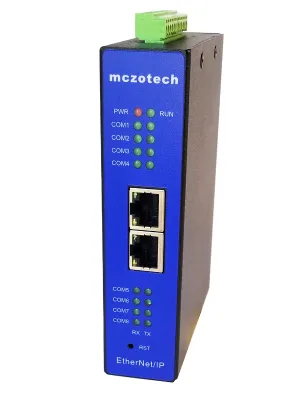
TCP/IP 10/100m Industrial Ethernet to Serial 4 Ports 232/485 Converter
$139.99 - $179.99
MOQ: 500 Pieces




Comprehensive Sourcing Guide
Network Serial to Ethernet Converter Sourcing Guide
Buyers seeking network serial to ethernet converters must first distinguish between wired and wireless integration models, as observed listings indicate both integrated wiring and standalone wireless configurations are available. The product scope encompasses devices designed to bridge legacy serial interfaces like RS232, RS485, and RS422 with modern Ethernet LANs, supporting applications in telephone, mobile phone, server, workstation, and computer environments.
Procurement teams should verify whether the specific unit supports TCP/IP protocols or acts as a simple media converter, as the observed data highlights solutions ranging from basic serial adapters to advanced industrial media converters. Understanding the distinction between a fiber transceiver and a direct serial-to-ethernet dongle is critical, as the intended deployment environment dictates whether a ruggedized industrial form factor or a compact desktop adapter is required.
Product Scope and Observed Listing Signals
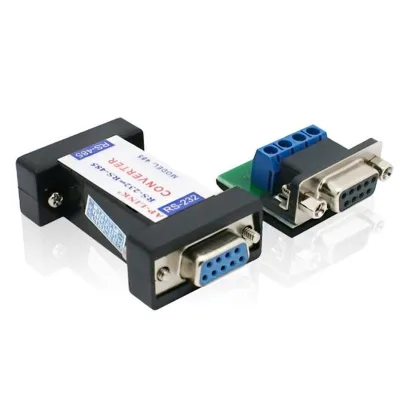
The market presents a wide variance in product names and functional descriptions, including items labeled as RS485 to Ethernet converters, fiber transceivers, and industrial media converters. Buyers must carefully cross-reference the product name against the actual specification, noting that some listings describe USB to RS485 serial dongle adapters while others refer to full industrial solutions capable of converting Modbus RTU protocols automatically.
Observations indicate that customization is a standard feature, with many suppliers offering tailored packing solutions and specific model numbers like TP305 or TP2504 to meet unique integration needs. Procurement professionals should expect to encounter products with varying input types, such as differential inputs, and should confirm if the device supports the specific baud rates required for their existing infrastructure, which typically range from 2400 to 115200.
Technical Specifications to Verify
Technical due diligence requires confirming the operating temperature range, as industrial-grade units observed in the market are rated for environments spanning from -40℃ to 85℃. Buyers must verify the power supply requirements, noting that many serial to ethernet converters operate on a standard 5V input, which simplifies integration with existing power distribution systems in workstations and servers.
It is essential to validate the resolution and integration capabilities, particularly for applications requiring high-precision data handling where 12-bit resolution and thick film IC techniques are utilized. Procurement teams should also check the physical shape and conductive type, ensuring the device matches the mechanical constraints of the installation site, whether it is a flat industrial can bus setup or a standard carton box configuration.
Compliance and Safety Documentation
Compliance verification is a primary step, as the observed product listings frequently cite certifications such as RoHS and CE, with some advanced industrial models also carrying ISO certification. Buyers must request current certification documents to ensure the device meets the regulatory requirements of the destination market, as these standards are critical for legal importation and safe operation in commercial facilities.
Safety documentation should also address the specific electrical standards and manufacturing conditions, ensuring the product is new and not refurbished. Procurement teams must confirm that the supplier adheres to the stated standards, such as customized or factory standard packing, to guarantee that the device arrives in a condition suitable for immediate deployment without additional protective measures.
Cost Drivers and Commercial Terms
Cost structures for network serial to ethernet converters are influenced by the level of customization, the complexity of the protocol conversion, and the specific model specifications like fiber or TCP capabilities. Buyers should anticipate a wide price range, with observed listings spanning from low-cost adapters to high-end industrial media converters, necessitating a clear definition of functional requirements before requesting quotes.
Commercial terms often include flexible minimum order quantities, with observed ranges starting from a single unit up to 500 units depending on the supplier and product type. Procurement professionals must clarify whether the price includes custom packing or specific industrial bus communication solutions, as these value-added services can significantly impact the total landed cost and the overall budget for the project.
Supplier Qualification and Quality Control
Supplier qualification should focus on the origin of the product, with a significant portion of observed listings originating from China, specifically Shenzhen, which is a major hub for electronic manufacturing. Buyers must verify the supplier's ability to provide consistent quality control, ensuring that the "new" condition of the products is maintained throughout the supply chain and that the integration of GSI or other proprietary technologies is reliable.
Quality control processes must be validated to ensure that the devices meet the specified operating parameters, such as the correct conductive type and input type for the intended application. Procurement teams should request evidence of the manufacturing process, including the use of thick film ICs and the adherence to specific standards, to mitigate the risk of receiving non-compliant or substandard units.
Long-Term Procurement Checks
Long-term procurement strategies require establishing a clear protocol for verifying the continued availability of specific models like the TP305 or TP2504, as product lifecycles can vary significantly in the electronics sector. Buyers should maintain a relationship with suppliers who offer supported customization and can provide updates on firmware or hardware revisions that may affect the Modbus RTU protocol conversion capabilities.
Regular audits of the supply chain are necessary to ensure that the product origin and certification status remain consistent over time. Procurement teams must also monitor the lead times and production capacity, especially for customized orders, to prevent disruptions in the deployment of critical infrastructure components like industrial media converters and serial line adapters.
FAQs
What protocols does the converter support?
The device supports RS232, RS485, and RS422 serial protocols. It converts these signals to Ethernet LAN for data transmission. This allows seamless integration with industrial systems. The solution handles TCP/IP to serial conversion efficiently. It ensures reliable communication across different network environments.
Can I customize the product packaging?
Yes, customization is available for product packaging. You can choose from factory standard options or request specific carton box designs. The supplier supports tailored packing solutions to meet your logistics needs. This flexibility helps protect the equipment during shipping and storage.
What certifications does the converter have?
The converter holds RoHS, CE, and ISO certifications. These ensure compliance with international safety and environmental standards. The CE mark confirms adherence to European regulatory requirements. RoHS certification indicates restricted hazardous substances are not used. This makes the product suitable for global industrial deployment.
What is the operating temperature range?
The operating temperature range is -40°C to 85°C. This wide range ensures reliable performance in harsh industrial environments. The device maintains stability under extreme heat or cold conditions. It is designed for continuous operation in demanding settings. This durability supports long-term use in various applications.
Where is the product manufactured?
The product is manufactured in China, specifically in Shenzhen. This location is a major hub for electronics production. The origin ensures access to advanced manufacturing capabilities. Buyers can source directly from this established industrial region. The location supports efficient supply chain management and logistics.
What power supply does the device use?
The device uses a 5V power supply. This low voltage ensures safe and efficient operation. It is compatible with standard industrial power sources. The power requirement is minimal, reducing energy consumption. This makes the converter suitable for various power setups.