Source Industrial Solar Array Mounting Structure for ground, roof, and commercial sites
Find 21 options for Industrial Solar Array Mounting Structure designed for ground, flat roof, and commercial applications. Buyers can compare steel and aluminum alloy models with certifications like ISO and CE to match specific wind and snow load requirements.
Key considerations
Products List


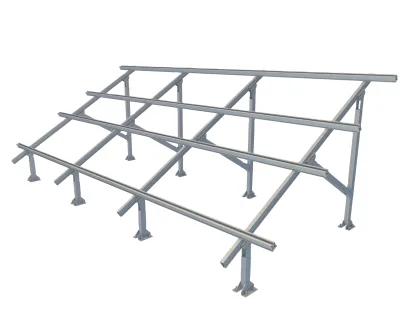


500kw 1MW Installation Plant Brackets Solar Array Ground Mount System
$1.40 - $1.80
MOQ: 30 Kiowatt/Kiowatts


Comprehensive Sourcing Guide
Strategic Sourcing Guide for Industrial Solar Array Mounting Structures
Procuring industrial solar array mounting structures requires a rigorous approach that balances technical performance, regulatory compliance, and supply chain reliability. The industrial sector demands systems capable of withstanding extreme environmental loads while maintaining structural integrity over decades of operation. Buyers must navigate a complex marketplace where material composition, surface treatments, and certification standards vary significantly between suppliers. This guide outlines the critical factors for sourcing these essential components, ensuring that procurement decisions are grounded in verifiable data and industry best practices rather than marketing assertions.
Technical Specifications and Material Composition
The foundation of any reliable solar mounting system lies in its material composition and structural design. In the industrial sector, the primary materials observed in the market include steel and aluminum alloys. Steel-based systems often feature hot-dip galvanized surface treatments to ensure corrosion resistance, particularly in harsh environments. Aluminum alloy structures are also prevalent, offering a lightweight alternative that is naturally resistant to oxidation. Buyers must verify the specific alloy grades and thicknesses, as these directly influence the load-bearing capacity and longevity of the installation.
Structural configurations vary based on the installation site. Common types include ground brackets for flat terrain and roof brackets designed for flat or tilt roofs. The market offers specific models such as the BWTD-02 for general industrial applications, as well as specialized units like the LHT-GM series and GM-01. When evaluating technical specifications, attention must be paid to the rail types available, which typically include C channels, U channels, or railess designs. The choice of rail type impacts the ease of panel installation and the overall wind load distribution. Furthermore, the system must accommodate specific load requirements. Observed data indicates wind load capacities reaching 60 m/s and snow load ratings around 1.4 to 1.5 kN/m², though these figures are model-specific and must be validated against local building codes.
Compliance and Certification Verification
Certification is a non-negotiable aspect of industrial procurement, serving as proof that a product meets international safety and quality benchmarks. The supply chain for solar mounting structures is populated with products holding various certifications, including ISO, GB, CE, and TUV. A robust supplier portfolio often displays a combination of these, such as CE, TUV, and ISO, or specifically ISO9001, ISO14001, and OHSAS18001 for comprehensive management system compliance.
Buyers should not assume that a single certification covers all regulatory requirements. Instead, they must cross-reference the supplier's documentation with the specific standards required by the project location. For instance, while ISO standards provide a baseline for quality management, local standards like GB (Guobiao) may be mandatory for projects within China. Additionally, specific structural standards such as UL2703 or ISO 9001 are often referenced in the industry, though their applicability depends on the specific product line and regional regulations. It is critical to request current, valid certificates rather than relying on generic claims. The presence of a certification does not automatically guarantee that every batch of products meets the standard; therefore, verification of the specific product model against the certificate is essential.
Cost Drivers and Economic Considerations
The cost of industrial solar mounting structures is influenced by a complex interplay of factors, including raw material prices, manufacturing processes, and logistics. Steel and aluminum prices fluctuate based on global commodity markets, directly affecting the final unit price. The observed price range in the market spans from $0.01 to $3,500, a vast disparity that reflects differences in system scale, material quality, and customization levels. A low unit price may indicate a smaller component or a less robust design, whereas higher costs often correlate with heavy-duty industrial systems featuring advanced surface treatments.
Customization is a significant cost driver. While many suppliers offer standard configurations, the availability of OEM/ODM support allows for tailored solutions that can increase project efficiency but also raise costs. Surface treatments like hot-dip galvanization or anodizing add to the manufacturing expense but are crucial for extending the service life, which is often cited as 20 years for high-quality systems. Additionally, packaging requirements, such as wooden pallets, steel pallets, or custom cartons, impact shipping costs. Buyers must evaluate the total cost of ownership, considering that a cheaper system with a shorter lifespan or higher maintenance needs may prove more expensive over the project's lifecycle.
Typical Applications and Site Suitability
Industrial solar mounting structures are deployed across a diverse range of environments, each presenting unique challenges. The primary application categories include commercial and industrial sites, with specific designs for ground-mounted arrays and roof-mounted systems. Ground mounting systems, such as the Ground Solar Structure, are ideal for large-scale solar farms where space is abundant and terrain can be leveled. These systems often utilize steel or aluminum alloys and are designed to handle high wind and snow loads.
Roof mounting solutions, including the Metal Roof Solar Panel Structure and L Feet components, are tailored for commercial buildings with flat or tilted roofs. These systems must integrate seamlessly with existing roof structures without compromising waterproofing or structural integrity. The ability to customize the mounting angle is a key feature for optimizing energy generation based on the site's latitude and orientation. Furthermore, the product origin, whether from Tianjin, Zhengzhou, Xiamen, or Jiangsu, can influence the suitability of the product for specific regional climates, as local manufacturers may have more experience with regional weather patterns and building codes.
Supplier Evaluation and Quality Control
Selecting a reliable supplier requires a deep dive into their manufacturing capabilities and quality control processes. The market includes suppliers with varying levels of maturity, from those offering basic carton packaging to those providing custom wooden or steel pallet solutions. A key indicator of supplier reliability is the range of certifications they hold and their ability to provide traceable documentation. Buyers should prioritize suppliers who demonstrate a commitment to high-quality standards, such as those offering products with a 20-year service life and rigorous surface treatment processes.
Quality control extends beyond the final product to the entire supply chain. Buyers should verify the supplier's production capacity, lead times, and ability to meet Minimum Order Quantities (MOQ), which range from 1 set to 5,000 units depending on the product. The availability of customization, including specific model numbers like LHT-GM-35 or LHT-GM-93, indicates a flexible manufacturing process. It is also vital to assess the supplier's track record in delivering products that meet the specified standards, such as the Aluminum Alloy standard or company-specific standards. A supplier that supports OEM/ODM requests is often better equipped to handle the unique requirements of large industrial projects.
Long-Term Procurement and Maintenance Strategies
Long-term procurement success depends on the durability and maintainability of the mounting structures. The service life of these systems is a critical metric, with high-quality products often guaranteed for 20 years. To ensure this longevity, buyers must focus on the surface treatment and material selection. Hot-dip galvanized steel and anodized aluminum are preferred for their resistance to corrosion and environmental degradation. The color of the product, typically silver, is not merely aesthetic but often indicates the underlying material and treatment process.
Maintenance strategies should be integrated into the procurement plan. Systems designed for cost-effective installation often reduce initial labor costs but may require specific maintenance protocols to ensure long-term performance. Buyers should inquire about the availability of spare parts and the supplier's support for future expansions. The packaging method, whether carton, wooden, or box/pallet, also plays a role in protecting the product during transit and storage, ensuring that the system arrives in pristine condition ready for installation. By prioritizing suppliers who offer comprehensive support and high-quality materials, buyers can minimize downtime and maximize the return on investment for their industrial solar projects.
Comparative Analysis of Key Product Attributes
To facilitate decision-making, the following table summarizes the key attributes observed in the industrial solar mounting structure market. This comparison highlights the diversity in materials, certifications, and applications available to buyers.
| Attribute | Option A: Steel-Based Systems | Option B: Aluminum Alloy Systems | Option C: Hybrid/Custom Systems |
|---|---|---|---|
| Primary Material | Steel, HDG | Aluminum Alloy | Steel, Aluminum, HDG |
| Surface Treatment | Hot-DIP Galvanized | Anodized | Customized |
| Typical Certification | ISO, GB, CE | CE, TUV, ISO | ISO9001/14001/OHSAS18001 |
| Application Type | Ground, Industrial | Roof, Commercial | Flat/Tilt Roof, Custom |
| Load Capacity | High (Wind 60m/s) | High (Wind 60m/s) | Variable by Model |
| Service Life | 20 Years | 20 Years | 20 Years |
| Origin Locations | Tianjin, Zhengzhou | Xiamen, Jiangsu | Multiple |
This comparison underscores that while the core performance metrics like service life and load capacity are often consistent across high-quality options, the material choice and certification profile vary. Buyers must align these attributes with their specific project requirements, ensuring that the selected system meets both technical and regulatory demands. By carefully evaluating these factors, procurement teams can secure industrial solar mounting structures that deliver reliable performance and long-term value.
FAQs
What materials are used for industrial solar array mounting structures?
These structures primarily use steel and aluminum alloy materials. Steel options often feature hot-dip galvanized surface treatments for corrosion resistance, while aluminum alloys provide a lightweight alternative suitable for various environmental conditions.
Which certifications should I verify for industrial solar array mounting structures?
You should verify certifications such as ISO, GB, CE, and TUV. Some suppliers also hold ISO9001, ISO14001, and OHSAS18001 standards, ensuring compliance with international safety and quality benchmarks for industrial applications.
Can I customize industrial solar array mounting structures for my project?
Yes, customization is available for these mounting structures. Suppliers support OEM and ODM requests, allowing for tailored solutions regarding rail types like C Channel or U Channel, and specific model numbers to meet unique project needs.
How do wind and snow loads affect industrial solar array mounting structures?
Observed systems support wind loads up to 60 m/s and snow loads between 1.4 and 1.5 kN/m². These capacities vary by model, so you must validate specific load ratings against local building codes before installation.
What is the typical service life of industrial solar array mounting structures?
High-quality industrial solar array mounting structures typically offer a service life of 20 years. This longevity depends on the material selection, such as hot-dip galvanized steel or anodized aluminum, and proper surface treatment processes.
Where are industrial solar array mounting structures manufactured?
Manufacturing locations include Tianjin, Zhengzhou, Xiamen, and Jiangsu in China. The origin can influence suitability for regional climates, as local manufacturers often have specific experience with regional weather patterns and building codes.