Source Industrial Tracheostomy Tube Brush for cleaning, deburring, rust removal
Find 30 Industrial Tracheostomy Tube Brush options with customizable bristle lengths and wire styles. Buyers can compare specifications like material, diameter, and certifications from verified suppliers in China.
Key considerations
Products List
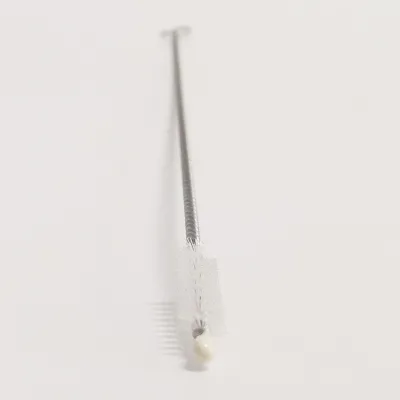

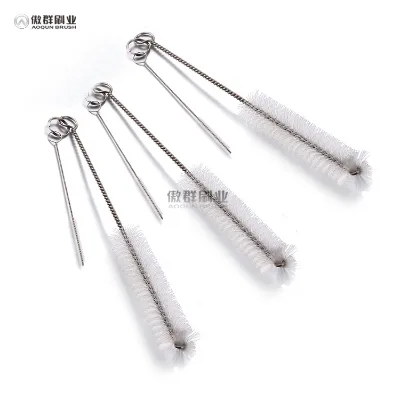
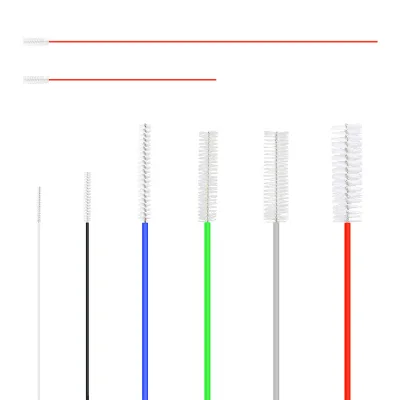





Reinforced Tracheostomy Tube with High Quality
$1.00 - $2.00
MOQ: 10000 Pieces
Sainty International Group Jiangsu Yangzhou Sumex Imp. & Exp. Co., Ltd.


Comprehensive Sourcing Guide
Industrial Tracheostomy Tube Brush Sourcing Guide
Procuring industrial-grade cleaning tools for medical devices, specifically tracheostomy tube brushes, requires a nuanced understanding of both manufacturing capabilities and clinical hygiene standards. These specialized brushes are designed to maintain the patency and sterility of airway management equipment, ensuring patient safety by removing biofilm, debris, and residual secretions that standard cleaning methods might miss. Buyers must recognize that while the end-use is medical, the sourcing process often intersects with industrial manufacturing sectors, where suppliers may offer OEM, ODM, or OBM services to customize brush dimensions, filament types, and handle materials to meet specific institutional protocols.
The market for these items is characterized by a wide variance in product specifications, ranging from simple nylon filament brushes to complex multi-wire configurations. Sourcing decisions should be driven by the specific cleaning requirements of the healthcare facility, including the diameter of the tracheostomy tubes and the frequency of sterilization cycles. It is critical to distinguish between general-purpose industrial cleaning brushes and those explicitly classified as medical accessories, as the latter often require stricter quality control, specific material certifications, and documented traceability to comply with healthcare regulations.
Product Scope and Observed Listing Signals
The current market landscape for tracheostomy tube brushes reveals a diverse array of product listings, with observed price points ranging from $0.05 to $7,844 USD, reflecting significant differences in material quality, customization levels, and order volumes. Minimum Order Quantities (MOQs) vary widely, starting from as low as one piece for sampling purposes up to 50,000 pieces for large-scale institutional contracts. This disparity indicates that buyers can engage with suppliers at various stages of procurement, from initial prototype testing to bulk industrial supply, necessitating a clear definition of volume requirements before initiating supplier outreach.
Product attributes observed in listings include a variety of brush materials such as PA (polyamide), abrasive nylon, animal hair, wire, and tampico fiber, with filament shapes ranging from cross-wire and straight wire to curved and abnormal configurations. Dimensions are highly customizable, with brush diameters spanning from 1 mm to 500 mm and bristle lengths available in standard increments like 1, 2, 3, and 4 inches. Buyers should note that while some listings specify a standard MOQ of 200 pieces, others allow for single-item purchases, and delivery times can range from 3-7 days for samples to 15-25 days for bulk orders, depending on the complexity of the customization and the supplier’s production capacity.
Technical Specifications to Verify
When evaluating technical specifications, the primary focus should be on the brush material and filament function, as these directly impact cleaning efficacy and patient safety. Common materials include nylon brush filaments and stainless steel or iron wire frameworks, with options for ball tips with or without specific end types. Buyers must verify that the selected filament material is compatible with the sterilization methods used in their facility, such as ozone disinfection or autoclaving, to prevent degradation of the brush or release of harmful particles. The classification of the instrument as Class I medical materials and accessories is a key indicator of its intended use and regulatory category, requiring careful alignment with local medical device regulations.
Dimensional accuracy is another critical technical parameter, with single package sizes typically ranging from 20x10x10 cm to 30x5x5 cm, and gross weights varying from 0.007 kg to 0.030 kg per item. Specifications such as model numbers (e.g., BIB-Q7268, EBC-013, EB) and standard sizes (e.g., 133mm, 13x55mm/133mm, 10x40mm) provide a baseline for comparison, but buyers should confirm that the actual product matches the required internal diameter of the tracheostomy tubes they service. Additionally, the shelf life of the product, observed to be up to 3 years in some listings, should be considered for inventory management to ensure that the brushes remain sterile and effective until their point of use.
Compliance and Safety Documentation
Compliance documentation is paramount when sourcing medical cleaning tools, as these items come into direct contact with patient airways and must meet stringent hygiene standards. Buyers should request and verify certifications such as ISO9001 for quality management systems, which indicates a supplier’s commitment to consistent manufacturing processes. Additional certifications like ROHS, CNAS, IAF, and SVHC may be relevant depending on the region and specific regulatory requirements, ensuring that the materials used in the brushes do not contain hazardous substances that could compromise patient safety or violate environmental regulations.
It is essential to distinguish between general industrial certifications and those specific to medical device manufacturing. While some listings mention ISO 27001, this is primarily an information security standard and may not directly relate to the physical safety or hygiene of the brush itself. Buyers should prioritize documentation that confirms the biocompatibility of the materials, such as the PA or nylon filaments, and verify that the supplier adheres to recognized medical device quality standards. The instrument classification as Class I suggests a lower risk profile, but this does not exempt the product from rigorous quality control and documentation requirements, particularly regarding sterilization validation and material safety data sheets.
Cost Drivers and Commercial Terms
Cost structures for industrial tracheostomy tube brushes are influenced by several factors, including the complexity of the brush design, the type of filament material, and the level of customization required. Customized support options, such as OEM, ODM, and OBM, allow for tailored solutions but may incur higher setup costs and longer lead times. Buyers should analyze the total cost of ownership, which includes not only the unit price but also shipping costs, import duties, and the potential costs associated with quality failures or non-compliance, rather than focusing solely on the lowest initial price point.
Commercial terms, including MOQs and delivery times, play a significant role in budgeting and supply chain planning. With MOQs ranging from 1 to 50,000 pieces, buyers can negotiate terms that align with their consumption rates and storage capabilities. Delivery times, typically 3-7 days for samples and 15-25 days for bulk orders, should be factored into inventory management strategies to avoid stockouts. Additionally, warranty periods, such as the 1-year warranty observed in some listings, provide a layer of protection against manufacturing defects, and buyers should clarify the terms of warranty coverage, including return policies and replacement procedures, before finalizing contracts.
Supplier Qualification and Quality Control
Supplier qualification involves a thorough assessment of the manufacturer’s capabilities, location, and quality control processes. Many suppliers are located in industrial hubs such as Shanghai and Guangdong in China, regions known for their manufacturing expertise in medical and industrial brushes. Buyers should verify the supplier’s production capacity, facility cleanliness, and adherence to good manufacturing practices (GMP) to ensure that the brushes are produced in an environment that minimizes contamination risks. Requesting factory audits or third-party inspection reports can provide valuable insights into the supplier’s operational standards and reliability.
Quality control measures should be explicitly defined in the procurement agreement, including incoming material inspections, in-process checks, and final product testing. Buyers should inquire about the supplier’s testing protocols for filament strength, bristle retention, and dimensional accuracy, as well as their procedures for handling non-conforming products. Establishing clear communication channels and regular quality reviews can help maintain consistency in product quality and address any issues promptly. Additionally, verifying the supplier’s ability to provide traceability for each batch of brushes is crucial for maintaining compliance with medical device regulations and facilitating recalls if necessary.
Long-Term Procurement Checks
Long-term procurement success depends on establishing a robust supplier relationship and implementing continuous improvement mechanisms. Buyers should conduct periodic performance reviews to assess the supplier’s adherence to quality standards, delivery reliability, and responsiveness to issues. This includes monitoring key performance indicators such as defect rates, on-time delivery percentages, and customer satisfaction scores. Regular feedback loops with the supplier can help identify areas for improvement and foster a collaborative environment focused on enhancing product quality and service levels.
As regulatory requirements and clinical practices evolve, buyers must stay informed about changes in standards and best practices for tracheostomy tube cleaning. This may involve re-evaluating product specifications, updating supplier contracts, or exploring new suppliers that offer advanced cleaning technologies. Maintaining a diversified supplier base can mitigate risks associated with supply chain disruptions and ensure continuity of supply. Additionally, staying engaged with industry associations and attending relevant trade shows can provide opportunities to network with suppliers, learn about new product innovations, and benchmark procurement practices against industry peers.
FAQs
What materials are used for the bristles?
The bristles are made from PA, abrasive nylon, animal hair, wire, or tampico fiber. These materials support cleaning, deburring, and rust paint removal applications for medical and industrial needs.
Can I get customized brush dimensions?
Yes, customization is available for brush dimensions ranging from 2 to 105 mm. The brush diameter can also be customized to meet specific requirements for tracheostomy tube cleaning tasks.
What certifications do these brushes hold?
The products hold ISO9001, ROHS, CNAS, IAF, and SVHC certifications. These quality certifications ensure the brushes meet international standards for medical materials and accessories used in cleaning procedures.
How long does delivery take for bulk orders?
Delivery takes 15 to 25 days for bulk orders. Samples can be delivered within 3 to 7 days, allowing for quick evaluation before committing to larger production runs.
What is the minimum order quantity required?
The minimum order quantity is 200 pieces. This MOQ applies to the industrial tracheostomy tube brushes which are available in various sizes and filament shapes for different cleaning needs.
Where are these brushes manufactured?
These brushes originate from Shanghai and Guangdong in China. The manufacturing location ensures access to industrial-grade materials and specialized production capabilities for medical and general cleaning tools.
What is the warranty period for the product?
The product comes with a 1-year warranty. This coverage applies to the medical brush designed for cleaning and deburring, ensuring reliability for professional medical and industrial applications.